
No products in the cart.
Return To Shop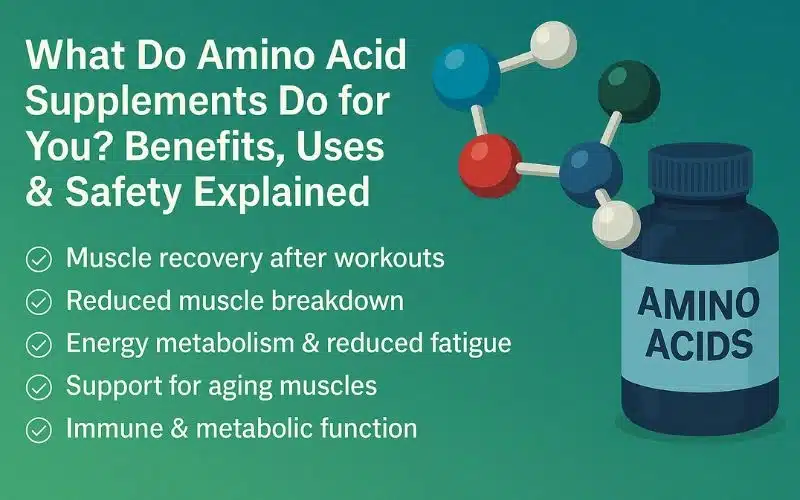
What Do Amino Acid Supplements Do for You? Benefits, Uses & Safety Explained
Updated Septembert 2026
If you have ever picked up a tub of BCAAs or EAAs at a supplement shop and wondered whether you actually need it, you are not alone. What do amino acid supplements do for you? In short, they supply your body with the building blocks of protein in a fast-absorbing form, helping muscles recover, reducing breakdown during training, and supporting energy and immune function when your diet or training load demands more than food alone can easily provide.
This guide breaks down what amino acids are, what the supplements actually do in your body, who benefits most, and when your regular diet is already enough, based on established nutrition science.
Quick Summary: Amino Acid Supplements at a Glance
| Question | Short Answer |
|---|---|
| What do they do? | Supply essential amino acids fast, supporting muscle repair, reduced soreness, and recovery |
| Who needs them? | Athletes, frequent trainers, older adults, low-protein or plant-based eaters, calorie-deficit dieters |
| Who can skip them? | Sedentary people already eating enough high-quality protein from food |
| vs Whey Protein | Whey is a complete food source with calories; aminos are faster-absorbing and calorie-light |
| Safety | Generally safe at recommended doses for healthy adults; consult a doctor if you have kidney or metabolic conditions |
What Are Amino Acids?
Amino acids are the basic building blocks of protein. Every protein in your body, including muscle tissue, enzymes, hormones, skin, and brain chemicals, is built from amino acids. Your body is constantly breaking down and rebuilding proteins, so a steady supply of amino acids is essential for daily repair, growth, and overall function. When intake falls short, processes like muscle recovery, immune defense, and energy production become less efficient.
What Are the Different Types of Amino Acids?
The human body uses 20 amino acids, grouped into three categories:
- Essential amino acids (9): Must come from food or supplements because the body cannot make them
- Non-essential amino acids (11): Produced naturally by the body
- Conditionally essential amino acids: Normally produced internally but may need to come from diet during illness, stress, or intense training
Most amino acid supplements focus on essential amino acids (EAAs) or the branched-chain amino acids, BCAAs, which are leucine, isoleucine, and valine, because these directly support muscle repair and recovery.
What Do Amino Acids Do in the Body?
Amino acids support almost every vital process in the body, including:
- Muscle growth and repair
- Enzyme and hormone production
- Brain neurotransmitters such as serotonin and dopamine
- Immune system strength
- Energy metabolism
- Skin, hair, and tissue regeneration
Without an adequate supply, the body struggles to recover, adapt to training, and perform at its best.
What Do Amino Acid Supplements Do for You?
Amino acid supplements provide concentrated, fast-absorbing amino acids that support your body when dietary intake or recovery demands are high. They help by:
- Reducing muscle breakdown during workouts or calorie deficits
- Speeding up muscle recovery after exercise
- Supporting lean muscle maintenance as you age
- Improving workout endurance and reducing fatigue
- Assisting immune and metabolic function
For people who train hard, eat less protein than they need, or experience muscle loss with age, amino acid supplements can help fill important nutritional gaps. For a closer look at exactly how and when to take them, see our guide on how to use amino acid supplements.
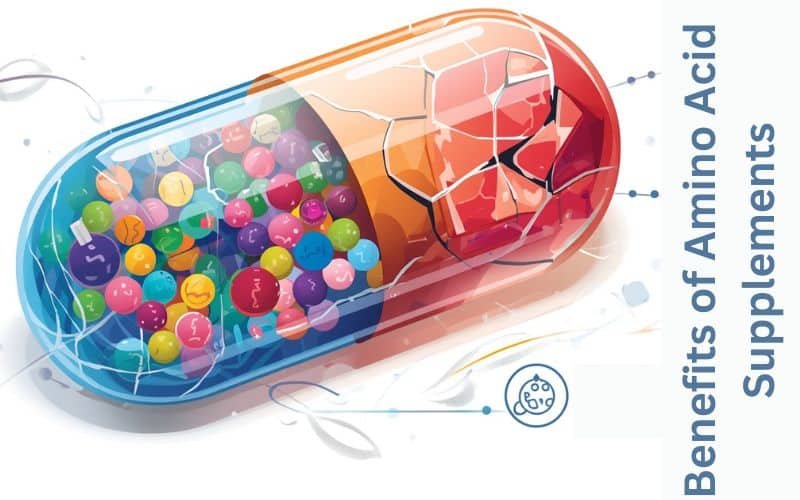
Benefits of Amino Acid Supplements
Muscle Growth and Recovery
Amino acids, especially leucine, help stimulate muscle protein synthesis, supporting repair and growth after resistance training.
Reduced Muscle Soreness
BCAAs in particular are known for helping lower post-exercise muscle soreness, which can support faster recovery between training sessions.
Support During Weight Loss
During calorie restriction, amino acids can help preserve lean muscle mass rather than letting it be broken down for energy.
Energy and Focus
Some amino acids support neurotransmitter production, which may help with mental focus and reduced fatigue during training.
Healthy Aging
Older adults can benefit from amino acids to help slow age-related muscle loss and support strength and mobility.
Who Should Take Amino Acid Supplements?
Amino acid supplements tend to be most useful for:
- Athletes and bodybuilders
- People doing intense or frequent workouts
- Older adults experiencing muscle loss
- Individuals on lower-protein diets
- Vegetarians or vegans struggling to meet protein needs
- People training while in a calorie deficit
For sedentary individuals already eating a balanced, protein-sufficient diet, supplements are often unnecessary. Athletes who train frequently often pair amino acids with pre-workout nutrition for better endurance. If you are still deciding which formula fits your goals, our roundup of the best amino acid supplements in Pakistan for muscle gain compares the top options.
How Many Amino Acids Do You Need Daily?
The body needs all 20 amino acids daily, with exact requirements varying by body weight, activity level, and overall health. Most people can meet their needs through protein-rich foods, but supplements offer convenience and precision, especially around workouts or during recovery periods.
What Foods Contain Amino Acids?
Complete Protein Sources
- Eggs
- Meat, poultry, fish
- Dairy products
- Soy, quinoa
Incomplete Protein Sources
- Beans and lentils
- Nuts and seeds
- Grains
Combining plant foods across a day helps ensure a complete amino acid intake on plant-based diets. If you eat mostly plant-based, our guide to the top plant-based sources of all 9 essential amino acids can help you plan meals around this.
Amino Acid Supplements vs Whole Protein
Many people use amino acids alongside protein powders for complete muscle support rather than choosing one over the other.
- Whole protein foods provide amino acids plus vitamins, minerals, and calories
- Amino acid supplements absorb faster and are calorie-light
Supplements work best when convenience, absorption speed, or digestion matters, not as a full replacement for meals.
Are Amino Acid Supplements Safe?
For healthy adults, amino acid supplements are generally considered safe when taken within recommended limits. They are not medical treatments, and excessive intake may cause imbalances. People with kidney disease, metabolic disorders, or those on medication should consult a healthcare professional before starting. Choosing tested, authentic supplement brands from a trusted, authorised retailer matters for both safety and effectiveness.
Possible Side Effects
- Mild digestive discomfort
- Nausea when taken on an empty stomach
- Imbalances if overused or poorly formulated
Quality and dosage matter significantly, so it helps to source supplements from a supplier that stands behind product authenticity.
Should You Take Amino Acid Supplements?
Amino acid supplements can be useful tools, but they are not mandatory for everyone. If your diet already provides enough high-quality protein, supplements may add little extra benefit. For targeted goals like faster recovery, healthy aging support, or intense training, they can be highly effective when used correctly and consistently.
Why Choose SportsOne for Amino Acid Supplements in Pakistan?
SportsOne has operated as an authorised, Halal-certified importer and distributor of sports nutrition supplements in Pakistan since 2002. Every amino acid product sold is sourced through authorised channels, so you know exactly what you are getting. Orders are available with Cash on Delivery and WhatsApp ordering, with physical stores in Karachi, Lahore, Islamabad, and Gujranwala for anyone who prefers to shop in person, backed by fast local delivery nationwide. Browse the full range of Imported Supplements in Pakistan to compare options.
Frequently Asked Questions
Do amino acid supplements help with muscle gain?
Yes, especially when combined with resistance training. They support muscle protein synthesis and help reduce breakdown, helping muscles recover and grow more efficiently over time.
Can I take amino acids without working out?
Yes, but the benefits are more noticeable during physical activity or recovery. Older adults or people with low protein intake may still benefit even without regular exercise.
Are amino acid supplements better than whey protein?
They serve different purposes. Whey provides more complete nutrition with calories, while amino acids offer faster absorption and are calorie-light. Many people use both together.
When is the best time to take amino acid supplements?
Common times include before workouts, during training, or immediately after exercise to support recovery and muscle repair.
Can amino acid supplements harm the kidneys?
In healthy individuals, normal recommended doses are considered safe. People with existing kidney conditions should consult a doctor before use.
Conclusion
So, what do amino acid supplements do for you? They support muscle recovery, help preserve lean mass, improve workout performance, and help meet increased nutritional demands, but they work best as a support to a balanced diet, not a replacement for real food. If you are looking for authentic amino acid supplements in Pakistan, always choose a reputable, authorised sports nutrition retailer.
About author

Related posts

If you’ve spent years hearing “you’re so thin, eat more” at every family gathering despite cleaning your plate at every meal, you already know the... Continue reading
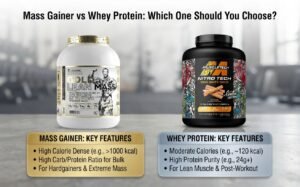
If you have stood in front of a supplement shelf wondering whether to pick up a tub of whey protein or a bag of mass... Continue reading
If you have ever opened a tub of creatine monohydrate, you have probably seen the instructions telling you to “load” for the first week. It... Continue reading

The best time to take creatine is whenever you can take it consistently, every single day. If you want a more specific window, taking creatine... Continue reading

Ask ten gym-goers what creatine does and you’ll get ten different answers, most of them half right. Creatine monohydrate benefits go well beyond “it helps... Continue reading
Add comment