
No products in the cart.
Return To Shop
Whey Isolate vs Concentrate Pakistan: Is It Worth It?
When you walk into any supplement store in Pakistan, the sheer variety of protein powders can feel overwhelming. You’ll see shelves filled with whey concentrate, whey isolate, and everything in between, all at different price points, leaving many people confused about what they’re actually paying extra for.
Understanding the difference between whey protein isolate and concentrate isn’t just about reading labels, it’s about making a smart investment in your fitness journey. Although both come from milk, their processing methods, purity levels, and nutritional profiles differ significantly. This guide explains exactly what separates the two, whether the price gap is actually justified, and how to choose the right one for your muscle building, fat loss, or body recomposition goals.
The Basics of Whey Protein Isolate
Whey protein comes from milk during cheese production. When milk curdles, it separates into curds (used for cheese) and liquid whey. This liquid contains fast-absorbing proteins that are perfect for post-workout recovery and lean muscle growth. The key difference between isolate and concentrate lies in how much this whey is processed and filtered.
Think of it like refining oil: the more you refine it, the purer it becomes, but the process also becomes more expensive. Whey isolate undergoes additional ultra-filtration steps that remove more lactose, fat, and carbohydrates compared to concentrate, resulting in a product that’s 90%+ protein by weight. This extra processing is why isolate generally costs more than concentrate, but it also delivers meaningfully cleaner macros per serving.
What Makes Isolate Different from Concentrate?
The primary distinction comes down to protein content per serving and macro cleanliness:
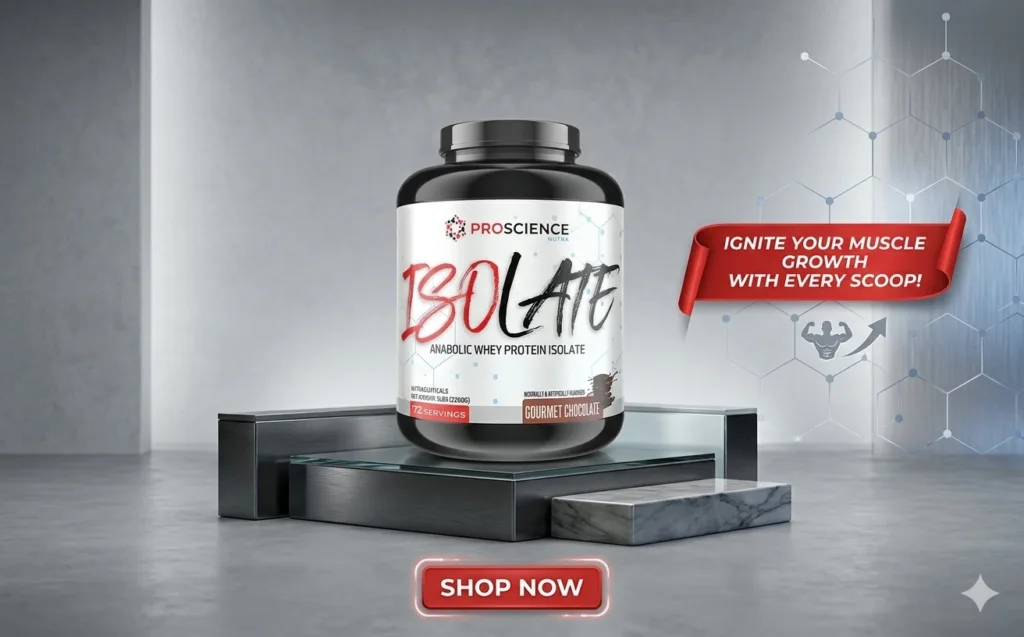
- Whey Concentrate contains 70 to 80% protein by weight, with the remainder being lactose, fats, and minerals.
- Whey Protein Isolate contains 90%+ protein content after ultra-filtration, with minimal lactose and virtually no fat, making it the preferred choice for cutting phases, lactose sensitivity, and post-workout recovery.
These percentages might seem like small differences on paper, but they have real implications for amino acid delivery, protein synthesis, digestion speed, and your overall fitness results. For someone consuming protein shakes daily, these variations add up significantly over weeks and months.
Nutritional Profile: Whey Isolate vs Concentrate
Looking at a standard 30-gram scoop, here’s what you typically get with each type.
Whey Concentrate provides approximately 21 to 24 grams of protein, 3 to 4 grams of carbohydrates (mostly lactose), and 1 to 2 grams of fat, at around 120 to 130 calories per scoop.
Whey Isolate delivers about 27 to 28 grams of protein from the same 30-gram scoop. Carbohydrates drop to less than 1 gram, and fat is negligible, often under 0.5 grams, with total calories typically ranging from 100 to 110 per serving. This lean profile, rich in BCAAs, EAAs, and leucine, makes isolate ideal for triggering protein synthesis rapidly post-workout and for those in a cutting or body recomposition phase.

Key Amino Acids in Whey Protein Isolate
The reason whey isolate is so effective for lean muscle mass and post-workout recovery lies in its amino acid profile. Each serving of a quality isolate delivers:
- BCAAs (Branched-Chain Amino Acids): typically 5 to 6g per serving, including leucine, isoleucine, and valine, the primary drivers of muscle protein synthesis and reduced muscle breakdown during training.
- EAAs (Essential Amino Acids): whey isolate contains all nine essential amino acids in high concentrations, making it a complete protein source the body cannot produce on its own.
- Leucine: the most anabolic of all amino acids, responsible for activating the mTOR pathway that triggers muscle growth. Whey isolate is particularly rich in leucine compared to plant-based proteins.
- Glutamine: supports gut health, immune function, and recovery between training sessions, especially valuable for athletes with high training frequency.
Because isolate undergoes extra filtration, the concentration of these amino acids per calorie is higher than in concentrate, which directly translates to faster absorption and more efficient muscle recovery.
Is Isolate Worth the Extra Cost?
Price is often the deciding factor for most Pakistani fitness enthusiasts, and it’s worth breaking down honestly rather than just accepting “isolate costs more” at face value. Raw sticker price makes isolate look like it costs 40 to 50% more than concentrate. But when you calculate cost per gram of actual protein, rather than cost per tub, the real gap narrows to roughly 15 to 30% more for isolate. You’re not paying double for the same protein, you’re paying a moderate premium for a meaningfully cleaner macro profile and faster digestion.
Whether that premium is worth it depends entirely on your situation, covered in detail in the “who should choose which” sections below. For exact current pricing across every isolate brand SportsOne stocks, see our best isolate protein guide or the live isolate protein price list. For concentrate and blend pricing, see the complete whey protein price list.
Popular Isolate Brands in Pakistan, at a Glance
A quick snapshot of what differentiates the isolate brands most commonly available through SportsOne. For full reviews, pricing, and which one fits your goal, see the dedicated best isolate protein in Pakistan guide.
- Dymatize ISO 100: hydrolysed isolate, the fastest-absorbing option, premium tier.
- MuscleTech ISO Whey: strong middle-ground option, multi-phase filtration without Dymatize-level pricing.
- Applied Nutrition ISO-XP: zero-sugar, zero-fat isolate with clean macros and good mixability.
- Rule 1 R1 Isolate: pure isolate and hydrolysate base with no fillers, known for label transparency.
- Sanaxium Gold ISO: Halal certified, GMP certified, ultra-filtered WPI, one of the more cost-efficient isolate options.
- Anabolic ISO Whey: isolate base built with an added creatine, taurine, and D-aspartic acid performance matrix.
- ProScience Nutra Isolate: the budget entry point for daily isolate use.
Who Should Choose Whey Isolate?
Lactose intolerance makes isolate a necessity rather than a luxury. If you experience bloating, gas, or digestive discomfort after consuming regular protein shakes, the culprit is likely lactose. Pakistan has a surprisingly high rate of lactose sensitivity. Isolate eliminates this problem almost entirely due to its minimal residual lactose content.
Cutting phases and fat loss goals demand precision in macro counting. When you’re trying to lose fat while maintaining muscle, every calorie counts. The lean profile of isolate, high protein with minimal fats and carbs, makes it easier to hit your targets without exceeding your daily calorie budget. Bodybuilders preparing for competitions and athletes focused on body recomposition almost exclusively use whey isolate for fat loss and muscle preservation in their final preparation weeks.
Advanced athletes and strength training enthusiasts who require rapid post-workout protein synthesis benefit most from isolate’s fast absorption profile. Hydrolyzed variants like Dymatize ISO 100 begin entering the bloodstream within 30 to 45 minutes, maximising the anabolic window after intense sessions.
Who Should Choose Whey Concentrate?
Concentrate makes perfect sense for several groups. Beginners just starting their fitness journey don’t need to invest in premium isolate right away. Your body will respond well to any quality protein source when you’re new to training, so saving money makes sense at this stage.
Bulking phases also favour concentrate. When your goal is to gain muscle mass and you’re in a caloric surplus, the extra carbs and fats in concentrate actually work in your favour. Those additional 20 to 30 calories per shake help you hit daily targets without forcing down more food. Many serious lifters deliberately choose concentrate during mass-gaining phases for this exact reason.
Popular concentrate and blend options include ON Gold Standard 100% Whey, MuscleTech NitroTech, and, for a more budget-friendly local option, ProScience Nutra. See the full best whey protein in Pakistan guide for the complete concentrate and blend lineup.
Whey Isolate vs Whey Concentrate: Full Comparison
| Feature | Whey Concentrate | Whey Isolate |
| Protein per 30g scoop | 21 to 24g | 27 to 28g |
| Protein percentage | 70 to 80% | 90%+ |
| Lactose content | 3 to 4g | <1g |
| Fat content | 1 to 2g | <0.5g |
| Calories per serving | 120 to 130 | 100 to 110 |
| BCAA content | ~5g | ~5.5 to 6g |
| EAA profile | Complete | Complete, higher density |
| Absorption speed | Fast (60 to 90 min) | Very fast (30 to 60 min) |
| Cost per gram of protein | Lower | Roughly 15 to 30% higher |
| Best for | Beginners, bulking, budget users | Cutting, fat loss, lactose intolerant, advanced athletes |
| Mixability | Good, slightly thick | Excellent, smooth and thin |
Isolate and Concentrate Availability in Pakistan
Major cities like Karachi, Lahore, and Islamabad have excellent access to both isolate and concentrate options through authorised distributors. SportsOne International operates stores across these metropolitan areas, with the full isolate range including Dymatize, MuscleTech, Applied Nutrition, and Sanaxium available in-store and online, plus nationwide shipping to smaller cities like Faisalabad, Multan, and Gujranwala where walk-in options are more limited.
Lactose Intolerance Considerations for Pakistani Users
Lactose intolerance is common in Pakistan and often shows up as bloating, gas, or stomach discomfort after protein shakes. Whey isolate contains far less lactose than concentrate and usually prevents these issues, even in people who tolerate regular milk but struggle with protein powders.

Test tolerance by taking half a scoop of concentrate with water and observing for 2 to 3 hours. If discomfort occurs, switch to whey isolate. Mixing with lactose-free milk may help with mild intolerance, but for moderate to severe cases, isolate is the most reliable and comfortable option available.
Daily Protein Requirements for Pakistani Athletes
An average Pakistani male weighing 70kg should aim for 140 to 175 grams of protein daily if building muscle, roughly 2 to 2.5g per kg of bodyweight. If you consume 100g from whole foods (chicken, eggs, daal), one or two protein shakes bridge the gap effectively without overloading on calories.
Women typically need slightly less, around 1.6 to 2g per kg bodyweight. A 60kg woman targeting muscle growth should consume 96 to 120g daily. One shake post-workout plus protein-rich meals usually covers requirements comfortably. Isolate suits women particularly well during cutting phases due to its lean macronutrient profile and minimal fat content.
Split your protein intake throughout the day rather than loading it all at once. Your body can only effectively use about 25 to 40g of protein per meal for muscle protein synthesis. A shake post-workout, another before bed if needed, and protein in your regular meals optimises results better than consuming large amounts in a single sitting.
Flavour and Palatability in Pakistan’s Climate
Pakistan’s hot climate presents a genuine, practical reason to prefer isolate beyond the macros. Many people struggle with drinking thick, heavy shakes when temperatures soar above 40°C in summer. Isolate’s thinner consistency mixes more smoothly and feels more refreshing than concentrate in extreme heat.
- Chocolate remains the top choice in Pakistan, and premium isolates mix smoothly with minimal aftertaste.
- Vanilla pairs well with local ingredients such as bananas, dates, and honey, making it ideal for desi-style customised shakes.
- Unflavoured options are great for users sensitive to artificial sweeteners, and blend easily with mangoes or strawberries, especially refreshing during mango season.
- Traditional combinations: vanilla isolate with cold milk and a touch of cardamom creates a protein-rich doodh, while chocolate isolate blended with cold coffee offers a caffeinated protein boost.

Combining Isolate Protein with Other Supplements
Whey protein isolate works synergistically with several other common supplements for maximum results:
- Creatine monohydrate pairs excellently with whey isolate. Many users mix 5g of creatine directly into their post-workout isolate shake, supporting muscle growth and strength gains simultaneously, one of the most evidence-backed supplement stacks in sports nutrition.
- BCAAs become somewhat redundant if you’re consuming adequate whey isolate, since isolate naturally contains very high levels of branched-chain amino acids. Some users still take BCAAs separately during training for intra-workout nutrition.
- Pre-workout supplements before training and isolate immediately after create a highly effective combination, energising the session while post-workout isolate initiates rapid recovery.
- Multivitamins complement protein supplementation well, since adequate vitamin and mineral intake supports the muscle-building processes that protein fuels.
Common Mistakes Pakistani Buyers Make When Purchasing Isolate
Pakistan’s supplement market faces serious counterfeiting issues. Fake versions of popular isolate brands flood certain outlets, especially in smaller cities. These counterfeits often contain minimal actual protein, cheap fillers, and sometimes harmful substances. Always buy from authorised distributors to ensure authenticity.
Check for official holographic seals, proper batch numbers, and QR codes that verify authenticity when scanned. Authorised sellers like SportsOne International source directly from manufacturers, ensuring every tub is genuine. The slight premium over suspiciously cheap alternatives is insurance against wasting money on a counterfeit product that can actively harm your health.
Environmental Considerations
Whey protein production has environmental implications that conscious consumers might consider. Both isolate and concentrate come from dairy farming, which has a significant carbon footprint and water usage. Isolate requires additional processing steps, consuming more energy and resources than concentrate production. For environmentally conscious Pakistani consumers, choosing concentrate marginally reduces their supplementation’s environmental impact, though both come from the same dairy source, so the difference is secondary to other fitness and health considerations.
Final Thoughts
The debate between isolate and concentrate ultimately comes down to your individual goals, budget, and digestive system. For cutting, fat loss, body recomposition, lactose intolerance, or advanced athletic performance, isolate is the clear choice. For beginners, bulking phases, or tighter budgets, concentrate remains highly effective. Both deliver high-quality complete protein, BCAAs, EAAs, leucine, glutamine, that supports muscle building and recovery.
Whether you’re training in Lahore, Karachi, or Islamabad, buying from a reputable authorised distributor and using your protein consistently alongside proper strength training delivers impressive, measurable results, regardless of which type you choose.
Frequently Asked Questions
Is whey isolate worth the extra cost over concentrate?
For cutting, fat loss, or lactose intolerance, yes, the price premium buys you meaningfully cleaner macros and faster digestion. When you calculate cost per gram of actual protein rather than cost per tub, isolate typically costs about 15 to 30% more than concentrate, not the 40 to 50% that raw sticker prices suggest. For beginners or bulking phases, concentrate delivers excellent results at a lower price, so the premium isn’t necessary for everyone.
What is the difference between whey isolate and whey concentrate?
Whey concentrate contains 70 to 80% protein by weight with some fat, carbohydrates, and lactose. Whey isolate is filtered more extensively to reach 90%+ protein, with minimal lactose and virtually no fat. Isolate digests faster and is easier on the stomach, but costs more per serving.
Which is best for muscle gain, isolate or concentrate?
Any high-quality whey with 21g+ protein per serving and a complete amino acid profile supports muscle growth effectively when combined with proper strength training. Isolate offers a slight edge for post-workout synthesis due to faster absorption, while concentrate’s extra calories can help hard gainers hit a caloric surplus more easily during bulking phases.
Is isolate protein good for weight loss?
Whey isolate is an excellent choice for weight loss due to its lean macro profile, high protein with minimal fats and carbs. Each serving contains fewer calories than concentrate while delivering more actual protein, making it easier to stay in a calorie deficit while preserving lean muscle mass.
Can I use whey concentrate if I’m lactose intolerant?
Mild lactose intolerance might tolerate small amounts of whey concentrate, especially when mixed with lactose-free milk or taken with a lactase enzyme supplement. Moderate to severe lactose intolerance generally requires switching to whey isolate, which contains less than 1g of lactose per serving.
How do I know if the isolate protein I’m buying is authentic?
Buy only from authorised distributors like SportsOne International that source directly from manufacturers. Check for holographic seals, proper batch codes, and QR codes that verify authenticity when scanned. If a price seems significantly below the normal market range for that brand and size, it is almost certainly counterfeit.

About author

Related posts

For most healthy adults, collagen peptides are well tolerated. The side effects people actually report are mild: a feeling of fullness, bloating, an aftertaste or... Continue reading

The short answer: the best time to take collagen is whichever time you will repeat every single day. Research on hydrolysed collagen peptides has not... Continue reading
Neither is universally better. Marine collagen is often preferred for skin, hair and people who avoid beef, while bovine collagen is usually cheaper and offers... Continue reading
Collagen may help support joint comfort in some people, but the evidence is modest, results are slow, and it is not a substitute for medical... Continue reading
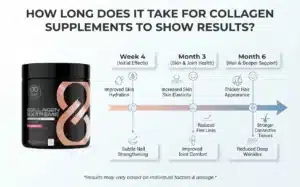
Most people notice their first change from collagen supplements after 4 to 8 weeks, with clearer skin and joint results building between 8 and 12... Continue reading
Add comment