
No products in the cart.
Return To Shop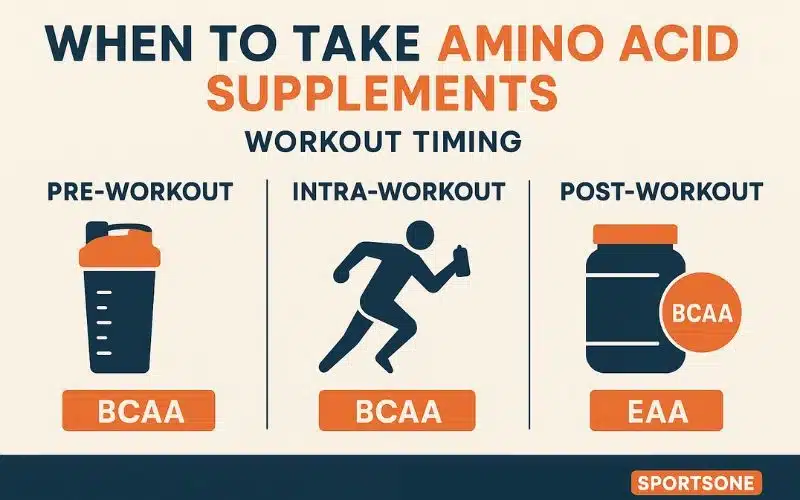
When to Take Amino Acid Supplements: Best Timing Explained
Amino acids are often discussed in fitness and health circles, but many people still ask an important question: when to take amino acid supplements for the best results. Timing matters because amino acids work quickly in the body and play a direct role in muscle repair, recovery, and overall health. Understanding when and why to take them helps you use supplements wisely instead of blindly following trends.
This guide explains amino acids, their functions, ideal timing, food sources, and safety so you can make informed decisions based on your goals.
What Are Amino Acids?
Amino acids are the building blocks of protein. Every muscle fiber, hormone, enzyme, and neurotransmitter in your body is made from amino acids. When you eat protein-rich foods, your body breaks them down into amino acids and uses them where needed.
Without enough amino acids, your body struggles with muscle recovery, tissue repair, immune strength, and even mental focus.
What Are the Different Types of Amino Acids?
Your body uses 20 amino acids, divided into three categories:
- Essential amino acids (EAAs): Must come from food or supplements.
- Non-essential amino acids: Made naturally by the body.
- Conditionally essential amino acids: Needed during stress, illness, or intense training.
EAAs are the most important for muscle recovery and performance, which is why most amino acid supplements focus on them.
What Is the Structure of an Amino Acid?
Each amino acid has a simple structure: a central carbon atom attached to an amino group, a carboxyl group, a hydrogen atom, and a side chain. This side chain determines how the amino acid behaves in the body.
This structure allows amino acids to link together and form proteins that carry out essential biological functions, principles applied in targeted formulations like ELEV ARGI-PRO, which focuses on specific amino acids to support performance and recovery.
What Do Amino Acids Do in the Body?
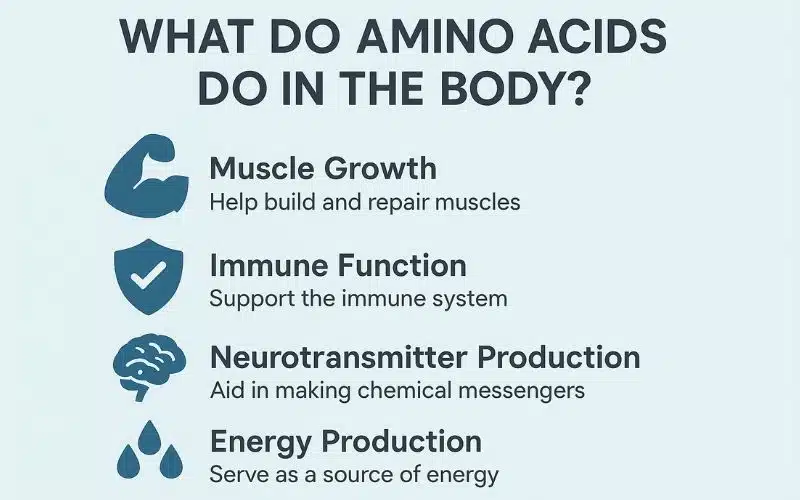
Amino acids perform several critical roles, including:
- Repairing and rebuilding muscle tissue
- Supporting muscle protein synthesis
- Producing hormones and neurotransmitters
- Supporting immune function
- Helping maintain skin, hair, and nails
- Providing energy during intense training
Their fast absorption makes them especially useful around workouts.
When to Take Amino Acid Supplements
The best time to take amino acid supplements depends on your fitness level, diet, and goals. Below are the most effective timings.
Before Workout
Taking amino acids before training helps reduce muscle breakdown and supports endurance. This is especially helpful if you train fasted or have long, intense sessions.
During Workout
During workouts, amino acids help preserve muscle and maintain performance. They are useful for endurance athletes or those training longer than one hour.
After Workout
Post-workout is one of the most popular times. Amino acids support muscle repair and recovery and work well alongside protein shakes or meals.
Between Meals or on an Empty Stomach
Amino acids absorb quickly without digestion. Taking them between meals helps maintain a positive protein balance, especially during calorie restriction or fat-loss phases.
Before Bed
Some people take amino acids before sleep to support overnight muscle recovery. This timing is useful for athletes training frequently or older adults with slower recovery.
How Many Amino Acids Do I Need?
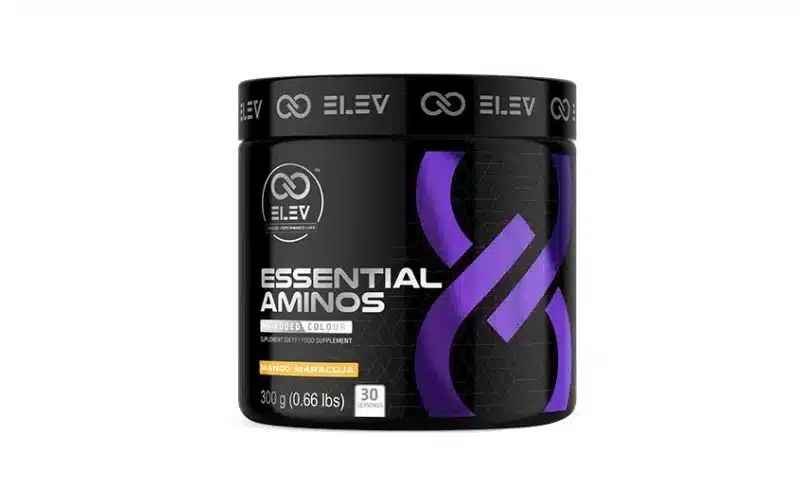
There is no single amino acid dosage that works for everyone. Individual needs depend on body weight, activity level, training intensity, and overall diet quality. While many active people get amino acids from food, supplements like ELEV Essential Aminos can help fill nutritional gaps during intense training or low-calorie diets. More is not always better, proper timing and consistency matter far more than excessive intake.
What Foods Contain Amino Acids?
Amino acids are naturally found in protein-rich foods:
- Animal sources: Eggs, chicken, fish, beef, milk, yogurt
- Plant sources: Lentils, beans, soy, quinoa, nuts, seeds
Animal foods usually provide complete amino acid profiles, while plant foods may require combination for full coverage.
Amino Acid Supplements vs Whole Protein
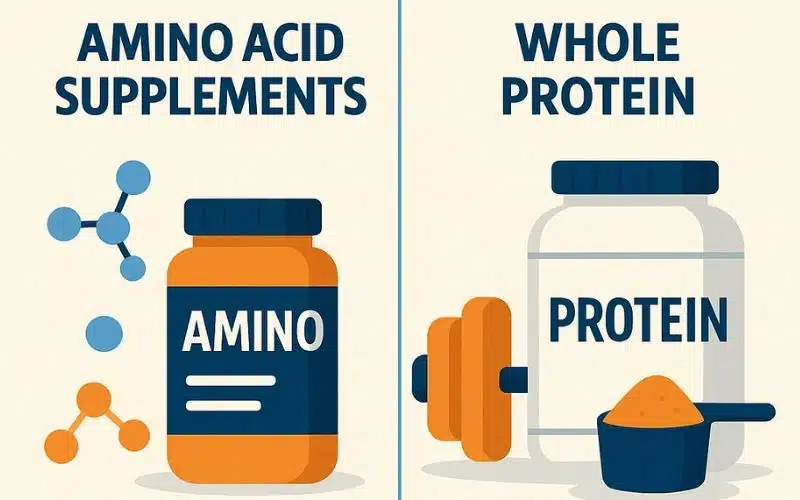
Amino acid supplements absorb faster than whole protein because they don’t require digestion. This makes them useful around workouts. Whole protein, however, is better for overall daily nutrition and long-term muscle building.
Both have their place depending on timing and lifestyle.
Should You Take Amino Acid Supplements?
Most people can meet their amino acid needs through a balanced, protein-rich diet. However, supplements can be helpful for athletes, beginners starting training, older adults, or anyone struggling to meet daily protein requirements. Targeted amino acid products such as Gold L-Arginine are often used to support specific performance and recovery needs.
Amino acid supplements are especially useful around workouts or during periods of intense training, calorie restriction, or recovery. They should support overall nutrition and performance, not replace whole, nutrient-dense foods.
Safety, Side Effects & Common Mistakes
Amino acids are generally safe when used responsibly. Common mistakes include overdosing, ignoring total protein intake, and expecting supplements to replace meals.
If you have medical conditions, consult a healthcare professional before use.
FAQs – When to Take Amino Acid Supplements
1. Can I take amino acid supplements every day?
Yes, daily use is generally safe when taken within recommended limits, combined with a balanced diet, proper hydration, and adequate protein intake from whole foods.
2. Are amino acids better before or after workouts?
Both timings are effective. Before workouts, amino acids reduce muscle breakdown, while after workouts they support muscle recovery, repair, and faster post-exercise adaptation.
3. Can amino acids replace protein shakes?
No, amino acids cannot replace protein shakes. They aid recovery and muscle protection, but protein shakes provide complete nutrition, calories, and sustained muscle-building support.
4. Do beginners need amino acid supplements?
Beginners may benefit, especially during workouts, but focusing on proper diet, total protein intake, and consistent training should always be the first priority.
5. Are amino acids useful during weight loss?
Yes, amino acids help preserve lean muscle mass during calorie deficits, support workout performance, and reduce muscle breakdown while dieting and maintaining regular exercise routines.
Final Thoughts
Understanding when to take amino acid supplements helps you use them effectively instead of randomly. With correct timing, a balanced diet, and realistic expectations, amino acids can support recovery, performance, and overall health naturally.
Explore high-quality amino acid supplements trusted by athletes at SportsOne International – your reliable destination for authentic sports nutrition in Pakistan.


About author

Related posts

If you are searching for how to boost testosterone naturally, the honest answer is that food, lifting, sleep and body composition do most of the... Continue reading

Walk into any gym in Lahore, Karachi, or Islamabad before 6 p.m. and you’ll spot two camps: the ones sipping black coffee from a flask,... Continue reading

If you’ve stood in a supplement store or scrolled SportsOne’s shop wondering whether to buy BCAA, whey protein, or both, you’re not alone. It’s one... Continue reading

Ask a Pakistani woman why she avoids protein shakes. One fear comes up almost every time: “Won’t it make me look like a bodybuilder?” This... Continue reading

If you’ve ever stood in front of a supplement shelf and wondered, “Is whey protein halal?” you’re not alone. This question concerns many Pakistani gym-goers... Continue reading
Add comment