
No products in the cart.
Return To Shop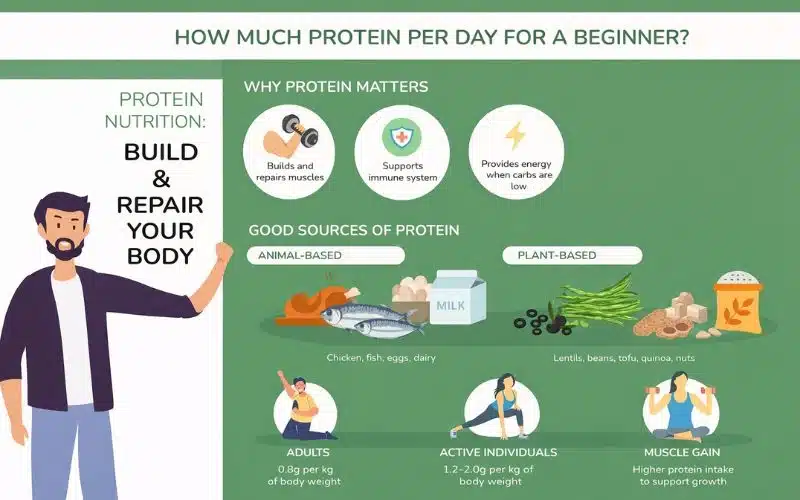
How Much Protein Per Day for a Beginner
Last updated: 31 August 2026 — prices verified against live listings.
If you’ve searched for the best whey protein in Pakistan, you’ve probably run into the same wall everyone does: dozens of brands, three confusing protein “types,” tubs priced anywhere from Rs. 11,000 to Rs. 53,000, and no shortage of sellers claiming to be “100% original.” This guide cuts through that. We compare the whey proteins actually stocked and sold in Pakistan by Optimum Nutrition, MuscleTech, Dymatize, Applied Nutrition, Kevin Levrone, ProScience, Rule 1, and Sanaxium Nutrition, by protein type, price per serving, and who each one actually suits.
If you’re brand new to supplements and just want to know how much protein you need per day as a beginner before you buy anything, that companion guide walks through the basics. This page is the buying guide for choosing which tub to actually get.
Best Whey Protein in Pakistan: Quick Comparison
Here’s the short version. Full breakdowns, pricing, and buying advice for each are below.
| Product | Type | Protein/Serving | Best For | Price (PKR) |
|---|---|---|---|---|
| Optimum Nutrition Gold Standard 100% Whey | Concentrate/Isolate blend | ~24g | Best overall / everyday whey | 20,500 (2lb) / 42,500 (5lb) |
| Dymatize ISO100 | Hydrolysed isolate | ~25g | Cutting / lactose-sensitive | 18,500 (1.45lb) / 53,500 (5lb) |
| MuscleTech NitroTech Whey Gold | Isolate/peptide blend | ~24g | Strength-focused users | 16,900 (2lb) / 39,500 (5lb) |
| Applied Nutrition Critical Whey | Concentrate blend | ~25g | Mid-range daily use | 20,500 (2kg) |
| Applied Nutrition ISO XP | Isolate | ~26g | Clean isolate / low lactose | 20,600 (1kg) / 39,900 (1.8kg) |
| ProScience Nutra Whey | Concentrate | ~24g | Budget everyday option | 28,200 (5lb) |
| Sanaxium Nutrition Gold Whey | Concentrate | ~24g | Value-focused local brand | 15,900–18,500 (1kg) |
| Rule 1 Whey Isolate | Isolate + hydrolysate | ~25g | Alternative premium isolate | 32,500 (5lb) |
Prices are reviewed monthly by Sports One International and reflect current authorised listings on the whey protein price page; they move with pack size, flavour, and exchange-rate fluctuations, so confirm the exact figure on the product page before checkout.
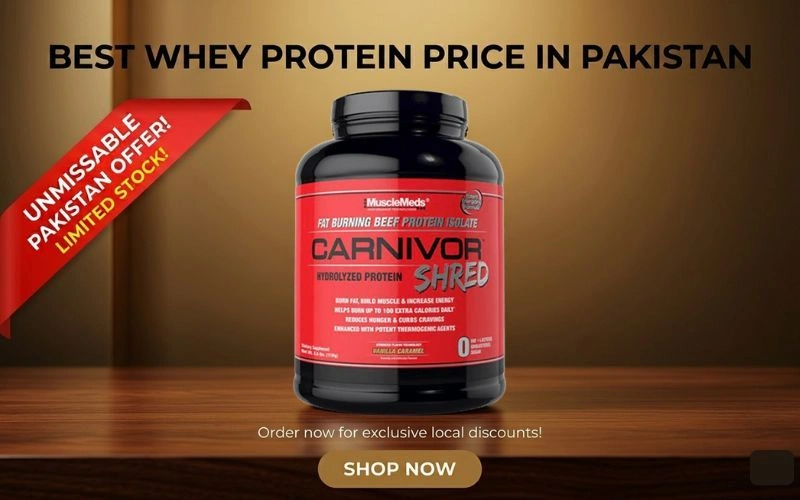
Top Whey Protein Brands in Pakistan
There isn’t one universal “best” whey — there’s a best whey for your goal and budget. Here’s how the major players stack up.
Optimum Nutrition Gold Standard 100% Whey — Best Overall
ON Gold Standard has been the default recommendation in Pakistan’s gym community for years, and for good reason: roughly 24g of protein per scoop, a blend that mixes cleanly in water or milk, and consistent quality control across batches. It costs more than local concentrates, but for most beginners and intermediate lifters it’s the safest first purchase — our dedicated ON Gold Standard beginner guide covers dosing specifics if this is your first tub.
Dymatize ISO100 — Best Isolate for Cutting
ISO100 is a hydrolysed whey isolate — roughly 25g of protein per serving with minimal fat, carbs, and lactose. It’s the pick for anyone cutting body fat, training in Pakistan’s summer heat, or sensitive to dairy. It’s also the most expensive tub on this list, so check when it’s actually worth the premium before buying the 5lb size.
MuscleTech NitroTech — Best for Strength-Focused Training
NitroTech Whey Gold blends whey isolate and peptides at around 24g protein per scoop, and the Performance Series variant adds creatine to the formula. It sits close to ON Gold Standard on price and positioning — this brand-vs-brand comparison is useful if you’re deciding between the two.
Applied Nutrition Critical Whey & ISO XP — Best Mid-Range
Applied Nutrition’s Critical Whey (a concentrate blend) and ISO XP (a cleaner isolate) sit in the mid-range price bracket while still delivering 25–26g of protein per serving. UK-sourced and grass-fed, which appeals to buyers who want a step up from budget concentrates without paying isolate-premium prices.
Sanaxium Nutrition Gold Whey & Gold ISO — Best Value
Sanaxium Nutrition’s Gold Whey (concentrate) and Gold ISO (isolate) are priced below most imported brands while still delivering a full protein and BCAA profile. As a newer homegrown line it doesn’t carry the same brand recognition as ON or Dymatize yet, so buy only through a verified retailer like Sports One International to guarantee authenticity.
ProScience Nutra & Rule 1 — Alternative Options
ProScience Nutra Whey is a straightforward concentrate that undercuts most imported 5lb tubs on price. Rule 1 Whey Isolate blends isolate and hydrolysate for a faster-absorbing option if you want variety beyond the “big three” imported brands.
Best Whey Protein in Pakistan by Goal
- Overall / first-time buyer: ON Gold Standard 100% Whey
- Muscle gain / bulking: MuscleTech NitroTech Performance Series (blend + creatine)
- Cutting / lower calories: Dymatize ISO100 or Applied Nutrition ISO XP
- Lactose-sensitive: Any isolate — Dymatize ISO100, Applied ISO XP, or Sanaxium Gold ISO
- Tight budget: Sanaxium Nutrition Gold Whey or ProScience Nutra Whey
- Beginners on a training routine: ON Gold Standard 2lb — see our whey protein for beginners guide for exact scoop sizing
Whey Concentrate vs Isolate vs Hydrolysate
Every product on this page falls into one of three categories, and the difference matters more than the brand name.
- Whey Protein Concentrate (WPC): 70–80% protein, retains more natural fat and lactose, generally the most affordable. Good for most beginners with no digestive sensitivity.
- Whey Protein Isolate (WPI): 90%+ protein, minimal fat and lactose, more processed and pricier. Best for cutting, lactose sensitivity, or hot-weather training.
- Whey Protein Hydrolysate (WPH): Pre-digested for the fastest absorption, used in products like Dymatize ISO100. Best when recovery speed matters most, e.g. same-day double training sessions.
For a deeper side-by-side including digestion and pricing per gram, see our whey isolate vs concentrate price and performance guide.
How to Choose Whey Protein in Pakistan
Work through these four questions in order:
- What’s your goal? Muscle gain leans toward a blend with more calories; cutting leans toward a lean isolate.
- Any lactose sensitivity? If yes, skip concentrates entirely and go straight to an isolate or hydrolysate.
- What’s your budget per serving, not per tub? A cheaper small tub can cost more per gram of protein than a larger one — always check price per serving.
- Are you buying from an authorised seller? This determines whether the answer to every question above is even reliable. See the authenticity checklist below.
Whey Protein Price in Pakistan — What Actually Drives the Cost
This is the part most comparison articles skip, and it’s the part that actually explains the price table above. Whey protein pricing in Pakistan isn’t just “imported = expensive, local = cheap.” Three separate factors stack on top of each other, and understanding them tells you whether a price is fair or a red flag.
Protein form is the biggest driver. Concentrates like Applied Critical Whey or Sanaxium Gold Whey sit around Rs. 15,900–20,500 for a 1–2kg tub because the filtration process is simpler. Isolates jump to Rs. 20,600–32,500 for a similar tub size because a second micro-filtration step strips out fat and lactose, which costs more to produce. Hydrolysed isolates like Dymatize ISO100 sit highest — Rs. 18,500 for the smallest 1.45lb size — because the protein is enzymatically pre-broken-down before packaging.
Pack size changes your cost per serving more than it changes the sticker price suggests. ON Gold Standard’s 2lb tub at Rs. 20,500 works out to roughly Rs. 700–750 per serving; the 5lb tub at Rs. 42,500 brings that down to around Rs. 600 per serving. If you train consistently and know you’ll finish the tub within its shelf life, the larger size is almost always the better per-serving deal — this is the single most overlooked lever for cutting your monthly supplement cost.
Import channel is the factor buyers miss most. A 5lb tub of a premium imported isolate priced dramatically below the Rs. 25,000–48,500 range you’d expect isn’t a deal — it’s the clearest single warning sign of a counterfeit or grey-market product, since authorised importers in Pakistan pay duty and exchange-rate costs that a genuine tub can’t undercut by half. Buying through an authorised, Halal-certified distributor like Sports One International removes that risk entirely, since every product listed above is sourced through official import channels rather than grey-market resale.
How to Check if Whey Protein Is Original in Pakistan
Counterfeit and re-filled tubs are a documented problem in Pakistan’s grey market. Check these before or immediately after purchase:
- Importer sticker: every legally imported tub must carry an importer sticker with name, address, and contact details. An absent or poorly printed sticker is the first red flag.
- Brand verification code: MuscleTech uses a scratch-off authentication code; Optimum Nutrition uses a QR code linking to their verification portal. Always check it before consuming — here’s how to verify a MuscleTech tub specifically.
- Seal and lid: the inner foil seal should be fully intact and flush with the rim. A warped, torn, or missing seal on a “new” tub suggests tampering or re-filling.
- Batch number and expiry: should be clearly embossed or printed and match manufacturer records. If it’s stickered over or smudged, don’t buy it.
- Price sanity check: an imported isolate priced far below the ranges in the table above is the single strongest counterfeit signal — see our full guide on spotting counterfeit imported supplements.
- Buy from an authorised distributor: Sports One International is a Halal-certified, authorised distributor for every brand listed on this page.
How Much Whey Protein Should Beginners Take?
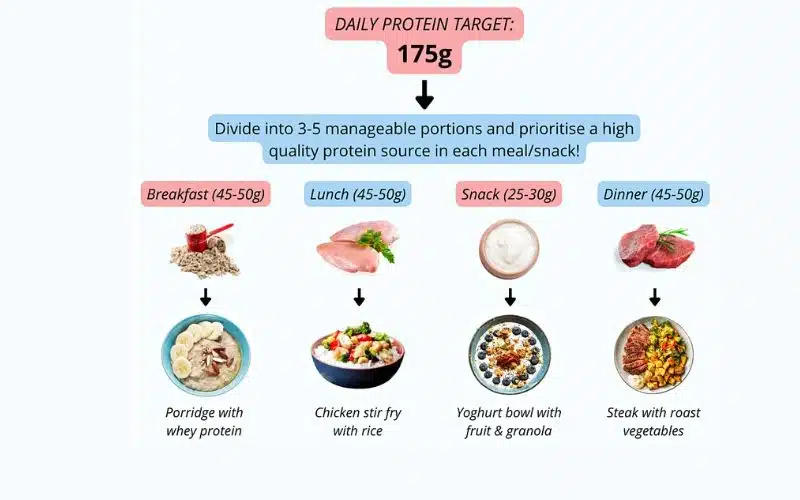
One scoop (roughly 25–30g, delivering 20–25g of protein) once a day is enough for most beginners — whey should close the gap between what you eat and your daily protein target, not replace meals entirely. If you’re unsure how much you need, work it out from bodyweight first: 0.8–1.2g of protein per kg of bodyweight per day is the standard beginner range, and whey typically covers one serving of that total.
When Should You Take Whey Protein?
Timing matters less than total daily intake, but post-workout is still the most practical slot since it’s easy to remember and supports recovery. A shake with water or milk within an hour or two of training works well for most people; taking it at night before bed is also fine if that’s when your protein target is short for the day.
Whey Protein vs Whole Foods
Whey isn’t a replacement for eggs, chicken, milk, or lentils — it’s a convenience tool for when meals fall short. A typical desi diet of roti, rice, and daal is often carbohydrate-heavy and light on complete protein, which is exactly the gap a single scoop is designed to fill. Whole foods should still make up the bulk of your daily protein.
Frequently Asked Questions
What is the best whey protein in Pakistan for beginners?
Optimum Nutrition Gold Standard 100% Whey is the safest first purchase for beginners — it’s widely available, mixes cleanly, and its 2lb tub is priced around Rs. 20,500, giving you time to build a habit before committing to a larger size.
Is whey isolate better than whey concentrate?
Not universally “better” — isolate has less lactose and fat and suits cutting or lactose sensitivity, but concentrate is cheaper and works fine for most beginners with no digestive issues. Choose based on your goal and budget, not the higher price tag.
How much does whey protein cost in Pakistan?
Budget concentrates start around Rs. 14,900–20,500 for a 1–2kg tub, mid-range blends run Rs. 20,000–26,000, and premium isolates or hydrolysed isolates range from roughly Rs. 18,500 up to Rs. 53,500 for a 5lb tub, depending on brand and pack size.
How can I check if whey protein is original in Pakistan?
Check the importer sticker, brand verification code (QR or scratch-off), an intact inner foil seal, and a clear batch/expiry date, then buy only from an authorised, Halal-certified distributor rather than an unverified reseller.
Can beginners take whey protein without a trainer?
Yes. Whey protein is a food-derived dietary supplement, not a drug or hormone. A standard serving of 25–30g once daily, either post-workout or as a meal top-up, is safe and effective for beginners training on their own.
About author

Related posts
If you are searching for how to boost testosterone naturally, the honest answer is that food, lifting, sleep and body composition do most of the... Continue reading
Walk into any gym in Lahore, Karachi, or Islamabad before 6 p.m. and you’ll spot two camps: the ones sipping black coffee from a flask,... Continue reading
If you’ve stood in a supplement store or scrolled SportsOne’s shop wondering whether to buy BCAA, whey protein, or both, you’re not alone. It’s one... Continue reading
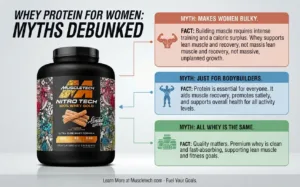
Ask a Pakistani woman why she avoids protein shakes. One fear comes up almost every time: “Won’t it make me look like a bodybuilder?” This... Continue reading
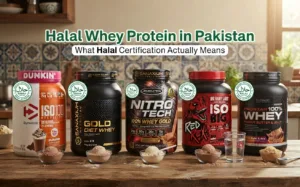
If you’ve ever stood in front of a supplement shelf and wondered, “Is whey protein halal?” you’re not alone. This question concerns many Pakistani gym-goers... Continue reading
Add comment