
No products in the cart.
Return To Shop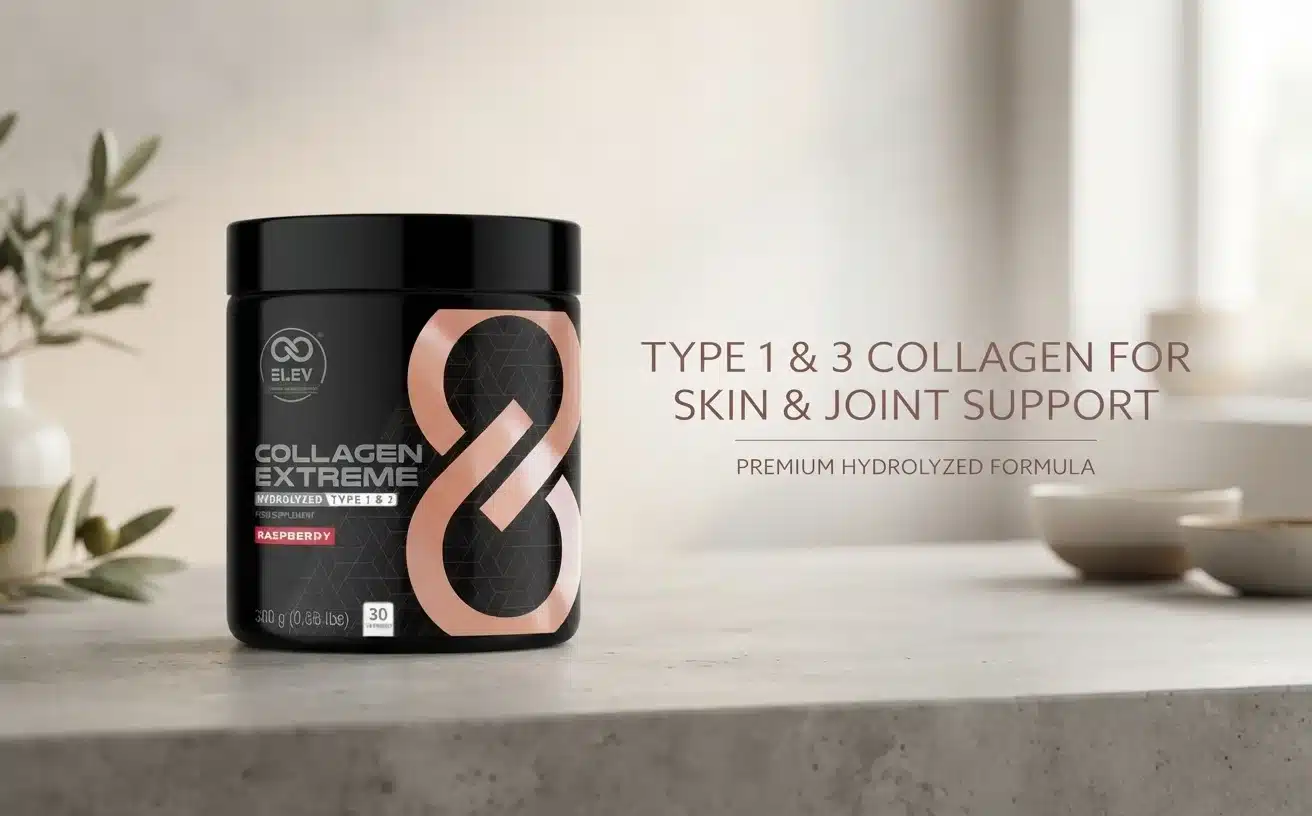
What Is Collagen and Why Does Your Body Need It?
If you’ve scrolled through skincare ads or supplement shelves lately, you’ve probably seen the word “collagen” everywhere. But what actually is it, and why has it become one of the most searched wellness terms in Pakistan? This guide breaks down what collagen is, how it works inside your body, and what to expect when you check the collagen price in Pakistan before buying a supplement.
What Is Collagen?
Collagen is the most abundant protein in the human body, making up roughly 30% of your total protein content. Think of it as the structural “glue” that holds your skin, bones, muscles, tendons, and ligaments together. It’s made up of amino acids mainly glycine, proline, and hydroxyproline arranged in a tight triple-helix structure that gives tissues their strength and elasticity.
Your body produces collagen naturally, but that production slows down significantly after your mid-20s. This is why fine lines, joint stiffness, and slower muscle recovery start appearing earlier for some people than others.

The Main Types of Collagen
There are at least 28 known types of collagen, but four matter most for everyday health:
- Type I – Found in skin, bones, and tendons; the most common type used in beauty supplements.
- Type II – Found in cartilage; important for joint health.
- Type III – Supports skin elasticity and works alongside Type I.
- Type V – Found in hair, placenta, and cell surfaces.
Most supplements, including hydrolyzed collagen and marine collagen, are broken down into smaller peptides so your body can absorb them more efficiently than whole collagen protein.
Why Does Your Body Need Collagen?
1. Skin health: Collagen keeps skin firm, hydrated, and elastic. As levels drop, skin becomes thinner and more prone to wrinkles. Our detailed breakdown of hydrolyzed collagen results and skin benefits explains how long it actually takes to see a visible difference.
2. Joint and bone support: Collagen cushions joints and supports cartilage. People dealing with stiffness often pair it with natural joint pain supplements in Pakistan for added relief.
3. Gut health: Collagen’s amino acid profile can help support the gut lining. If you’re comparing options, this piece on glutamine or collagen for gut health support is worth a read.
4. Hair, nails, and recovery: Many users combine collagen with a hair, skin & nails formula for a more complete beauty-from-within routine.
5. Muscle and connective tissue repair: Athletes often time their collagen intake carefully. Our guide on the best time to take collagen for sleep and joint repair covers this in detail.
Signs Your Body May Need More Collagen
- Skin that feels less firm or more crepey
- Joint stiffness, especially after exercise
- Slower wound healing
- Brittle nails or thinning hair
- Reduced muscle recovery after training
Natural Food Sources vs. Cooking Losses
Bone broth, chicken skin, fish, and egg whites are common natural collagen sources. But cooking method matters. Many people don’t realize that prolonged high heat can break down collagen structure before it even reaches your plate. If you’re curious how your cooking habits affect intake, read Does cooking destroy collagen for the full explanation.
Since food alone often isn’t enough to offset age-related decline, many people turn to supplementation instead, usually in powder, capsule, or peptide form.
Collagen Supplements: Powder, Peptides, and Marine Collagen
There are three common forms available on the market:
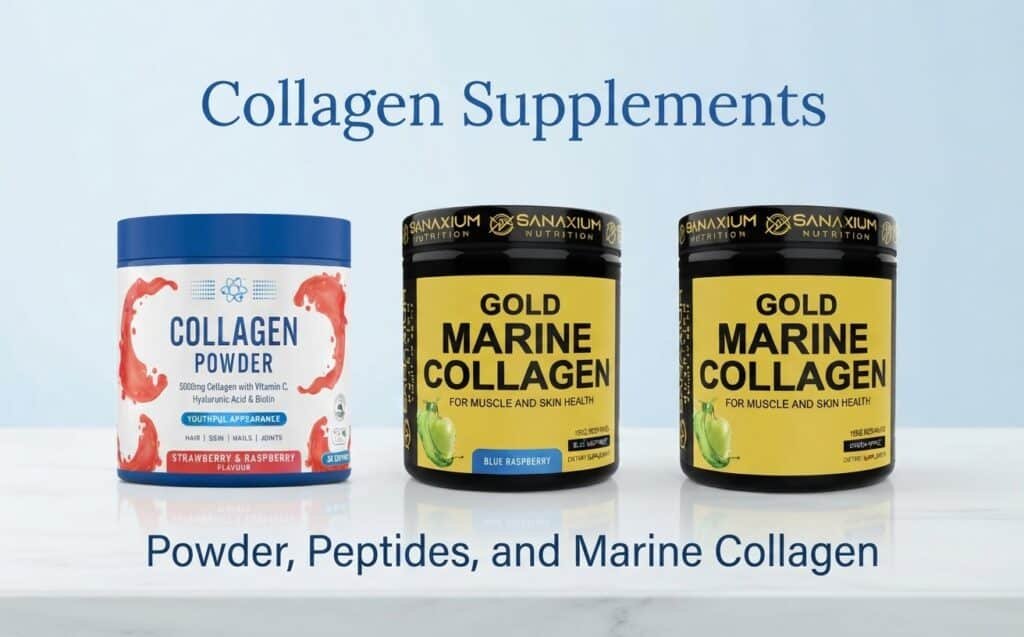
- Collagen powder – Mixes easily into drinks or smoothies, like this flavoured collagen powder (165g).
- Collagen peptides – Hydrolyzed for faster absorption, such as Applied Nutrition Collagen Peptide (300g) or Sanaxium Nutrition Gold Collagen Peptide (150g).
- Marine collagen – Sourced from fish, often considered more bioavailable, including options like Sanaxium Nutrition Gold Marine Collagen (150g) and Elev Collagen Extreme (300g).
Collagen Price in Pakistan
The collagen price in Pakistan varies depending on the type (bovine vs. marine), serving size, and whether the formula includes extras like vitamin C or biotin for enhanced absorption. Since vitamin C plays a direct role in collagen synthesis, it’s worth pairing your routine with a source like our guide on vitamin C for skin in Pakistan.
For a full breakdown of current pricing across brands and formats, check our dedicated guide: collagen supplements in Pakistan. You can also browse the complete range directly on our shop page.
How to Choose the Right Collagen Supplement
- Check the source – Marine collagen tends to absorb faster than bovine.
- Look for hydrolyzed peptides – Easier for your body to break down and use.
- Check added ingredients – Vitamin C, biotin, or hyaluronic acid can boost results.
- Match it to your goal – Skin-focused vs. joint-focused formulas differ slightly in composition.
- Compare collagen price in Pakistan across brands before committing to a monthly routine.
Final Thoughts
Collagen isn’t just another supplement trend, it’s a protein your body genuinely relies on for skin elasticity, joint comfort, and overall structural health. As natural production slows with age, supporting it through diet and quality supplements becomes increasingly important. Whether you’re just starting to research collagen prices in Pakistan or ready to pick a product, understanding what collagen actually does is the first step to using it effectively.
Frequently Asked Questions
Is collagen the same as protein?
Collagen is technically a protein the most abundant one in the human body. However, it differs structurally from whey or plant protein, since it’s made mostly of glycine, proline, and hydroxyproline, and it targets skin, joints, and connective tissue rather than muscle growth alone.
At what age should I start taking collagen?
Natural collagen production begins declining around age 25, dropping roughly 1% per year. Most nutritionists suggest starting a collagen supplement in your late 20s or early 30s, especially if you notice skin dullness, joint stiffness, or slower recovery after workouts.
What is the average collagen price in Pakistan?
Collagen supplement prices in Pakistan vary by type and brand, ranging from budget hydrolyzed powders to premium marine collagen peptides. Factors like source (bovine vs marine), serving size, and added ingredients like vitamin C or biotin affect the final cost.
Can vegetarians take collagen supplements?
Most collagen supplements are derived from bovine, porcine, or marine sources, so they aren’t vegetarian or vegan. Vegetarians can instead support their body’s natural collagen synthesis with vitamin C, zinc, copper, and amino-acid-rich foods like lentils and soy.
How long does it take to see results from collagen?
Most people notice improvements in skin hydration and elasticity within 8 to 12 weeks of consistent daily use. Joint comfort and hair or nail strength may take a similar or slightly longer period, depending on dosage, collagen type, and individual absorption

About author

Related posts

If you are searching for how to boost testosterone naturally, the honest answer is that food, lifting, sleep and body composition do most of the... Continue reading

Walk into any gym in Lahore, Karachi, or Islamabad before 6 p.m. and you’ll spot two camps: the ones sipping black coffee from a flask,... Continue reading
If you’ve stood in a supplement store or scrolled SportsOne’s shop wondering whether to buy BCAA, whey protein, or both, you’re not alone. It’s one... Continue reading
Ask a Pakistani woman why she avoids protein shakes. One fear comes up almost every time: “Won’t it make me look like a bodybuilder?” This... Continue reading
If you’ve ever stood in front of a supplement shelf and wondered, “Is whey protein halal?” you’re not alone. This question concerns many Pakistani gym-goers... Continue reading
Add comment