
No products in the cart.
Return To Shop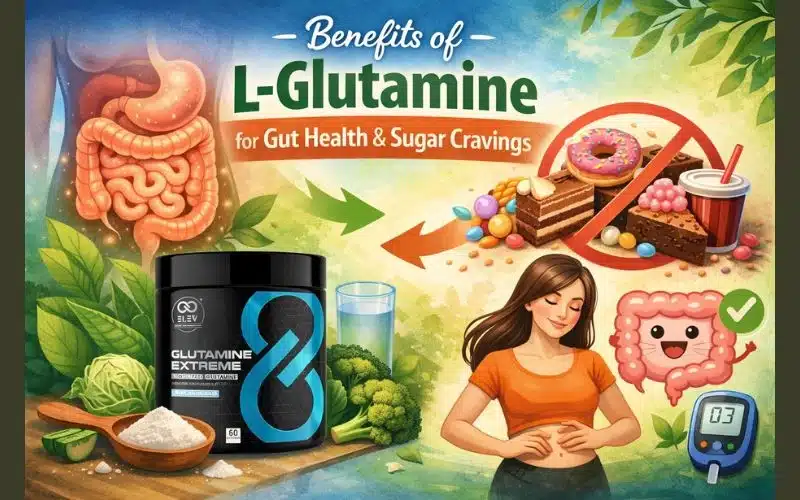
Benefits of L-Glutamine for Gut Health and Sugar Cravings
Most people associate amino acid supplements with muscle recovery or post-workout nutrition, and while those applications are well-established, there is a quieter but equally compelling conversation happening around what L-glutamine does inside the digestive system. The benefits of L-glutamine for gut health and sugar cravings are real, backed by solid physiological reasoning, and increasingly relevant for anyone dealing with bloating, irregular digestion, energy crashes after meals, or the frustrating cycle of sweet food cravings that seem impossible to break.
What L-Glutamine Actually Is and Why It Matters
L-glutamine is classified as a conditionally essential amino acid, meaning the body can produce it on its own under normal circumstances, but production often falls short during periods of stress, illness, intense exercise, or poor dietary intake. It is the most abundant amino acid in the bloodstream and plays a central role in maintaining the integrity of the intestinal lining, supporting immune function, and serving as a preferred fuel source for rapidly dividing cells , including the enterocytes that line the small intestine.
- L-glutamine accounts for more than 30 percent of the nitrogen transported in the blood
- The intestinal tract consumes more glutamine than any other organ in the body
- During physiological stress such as intense training or illness, plasma glutamine drops significantly
- A depleted glutamine pool directly impairs gut barrier function and immune response

The Gut Lining Connection:Leaky Gut and Intestinal Barrier Integrity
One of the most clinically discussed applications of L-glutamine is its role in supporting the tight junctions of the intestinal wall. The intestinal lining is a single-cell-thick barrier that controls what passes from the gut into the bloodstream. When this barrier is compromised , a condition often referred to as increased intestinal permeability or leaky gut , partially digested food particles, toxins, and bacteria can cross into circulation and trigger a systemic inflammatory response.
Glutamine is the primary fuel for the epithelial cells that form and maintain these tight junctions. Without adequate glutamine, cell turnover in the gut lining slows down, junctions weaken, and permeability increases. Supplementing with L-glutamine provides the direct fuel these cells need to repair, regenerate, and maintain structural integrity. Research exploring whether glutamine is good for leaky gut and digestion consistently highlights this mechanism as the primary pathway through which glutamine supports gut health.
How Gut Health and Sugar Cravings Are More Connected Than Most Realise
The link between gut health and sugar cravings is not intuitive at first, but the physiology makes it very clear. A compromised gut lining leads to poor nutrient absorption, which means the body extracts less energy and fewer micronutrients from the food it consumes. The result is that even after eating a full meal, the brain receives signals of nutritional incompleteness and it responds by triggering cravings, particularly for fast-energy foods like sugar and refined carbohydrates.
Additionally, the gut microbiome plays a direct role in craving regulation. Certain bacteria in the gut thrive on sugar and actively produce compounds that signal the brain to consume more of it. When the gut lining is compromised and inflammation is elevated, these sugar-dependent bacterial populations tend to dominate. Restoring gut barrier integrity through L-glutamine supplementation creates a more favourable environment for a balanced microbiome, which over time reduces the frequency and intensity of sugar cravings.
- A leaky gut impairs serotonin production , 90 percent of serotonin is made in the gut, affecting mood and cravings
- Poor nutrient absorption from a damaged gut lining triggers compensatory hunger and sweet food seeking
- L-glutamine reduces intestinal inflammation, which supports a more balanced and diverse gut microbiome
- Stabilising the gut environment helps regulate appetite hormones including ghrelin and leptin
L-Glutamine and Blood Sugar Stabilisation
Beyond its structural role in the gut, L-glutamine has a direct effect on blood sugar regulation that contributes to craving reduction from a completely different angle. Glutamine can be converted to glucose in the liver through a process called gluconeogenesis, providing a slow, stable source of blood glucose during periods of low carbohydrate availability. This prevents the sharp drops in blood sugar that trigger intense cravings for fast-acting carbohydrates.
For someone following a reduced-carbohydrate diet or practising intermittent fasting, L-glutamine supplementation can meaningfully reduce the cravings and energy dips that make those dietary approaches difficult to sustain. Rather than reaching for something sweet when energy drops, the body draws on glutamine-derived glucose to maintain a more even energy baseline. This is a practical benefit that goes beyond gut health into everyday dietary adherence.
The Role of L-Glutamine in Reducing Inflammation Along the Gut
Chronic low-grade inflammation in the gut is one of the most underappreciated drivers of digestive discomfort, poor energy, and food cravings. It does not always present as obvious pain or digestive distress , it often manifests as bloating after meals, irregular bowel habits, brain fog, or a general sense of fatigue that is hard to attribute to any single cause.
L-glutamine modulates the activity of nuclear factor kappa B, a key regulator of inflammatory gene expression in intestinal cells. By suppressing excessive NF-κB activation, glutamine reduces the production of pro-inflammatory cytokines that damage the gut lining and disrupt normal digestive function. The relationship between glutamine and gut health support has been studied alongside collagen, another structural protein that supports the connective tissue of the digestive tract, with both showing complementary benefits for reducing gut inflammation.
Practical Dosing , How Much L-Glutamine to Take for Gut and Craving Benefits
Getting the dose right is where most people either undershoot the therapeutic range or are unsure where to start.
- For general gut maintenance and mild craving support: 5 grams per day, taken on an empty stomach
- For leaky gut, intestinal permeability, or significant craving issues: 10 to 15 grams per day, split across two to three doses
- Timing: first thing in the morning on an empty stomach maximises uptake by intestinal cells before food competes for absorption
- Duration: meaningful changes in gut barrier function typically take four to eight weeks of consistent supplementation
Those using L-glutamine alongside a broader nutrition supplements routine should note that glutamine is compatible with protein powders, creatine, and most vitamin and mineral supplements without interaction concerns.
L-Glutamine for Athletes:Gut Health Under Training Stress
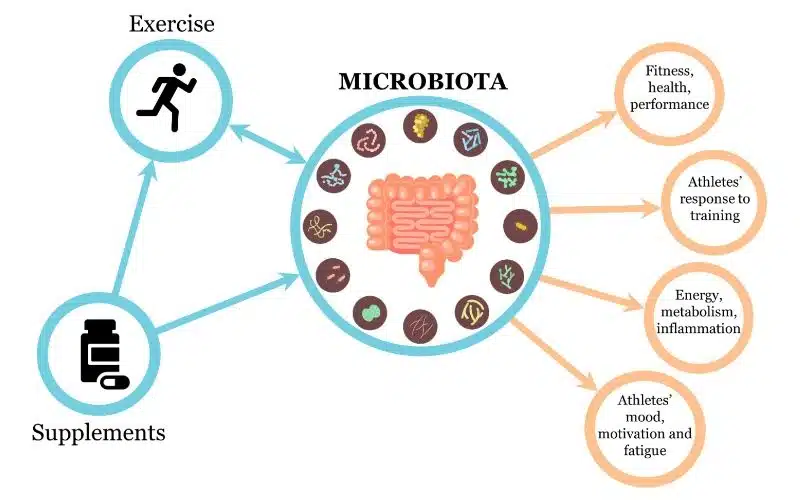
Intense and prolonged exercise is one of the most reliable ways to deplete circulating glutamine and compromise gut barrier function simultaneously. During hard training sessions, blood flow is redirected away from the digestive system toward working muscles, and the intestinal lining experiences both mechanical stress and reduced fuel availability. This is why many endurance athletes and heavy training gym-goers experience digestive discomfort, nausea, or food intolerances that they did not have before beginning high-volume training.
What glutamine is and how it works in an exercise context explains why supplementation is particularly valuable for this population. Replenishing glutamine after training not only supports muscle recovery but also restores the gut lining’s ability to absorb nutrients , including the protein and carbohydrates needed for that same recovery.
Food Sources of Glutamine Versus Supplementation
L-glutamine is found naturally in many protein-rich foods, and for people with generally good gut health and moderate training demands, dietary sources may provide sufficient amounts. Animal proteins are the richest sources , beef, chicken, eggs, and dairy all contain meaningful glutamine quantities.
- Beef: approximately 1.2 grams of glutamine per 100 grams
- Chicken: approximately 0.9 grams per 100 grams
- Eggs: approximately 0.6 grams per egg
- Cottage cheese and dairy: moderate glutamine with good bioavailability
- Plant sources such as raw spinach, cabbage and legumes: present but lower in concentration
The challenge is that cooking partially degrades glutamine, reducing the amount available from food sources. This is where supplementation becomes genuinely useful , not as a replacement for a quality diet but as a reliable way to ensure consistent delivery, particularly for people with active gut repair needs, high training volumes, or dietary patterns that do not include abundant animal protein.
Who Benefits Most from L-Glutamine Supplementation
Not everyone needs to supplement with L-glutamine, but certain situations create a clear and practical case for it.
People recovering from illness, surgery, or intense dieting phases are often in a state of glutamine depletion where the body’s own production genuinely cannot keep pace with demand. Those with diagnosed or suspected intestinal permeability, irritable bowel symptoms, or chronic bloating and discomfort are strong candidates. Athletes in high-volume training blocks who notice increased digestive sensitivity or food intolerances during heavy training periods should also consider it. And anyone who experiences consistent, difficult-to-resist sugar cravings , particularly in the afternoon or after meals , and suspects a gut health component may find that L-glutamine addresses the root of the problem rather than just the symptom.The benefits of food supplements extend well beyond muscle and performance, and L-glutamine is one of the clearest examples of a supplement that serves both athletic and general wellness goals simultaneously. For a gut that absorbs nutrients properly, manages inflammation effectively, and supports a stable internal environment, consistent L-glutamine intake is one of the most direct interventions available , and one whose benefits compound meaningfully over time.
Related posts
Most people who train seriously know that protein matters for muscle growth, but the conversation gets far more interesting when you zoom in on one... Continue reading
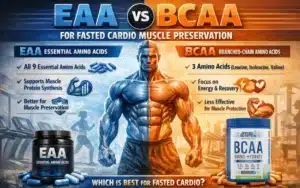
Fast cardio has a loyal following among fat-loss enthusiasts, and for good reason , training on an empty stomach pushes the body to tap into... Continue reading

Lahore is the food capital of Pakistan. From weekend breakfast Halwa Puri and Channa in Anarkali to late-night Karahi and Naan in Lakshmi Chowk, our... Continue reading

Starting your fitness journey is an exciting milestone. Whether you are hitting a local gym in Gulberg, DHA, or Johar Town, the goal is always... Continue reading

If you’ve ever looked in the mirror and felt like you’re somehow both too thin and carrying too much fat you’re not imagining it. The... Continue reading
Add comment