
No products in the cart.
Return To Shop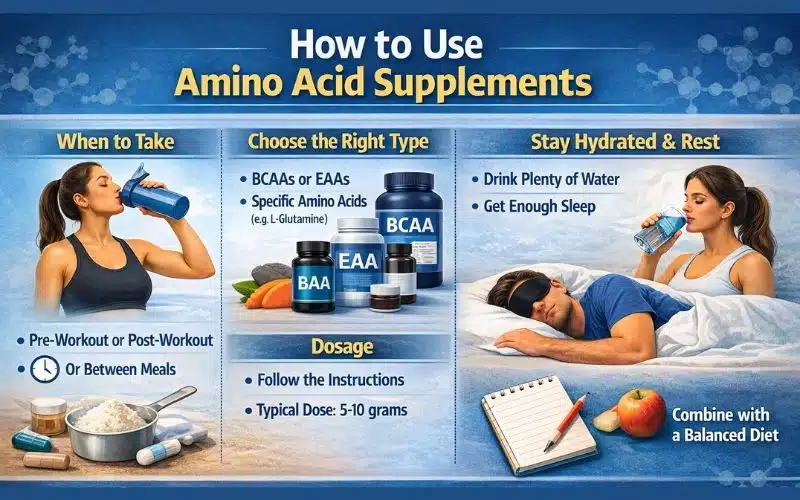
How to Use Amino Acid Supplements: Complete Guide for Optimal Results
Amino acids are the building blocks of protein and play a critical role in muscle repair, recovery, energy production, and overall metabolic health. While many people get amino acids from food, supplements offer a convenient and fast-absorbing option especially for athletes, gym-goers, and those with increased nutritional demands.
This guide explains how to use amino acid supplements correctly, including types, timing, dosage, benefits, and common mistakes so you can maximize results safely and effectively.
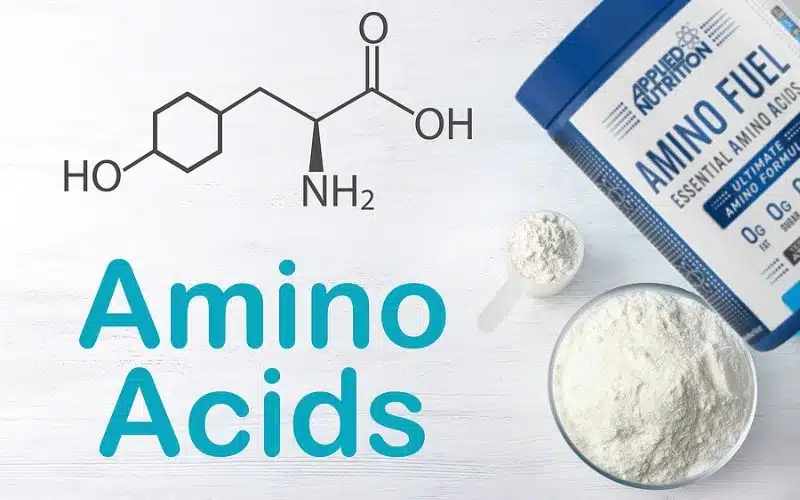
What Are Amino Acids?
Amino acids are organic compounds that combine to form proteins. They support muscle tissue, enzymes, hormones, immune function, and energy metabolism.
Types of Amino Acids
Essential, non-essential, and conditionally essential amino acids support overall body function.
Essential Amino Acids (EAAs):
The body cannot produce essential amino acids on its own, so they must come from protein-rich foods or dietary supplements. EAAs are crucial for muscle protein synthesis, tissue repair, hormone production, and maintaining overall metabolic health.
Non-Essential Amino Acids:
These amino acids are naturally produced by the body using other amino acids and nutrients. They support daily physiological functions such as energy production, immune system support, and proper neurotransmitter activity.
Conditionally Essential Amino Acids:
During periods of physical stress, illness, injury, or intense training, the body’s ability to produce certain amino acids may be insufficient. In these situations, additional intake through diet or supplementation helps preserve muscle mass, enhance recovery, and support overall health and performance.
How to Use Amino Acid Supplements Safely.

Using amino acid supplements correctly is more important than simply consuming higher doses.
General Usage Guidelines
- Follow label-recommended dosage:
Always use amino acid supplements according to the manufacturer’s recommended serving size. Excess intake does not improve results and may place unnecessary stress on the body. - Stay hydrated throughout the day:
Proper hydration supports amino acid absorption, muscle function, and recovery. Drinking enough water helps transport nutrients efficiently and prevents dehydration during training. - Use consistently rather than sporadically:
Regular, consistent use supports ongoing muscle repair, recovery, and metabolic processes. Inconsistent intake may limit the long-term benefits of amino acid supplementation. - Do not replace whole foods entirely:
Amino acid supplements should complement a balanced diet, not replace whole foods. Natural protein sources provide additional nutrients that supplements alone cannot fully deliver.
Who Can Benefit Most?
- Athletes and gym-goers:
Amino acids support muscle recovery, endurance, and performance during intense or frequent training sessions. - People training in calorie deficits:
They help preserve lean muscle mass when calories are reduced, supporting metabolism and fat-loss goals. - Older adults with muscle loss risk:
Amino acids assist in maintaining muscle strength, mobility, and overall physical function as age-related muscle decline occurs. - Individuals with low protein intake:
Supplementation helps fill nutritional gaps when dietary protein consumption is insufficient due to lifestyle, appetite, or dietary restrictions.
Safety Considerations
Amino acid supplements are generally safe for healthy adults. However, people with kidney disease, liver disorders, or those on medication should consult a healthcare professional before use.
Types of Amino Acid Supplements
Different amino acid supplements are designed to support specific fitness and recovery goals:
BCAAs (Branched-Chain Amino Acids)
- Support endurance and help preserve muscle during workouts
- Reduce workout-related muscle breakdown, especially during intense or prolonged training sessions
EAAs (Essential Amino Acids)
- Provide complete muscle-building support by supplying all essential amino acids
- More effective for lean muscle growth, repair, and overall protein synthesis
Individual Amino Acids
- Examples include Glutamine, Arginine, and Tryptophan
- Target specific needs such as recovery, blood flow, sleep quality, or stress management
Forms Available
- Powders: Fast absorption and flexible dosing
- Capsules or tablets: Convenient and easy to carry
- Liquid formulas: Quick digestion and rapid nutrient delivery
When to Take Amino Acid Supplements

Timing plays a crucial role in maximizing the effectiveness of amino acid supplements:
Before Workout
- Supports energy levels and workout endurance
- Helps reduce muscle breakdown during training
During Workout
- Helps sustain performance and delay fatigue
- Especially useful for long, high-intensity, or endurance-based sessions
After Workout
- Supports muscle recovery and tissue repair
- Helps reduce post-exercise soreness and recovery time
Between Meals or During Fasting
- Helps preserve lean muscle mass during calorie restriction
- Provides essential nutrients without heavy digestion or excess calories
How to Maximize Results With Proper Timing & Dosage
For strength training, taking EAAs before or after workouts helps stimulate muscle protein synthesis and supports muscle repair. During endurance training, BCAAs consumed during workouts can reduce muscle breakdown and sustain performance. In fat-loss phases, EAAs between meals help preserve lean muscle mass, while a recovery-focused approach benefits from glutamine post-workout to support muscle repair, immune function, and gut health. Consistency and proper timing matter more than excess intake, as regular, well-timed supplementation delivers better results than high doses taken inconsistently.
Amino Acid Supplements Can Help You Reach Fitness Goals
Amino acid supplementation can support multiple fitness objectives, including muscle growth and repair, reduced muscle soreness, improved workout performance, and faster recovery between training sessions. They are especially valuable during calorie restriction, where preserving lean muscle mass becomes more challenging. When used consistently alongside a balanced, protein-rich diet and a structured training plan, amino acid supplements can enhance overall performance, recovery efficiency, and long-term fitness progress.
Amino Acids vs Other Supplements
Amino Acids vs Other Supplements: Amino acids offer fast absorption and targeted support, while other supplements provide broader or slower-acting nutritional benefits.
Amino Acids vs Protein Powder
- Amino acids absorb faster
- Protein provides sustained nutrition
- Both can complement each other
Amino Acids vs Creatine
- Amino acids aid recovery and muscle preservation
- Creatine improves strength and power
- Often stacked together safely
Common Mistakes to Avoid
- Overdosing without benefit
- Replacing meals entirely with supplements
- Ignoring hydration and electrolytes
- Expecting instant results without consistency
FAQs – How to Use Amino Acid Supplements
Are amino acid supplements better than protein?
Amino acid supplements absorb faster and deliver targeted benefits such as muscle preservation, endurance, and recovery. Protein powders digest more slowly and provide complete nutrition. Both serve different purposes and work best when used together in a balanced fitness routine.
Can beginners use amino acid supplements?
Yes, beginners can safely use amino acid supplements to support muscle recovery, reduce workout-related soreness, and improve training consistency. They are especially helpful when workouts are new, intense, or dietary protein intake is not yet optimal.
Can amino acids be taken daily?
Yes, amino acids can be taken daily within recommended dosages. Consistent daily use supports muscle maintenance, recovery, and metabolic health, particularly during regular training schedules, calorie-restricted diets, or periods of increased physical stress.
Do amino acids help with weight loss?
Amino acids support weight loss indirectly by preserving lean muscle mass during calorie deficits. Maintaining muscle helps sustain metabolic rate, improves workout performance, and prevents muscle breakdown while dieting or following fat-loss programs.
Are amino acids safe for women?
Yes, amino acid supplements are safe for women when used appropriately. They support muscle tone, recovery, energy levels, and overall nutritional balance, making them suitable for fitness training, active lifestyles, and general wellness goals.
Final Thoughts
Understanding how to use amino acid supplements properly allows you to unlock their full potential. When used with correct timing, appropriate dosage, and a balanced diet, amino acids can significantly enhance performance, recovery, and overall fitness results.
For best outcomes, choose high-quality supplements, stay consistent, and align usage with your training goals. Learn how to use amino acid supplements effectively—shop trusted options from SportsOne to support your training, recovery, and performance goals.

About author

Related posts

If you are searching for how to boost testosterone naturally, the honest answer is that food, lifting, sleep and body composition do most of the... Continue reading

Walk into any gym in Lahore, Karachi, or Islamabad before 6 p.m. and you’ll spot two camps: the ones sipping black coffee from a flask,... Continue reading

If you’ve stood in a supplement store or scrolled SportsOne’s shop wondering whether to buy BCAA, whey protein, or both, you’re not alone. It’s one... Continue reading

Ask a Pakistani woman why she avoids protein shakes. One fear comes up almost every time: “Won’t it make me look like a bodybuilder?” This... Continue reading

If you’ve ever stood in front of a supplement shelf and wondered, “Is whey protein halal?” you’re not alone. This question concerns many Pakistani gym-goers... Continue reading
Add comment