
No products in the cart.
Return To Shop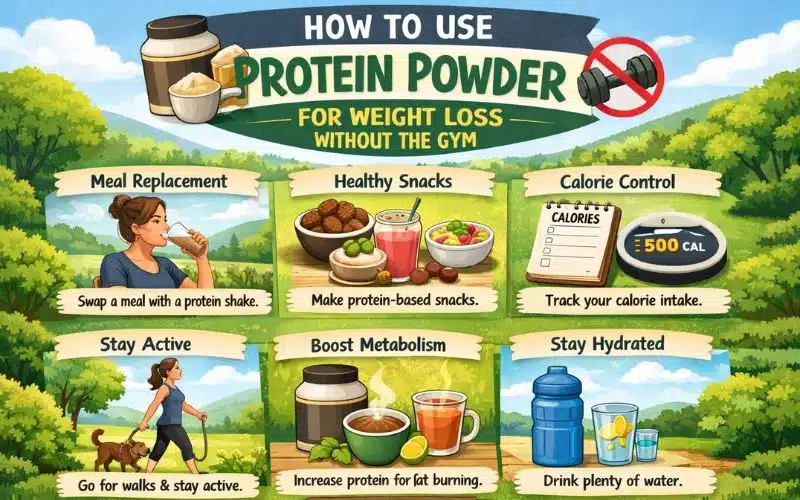
How to Use Protein Powder for Weight Loss Without Gym
Losing weight does not always require a gym membership or intense workouts. For many people with busy schedules, health limitations, or home-based lifestyles, nutrition plays a far more critical role than exercise alone. One common question that arises is how to use protein powder for weight loss without gym, and whether it is safe and effective.
Protein powder, when used correctly, can support fat loss, appetite control, and better dietary consistency even without exercise. This guide explains how to use it practically, safely, and realistically.
Understanding Protein Powder for Weight Loss
Protein powder is a concentrated source of dietary protein, commonly derived from milk (whey or casein) or plants (pea, soy, rice). Its primary benefit for weight loss is not fat burning, but helping you eat fewer calories overall while staying full.
Protein supports weight loss by:
- Increasing satiety and reducing hunger
- Preserving lean muscle during calorie deficits
- Stabilizing blood sugar levels
- Reducing cravings and mindless snacking
When gym workouts are absent, these nutritional effects become even more important.
Can We Take Protein Powder Without Workout?
Yes, protein powder can be taken without workout. The human body needs protein daily for tissue repair, hormone production, and immune function not only for muscle building.
Without exercise, protein powder does not automatically cause muscle gain or weight gain. Its impact depends entirely on total calorie intake and portion control. When used as part of a calorie-controlled diet, protein powder can support weight loss rather than hinder it.
Is Whey Protein Without Exercise Beneficial?
Whey protein without exercise can still be beneficial for weight loss and overall nutrition. It digests quickly, provides all essential amino acids, and helps manage hunger throughout the day. When physical activity is limited, protein plays a key role in appetite control and maintaining nutritional balance.
Whey protein is especially helpful for people who:
- Skip meals due to busy routines
- Tend to overeat during dinner
- Struggle with late-night cravings
In such cases, whey protein works as a nutritional anchor, helping stabilize calorie intake and preventing extreme hunger that often leads to overeating.
How to Use Protein Powder for Weight Loss Without Gym
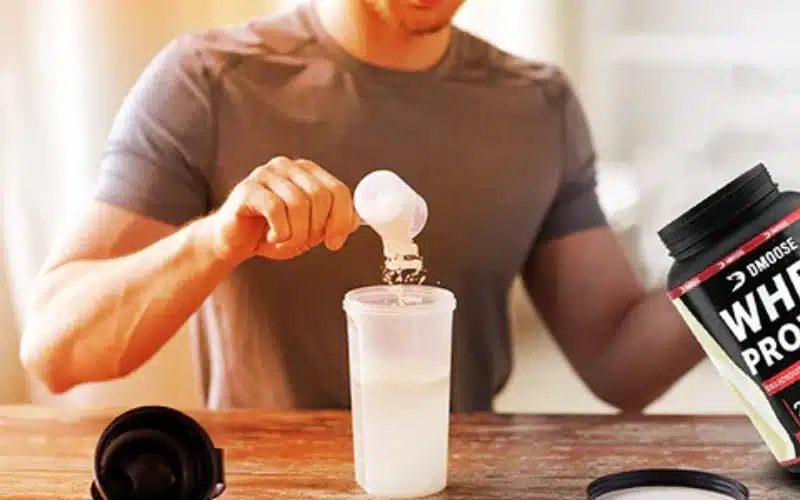
Use protein powder strategically to control hunger, support a calorie deficit, and promote healthy weight loss even without gym workouts.
Best Time to Take Protein Powder
There is no single “fat-burning” time to take protein powder, but certain timings are more effective for weight control.
- Morning: Helps reduce hunger later in the day and prevents overeating
- Mid-afternoon: Controls snacking and sugar cravings
- Evening: Helps manage late-night hunger and emotional eating
However, protein shakes should not be consumed mindlessly on top of heavy meals, as this can increase total calorie intake.
How Much Protein Powder Should You Take
For weight loss without exercise, moderation is key. In most cases, one scoop per day is sufficient, especially when protein intake from food is already adequate.
- Total daily protein intake should remain moderate
- Excess protein can slow weight loss if it pushes calories above daily needs
Protein powder should support meals and nutritional gaps, not replace every meal entirely.
Daily Protein Needs Without Exercise
Without regular workouts, protein requirements are lower than those of athletes, but they are still important for health and weight management. Sedentary individuals benefit most from spreading protein intake evenly across meals rather than consuming large amounts at once.
Key principles include:
- Maintaining moderate protein intake throughout the day
- Avoiding both protein deficiency and excessive intake
- Focusing on consistency instead of high doses
Protein powder simply makes meeting daily protein needs more convenient.
Meal Planning With Protein Powder
Protein powder works best when paired with whole, nutrient-dense foods rather than used alone.
Smart combinations include:
- Protein + fruit for fiber and micronutrients
- Protein + oats for sustained energy
- Protein + seeds for healthy fats
- Protein + water for a low-calorie shake
To support weight loss, avoid mixing protein powder with sugar, flavored syrups, or heavy creams.
Whey Protein Without Workout: Pros and Cons
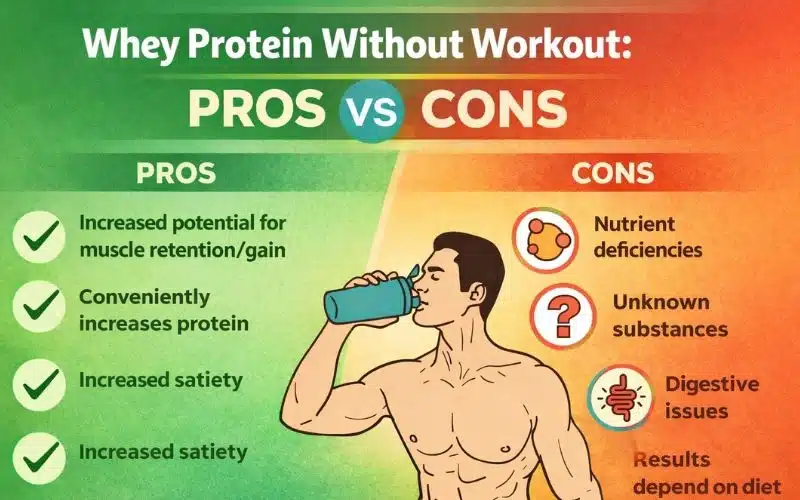
Pros
- Improves fullness and appetite control
- Helps maintain lean body mass
- Supports consistent calorie intake
- Convenient and time-saving
Cons
- Can lead to weight gain if calories are ignored
- May cause digestive discomfort in lactose-sensitive individuals
- Can create false expectations if overall diet quality is poor
Protein powder is a helpful tool, but it is not a shortcut to weight loss.
Side Effects of Taking Protein Powder Without Exercising
Most healthy individuals tolerate protein powder well, but overuse or poor product choice can cause issues such as:
- Bloating or gas, especially with lactose intolerance
- Excess calorie intake if portions are not controlled
- Reduced appetite for whole foods if relied on too heavily
Individuals with kidney disease or existing medical conditions should consult a healthcare professional before regular use.
Summing Up!
Protein powder can support weight loss without gym workouts when used correctly. It helps control hunger, improves dietary structure, and makes calorie control easier but only when combined with mindful eating.
For authentic whey protein powders and fitness supplements in Pakistan, visit SportsOne. They offer a wide range of verified products, great prices, and fast delivery to help you reach your goals safely and efficiently.

About author

Related posts

If you’ve spent years hearing “you’re so thin, eat more” at every family gathering despite cleaning your plate at every meal, you already know the... Continue reading
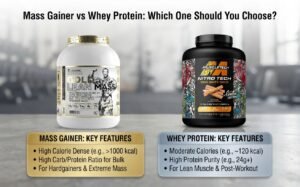
If you have stood in front of a supplement shelf wondering whether to pick up a tub of whey protein or a bag of mass... Continue reading
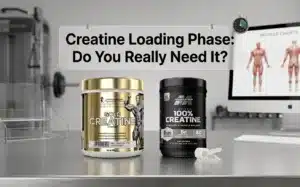
If you have ever opened a tub of creatine monohydrate, you have probably seen the instructions telling you to “load” for the first week. It... Continue reading

The best time to take creatine is whenever you can take it consistently, every single day. If you want a more specific window, taking creatine... Continue reading
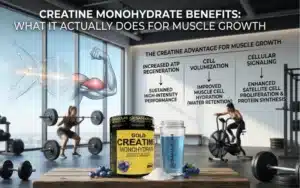
Ask ten gym-goers what creatine does and you’ll get ten different answers, most of them half right. Creatine monohydrate benefits go well beyond “it helps... Continue reading
Add comment