
No products in the cart.
Return To Shop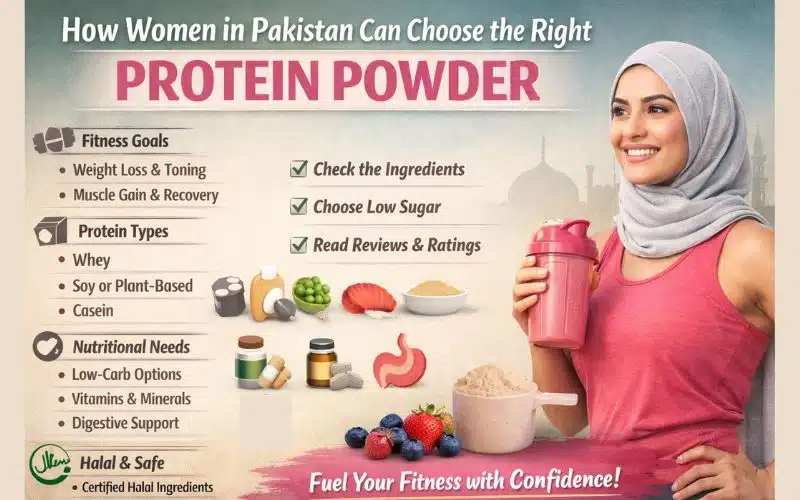
How Women in Pakistan Can Choose the Right Protein Powder
Updated 1 September 2026
Finding the right protein powder can feel overwhelming, especially with countless options flooding the Pakistani market. Whether you’re a fitness enthusiast, a busy professional, or someone looking to improve overall health, understanding how to select the best protein supplement is crucial for achieving your wellness goals.
Understanding Daily Protein Requirements for Women
Women have unique nutritional requirements that differ from men, particularly when it comes to protein intake. The average Pakistani woman needs approximately 46 to 56 grams of protein daily, though this can vary based on activity level, age, and health goals. Active women, pregnant or nursing mothers, and those building muscle may require significantly more.
Protein plays vital roles beyond muscle building. It supports hormone production, strengthens immunity, aids in weight management, and helps maintain healthy skin, hair, and nails. Many Pakistani women struggle to meet their protein requirements through diet alone, especially those following vegetarian diets or managing busy schedules. Pairing protein powder with a women’s multivitamin can help fill nutritional gaps.
What Whey Protein Costs in Pakistan
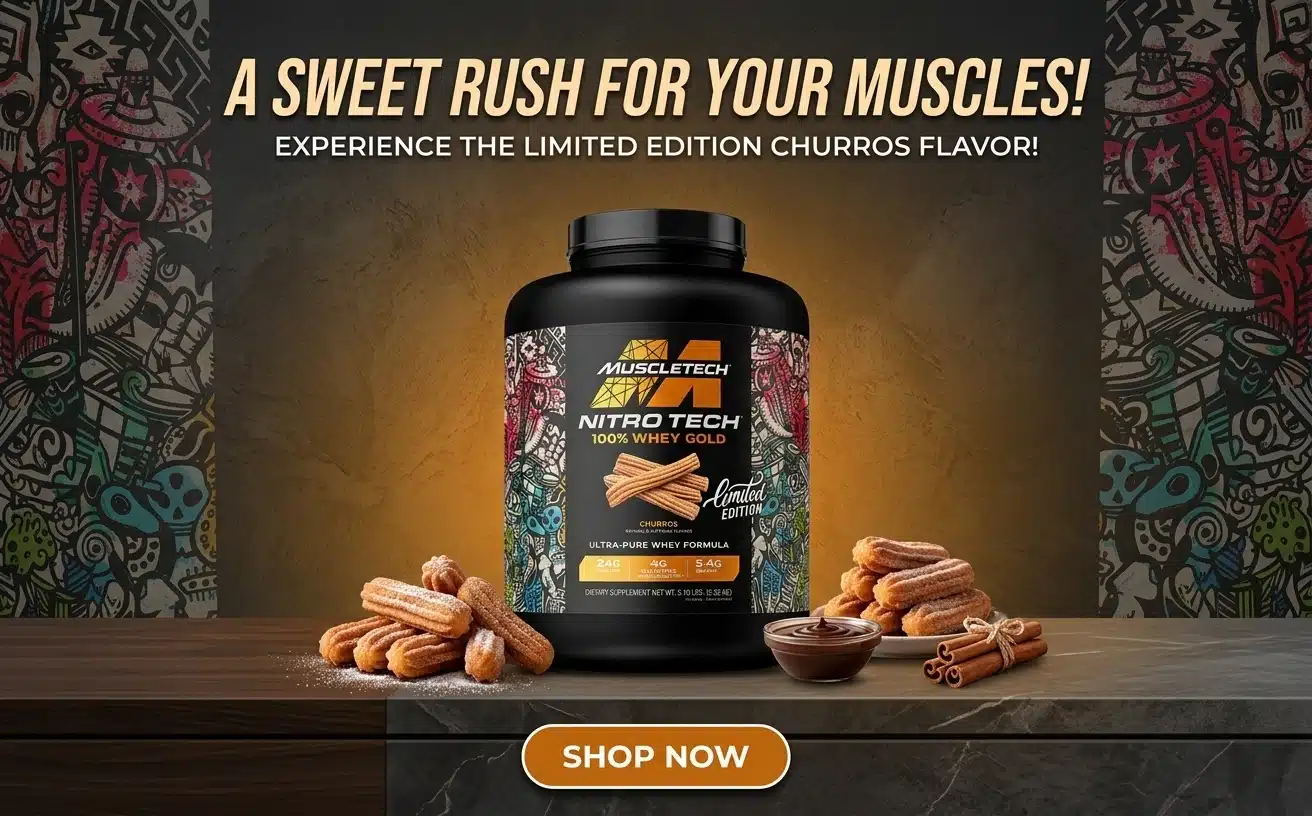
Whey protein pricing in Pakistan varies by brand, protein type, and pack size. As a general guide, budget concentrate tubs start from around Rs. 14,900, mid-range blends and isolates typically run Rs. 20,000 to Rs. 30,000, and premium hydrolysed isolate tubs from top imported brands can reach Rs. 40,000 to Rs. 48,000 for a 5lb size. For the current price on every brand SportsOne stocks, see the complete Whey Protein Price in Pakistan guide.
Top Whey Protein Brands in Pakistan
SportsOne stocks internationally recognised brands including Optimum Nutrition (manufactured by Glanbia), MuscleTech, Applied Nutrition, and Dymatize, alongside value-focused local and regional options like Sanaxium Nutrition and ProScience. Optimum Nutrition Gold Standard remains the most searched whey brand in Pakistan, while MuscleTech and Dymatize are popular among athletes focused on muscle recovery and faster absorption after resistance training.
Whey Protein for Women in Pakistan
Whey protein dominates the Pakistani supplement market for good reason. Derived from milk during cheese production, it’s quickly absorbed and contains all essential amino acids. Whey concentrate typically contains 70 to 80% protein, while whey isolate offers 90% or higher protein content with minimal lactose and fat.
This option works excellently for post-workout recovery and muscle building. However, women with lactose intolerance should opt for whey isolate, our whey isolate for women guide covers the best picks for this specifically, or consider alternative options. Many athletes combine whey protein with BCAAs for enhanced recovery.
Plant-Based Protein
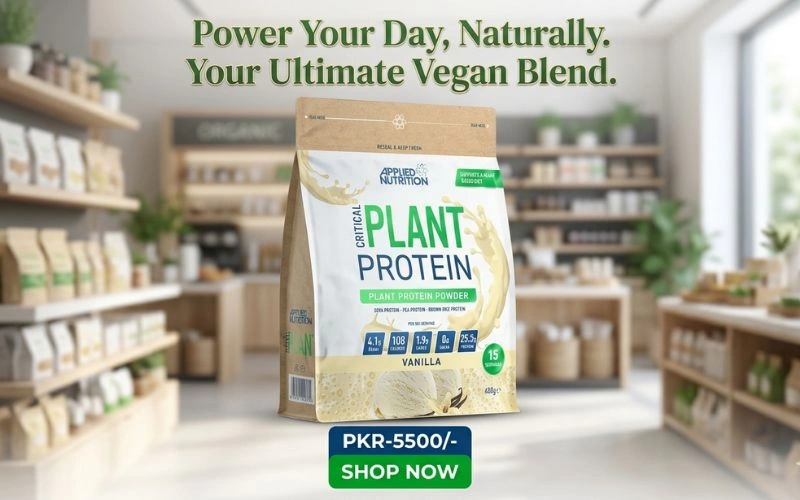
Plant-based proteins have gained tremendous popularity among Pakistani women, particularly those following vegetarian or vegan lifestyles. Pea protein, rice protein, and soy protein are commonly available options. Many brands now offer blended plant proteins that combine multiple sources to provide complete amino acid profiles.
These options suit women with dairy sensitivities and align with cultural or religious dietary preferences. They’re also easier to digest for many people. If you’re weighing plant protein against whey specifically, our whey vs plant protein for Pakistani women comparison breaks down the trade-offs. Complement your plant-based protein with omega-3 supplements for comprehensive nutrition.
Casein Protein
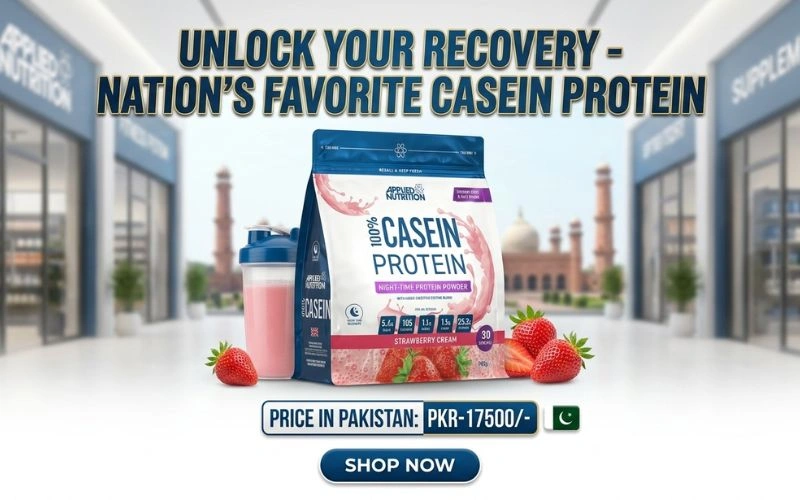
Casein is another high-quality milk-derived protein known for its slow digestion and gradual amino acid release. Unlike whey protein, which is absorbed quickly, casein provides a steady supply of nutrients to the muscles over several hours. This makes it an excellent choice before bedtime or during long gaps between meals, helping support muscle recovery, reduce muscle breakdown, and maintain protein synthesis throughout the night.
Many athletes and fitness enthusiasts use casein to improve recovery and preserve lean muscle mass. Although casein supplements are less common than whey protein in Pakistan, several trusted brands and reputable supplement retailers now offer premium-quality casein products for serious fitness users.
Key Factors When Choosing Protein Powder
Key factors include protein quality, ingredient transparency, authenticity, fitness goals, digestion tolerance, and budget considerations.
Protein Content Per Serving
Check the nutrition label carefully. Quality protein powders should provide at least 20 to 25 grams of protein per serving. Some products marketed toward women contain lower protein amounts but include added vitamins or minerals.
Ingredient Quality
The ingredient list reveals everything. Look for products with minimal additives, artificial sweeteners, or fillers. Terms like “protein blend” or “proprietary blend” can sometimes hide lower-quality protein sources. Reputable brands clearly list all ingredients and their quantities.
Certifications and Testing
In Pakistan’s growing supplement market, third-party testing and certifications provide assurance of quality and safety. Look for products that mention testing for heavy metals, contaminants, and banned substances. International certifications like NSF, Informed Choice, or HACCP indicate higher quality standards.
Flavour and Mixability
Even the most nutritious protein powder sits unused if it tastes unpleasant. Chocolate, vanilla, and strawberry remain popular flavours in Pakistan. Consider purchasing smaller sizes initially to test taste and texture. Good protein powder should mix smoothly without excessive clumping.
Budget Considerations
Protein powder represents an investment in your health, but prices vary significantly. Calculate the cost per serving rather than just looking at the total price. Sometimes moderately priced products offer better value than premium options, and local Pakistani brands often provide quality products at more affordable prices than imported alternatives. See the full whey protein price list to compare cost per serving across brands.

Common Protein Powder Mistakes Pakistani Women Must Avoid
Many women make similar mistakes when selecting protein powder for the first time. Avoid choosing products based solely on packaging or marketing claims. “Specifically formulated for women” doesn’t necessarily mean the product is superior, often it’s primarily a marketing tactic.
Don’t fall for unrealistic promises. No protein powder alone will transform your body or guarantee dramatic weight loss. These protein supplements work best when combined with proper nutrition and regular exercise.
Ignoring serving sizes is another common error. Some products suggest unusually large servings to make their protein content appear more impressive. Always check the actual grams of protein per serving.

How to Incorporate Protein Powder into Your Routine
Pakistani women can creatively incorporate protein powder into their daily meals beyond standard shakes.
Traditional Recipes with a Protein Boost
Add unflavoured or vanilla protein powder to traditional desi breakfast items. Mix it into oatmeal, kheer, or smoothies made with mangoes, bananas, or chikoo. Chocolate protein works wonderfully in homemade energy balls with dates and nuts.
Pre and Post-Workout Nutrition
Consume protein within 30 to 60 minutes after exercise for optimal muscle recovery. A simple shake with water or milk provides quick nutrition when you’re short on time. Before workouts, a smaller serving can help prevent muscle breakdown during intense training.
Meal Replacement Considerations
While protein shakes can occasionally replace meals during particularly busy days, they shouldn’t regularly substitute whole food meals. Real food provides fibre, vitamins, minerals, and other nutrients that protein powder cannot fully replicate. If you’re focused on lean muscle development or weight management, combining protein powder with a balanced diet yields the best results.
Special Considerations for Pakistani Women
Consider cultural diets, climate, lifestyle, authenticity risks, and women’s unique nutritional needs.
Cultural and Religious Factors
Many Pakistani women prioritise halal-certified products. Several international and local brands now offer halal-certified protein powders. Vegetarian options naturally align with halal requirements, though verifying certification provides additional assurance.
Climate and Storage
Pakistan’s hot, humid climate affects protein powder quality. Store containers in cool, dry places away from direct sunlight. Always seal containers tightly after use to prevent moisture absorption and clumping.
Addressing Common Concerns
Some women worry that protein powder will make them “bulky.” This is a myth. Building significant muscle mass requires specific training, nutrition, and often genetic predisposition. Protein powder simply helps meet nutritional needs and supports lean muscle development.
Where to Buy Protein Powder in Pakistan
Purchasing from reputable sources ensures product authenticity and quality. Local supplement stores in major cities offer various options with knowledgeable staff who can provide guidance. Online retailers provide convenience and often better prices, though verify seller credibility before purchasing.
Beware of counterfeit products, which unfortunately exist in Pakistan’s supplement market. Unusually low prices, missing batch numbers, or poor packaging quality can indicate fake products. Stick with authorised dealers and established online platforms.

Frequently Asked Questions
Is protein powder safe for women in Pakistan?
Yes, protein powder is safe when used appropriately. Choose products from reputable manufacturers, follow recommended serving sizes, and consult healthcare providers if you have existing health conditions or concerns.
How much protein powder should women consume daily?
This depends on individual protein requirements, dietary intake, and activity levels. Most women benefit from 20-40 grams of supplemental protein daily, divided between one or two servings. Calculate your total protein needs first, then determine how much you obtain from food.
Can protein powder help with weight loss?
Protein powder can support weight loss efforts by increasing satiety, preserving muscle mass during calorie restriction, and slightly boosting metabolism. However, it’s not a magic solution—overall calorie intake and food quality matter most.
What’s the best time to consume protein powder?
Post-workout consumption optimizes muscle recovery, but timing flexibility exists. Morning shakes boost daily protein intake, while evening consumption (especially casein) prevents overnight muscle breakdown. Consistency matters more than precise timing.
Are local Pakistani protein brands as good as imported ones?
Several Pakistani brands now produce quality protein supplements meeting international standards at more affordable prices. Focus on ingredient quality, testing certifications, and customer reviews rather than origin alone.
Conclusion
Selecting the right protein powder as a woman in Pakistan doesn’t need to be complicated. Focus on quality ingredients, appropriate protein content, reputable brands, and products that align with your dietary preferences and fitness goals. Remember that protein powder supplements an already balanced diet, it doesn’t replace nutritious whole foods.
Ready to find your ideal protein powder? Visit SportsOne for a curated selection of authentic, high-quality protein supplements specifically chosen for Pakistani women. Browse our collection of whey protein, plant-based protein, and whey isolate options. Our expert team can help you navigate options and make the best choice for your fitness and wellness journey. Shop now with confidence, all products are 100% original, halal-certified, and backed by our quality guarantee.


About author

Related posts
If you’ve ever stood in front of a supplement shelf and wondered, “Is whey protein halal?” you’re not alone. This question concerns many Pakistani gym-goers... Continue reading
Walking into a supplement store or browsing one online for the first time can feel overwhelming. Rows of tubs promise faster muscle growth, better recovery,... Continue reading

If you’ve spent years hearing “you’re so thin, eat more” at every family gathering despite cleaning your plate at every meal, you already know the... Continue reading
If you have stood in front of a supplement shelf wondering whether to pick up a tub of whey protein or a bag of mass... Continue reading
If you have ever opened a tub of creatine monohydrate, you have probably seen the instructions telling you to “load” for the first week. It... Continue reading
Add comment