
No products in the cart.
Return To Shop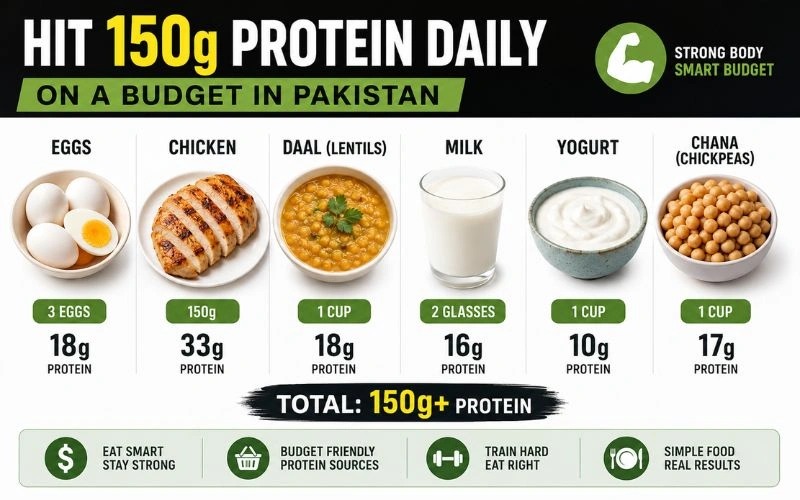
150g Protein on a Budget in Pakistan 2026: Cheapest Foods
Last Updated: September 2026
Hitting 150 grams of protein every day sounds like something only gym-going influencers with unlimited budgets can manage. But if you live in Pakistan, where grocery prices, household budgets, and food culture all play a massive role in what ends up on your plate, the idea can feel out of reach. The good news is that it isn’t. With the right food combinations, a bit of meal planning, and an honest look at where a protein powder fits into the equation, you can reach 150g of protein daily without emptying your wallet.
Why 150g of Protein? Understanding the Target
Before diving into the how, it’s worth understanding the why. Most fitness-focused guidelines recommend around 1.6 to 2.2 grams of protein per kilogram of body weight for people who train regularly. For an 80kg individual, that lands comfortably around 130 to 175g per day, making 150g a practical and science-backed target for muscle growth, fat loss, or body recomposition.
Protein isn’t just about gym gains. It keeps you full longer, supports immunity, improves recovery after physical activity, and helps preserve lean muscle as you age. Whether you’re a student lifting weights, a working professional trying to lose fat, or someone simply trying to eat better, 150g is a worthwhile goal, and it’s achievable right here in Pakistan.

The Real Challenge: Protein Sources vs Pakistani Food Culture
Pakistani cuisine, while rich and delicious, leans heavily on carbohydrates, roti, rice, pulao, biryani. Protein sources like meat tend to be expensive, and people often don’t think of lentils, eggs, or dairy as serious protein foods. That mindset shift is the first step.
The second challenge is budget. Chicken, beef, and fish prices have all risen significantly through 2025 and into 2026. However, a smart combination of animal and plant-based proteins, along with the occasional protein supplement, can dramatically reduce your weekly food cost while keeping your protein intake high. Here’s how to build a realistic, budget-friendly 150g protein plan for 2026.
Affordable High-Protein Foods Available in Pakistan (2026 Prices)
Below is a breakdown of the best protein sources by cost and availability across Pakistani markets and grocery stores, with prices refreshed for mid-2026.
| Food | Protein Content | Approx Price (June 2026) | Notes |
| Eggs | 6 to 7g per large egg | Rs. 20 to 24 per egg | Most affordable complete protein source |
| Moong Dal | ~24g per 100g dry | Rs. 280 to 340 per kg | Fast-cooking, easy to batch prep |
| Masoor Dal | 18 to 22g per 100g dry | Rs. 260 to 320 per kg | Easily digestible, high iron content |
| Chana Dal | 18 to 20g per 100g dry | Rs. 240 to 300 per kg | High fibre and protein, very filling |
| Chicken Breast (cooked) | ~55 to 60g per 250g serving | Rs. 600 to 700 per kg | Dense lean protein, versatile |
| Chicken Mince | ~22g per 100g | Rs. 550 to 650 per kg | Budget-friendly, easy to cook in bulk |
| Milk (full-fat) | ~8g per glass | Rs. 220 to 250 per litre | Often overlooked as a protein source |
| Plain Yogurt (Dahi) | 10 to 15g per cup | Rs. 150 to 200 per 500g | Versatile, works at any meal |
| Paneer | ~18g per 100g | Rs. 320 to 400 per 100g | Slightly pricier, very protein-dense |
Six eggs a day is already roughly 36 to 42g of protein for around Rs. 120 to 145, still one of the cheapest ways to build a protein base in Pakistan.
- Moong Dal: fast-cooking, around 24g protein per 100g dry
- Masoor Dal: easily digestible, high iron content alongside protein
- Chana Dal: high fibre and protein, very filling and cheap
- Rajma (kidney beans): excellent for curries and salads, great protein density
Dairy: The Hidden Protein Source Most Pakistanis Miss
Pakistani households consume a lot of milk and yogurt, but rarely think of them as protein tools. This is a mistake worth correcting. A glass of doodh (full-fat milk) provides around 8g of protein. A cup of plain dahi (yogurt) gives you 10 to 15g depending on thickness. Paneer, though slightly pricier, delivers over 18g per 100g serving.
If you’re serious about your protein goals, start treating dairy as a protein source, not just a morning routine. Add a cup of yogurt to every meal, make a high-protein lassi post-workout, or snack on paneer with spices in the evening.
Approximate protein from dairy per day (budget approach):
- 2 glasses of milk: ~16g protein
- 1 cup yogurt: ~12g protein
- 50g paneer: ~9g protein
- Total from dairy alone: ~37g protein
Building Your Daily 150g Protein Plan
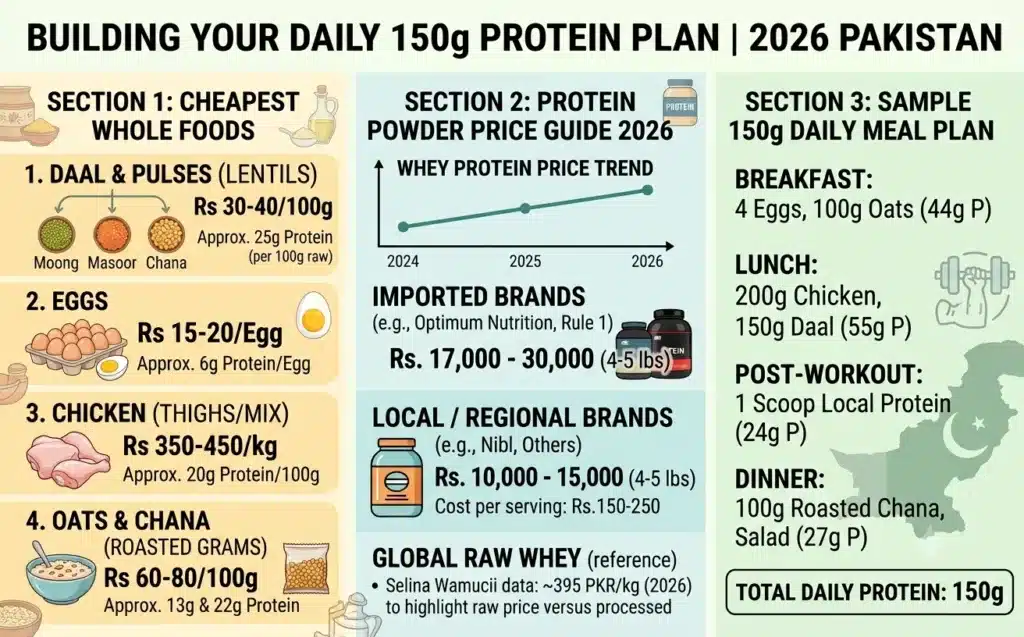
Here’s where it gets practical. Below is a sample day-plan designed around typical Pakistani eating habits and real supermarket or bazaar prices for 2026.
Morning (Breakfast), target: 35 to 40g protein. Start with 4 boiled or fried eggs (28g protein), a glass of milk (8g), and a small serving of paneer paratha if budget allows. This gives you 36 to 40g before you’ve left the house, for under Rs. 200.
Mid-Morning Snack, target: 15 to 20g protein. A cup of dahi with a handful of roasted chana (sattu or chanay) is a classic Pakistani combination that most people don’t associate with high-protein eating. This combo hits 15 to 18g protein for around Rs. 60 to 70.
Lunch, target: 40 to 45g protein. A serving of chicken karahi or chicken mince curry (250g chicken) paired with a bowl of daal gives you approximately 55 to 65g protein. You won’t always need this much at lunch, but this is your main protein window if you train in the morning. Reduce the chicken to 150g if budget is tight, you’ll still get 40+ grams from this meal.
Evening Snack, target: 10 to 15g protein. Two boiled eggs, or a glass of milk with a spoonful of peanut butter, hits this target comfortably.arget comfortably.
Should You Use a Protein Supplement?
For many people in Pakistan, hitting 150g from food alone is possible but requires a lot of consistency and meal prep. This is where a protein powder becomes useful, a good-quality whey protein can close the gap on busy days, not replace food, but supplement it.
A single scoop of whey protein typically delivers 22 to 25g of fast-absorbing protein. If your daily total from food sits around 110 to 120g, one scoop makes up the difference without any additional cooking or prep time. For people who train seriously, this isn’t an expense, it’s efficiency.
It’s worth comparing your options before buying. Isolate protein is ideal for those who are lactose-sensitive or want a leaner, lower-fat option with a higher protein percentage per scoop. It’s slightly more expensive but often more worth it calorie-for-calorie. If you’re on a strict carb-controlled approach, zero carb protein options are available that deliver maximum protein with minimal macros attached.
For those who prefer a plant-based or vegan approach, plant-based protein supplements are now easily available and can complement a dal-heavy, egg-free diet. Similarly, soy protein remains one of the most complete plant proteins and is more affordable than whey for some users.
Food vs Supplement: Which Costs Less Per Gram of Protein?
This is really the question behind “should I buy a protein powder,” and it’s worth answering directly rather than just listing prices. Using the food costs above: eggs work out to roughly Rs. 3 to 3.5 per gram of protein, chicken mince and daal both land around Rs. 2.5 to 3 per gram, making whole food consistently the cheapest way to hit your target. A whey protein scoop, by comparison, typically costs Rs. 150 to 250 per serving for 22 to 25g of protein, working out to roughly Rs. 6 to 11 per gram, two to three times the cost of whole food per gram of protein.
That premium isn’t wasted money, though. You’re paying for zero prep time, zero cooking, and a precise, consistent dose, which is exactly what makes whey worth it on the days food alone won’t realistically get you there. For current pricing across every protein type SportsOne stocks, whey, isolate, plant-based, and more, see the full protein price guide.
Protein Timing: Does It Matter on a Budget?
Here’s a piece of advice most budget guides skip: you don’t need to stress about protein timing if your total daily intake is on point. However, spreading your protein across 4 to 5 meals or snacks, rather than cramming it all into dinner, does support better muscle protein synthesis throughout the day.
This means breakfast matters more than most Pakistanis give it credit for. A high-carb, low-protein breakfast (just roti and chai) means you’re already behind by noon. Shifting even one meal to include 2 to 3 eggs or a cup of yogurt is a small change with a big cumulative impact.
Recovery Matters: Protein Is Not Everything
Once you’re consistent with protein intake, smart recovery becomes the next priority. BCAA supplements support muscle recovery during and after training and can be especially useful on days when your protein intake from food is slightly lower than usual. Similarly, amino acid supplements provide the essential building blocks your muscles need during recovery, useful whether you’re a competitive athlete or a regular gym-goer.
For those doing intense training, supporting your body beyond just protein is important. Look into creatine, which has extensive evidence behind it for improving strength and performance, allowing you to get more out of every training session, which in turn makes your protein intake more effective.
What About Weight Gainers?
If you’re struggling to eat enough and your protein is consistently falling short because your overall caloric intake is too low, a lean mass gainer might bridge the gap. These products combine protein with carbohydrates and calories, making it easier to hit both your protein and overall energy needs in one serving, particularly useful for hardgainers or people with very fast metabolisms.
That said, if your goal is fat loss or body recomposition rather than mass gain, stick to whey or isolate and get your carbs from whole food sources like rice and bread.
Vitamins and Minerals: The Overlooked Support System
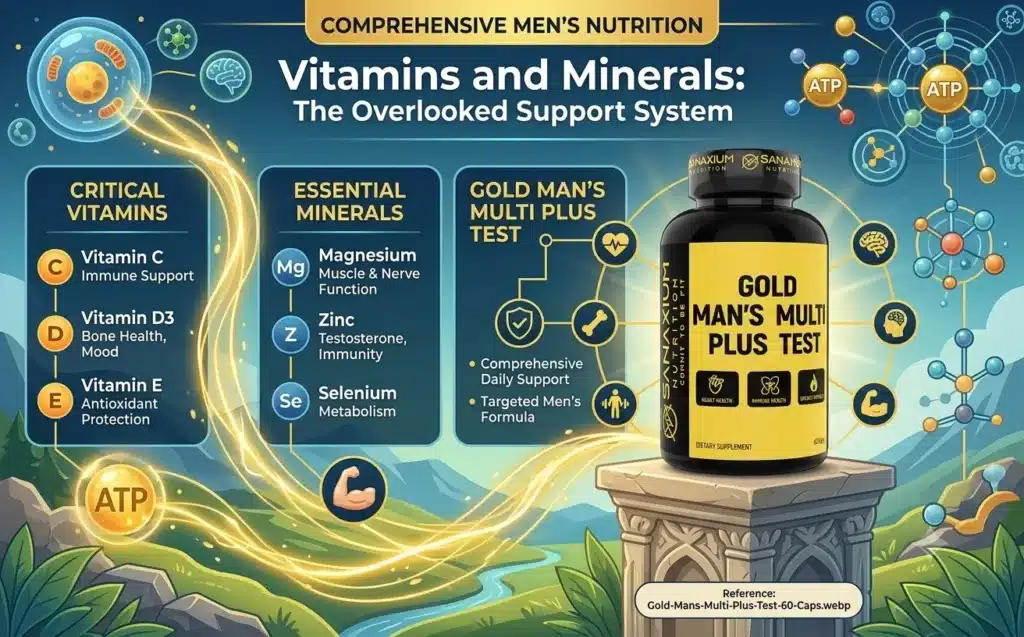
Protein synthesis doesn’t happen in isolation. Your body needs zinc, magnesium, vitamin D, and B-vitamins to actually use the protein you’re consuming. Many Pakistanis, especially those not eating a wide variety of vegetables, are deficient in these micronutrients without knowing it. A good multivitamin and mineral supplement can be a low-cost, high-value addition to your routine, ensuring that the protein you’re working hard to eat actually gets used.
Sample Weekly Budget Breakdown (June 2026)
Planning weekly instead of daily is one of the best habits you can build. Here’s a refreshed weekly grocery estimate for a person targeting 150g protein per day:
- 1 dozen eggs x 2 = Rs. 480 to 580
- 500g chicken mince x 2 = Rs. 550 to 650
- 1kg daal (moong + masoor) = Rs. 280 to 340
- 1 litre milk x 7 = Rs. 1,540 to 1,750
- 500g yogurt x 3 = Rs. 450 to 600
- 100g paneer = Rs. 320 to 400
- Miscellaneous (chana, peanut butter, spices) = Rs. 250 to 350
Total weekly estimate: Rs. 3,870 to 4,670. That works out to roughly Rs. 550 to 670 per day, still manageable for most households aiming to consistently hit 150g protein. If you add one scoop of whey on training days, you’re looking at a modest additional cost of Rs. 150 to 250 per serving that removes the stress of planning every meal perfectly.
Practical Tips to Stay Consistent
Knowing the plan is one thing. Sticking to it when life is busy, you’re tired, or you’re eating out is another. Here are a few habits that make the difference:
- Boil 6 to 8 eggs at the start of each week. Having ready-to-eat eggs in the fridge eliminates the “I don’t have time” excuse for breakfast.
- Cook daal in large batches. A 30-minute daal cook on Sunday evening gives you 3 to 4 servings across the week.
- Keep a container of dahi in the fridge at all times. Use it as a side, a base for raita, or a post-meal snack.
- Track your protein for at least two weeks. Not forever, just long enough to understand your baseline and where the gaps are. Simple apps or even a notebook will do.
- Don’t fear carbs. Roti and rice are not the enemy. They’re the energy that lets you train hard enough to actually need 150g of protein.
When Eating Out Disrupts the Plan
Eating out in Pakistan, dhabas, restaurant lunches with colleagues, family gatherings, can easily blow your protein targets. The key is knowing where protein hides on a menu. Nihari has good protein but lots of fat. Tandoori chicken is excellent. Daal dishes vary widely. A quick mental check before ordering can keep you on track even when you’re not eating at home.
If you know a big social meal is coming, front-load your protein earlier in the day. Two extra eggs at breakfast means you need less from an unpredictable dinner.
Choosing the Right Supplement Without Overspending
The supplement market in Pakistan has expanded significantly, and not all products are equal in quality or value. When shopping for protein supplements, prioritise authentic, verified products over cheap local alternatives that may under-deliver on their protein content. A 2kg tub of a reliable whey protein, when used correctly (1 to 2 scoops per day), can last 4 to 6 weeks and work out to roughly Rs. 150 to 250 per serving, competitive with the cost of a chicken breast meal.
For those doing heavier training and looking to optimise further, pre-workout supplements help with energy and focus during sessions, which can translate directly to better training quality and thus better use of your protein intake. Post-workout, glutamine is worth exploring for its role in muscle recovery and gut health, particularly useful during high-volume training phases.

Making 150g Protein Work Long-Term
The biggest mistake people make is treating a protein goal as a short-term diet phase. Consistency over weeks and months is what produces real change, whether that’s muscle gain, fat loss, or improved health markers. The foods outlined in this article, eggs, daal, chicken, dairy, aren’t exotic or hard to find. They’re already part of Pakistani food culture. The shift is intentional: eating them with protein in mind, every single day.
Start with what you know. Add eggs to breakfast. Add dahi to lunch. Increase the daal portion. Buy chicken mince in bulk and freeze it. And on the days when food prep just doesn’t happen, a scoop of whey protein dissolved in milk adds 40+ grams of protein in under two minutes. That’s the beauty of combining real food with smart supplementation. It makes 150g achievable, sustainable, and genuinely affordable right here in Pakistan.
Ready to Close the Gap with a Quality Protein Powder?
If your food-based protein consistently falls 20 to 40g short of your daily target, a reliable protein powder is the fastest way to close that gap without extra cooking. Compare current pricing across trusted, authentic imported brands in our protein price guide and pick the option that matches your training goal and budget.
Frequently Asked Questions
What is the cheapest way to get 150g of protein per day in Pakistan?
The most budget-friendly approach is combining eggs, lentils (daal), and yogurt as your primary protein sources. Six eggs, two cups of cooked daal, and one cup of yogurt together provide roughly 70 to 80g protein for under Rs. 250 at 2026 prices. Adding chicken mince and milk throughout the day completes the target affordably without relying solely on expensive cuts of meat.
Is protein powder cheaper than food, gram for gram?
No. Whole foods like eggs, chicken mince, and daal typically cost roughly Rs. 2.5 to 3.5 per gram of protein, while a whey protein scoop works out to roughly Rs. 6 to 11 per gram. Protein powder is a convenience premium, not a cost-saving choice, worth paying for on days food prep isn’t realistic, not as your primary protein source.
Is whey protein worth buying in Pakistan if I am on a tight budget?
Yes, strategically. You don’t need whey every day. Use it on days when your food intake falls short or when convenience matters. A reliable whey protein averages Rs. 150 to 250 per scoop and delivers 22 to 25g protein instantly. Over a month, one scoop per day costs less than eating an extra chicken meal daily, making it a smart addition rather than a luxury.
Which protein powder is best?
The best choice depends on your goal. Whey isolate suits those wanting a lean, fast-absorbing option with minimal lactose. Whey concentrate is the most budget-friendly everyday choice. Plant-based and soy protein suit vegan or egg-free diets. Always buy from an official distributor to guarantee an original, authentic product rather than a counterfeit.
Is whey protein better than natural foods?
Neither replaces the other. Whole foods like eggs, daal, chicken, and dairy should remain the foundation of your protein intake. Protein powder is a convenience tool for closing gaps on busy days or when food prep is not possible, not a substitute for a balanced diet.
Can I hit 150g of protein without eating meat in Pakistan?
Yes, though it requires more planning. Eggs, paneer, dahi, milk, daal, chana, and a plant-based protein supplement can collectively deliver 150g. You will need to eat larger portions of plant proteins to compensate for their lower protein density compared to animal sources, and spreading meals across 5-6 eating occasions helps significantly.
How much protein do eggs provide, and how many should I eat daily?
One large egg contains approximately 6-7 grams of protein. For a budget-conscious approach, eating 4-6 eggs daily provides 24-42g of protein at very low cost. Eggs are also a complete protein containing all essential amino acids. Unless you have a medical reason to limit them, 4-6 eggs per day is a practical, safe, and highly effective cornerstone of a high-protein Pakistani diet.

About author

Related posts

For most healthy adults, collagen peptides are well tolerated. The side effects people actually report are mild: a feeling of fullness, bloating, an aftertaste or... Continue reading

The short answer: the best time to take collagen is whichever time you will repeat every single day. Research on hydrolysed collagen peptides has not... Continue reading

Neither is universally better. Marine collagen is often preferred for skin, hair and people who avoid beef, while bovine collagen is usually cheaper and offers... Continue reading

Collagen may help support joint comfort in some people, but the evidence is modest, results are slow, and it is not a substitute for medical... Continue reading

Most people notice their first change from collagen supplements after 4 to 8 weeks, with clearer skin and joint results building between 8 and 12... Continue reading
Add comment