
No products in the cart.
Return To Shop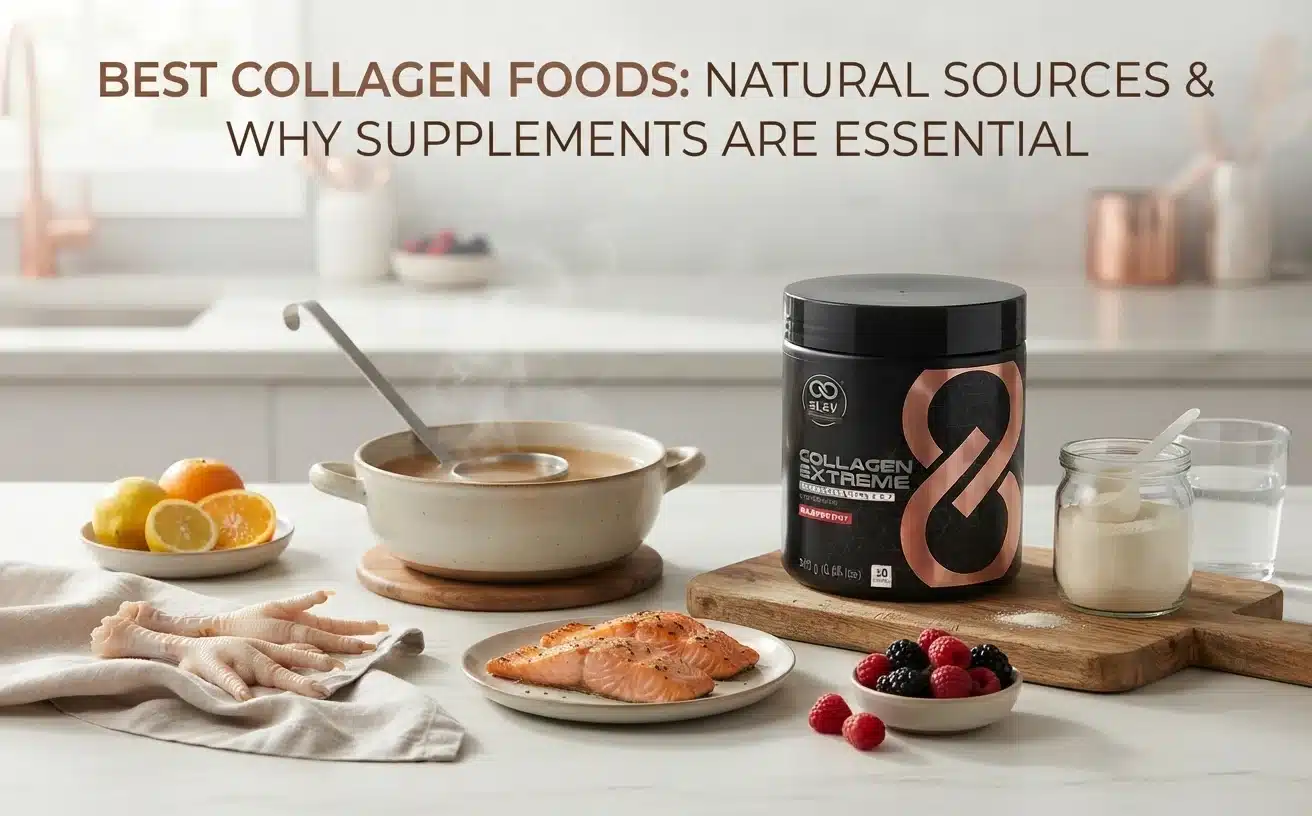
Best Foods High in Collagen (and Why Supplements Still Matter)
Collagen is the most abundant protein in the human body, quietly holding together your skin, joints, tendons, hair, and even your gut lining. As you age, natural collagen production slows down, which is why more people in Pakistan are searching for both collagen-rich foods and asking about collagen price in Pakistan before buying a supplement. This guide covers the best food sources of collagen, why food alone often is not enough, and what actually affects supplement pricing so you can make a smarter choice.
What Is Collagen and Why Your Body Needs It
Collagen makes up roughly a third of the total protein in your body. It gives structure to skin, cartilage, bones, and connective tissue, and plays a role in wound healing and joint flexibility. Your body builds collagen using amino acids like glycine, proline, and hydroxyproline, a process that depends on getting enough protein and vitamin C from your diet.
Once production slows, usually starting in the mid-20s, you may notice fine lines, joint stiffness, weaker nails, or slower recovery after workouts something worth understanding through a proper balanced diet guide before jumping straight to supplements.

Best Foods High in Collagen
Bone Broth
Bone broth is simmered for hours from animal bones and connective tissue, releasing collagen directly into the liquid. It’s one of the most direct dietary sources and is easy to add to soups, curries, or drink on its own.
Fish and Fish Skin
Fish, especially when the skin is eaten, is rich in marine collagen, which research suggests may absorb more efficiently than other types. If you’re relying on local fish, it’s worth checking whether fish like rohu offer additional omega-3 benefits alongside collagen-building nutrients.
Egg Whites
Eggs don’t contain collagen itself, but egg whites are rich in proline, a key amino acid your body needs to build new collagen. Including hard-boiled eggs in your daily routine is one of the simplest ways to support production.
Citrus Fruits and Berries
Vitamin C is essential for collagen synthesis; it activates the enzymes that stabilize collagen molecules. This is exactly why so many people look into vitamin C for skin health in Pakistan alongside their collagen intake.
Garlic
Garlic contains sulfur, which helps synthesize collagen and supplies small amounts of lipoic acid and taurine, both linked to repairing damaged collagen fibers.
Leafy Greens
Spinach and other dark leafy vegetables contain chlorophyll, associated in some studies with higher pro-collagen levels in the skin, along with vitamins A and C that support the process.
Beans and Legumes
Beans are rich in proline and copper, another mineral needed to form mature collagen fibers and copper deficiency is closely tied to broader mineral gaps like zinc that affect skin and tissue repair.
Why Food Alone May Not Always Be Enough
While these foods support your body’s natural collagen-making process, dietary collagen intake in Pakistan is often inconsistent. Bone broth takes time to prepare, fresh fish isn’t accessible everywhere, and the portions needed for a visible difference are larger than most people eat daily. Age, sun exposure, stress, and smoking all accelerate collagen breakdown faster than food alone can offset, especially past age 30. Gut health also plays a role here, and some people compare glutamine versus collagen for gut health support when deciding where to start.
Why Collagen Supplements Still Matter
This is exactly why hydrolyzed collagen supplements have become popular they deliver a concentrated, pre-broken-down form of collagen peptides that’s easier for the body to absorb than whole food sources alone, and results tend to show up faster when you understand how long hydrolyzed collagen takes to show skin benefits. Timing also matters: some people prefer taking it at night, and it helps to know the best time to take collagen for sleep and joint repair.
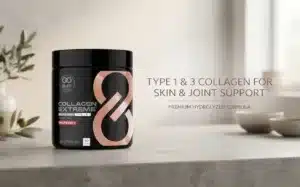
A good starting option is a flavoured collagen powder that mixes easily into water or a shake, while those who train heavily often prefer a dedicated collagen extreme formula or a peptide-based option like collagen peptides for daily use.

Collagen Price in Pakistan: What Affects the Cost
If you’re comparing collagen price in Pakistan across brands, a few factors explain the difference:
- Source – Marine collagen, like gold marine collagen, is usually priced higher than bovine collagen due to sourcing and processing.
- Form – Peptide-based products such as collagen peptide formulas cost more to manufacture because the protein is broken into smaller, more absorbable chains.
- Import status – Genuine imported brands typically cost more due to duties and logistics but often carry stricter quality testing.
- Pack size – Larger tubs cost more upfront but usually offer a lower price per serving.
Before buying, check the exact grams of collagen per serving rather than comparing total product price alone, since serving sizes vary widely between brands. For a full breakdown of general supplement pricing trends, it’s worth reading how imported supplements are priced in Pakistan.
How to Choose the Right Collagen Supplement
Look for hydrolyzed or peptide-form collagen for better absorption, check whether it’s marine or bovine sourced based on your preference, and consider pairing it with a hair-skin-nails formula like hair, skin and nails capsules for a more complete beauty-from-within routine. Combining collagen with a vitamin C source, through food or a separate supplement, further supports how efficiently your body uses it.
Final Thoughts
Eating collagen-boosting foods like bone broth, fish, citrus fruits, and leafy greens is a solid foundation, but most people benefit from adding a quality supplement once natural production starts slowing down. If you’re ready to compare options and see the current collagen price in Pakistan, browse the full supplement shop to find one that fits your goals and budget.
FAQs
What is the average collagen price in Pakistan?
Collagen price in Pakistan varies by source and form, generally ranging from budget bovine powders to premium imported marine peptides. Marine and hydrolyzed peptide formulas cost more due to sourcing and processing. Always compare price per serving, not just the total pack price, to judge real value accurately.
Which foods naturally boost collagen production?
Bone broth, fish with skin, egg whites, citrus fruits, garlic, leafy greens, and beans all support natural collagen production. These foods either contain collagen directly or supply amino acids and nutrients like vitamin C and copper that your body needs to build new collagen fibers.
Do I still need a supplement if I eat collagen-rich foods?
Yes, for most people. Food alone often can’t match the concentrated dose supplements provide, especially past age 30 when natural production slows and daily portions of collagen-rich foods are hard to sustain consistently. Supplements offer a faster, more measurable way to fill that gap.
Is marine collagen better than bovine collagen?
Marine collagen is often considered more bioavailable and absorbs faster than bovine collagen, but it typically costs more. Bovine collagen remains effective and budget-friendly. The right choice depends on your budget, dietary preferences, and whether you prioritize absorption speed.
When is the best time to take collagen supplements?
Many people take collagen at night to support sleep-related tissue repair and joint recovery, while others prefer it in the morning with vitamin C for better absorption. Consistency matters more than exact timing, so pick a routine you can maintain daily.

About author

Related posts
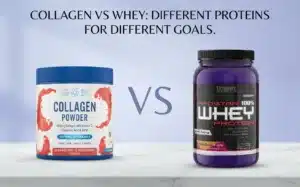
Anyone comparing supplement shelves in Pakistan runs into the same question sooner or later: collagen or whey protein, and is one enough? Both are protein... Continue reading
Fine lines that showed up early, knees that ache on the stairs, nails that split for no reason. Many people notice these changes and immediately... Continue reading
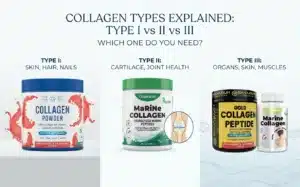
Type I collagen supports skin, hair, and bone strength; Type II supports joint cartilage and mobility; Type III works alongside Type I to support skin... Continue reading
If you’ve scrolled through skincare ads or supplement shelves lately, you’ve probably seen the word “collagen” everywhere. But what actually is it, and why has... Continue reading

If you are searching for how to boost testosterone naturally, the honest answer is that food, lifting, sleep and body composition do most of the... Continue reading
Add comment