
No products in the cart.
Return To Shop
Ashwagandha in Pakistan 2026 – Benefits, Price and Best Brands
Last Updated: August 2026
Ashwagandha, scientifically known as Withania somnifera, is an ancient medicinal herb gaining rapid popularity across Pakistan’s wellness, fitness, and herbal health communities. As a leading food supplement in Pakistan, it bridges traditional Unani and Ayurvedic medicine with modern sports nutrition and clinical research. Traditionally used for over 4,000 years and known locally as “Asgandh Nagori,” ashwagandha is now among the most searched dietary supplements in Pakistan for stress relief, testosterone support, sleep improvement, and athletic performance. This guide covers everything Pakistani consumers need to know in 2026: scientifically backed benefits, August 2026 pricing, product comparison, halal certification, dosage guide, side effects, and where to buy authentic ashwagandha supplements nationwide.
What Is Ashwagandha? – The Herbal Supplement Explained
Ashwagandha is a small shrub native to India and parts of the Middle East. The root is the primary medicinal part, traditionally processed into tonics, powders, and capsules. It is classified as an adaptogen, meaning it helps the body manage physical and psychological stress, restore hormonal balance, and support overall vitality without the stimulant effect of caffeine-based compounds.
In Pakistan, ashwagandha overlaps with Unani medicine traditions where it is used in traditional nuskhas (herbal formulas) for strength and stamina, often mixed with warm milk or honey. Modern supplement forms available through authorised supplement stores in Pakistan offer standardised extracts with measured withanolide content, which is more consistent and reliably dosed than raw powder from local herbal markets.
As part of the broader food supplement in Pakistan category, ashwagandha sits within the herbal and adaptogen subcategory – distinct from protein supplements, creatine, or multivitamins, but often stacked alongside them for a more complete nutritional and performance support approach.
Food Supplements in Pakistan – Where Ashwagandha Fits In
The Pakistani food supplement market has expanded dramatically over the past decade. Consumers increasingly use dietary and nutritional supplements to address gaps in daily nutrition, support athletic performance, and manage the physiological effects of modern lifestyle stress. The main supplement categories available in Pakistan through authorised distributors include:
| Supplement Category | Primary Use | Key Examples |
|---|---|---|
| Protein Supplements | Muscle growth, recovery, daily protein intake | Whey protein, casein, plant protein |
| Mass Gainers | Calorie surplus, weight gain, bulking | ON Serious Mass, Mass Tech Extreme |
| Creatine | Strength, power output, lean mass | Creatine monohydrate |
| BCAAs and Amino Acids | Muscle recovery, endurance, protein synthesis | Leucine, isoleucine, valine blends |
| Pre-Workout Supplements | Energy, focus, training performance | C4 Original, NitroTech pre-workout |
| Multivitamins and Minerals | Micronutrient coverage, immune health, bone health | Daily multivitamins, vitamin D, zinc, magnesium |
| Herbal Supplements and Adaptogens | Stress management, hormonal balance, sleep, energy | Ashwagandha, shilajit, ginseng |
| Omega-3 and Fish Oil | Heart health, brain health, joint health, inflammation | Fish oil capsules, krill oil |
| Digestive Enzymes and Probiotics | Gut health, nutrient absorption, immune function | Enzyme blends, probiotic capsules |
| Collagen and Joint Support | Joint health, skin health, bone density | Collagen peptides, glucosamine |
Ashwagandha is the most widely recognised herbal supplement in Pakistan’s food supplement market and is increasingly stacked alongside protein supplements and multivitamins as part of a complete daily nutrition approach.
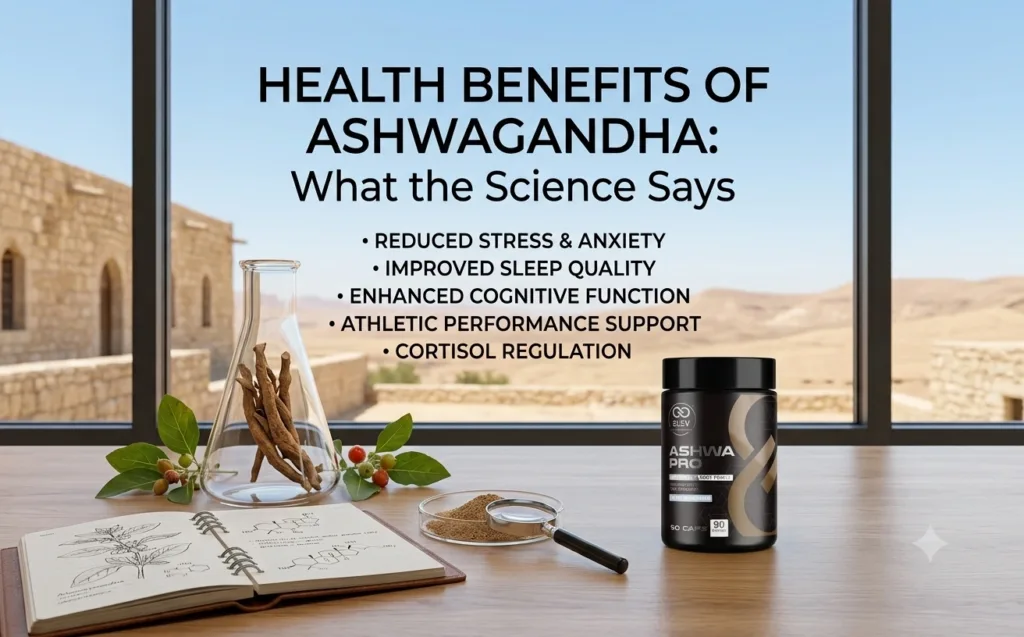
Health Benefits of Ashwagandha – What the Science Says
Ashwagandha’s health benefits are backed by peer-reviewed clinical research. Here is a detailed breakdown of what it does for the body, with context specific to Pakistani users.
1. Stress and Anxiety Reduction
Ashwagandha is widely researched for its ability to lower cortisol, the body’s primary stress hormone. A 2019 study published in Medicine (Baltimore) found that participants taking ashwagandha extract experienced significant reductions in perceived stress, anxiety scores, and morning cortisol levels compared to placebo groups. For Pakistani users, this is particularly relevant. Urban professionals in Karachi, Lahore, and Islamabad routinely deal with long commutes, high-pressure work environments, and economic uncertainty. Ashwagandha offers a non-pharmaceutical, halal-compatible option for managing the daily cortisol load that most Pakistanis experience.
2. Testosterone and Fertility Support
In men, ashwagandha has shown consistent results in supporting healthy testosterone levels and improving sperm quality. A 2013 study in the Journal of Evidence-Based Complementary and Alternative Medicine reported increased serum testosterone and significantly better sperm concentration in infertile men after 90 days of ashwagandha supplementation. This makes it a practical natural option for men in Pakistan dealing with fertility concerns, particularly where dietary deficiencies in zinc and vitamin D are common and compound hormonal imbalance.
3. Muscle Recovery and Athletic Performance
Athletes and gym-goers across Pakistan increasingly use ashwagandha for better endurance, strength gains, and reduced post-workout muscle damage. A study published in the Journal of the International Society of Sports Nutrition (2015) found significant improvements in muscle strength, size, and recovery markers in participants supplementing with ashwagandha root extract over 8 weeks of resistance training, compared to placebo. For Pakistani gym-goers already supplementing with creatine or whey protein, adding ashwagandha is a natural complement that works through a different mechanism – reducing exercise-induced cortisol and inflammation rather than directly fuelling muscle protein synthesis.
4. Sleep Quality and Fatigue Reduction
Poor sleep is one of the most common complaints among Pakistani adults. Heat, inconsistent load-shedding schedules, and high screen exposure all compound the problem. Ashwagandha’s withanolides have been shown in a 2019 clinical trial published in PLOS ONE to significantly improve sleep onset latency, sleep quality scores, and total sleep time in adults with insomnia. Taking ashwagandha at night before sleep is now a widely followed protocol among Pakistani wellness users, particularly combined with warm milk in keeping with traditional Unani practice.
5. Immune Function and Antioxidant Protection
Ashwagandha enhances immune function and cognitive clarity through its antioxidant effects, which combat oxidative stress caused by environmental pollution. This is directly relevant for Pakistan, where air quality in cities like Lahore regularly ranks among the worst in South Asia. Chronic exposure to PM2.5 particulates generates systemic oxidative stress that impairs immune function, recovery, and mental clarity. Ashwagandha’s withanolides have shown measurable antioxidant activity in both animal and human studies, providing a daily protective layer for urban Pakistanis dealing with poor air quality.
6. Hormonal Balance for Women
Women increasingly use ashwagandha for hormonal balance, improved sleep quality, and mood stabilisation. Unlike testosterone-focused supplements, ashwagandha works on cortisol and thyroid function rather than sex hormones directly, making it appropriate for women seeking stress relief, better energy, and improved sleep without hormonal side effects. Always consult a physician before use if pregnant, breastfeeding, or managing a thyroid condition.
7. Heat and Climate Adaptation
Pakistan’s extreme summer climate, with temperatures regularly crossing 40-45 degrees Celsius in Punjab and Sindh, places significant physiological stress on the body. Heat stress elevates cortisol, impairs sleep, and reduces physical performance. Ashwagandha’s adaptogenic properties directly counteract heat-stress-related hormonal disruption, making it more than a gym supplement in Pakistan’s context. It functions as a year-round physiological stabiliser, particularly valuable during the months of May through August.
Ashwagandha and Pakistan’s Diet – Why the Combination Works
Pakistan’s traditional diet, while rich in carbohydrates and spices, is frequently low in micronutrients like magnesium, zinc, and vitamin D. These deficiencies compound stress, reduce testosterone, worsen sleep quality, and impair protein synthesis – all areas that ashwagandha directly addresses. Adding ashwagandha supplementation alongside a typical Pakistani diet of daal, roti, and rice creates a meaningful nutritional bridge, particularly for those not yet ready to overhaul their eating habits entirely.
Traditionally in Pakistan, ashwagandha root powder is taken with warm milk (doodh) at night, a practice that aligns well with modern clinical recommendations since the fat content in milk improves withanolide absorption. For capsule users, taking them with a small amount of food or full-fat milk replicates this traditional approach effectively. Pairing ashwagandha with a quality multivitamin and mineral supplement addresses the broader micronutrient deficiencies that ashwagandha alone does not cover.
Ashwagandha vs Other Food Supplements – Where It Fits in Your Stack
Understanding how ashwagandha relates to other categories of food supplement in Pakistan helps you make an informed decision about whether and how to add it to your routine.
| If Your Goal Is | Primary Supplement | Where Ashwagandha Fits |
|---|---|---|
| Muscle building | Whey protein + creatine | Reduces cortisol to improve recovery between sessions |
| Weight gain | Mass gainer | Supports appetite and reduces stress-related metabolism disruption |
| Athletic endurance | BCAAs + pre-workout | Reduces exercise-induced cortisol, improves VO2 max markers |
| General health | Multivitamin + omega-3 | Strong standalone or complementary addition for stress and sleep |
| Stress and sleep only | Ashwagandha alone | Primary supplement – no other additions needed for this goal |
| Testosterone support (men over 30) | Ashwagandha + zinc + vitamin D | Core of a natural testosterone support stack |
Ashwagandha vs Other Adaptogens Available in Pakistan
| Adaptogen | Main Benefit | Availability in Pakistan | Best For |
|---|---|---|---|
| Ashwagandha | Stress relief, testosterone, energy, sleep | High – capsules and powder widely available | General wellness, fitness, hormonal support |
| Shilajit | Energy, testosterone, mineral density | High – traditional use very common | Men over 30, energy and vitality |
| Ginseng | Cognitive focus, immune strength | Moderate – available in pharmacies | Mental performance, focus |
| Rhodiola Rosea | Fatigue reduction, endurance | Low – limited availability | Endurance athletes |
| Tulsi (Holy Basil) | Respiratory and mood support | High – traditional use only | Respiratory wellness, herbal tea |
While ginseng and Rhodiola are also used globally, ashwagandha is more aligned with South Asian physiology, cultural tradition, and product availability in Pakistan, making it the most practical and accessible adaptogen choice for most Pakistani users. The combination of ashwagandha and shilajit has also gained traction among men over 30 for testosterone and vitality support.
Best Ashwagandha Supplements Available in Pakistan – August 2026 Price Guide
Here are the most trusted and currently available brands through SportsOne International and authorised channels as of August 2026:
| Brand and Product | Extract Type | Capsules | Price (PKR) Aug 2026 | Best For |
|---|---|---|---|---|
| ELEV Ashwa Pro | High-potency withanolide blend | 90 | PKR 3,800 | Athletes, best value per serving, general users |
| Sanaxium Nutrition Gold Man’s Multi Plus Test | Multi-ingredient testosterone support | 60 | PKR 4,800 | Men’s hormonal support and stress relief |
| Sanaxium Nutrition Gold Test XT | Advanced testosterone support complex | 120 | PKR 6,500 | Advanced performance, prolonged supplement cycle |
All prices are approximate August 2026 figures from SportsOne International authorised listings. Prices are subject to change with import costs and exchange rate movements.
What to Look for When Choosing an Ashwagandha Supplement in Pakistan
- Standardised withanolide content: Look for a minimum of 5% withanolides on the label. This is the active compound responsible for most of ashwagandha’s clinically researched benefits. Products without this disclosure may be raw root powder with inconsistent potency.
- Halal certification: Confirm Halal certification is displayed on the packaging, not just claimed in marketing.
- Ask the distributor for documentation if needed.
- Third-party lab testing: Quality imported food supplements carry independent testing certificates. GMP-certified manufacturing and FDA-registered facility claims on the label are positive indicators.
- Authorised distributor: Always buy from a verified food supplement store in Pakistan with documented import records. Open marketplace platforms carry a significant counterfeit risk for herbal supplements.
- Avoid miracle cure claims: Any supplement claiming to cure disease or replace medical treatment should be approached with scepticism.
- Ashwagandha’s benefits are real and well-researched, but they are nutritional supports, not pharmaceutical cures.
Traditional Pakistani Use of Ashwagandha
Roots in Unani Medicine
In Pakistan’s herbal heritage, ashwagandha (Asgandh Nagori) is used in Unani nuskhas for strength, vitality, and male reproductive health. It is frequently combined with other herbs like shilajit and shatavari in traditional formulations prescribed by hakeems across Lahore’s Tibbi City and Karachi’s Urdu Bazar. The traditional method of mixing root powder with warm doodh (milk) at night before sleep is consistent with modern clinical dosing recommendations and improves withanolide absorption through the fat content in milk.
Modern Trends in Pakistan
Social media, fitness influencers, and growing awareness of holistic health have made ashwagandha mainstream across Pakistan. Students use it for memory and concentration during exam seasons. Professionals use it for stress management and sustained energy throughout demanding work days. Women increasingly use it for hormonal balance, improved sleep quality, and mood stabilisation. Athletes stack it alongside protein supplements and creatine for improved recovery and cortisol management. This cross-demographic adoption makes ashwagandha one of the fastest-growing herbal food supplement categories in Pakistan’s current market.
How to Use Ashwagandha Safely – Dosage and Timing
Recommended Dosage
Clinical studies have used doses ranging from 300mg to 600mg of standardised ashwagandha root extract (minimum 5% withanolides) per day. Most commercially available capsules in Pakistan fall within this range. Always follow the dosage instructions on your specific product label. Start with a lower dose for the first one to two weeks to assess your individual response before progressing to a full dose.
Best Time to Take Ashwagandha
- For sleep and stress: Take 30-60 minutes before bed, ideally with warm milk. This is the most popular protocol in Pakistan and aligns with both traditional Unani use and clinical recommendations for sleep improvement.
- For energy and athletic performance: Take in the morning with food or as part of a morning routine alongside a pre-workout supplement.
- For general wellness: Once daily at any consistent time works well for most users. Consistency is more important than precise timing for the cortisol-lowering effects.
Who Should Avoid Ashwagandha
- Pregnant or breastfeeding women
- Individuals on thyroid, blood pressure, or sedative medications
- Those with autoimmune conditions – consult a physician first
- Anyone with a known allergy to nightshade plants (Solanaceae family)
Side Effects and Precautions
Common Side Effects (usually mild and temporary)
- Nausea – most common when taken on an empty stomach. Always take with food or milk to avoid this.
- Mild headache during the first few days as the body adjusts
- Drowsiness – expected and beneficial if taking for sleep. Avoid morning use if this is pronounced.
Serious Risks (rare but possible)
- Hormonal imbalances with excessive long-term use significantly above the recommended daily dose
- Interaction with antidepressants, thyroid medications, or immunosuppressants
- Gastrointestinal upset with doses above 1,000mg per day
- Rare cases of liver stress have been reported with very high doses over extended periods – stay within the recommended dose range
Consult a licensed physician or herbalist before adding ashwagandha to your routine if you are on any prescribed medication. Do not self-medicate serious health conditions with herbal supplements.
Who Benefits Most from Ashwagandha in Pakistan
| User Profile | Primary Benefit | Best Taken When | Complement With |
|---|---|---|---|
| Gym and fitness users | Reduced cortisol, better recovery, strength gains | Post-workout or before bed | Whey protein, creatine |
| Students | Improved memory, focus, and reduced exam stress | Morning with food | Multivitamin, omega-3 |
| Urban professionals | Stress management, sustained energy, sleep quality | Before bed with warm milk | Magnesium, vitamin D |
| Men over 30 | Testosterone support, vitality, fertility | Morning or before bed | Zinc, shilajit, vitamin D |
| Women (non-pregnant) | Hormonal balance, mood, sleep quality | Before bed | Iron, multivitamin |
| Anyone in urban Pakistan | Antioxidant protection against air pollution, immune support | Consistently at any time | Vitamin C, omega-3 |
Where to Buy Authentic Ashwagandha Supplements in Pakistan
Authorised Online Store
SportsOne International is Pakistan’s most trusted authorised distributor for imported, lab-tested, Halal-certified ashwagandha and other food supplements. With physical stores in Lahore, Karachi, Islamabad, and Faisalabad, plus nationwide online ordering with cash on delivery, they offer the safest purchasing channel for authenticated products.
Local Herbal Markets
Shops in Karachi’s Urdu Bazar and Lahore’s Tibbi City carry ashwagandha powder under local names. Always inquire about sourcing, purity, and whether any standardised extract percentage is provided. Raw powder from local markets has inconsistent withanolide content and no third-party quality testing.
How to Verify Authenticity
- Look for Halal certification clearly displayed on the packaging
- Check for third-party lab testing certificates or GMP manufacturing disclosure
- Verify the standardised extract percentage – minimum 5% withanolides
- Buy only from authorised distributors to avoid counterfeits
- Avoid products making disease-cure claims without scientific backing
- Confirm the seller has a physical address and verifiable import documentation
Final Verdict: Is Ashwagandha Worth It as a Food Supplement in Pakistan?
Ashwagandha offers a safe, well-researched, and culturally compatible solution for many modern health challenges in Pakistan – from chronic stress and poor sleep to low testosterone and reduced athletic performance. As a food supplement in Pakistan, it fills a gap that neither protein powders, creatine, nor multivitamins address: the cortisol and adaptogenic support that Pakistani adults genuinely need given the combination of extreme climate, urban stress, air pollution, and nutritional deficiencies common in the local diet.
It is best for students facing exam pressure, gym enthusiasts wanting natural performance support, professionals managing chronic work stress, and anyone dealing with fatigue, poor sleep, or hormonal imbalance. Whether you choose raw Asgandh Nagori powder for traditional use or standardised capsules for convenience, always ensure the product is authentic, Halal-certified, standardised to at least 5% withanolides, and sourced from a verified food supplement store in Pakista
Frequently Asked Questions
What is a food supplement and is ashwagandha one?
A food supplement (also called a dietary or nutritional supplement) is a product that provides nutrients, herbs, or bioactive compounds to complement the diet. It is not intended to replace food but to address specific nutritional gaps or support health outcomes that diet alone may not achieve. Ashwagandha is classified as a herbal food supplement – specifically an adaptogen that supports the body’s stress response, hormonal balance, and recovery processes. In Pakistan, the food supplement in Pakistan market includes protein powders, creatine, BCAAs, multivitamins, omega-3, and herbal supplements like ashwagandha under one broad category.
Is ashwagandha halal in Pakistan?
Yes, most reputable ashwagandha supplements available through authorised distributors in Pakistan are Halal certified. They are made from natural herbal root extract with no animal-derived ingredients or alcohol-based processing that would affect Halal status. Always check the product packaging for a clear Halal certification mark and ask your distributor for documentation if required.
Can I take ashwagandha daily?
Yes, ashwagandha is generally safe for daily use at the recommended dose of 300-600mg of standardised extract per day. Most users take it consistently for 8-12 week cycles before taking a brief break. This cycling approach is commonly followed in Pakistan’s wellness community to maintain sensitivity to the compound’s effects.
How long before ashwagandha effects are visible?
Most users notice initial improvements in sleep quality and reduced stress within 2-4 weeks of daily use. Athletic performance and recovery improvements typically become apparent after 4-8 weeks of consistent use alongside training. Hormonal and testosterone effects take the longest, with measurable differences observed after 8-12 weeks in clinical studies.
Is ashwagandha safe for students and gym users in Pakistan?
Yes. Students use it for improved memory, concentration, and reduced exam-period stress. Gym users benefit from improved recovery, reduced post-workout cortisol, and better sleep quality. Use the recommended dosage on your specific product, buy only from verified sources, and consult a physician if you are on any prescribed medication.
What are the main benefits of ashwagandha?
The primary clinically supported benefits include stress and cortisol reduction, improved sleep quality and onset, testosterone support in men, improved muscle recovery and strength gains in athletes, antioxidant protection against oxidative stress, cognitive support including memory and focus, and immune function support. In Pakistan’s specific context, its heat-adaptation and air-pollution antioxidant effects are particularly relevant for urban users.
What is the best ashwagandha supplement in Pakistan in 2026?
The best overall value option is the ELEV Ashwa Pro 90 Capsules available through SportsOne International at PKR 3,800, offering 90 servings with Halal certification and a high-potency extract blend. For men specifically seeking testosterone support, the Sanaxium Nutrition Gold Test XT at PKR 6,500 provides a more advanced multi-ingredient stack.
Can ashwagandha replace protein powder or other food supplements?
No. Ashwagandha and protein supplements serve completely different purposes. Whey protein provides amino acids for muscle building and repair. Ashwagandha manages cortisol and supports hormonal balance. They complement each other rather than substitute for each other. A complete supplement approach for a Pakistani gym user might include whey protein for muscle recovery, creatine for strength, a multivitamin for micronutrient coverage, and ashwagandha for stress and cortisol management.
Which is the best food supplement in Pakistan for beginners?
For beginners, a daily multivitamin and a basic whey protein address the most common nutritional gaps – micronutrient deficiencies and insufficient daily protein. Once these fundamentals are in place, adding ashwagandha for stress management and sleep is a logical and low-risk next step. All products are available through SportsOne International, Pakistan’s authorised importer and distributor, with nationwide cash on delivery and Halal certification across the range.

About author

Related posts

For most healthy adults, collagen peptides are well tolerated. The side effects people actually report are mild: a feeling of fullness, bloating, an aftertaste or... Continue reading

The short answer: the best time to take collagen is whichever time you will repeat every single day. Research on hydrolysed collagen peptides has not... Continue reading

Neither is universally better. Marine collagen is often preferred for skin, hair and people who avoid beef, while bovine collagen is usually cheaper and offers... Continue reading

Collagen may help support joint comfort in some people, but the evidence is modest, results are slow, and it is not a substitute for medical... Continue reading

Most people notice their first change from collagen supplements after 4 to 8 weeks, with clearer skin and joint results building between 8 and 12... Continue reading
Add comment