
No products in the cart.
Return To Shop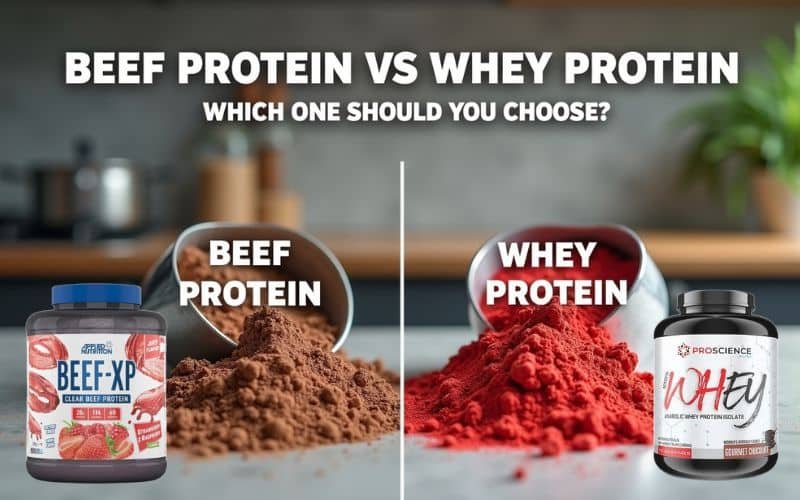
Beef Protein vs Whey Protein: Which One Should You Choose?
When it comes to building muscle, boosting recovery, and supporting overall fitness goals, choosing the right protein supplement can feel overwhelming. The debate of beef protein vs whey protein is one that many athletes, bodybuilders, and fitness enthusiasts face. Both offer powerful benefits, but they serve different purposes depending on your goals, dietary restrictions, and body type.
In this comprehensive guide, we’ll break down the key differences, benefits, and recommendations to help you make an informed decision about which protein is right for you.
Understanding Beef Protein
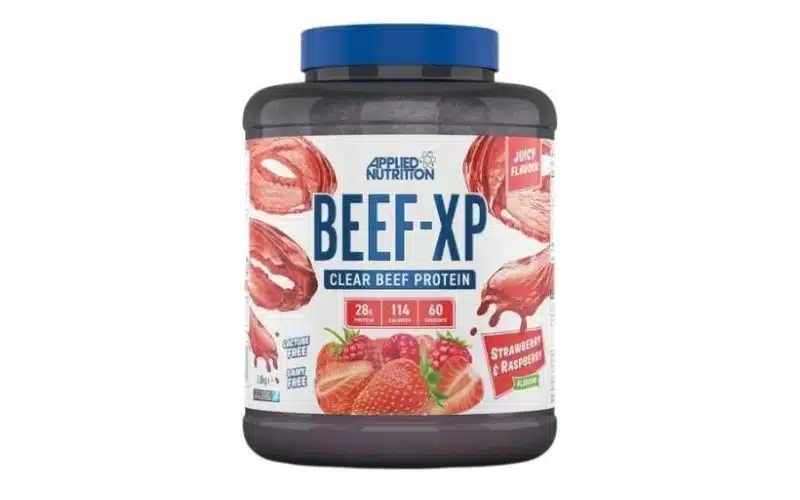
Beef protein is derived from high-quality beef and processed into a concentrated isolate powder form. Unlike traditional whey protein, beef protein is naturally lactose-free, making it an excellent choice for those with dairy sensitivities or lactose intolerance.
What makes beef protein unique is its additional micronutrient profile. It naturally contains iron, which supports oxygen transport and energy levels, and creatine, which aids in strength and power development. These added benefits make it particularly appealing for athletes focused on strength recovery and endurance performance.
Understanding Whey Protein
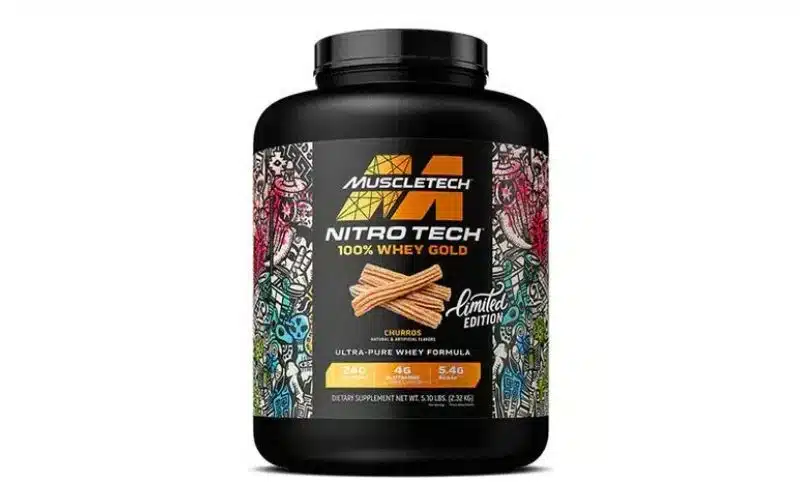
Whey protein remains the world’s most popular protein supplement. Extracted from milk during the cheese-making process, it’s known for its rapid absorption rate and rich branched-chain amino acid (BCAA) profile. This makes it the gold standard for post-workout recovery and muscle growth.
Whey protein comes in several forms:
- Whey Concentrate: Contains 70-80% protein with some lactose and fat
- Whey Isolate: 90%+ protein with minimal lactose and fat
- Hydrolyzed Whey: Pre-digested for even faster absorption
For those starting their fitness journey or looking for proven results, ON Gold Standard 100% Whey has earned its reputation as a trusted choice globally.
Nutritional Comparison: Beef Protein vs Whey Protein
Understanding the nutritional differences is crucial when choosing between these two proteins:
- Protein Content: Both deliver high protein levels per serving. Whey typically offers 24-30g per scoop, while beef protein provides 20-24g, with whey often having a slight edge in protein yield.
- Amino Acid Profile: Whey protein has a more complete amino acid profile with higher leucine content (approximately 2.5-3g per serving), which is critical for triggering muscle protein synthesis. Beef protein still provides all essential amino acids but in slightly different ratios.
- Carbohydrates and Fats: Beef protein powders tend to be lower in both carbs and fats, making them ideal for those following strict cutting phases or low-carb diets.
- Digestibility: Whey digests quickly (within 30-60 minutes), making it perfect for immediate post-workout recovery. Beef protein has a moderate digestion rate, suitable for those with dairy sensitivities.
For a wider selection of protein options designed for different goals, explore our complete protein section.
Benefits of Beef Protein
Beef protein offers several unique advantages that set it apart from whey:
| Feature / Benefit | Beef Protein | Whey Protein |
| Lactose Content | Lactose-free – ideal for lactose intolerance or dairy sensitivities | Contains lactose (except whey isolate – very low lactose) |
| Iron Content | Rich in bioavailable iron – supports oxygen transport and energy levels | Low in iron |
| Creatine Content | Contains naturally occurring creatine – supports strength and power | Does not naturally contain creatine |
| Collagen Support | Contains collagen-building amino acids – supports joint health and recovery | Lower in collagen-supporting amino acids |
| Digestion Speed | Moderate digestion – provides sustained amino acid release | Rapid absorption – ideal post-workout |
| Muscle Growth Research | Effective for muscle support (less studied than whey) | Extensively researched for lean muscle growth and strength gains |
| Fat Loss Support | Supports satiety and lean mass retention | High protein content boosts satiety and metabolism |
| Immune Support | Limited immune-specific compounds | Contains bioactive peptides and immunoglobulins |
| Taste & Mixability | Can have a heavier taste and texture | Generally better taste variety and mixability |
| Cost | Typically more expensive per serving | More affordable and widely available |
Which Is Better for Muscle Growth?
For pure muscle building and recovery speed, whey protein takes the lead. The combination of high leucine content (the primary trigger for muscle protein synthesis) and rapid absorption makes it optimal for maximizing post-workout recovery.
Studies consistently show that whey protein consumed within the anabolic window (30-60 minutes post-workout) significantly enhances muscle protein synthesis compared to other protein sources. This is why it’s the preferred choice for serious bodybuilders and athletes focused on maximizing muscle gains.
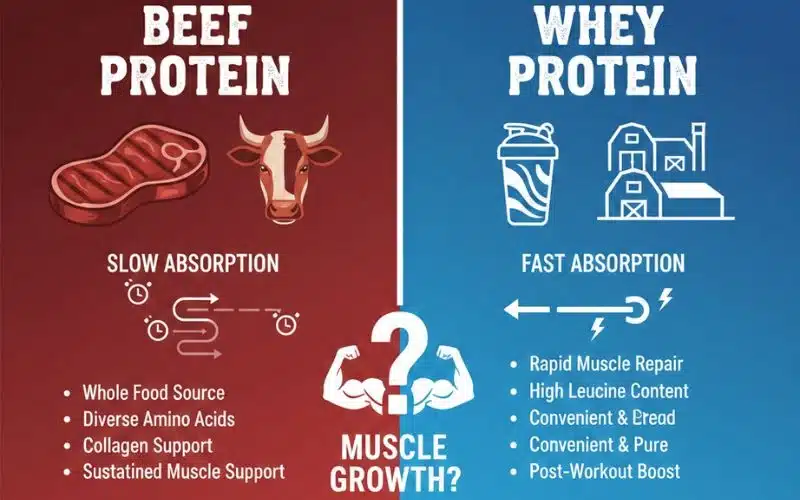
However, beef protein still contributes strongly to muscle growth, especially when you factor in the added creatine content and sustained amino acid delivery. It’s particularly beneficial when used as a mid-day protein source or for individuals who cannot tolerate dairy.
For those specifically focused on building size, explore our lean muscle supplement range for proteins and stacks designed to maximize muscle development.
Which Is Better for Weight Gain or Fat Loss?
Your choice between beef and whey protein should align with your specific phase of training:
For Bulking and Weight Gain
Whey protein is often the preferred choice during mass-building phases. It’s frequently included in weight gainer formulas to increase both protein and calorie intake efficiently. The quick absorption supports multiple feeding opportunities throughout the day.
Products like Serious Mass combine whey with carbohydrates to create an effective mass-building supplement.
For Cutting and Fat Loss
Beef protein shines during cutting phases due to its cleaner macronutrient profile,lower carbs and fats mean more protein per calorie. This makes it ideal for maintaining muscle while creating a caloric deficit.
Stacking beef protein with quality fat burners can enhance results during cutting phases. The combination of high protein intake (preserving muscle) and thermogenic support (increasing fat oxidation) creates an effective approach to getting lean.
Expert Recommendations: When to Choose Which
Both proteins have their place in a well-designed nutrition strategy. Here’s how to decide:
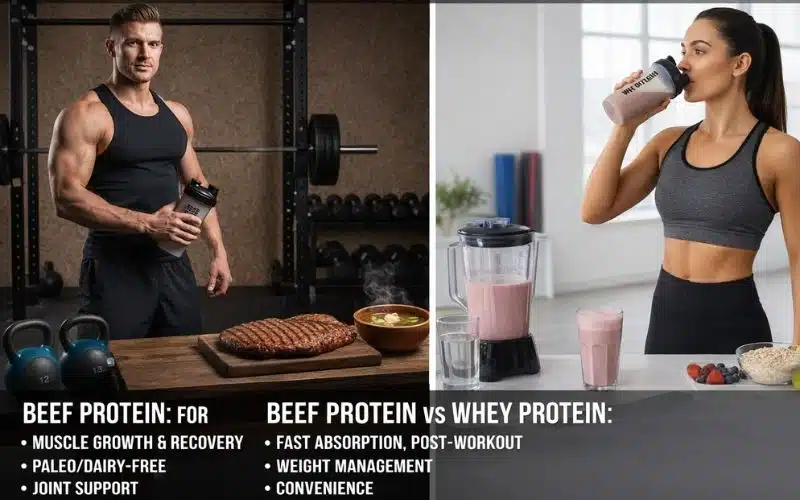
Choose Whey Protein If You:
- Want the fastest, most proven muscle-building option
- Need immediate post-workout recovery
- Are looking for the most cost-effective protein source
- Have no issues with dairy digestion
- Prefer a wide variety of flavors and brands
- Want a versatile protein for various recipes
Recommended Products: ON Gold Standard 100% Whey 5lb, Dymatize ISO100, Applied Nutrition Critical Whey
Choose Beef Protein If You:
- Have lactose intolerance or dairy sensitivities
- Want the additional benefits of iron and natural creatine
- Are following a strict low-carb or keto diet
- Need joint and connective tissue support
- Prefer a protein source with sustained amino acid release
- Are looking for a clean, minimal-ingredient option
Recommended Products: Beef-XP Protein Isolate
Advanced Strategy: Using Both
Many experienced athletes strategically use both proteins:
- Post-workout: Whey protein for rapid recovery
- Mid-day or before bed: Beef protein for sustained amino acid delivery
- Cutting phase: Beef protein for cleaner macros
- Bulking phase: Whey protein in weight gainer formulas
This approach allows you to leverage the unique benefits of each protein type throughout your training day. Check out our strength recovery supplements that complement both protein types for enhanced results.
Additional Protein Options to Consider
Beyond beef and whey, consider these alternatives based on specific needs:
- Casein Protein: Slow-digesting dairy protein ideal for nighttime use
- Vegan/Plant Protein: For those following plant-based diets
- Hydrolyzed Protein: Pre-digested for even faster absorption than standard whey
- Zero Carb Protein: For strict low-carb and keto dieters
For those focused on overall fitness supplementation, don’t forget to explore BCAA supplements, creatine, and pre-workout formulas to round out your supplement stack.
Final Verdict
The beef protein vs whey protein debate doesn’t have a single winner,both are valuable tools in your fitness arsenal. Whey protein remains the gold standard for rapid recovery, proven muscle growth, and cost-effectiveness. Its fast absorption and complete amino acid profile make it unmatched for post-workout nutrition.
However, beef protein stands strong as a premium alternative, especially for those with dairy sensitivities. The added benefits of natural creatine, iron content, and collagen-building amino acids make it particularly valuable for athletes focused on strength, power, and joint health.
Your choice should be guided by:
- Dietary restrictions: Lactose intolerance favors beef protein
- Training goals: Muscle building favors whey; cutting phases may benefit from beef protein’s cleaner macros
- Budget: Whey is typically more cost-effective
- Additional benefits: Need iron or joint support? Choose beef protein
- Timing: Fast recovery needs whey; sustained release needs beef protein
Many successful athletes use both strategically throughout their training day, maximizing the unique benefits of each. Ultimately, consistency with your protein intake, combined with proper training and nutrition, matters more than the specific source.
Ready to make your choice? Browse our complete selection of whey protein supplements and beef protein options to find the perfect fit for your fitness journey.
For comprehensive fitness support, explore our full range of health and wellness products, amino acids, vitamins and minerals, and special offers to maximize your results while staying within budget.
Common Questions About Beef Protein vs Whey Protein
Is beef protein as effective as whey for bodybuilding?
Beef protein effectively supports muscle building with its complete amino acid profile and added creatine. While not quite as fast-absorbing as whey, it’s highly effective, especially when the additional iron and creatine benefits are considered. The natural creatine content is particularly valuable for strength and power athletes.
Can I use both proteins together?
Absolutely. Many athletes use whey immediately post-workout for rapid recovery and beef protein at other times during the day. This strategy provides both immediate and sustained amino acid delivery throughout the day, maximizing muscle protein synthesis.
Is beef protein halal in Pakistan?
Yes, when sourced from halal-certified suppliers. SportsOne offers halal-certified supplements for complete peace of mind, ensuring all products meet Islamic dietary requirements.
Which protein digests faster?
Whey protein digests significantly faster (30-60 minutes) compared to beef protein (2-3 hours). This makes whey ideal for immediate post-workout recovery, while beef protein provides sustained amino acid release suitable for between meals or before bed.
Does beef protein taste better than whey?
This is subjective, but generally, whey protein offers more flavor variety and tends to be more palatable due to decades of flavor development. Beef protein has improved significantly in taste but typically has fewer flavor options available.
Can beef protein help with weight loss?
Yes, beef protein’s lower carb and fat content makes it excellent for weight loss phases. The high protein content supports muscle preservation while creating a caloric deficit. Combine with proper diet and fat burners for enhanced results.


Related posts

Collagen supplements have moved from niche wellness circles into mainstream nutrition conversations, and for good reason. But one question consistently sits at the top of... Continue reading

Most people associate amino acid supplements with muscle recovery or post-workout nutrition, and while those applications are well-established, there is a quieter but equally compelling... Continue reading
Most people who train seriously know that protein matters for muscle growth, but the conversation gets far more interesting when you zoom in on one... Continue reading
Fast cardio has a loyal following among fat-loss enthusiasts, and for good reason , training on an empty stomach pushes the body to tap into... Continue reading
Lahore is the food capital of Pakistan. From weekend breakfast Halwa Puri and Channa in Anarkali to late-night Karahi and Naan in Lakshmi Chowk, our... Continue reading
Add comment