
No products in the cart.
Return To Shop
Beef Protein vs Whey Protein: Which One Should You Choose?
Updated 22 September 2026
When it comes to building muscle, boosting recovery, and supporting overall fitness goals, choosing the right protein supplement can feel overwhelming. The beef protein vs whey protein debate is one that many athletes, bodybuilders, and fitness enthusiasts in Pakistan face — especially with halal certification, lactose tolerance, and PKR pricing all part of the decision. Both offer powerful benefits, but they serve different purposes depending on your goals, dietary restrictions, and body type.
In this 2026 guide, we break down the nutritional differences, muscle-building research, pricing, and safety considerations to help you decide which protein — or combination of both — fits your training.
Beef Protein vs Whey Protein
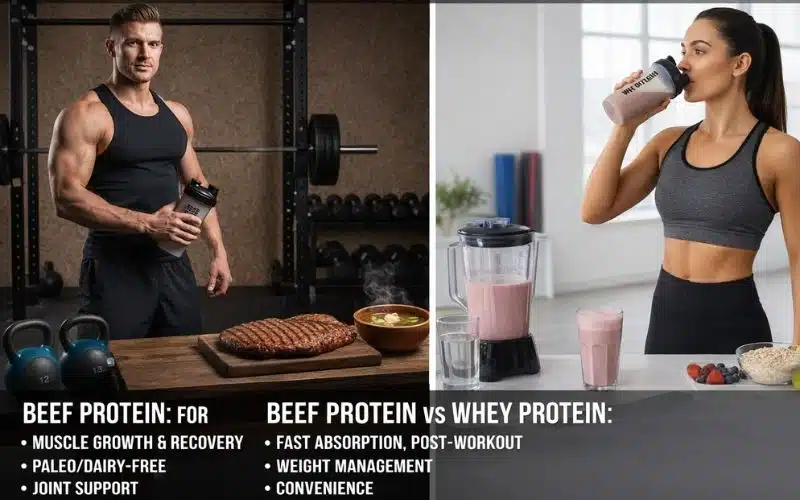
- Muscle building & recovery speed: Whey protein wins — higher leucine content and faster absorption (30–60 minutes).
- Lactose intolerance & dairy sensitivity: Beef protein wins — naturally lactose-free and dairy-free.
- Cutting phase (low carb/fat): Beef protein wins — cleaner macros per gram of protein.
- Budget: Whey protein wins — more widely available and typically cheaper per serving in Pakistan.
- Bonus nutrients: Beef protein wins — natural creatine, iron, and collagen-supporting amino acids.
Understanding Beef Protein
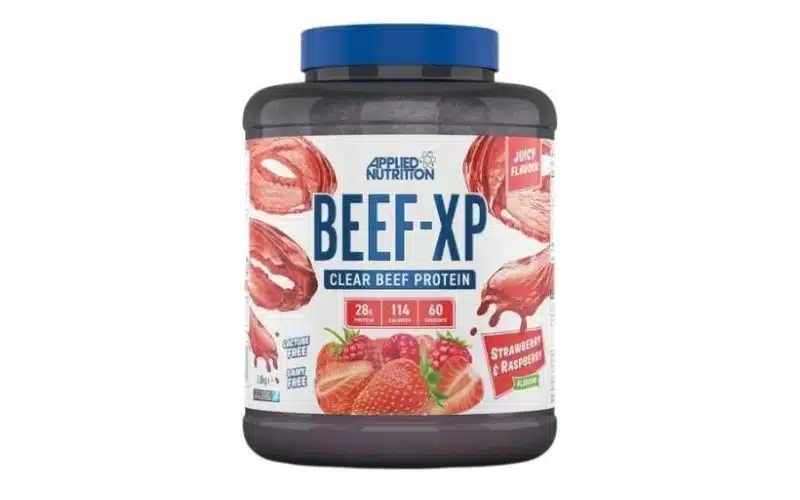
Beef protein is a hydrolyzed beef protein isolate — beef muscle protein broken down into a fast-mixing powder. Unlike traditional whey protein, beef protein is naturally lactose-free and dairy-free, making it an excellent choice for those with dairy sensitivities or lactose intolerance. If dairy is the issue rather than protein powder itself, our guide to isolate protein for lactose-intolerant individuals walks through the full range of dairy-free options.
What makes beef protein unique is its micronutrient profile. It naturally contains iron, which supports oxygen transport and energy levels, and creatine, which aids strength and power development — for a closer look at how much creatine actually does, see our breakdown on creatine for cutting vs bulking in Pakistan. Beef protein also carries collagen- and gelatin-derived amino acids (glycine, proline) that whey lacks, which is why it’s often positioned for joint and connective-tissue support alongside strength recovery.
Understanding Whey Protein
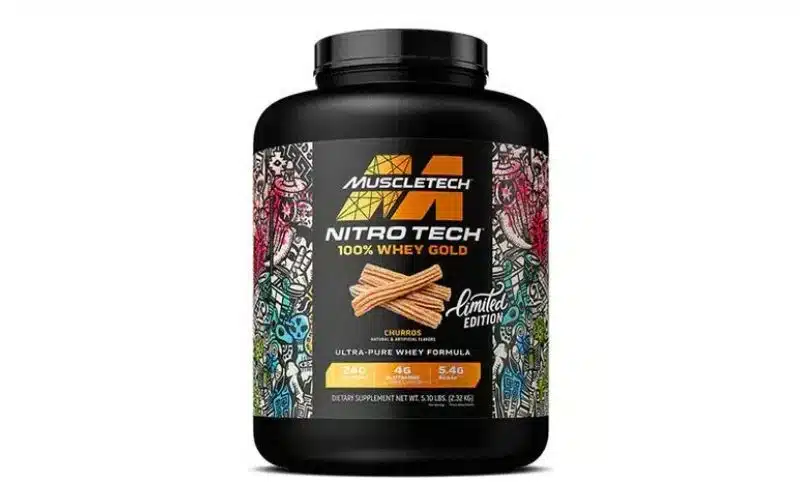
Whey protein remains the world’s most popular protein supplement. Extracted from milk during the cheese-making process, it’s known for its rapid absorption rate and rich branched-chain amino acid (BCAA) profile — specifically its high leucine content, the amino acid that directly triggers the mTOR pathway responsible for muscle protein synthesis. This makes whey the benchmark for post-workout recovery and muscle growth.
Whey protein comes in several forms:
- Whey Concentrate: Contains 70–80% protein with some lactose and fat
- Whey Isolate: 90%+ protein with minimal lactose and fat
- Hydrolyzed Whey: Pre-digested for even faster absorption
For those starting their fitness journey or looking for proven results, ON Gold Standard 100% Whey has earned its reputation as a trusted choice globally. For a full breakdown of what to look for, see our Best Whey Protein in Pakistan guide.
Nutritional Comparison: Beef Protein vs Whey Protein
- Protein Content: Whey typically offers 24–30g per scoop, while beef protein provides 20–27g, depending on the brand.
- Leucine / Amino Acid Profile: Whey has a more complete amino acid profile with higher leucine content (roughly 2.5–3g per serving), the amino acid that most directly triggers muscle protein synthesis. Beef protein provides all essential amino acids but in lower leucine ratios.
- Biological Value: On the biological value (BV) scale used to rank protein digestibility, whey scores at the top (BV 100+) while beef protein scores slightly lower (BV ~90–92) — a modest gap, not a disqualifying one.
- Carbohydrates and Fats: Beef protein powders tend to be lower in both carbs and fats, making them ideal for strict cutting phases or low-carb diets.
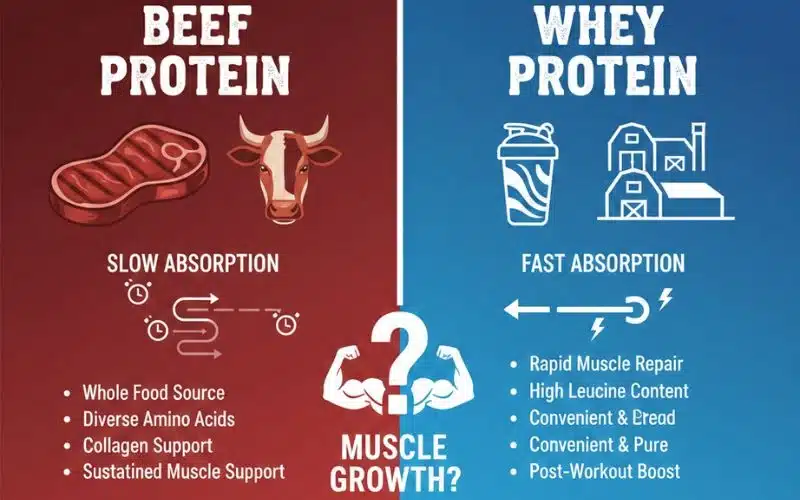
- Digestibility: Whey digests quickly (30–60 minutes), making it ideal for immediate post-workout recovery. Beef protein digests over roughly 2–3 hours, giving a more sustained amino acid release.
For a wider selection of protein options designed for different goals, explore our complete protein section.
Price Comparison: Beef Protein vs Whey Protein in Pakistan
Editorial note: the PKR figures below are an indicative Pakistan retail range pending confirmation against live SportsOne checkout prices — replace before publishing.
| Product Type | Typical Size | Indicative PKR Range* | Cost per Serving (approx.) |
| Whey Concentrate | 2–5 lb | Rs. 8,000 – 16,000 | Lowest |
| Whey Isolate | 2–5 lb | Rs. 12,000 – 22,000 | Mid |
| Beef Protein Isolate (Beef-XP) | 1.8 kg | Rs. 14,800 – 31,500* | Highest |
*Beef protein range reflects the broader Pakistan retail market for imported beef protein isolate; confirm current SportsOne pricing at checkout before relying on it. Whey protein for cutting or fat-loss stacking pairs well with a fat burner, and for bulking phases it’s frequently blended into weight gainer formulas like Serious Mass.
Benefits of Beef Protein vs Whey Protein
| Feature / Benefit | Beef Protein | Whey Protein |
| Lactose Content | Lactose-free — ideal for lactose intolerance or dairy sensitivities | Contains lactose (except whey isolate — very low lactose) |
| Iron Content | Rich in bioavailable iron — supports oxygen transport and energy levels | Low in iron |
| Creatine Content | Contains naturally occurring creatine — supports strength and power | Does not naturally contain creatine |
| Collagen Support | Contains collagen-building amino acids — supports joint health and recovery | Lower in collagen-supporting amino acids |
| Leucine / Digestion Speed | Lower leucine, moderate digestion — sustained amino acid release | Higher leucine, rapid absorption — ideal post-workout |
| Muscle Growth Research | Effective for muscle support, less extensively studied than whey | Extensively researched for lean muscle growth and strength gains |
| Fat Loss Support | Supports satiety and lean mass retention on a caloric deficit | High protein content boosts satiety and metabolism |
| Taste & Mixability | Can have a heavier taste and texture | Generally better taste variety and mixability |
| Cost | Typically more expensive per serving | More affordable and widely available |
Which Is Better for Muscle Growth?
For pure muscle building and recovery speed, whey protein takes the lead. Its higher leucine content — the primary trigger for the mTOR-driven muscle protein synthesis pathway — combined with rapid absorption makes it optimal for maximizing post-workout recovery. Consumed within roughly 30–60 minutes post-workout, whey consistently enhances muscle protein synthesis more than slower-digesting protein sources.
That said, beef protein still contributes meaningfully to muscle growth. A resistance-training study comparing the two in college-aged men found beef protein isolate produced a slightly larger increase in lean body mass than whey (around 5.7% vs 4.7%) alongside comparable strength gains, with beef protein also linked to slightly greater fat loss in that same trial. The takeaway isn’t that beef protein “beats” whey — it’s that both are legitimate muscle-building proteins, and beef protein’s natural creatine and sustained amino acid delivery make it a strong option as a mid-day protein source or for anyone who can’t tolerate dairy.
For those specifically focused on building size, explore our lean muscle supplement range for proteins and stacks designed to maximize muscle development.
Which Is Better for Weight Gain or Fat Loss?
Your choice between beef and whey protein should align with your specific phase of training:
For Bulking and Weight Gain
Whey protein is often the preferred choice during mass-building phases. It’s frequently included in weight gainer formulas to increase both protein and calorie intake efficiently, and products like Serious Mass combine whey with carbohydrates to create an effective mass-building supplement.
For Cutting and Fat Loss
Beef protein shines during cutting phases due to its cleaner macronutrient profile — lower carbs and fats mean more protein per calorie. This makes it ideal for maintaining muscle while creating a caloric deficit. Stacking beef protein with quality fat burners can enhance results, combining high protein intake (preserving muscle) with thermogenic support (increasing fat oxidation).
Expert Guidance: Dosage, Timing & Safety
Dosage: Most resistance-training adults do well with 1.6–2.2g of protein per kg of bodyweight per day, spread across 3–4 meals or shakes. A single serving of either beef or whey protein (20–27g) fits comfortably within that target — there’s rarely a reason to exceed 30–40g in one sitting, since muscle protein synthesis response per meal plateaus beyond that.
Timing: Whey protein’s rapid absorption makes it best suited to the 30–60 minute post-workout window, when muscles are primed to take up amino acids quickly. Beef protein’s slower, 2–3 hour digestion profile makes it a better fit between meals, mid-afternoon, or before bed, where a steady trickle of amino acids is more useful than a fast spike. Many athletes use both: whey immediately post-workout, beef protein later in the day.
Safety and who should be cautious: Both proteins are considered safe for healthy adults at standard serving sizes. People with existing kidney disease should discuss any high-protein supplement with a doctor first, since protein metabolism places extra load on the kidneys. Anyone with a milk or dairy allergy (not just lactose intolerance) should avoid whey concentrate and check whey isolate labelling carefully — beef protein is the safer default here since it’s dairy-free by nature. Pregnant or breastfeeding women, and anyone on medication, should check with a healthcare provider before adding either supplement, and beef protein’s creatine content means extra water intake is worth keeping in mind, the same way it would be with a standalone creatine product. As with any supplement, more is not automatically better — stick to labelled serving sizes and prioritise whole-food protein first.
Expert Recommendations: When to Choose Which
Choose Whey Protein If You:
- Want the fastest, most proven muscle-building option
- Need immediate post-workout recovery
- Are looking for the most cost-effective protein source
- Have no issues with dairy digestion
- Prefer a wide variety of flavors and brands
Recommended Products: ON Gold Standard 100% Whey 5lb, Dymatize ISO100, Applied Nutrition Critical Whey
Choose Beef Protein If You:
- Have lactose intolerance or dairy sensitivities
- Want the additional benefits of iron and natural creatine
- Are following a strict low-carb or keto diet
- Need joint and connective tissue support
- Prefer a protein source with sustained amino acid release
Recommended Products: Beef-XP Protein Isolate
Advanced Strategy: Using Both
- Post-workout: Whey protein for rapid recovery
- Mid-day or before bed: Beef protein for sustained amino acid delivery
- Cutting phase: Beef protein for cleaner macros
- Bulking phase: Whey protein in weight gainer formulas
This approach lets you leverage the unique benefits of each protein type throughout your training day. Check out our strength recovery supplements that complement both protein types for enhanced results.
Additional Protein Options to Consider
- Casein Protein: Slow-digesting dairy protein ideal for nighttime use
- Vegan/Plant Protein: For those following plant-based diets
- Hydrolyzed Protein: Pre-digested for even faster absorption than standard whey
- Zero Carb Protein: For strict low-carb and keto dieters
For those focused on overall fitness supplementation, don’t forget to explore BCAA supplements, creatine, and pre-workout formulas to round out your supplement stack — all sourced as Imported Supplements in Pakistan through SportsOne’s authorised distribution.
Final Verdict
The beef protein vs whey protein debate doesn’t have a single winner — both are valuable tools in your fitness arsenal. Whey protein remains the benchmark for rapid recovery, proven muscle growth, and cost-effectiveness, thanks to its fast absorption and high leucine content. Beef protein stands strong as a premium alternative, especially for those with dairy sensitivities, thanks to its natural creatine, iron content, and collagen-building amino acids.
Your choice should be guided by:
- Dietary restrictions: Lactose intolerance favors beef protein
- Training goals: Muscle building favors whey; cutting phases may benefit from beef protein’s cleaner macros
- Budget: Whey is typically more cost-effective
- Additional benefits: Need iron or joint support? Choose beef protein
- Timing: Fast recovery needs whey; sustained release needs beef protein
Ready to make your choice? Browse our complete selection of Best Whey Protein in Pakistan and beef protein options to find the perfect fit for your fitness journey. For comprehensive support, explore our full range of health and wellness products, amino acids, vitamins and minerals, and special offers.
Frequently Asked Questions
Is beef protein as effective as whey for bodybuilding?
Beef protein effectively supports muscle building with a complete amino acid profile and added natural creatine. It’s not as fast-absorbing as whey, but between the creatine and iron content, it’s a genuinely competitive option for strength and power athletes.
Which has more leucine, beef protein or whey protein?
Whey protein has notably more leucine per serving (around 2.5–3g vs beef protein’s lower ratio). Since leucine is the amino acid that most directly triggers muscle protein synthesis, this is whey’s biggest edge for pure muscle-building speed.
Can I use beef and whey protein together?
Yes. Many athletes use whey immediately post-workout for rapid recovery and beef protein at other times during the day, giving both immediate and sustained amino acid delivery to support muscle protein synthesis around the clock.
Is beef protein halal in Pakistan?
Yes, when sourced from halal-certified suppliers. SportsOne offers halal-certified supplements, including beef protein, for complete peace of mind on dietary requirements.
Which protein digests faster, beef or whey?
Whey protein digests significantly faster (30–60 minutes) compared to beef protein (roughly 2–3 hours). That makes whey ideal for immediate post-workout recovery, while beef protein suits between-meal or before-bed use.


About author

Related posts

For most healthy adults, collagen peptides are well tolerated. The side effects people actually report are mild: a feeling of fullness, bloating, an aftertaste or... Continue reading

The short answer: the best time to take collagen is whichever time you will repeat every single day. Research on hydrolysed collagen peptides has not... Continue reading
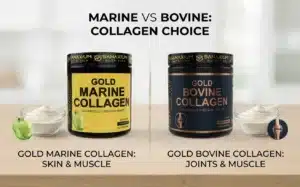
Neither is universally better. Marine collagen is often preferred for skin, hair and people who avoid beef, while bovine collagen is usually cheaper and offers... Continue reading

Collagen may help support joint comfort in some people, but the evidence is modest, results are slow, and it is not a substitute for medical... Continue reading
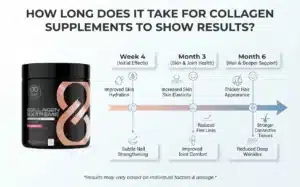
Most people notice their first change from collagen supplements after 4 to 8 weeks, with clearer skin and joint results building between 8 and 12... Continue reading
Add comment