
No products in the cart.
Return To Shop
Does Mass Gainer Work Without Diet and Exercise? The Truth
Updated: September 2026
A mass gainer will add calories and can absolutely make the number on the scale go up even if you skip the gym and eat however you want. But without resistance training and a reasonably balanced diet, most of that extra weight settles in as fat, not the muscle you’re actually chasing. Below, we break down exactly what happens in your body when you drink mass gainer without diet and exercise, and what to do instead.
Mass Gainer With vs. Without Diet & Exercise: Quick Comparison
| Factor | With Training + Diet | Without Training or Diet |
|---|---|---|
| Weight gained | Steady, controlled | Faster, but less predictable |
| Type of gain | Mostly lean muscle | Mostly body fat |
| Strength & performance | Improves | Stays flat or drops |
| Digestive comfort | Generally fine | Bloating, sluggishness more likely |
| Long-term outcome | Lean bulk | “Skinny fat” look |
Mass gainers are often marketed as a shortcut for skinny people desperate to pack on size. These supplements are dense in calories and loaded with protein, carbohydrates, and sometimes added micronutrients aimed at promoting muscle growth and weight gain. If you’re comparing options, browse the full weight gainer in pakistan range to see calorie and protein profiles side by side. Their real purpose is simple: help you hit a caloric surplus when eating enough food through meals alone feels impossible.
The myth worth debunking is the idea that a scoop or two a day will build muscle on its own, no training or diet required. It won’t — and understanding why comes down to basic physiology.
Understanding the Role of Calories and Macronutrients
Your body runs on calories and three macronutrients: protein, carbohydrates, and fats. Mass gainers are formulated to deliver a large dose of these in one serving, often 600–1,200+ calories, which is why they’re popular with people who struggle to eat enough through food alone.
The catch: your body doesn’t automatically convert surplus calories into muscle. Muscle tissue only grows when protein synthesis is triggered by a stimulus — almost always resistance training. Without that stimulus, extra calories are far more likely to be stored as fat than sculpted into lean mass. This is the balancing act between what you consume and what you actually do with it.
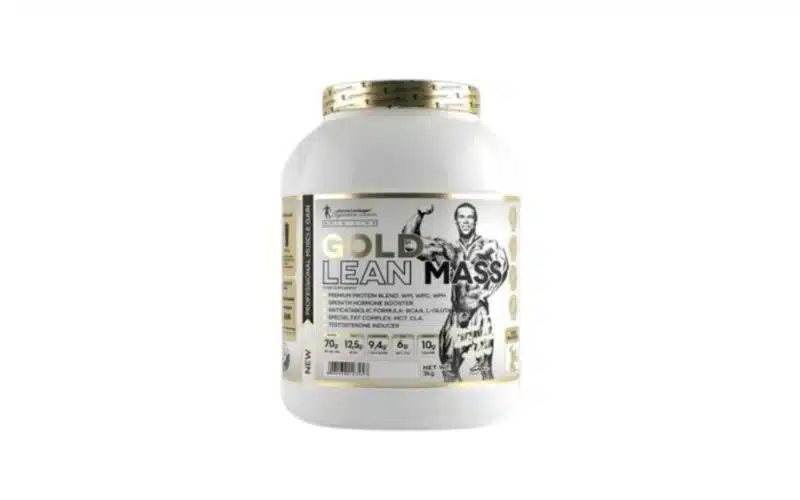
Can Mass Gainer Alone Help You Gain Weight?
Technically, yes. Drinking mass gainer with no exercise or dietary structure will still raise your total calorie intake, and that can lead to weight gain. But here’s the catch: that weight gain tends to show up as fat, not lean muscle mass.
Without a training stimulus, your body has no clear signal to direct those nutrients toward muscle repair and growth. The extra calories accumulate as adipose tissue instead. In plain terms, you might get bigger, but softer — not stronger.
What Happens When You Skip Exercise While Using Mass Gainers
Skipping exercise while drinking mass gainer is like fueling a parked car — the energy is there, but nothing is using it. Exercise, especially strength training, creates micro-tears in muscle fibers, signaling your body to repair and rebuild them bigger using the protein and carbs you’ve consumed.
Without that physical stimulus, unused glucose from the mass gainer tends to be stored as fat. Over time, consistently overshooting your calorie needs without training can contribute to unwanted weight gain, insulin resistance, and a sluggish metabolism.
Why Diet Still Matters
Mass gainers are designed to complement your diet, not replace it. Leaning on supplements alone strips your body of the micronutrients, fiber, and healthy fats found in whole foods.
A balanced diet ensures your body still gets the vitamins, minerals, antioxidants, and fiber that most gainers lack. Skip these consistently and you risk digestive issues, a sluggish metabolism, and nutrient gaps. Your meals should still include complex carbs, lean proteins, healthy fats, fruits, and vegetables to give your body a genuinely supportive environment for muscle growth.
Common Misconceptions About Mass Gainers
The biggest misconception is that mass gainers are a shortcut to muscle. People hear “mass” and assume it means “muscle.” In reality, mass gainers increase overall body weight, not necessarily muscle mass specifically.
Another common myth: the more you drink, the faster you grow. Overconsuming without training just leads to fat gain, bloating, and sometimes digestive distress. It’s also untrue that mass gainers are essential — plenty of people build muscle effectively through diet and training alone, sometimes supplementing with whey protein instead of a full gainer.
Dosage, Timing & Safety: Using Mass Gainers the Right Way
Most mass gainers are formulated around a specific serving size for a reason — stick to the label rather than doubling up to “speed things up.” A single serving already delivers a large calorie and carbohydrate load, and stacking multiple scoops mainly raises your fat-gain risk rather than your muscle-gain rate.
Timing-wise, a serving works well either shortly after a workout, when your muscles are primed to use the incoming nutrients, or between meals on days you’re struggling to hit your calorie target. Avoid using it as a straight replacement for breakfast, lunch, or dinner over the long term — whole meals bring fiber and micronutrients a gainer can’t replicate.
On safety: mass gainers are calorie- and sugar-dense, so anyone managing blood sugar, insulin sensitivity, or a condition like diabetes should check the carbohydrate content carefully and get medical advice before adding one to their routine. Those who are lactose-sensitive should also check whether the formula is whey-based or contains dairy derivatives, since digestive discomfort is one of the most common complaints with high-dose gainers. Introducing a new gainer gradually — starting with half a serving for the first few days — is a simple way to gauge how your stomach handles it before committing to a full dose.
Which Mass Gainer Fits Your Goal?
- True hardgainers with a fast metabolism: a standard high-calorie mass or weight gainer paired with consistent resistance training is usually the fastest route to visible size. See our guide on how to use mass gainer correctly for a simple daily routine.
- Lifters who want to bulk without excess fat: a lean mass gainer with a cleaner calorie source and less sugar is the better fit. Our breakdown of mass gainer vs. lean gainer for skinny-fat body types covers this in detail.
- Beginners still building a training habit: start with food and a straightforward whey protein, and only add a full gainer once your training is consistent enough to actually use the surplus.
- Not sure which product to pick: our roundup of the best mass gainers in Pakistan compares calories, protein, and price across the top options.
- Pair with Resistance Training: Lift weights or do bodyweight training so your body has a reason to use the extra calories for muscle growth. A pre-workout supplement can help you push harder in the gym.
- Don’t Skip Real Meals: Use mass gainers as a supplement, not a meal replacement.
- Support Recovery: Pair your mass gainer with BCAA or glutamine to aid muscle recovery after training.
- Start with Half a Serving: Monitor how your body responds before adjusting to a full dose.
- Stay Hydrated: Mass gainers are calorie-dense; adequate water supports digestion and absorption.
- Choose Wisely: Look for a gainer with quality protein, moderate sugar, and digestive enzymes. Explore lean mass gainers for cleaner calories with less fat-gain risk.
Smart Tips for Using Mass Gainers Effectively

Frequently Asked Questions
Can I take mass gainer without going to the gym?
You can, and you’ll likely gain weight from the extra calories. But without resistance training, most of that weight tends to be stored as fat rather than built into muscle, so it won’t give you the toned, muscular look most people want.
Will mass gainer make me fat if I don’t exercise?
It can. Mass gainers add a large calorie surplus, and without training to use those calories for muscle repair, the excess is more likely to be stored as body fat over time, especially with daily use.
How much weight will I gain from mass gainer alone?
It varies by metabolism and serving size, but expect faster, less predictable weight gain than with training, and a higher proportion of that gain to be fat rather than lean muscle mass.
What’s the difference between a mass gainer and a weight gainer?
The terms are largely used interchangeably in Pakistan. Some brands use “mass gainer” for higher-calorie, higher-carb formulas and “weight gainer” for slightly leaner blends, but always check the nutrition label rather than the name.
How long before I see results from a mass gainer without training?
You may notice the scale move within 2–3 weeks, but that early change is mostly water weight and fat, not muscle. Visible, lasting muscle growth only comes once consistent resistance training is added.
Final Thoughts
Mass gainers are a genuinely useful tool for anyone struggling to hit their daily calorie goals, but they’re not a magic potion. Without proper diet and consistent exercise, their effectiveness drops sharply — instead of building muscle, they may simply expand your waistline.
The real formula for healthy, lasting weight gain combines resistance training, nutrient-dense whole foods, and smart supplementation. Use a weight gainer strategically to fuel your workouts, support recovery, and build the kind of mass that actually holds up. Browse the full range of strength & recovery supplements at SportsOne to build your complete stack.

About author

Related posts

For most healthy adults, collagen peptides are well tolerated. The side effects people actually report are mild: a feeling of fullness, bloating, an aftertaste or... Continue reading

The short answer: the best time to take collagen is whichever time you will repeat every single day. Research on hydrolysed collagen peptides has not... Continue reading
Neither is universally better. Marine collagen is often preferred for skin, hair and people who avoid beef, while bovine collagen is usually cheaper and offers... Continue reading
Collagen may help support joint comfort in some people, but the evidence is modest, results are slow, and it is not a substitute for medical... Continue reading
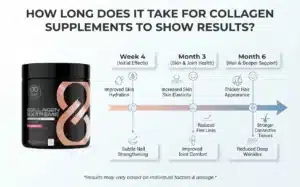
Most people notice their first change from collagen supplements after 4 to 8 weeks, with clearer skin and joint results building between 8 and 12... Continue reading
Add comment