
No products in the cart.
Return To Shop
How to Find the Official Distributor of Imported Supplements in Pakistan
Last updated: September 11, 2026
Imported supplements in Pakistan — whey protein, creatine, mass gainers, pre-workouts, vitamins, and omega-3s brought in from international brands — are only as good as the supply chain behind them. Demand has grown fast, but so has the number of fake, expired, and unauthorized products circulating online. Many buyers unknowingly pay full price for a tub that looks original but was never handled by an authorized importer, which means no verified batch, no proper storage, and no real accountability if something goes wrong.
This guide explains what imported supplements actually are, which categories buyers ask about most, how the manufacturer-to-consumer supply chain works, and the exact steps to identify official distributors and spot counterfeits before you pay.

What Are Imported Supplements in Pakistan?
Imported supplements are products manufactured by an international brand outside Pakistan and brought into the country through a legal import process, as opposed to being locally manufactured or repackaged. That distinction matters because an imported label alone proves nothing — a product is only “genuine imported” if it can be traced back through an authorized importer to the original manufacturer. Being imported does not automatically mean a supplement is superior to a locally made one; it simply means the sourcing, documentation, and verification process are different, and each step needs to be checked.
Why Buy Imported Supplements From an Authorized Distributor?
Pakistan’s supplement market is highly fragmented. Unlike tightly regulated Western markets, any seller can list imported supplements online, even without brand authorization. Buying from unofficial sources can result in:
- Fake or under-dosed products
- Expired or improperly stored supplements, especially in Pakistan’s heat and humidity
- No manufacturer support, warranty, or return process
- Health risks from contamination or unlisted ingredients
- Grey-market stock with no traceable batch history
Official distributors act as the trust bridge between international brands and Pakistani consumers, which is why the rest of this guide focuses on how that bridge actually works — and how to check it yourself before you buy.
Which Imported Supplements Are Commonly Sold in Pakistan?
“Imported supplements” covers a wide product range, and each category carries its own authenticity checkpoints (dosage per serving, third-party testing, and batch verification vary by product type). The categories buyers search for most often include:
Whey Protein and Protein Isolates
The highest-demand category, and unfortunately the most counterfeited because tubs are easy to refill and reseal. Check protein-per-scoop against the manufacturer’s published label and cross-verify the batch number. See our guide to top imported protein brands in Pakistan for brand-specific checks.
Creatine Supplements
Usually creatine monohydrate. Because it’s a fine powder, look for a properly sealed inner foil layer, not just an outer shrink wrap — a common counterfeit shortcut.
Mass and Weight Gainers
Large-format tubs (often 6-12 lbs) are heavier to import and store correctly, so storage/climate handling matters even more here than with smaller products.
Pre-Workout Supplements
Stimulant-based formulas where under-dosing or contamination is harder to detect by taste alone; batch/lot verification is especially important for this category.
BCAA, EAA, Vitamins, Minerals, Omega-3 and Collagen
Growing categories in Pakistan, particularly among general wellness buyers rather than athletes. The same authorization and batch-check rules apply regardless of category.
Distributor vs Retailer vs Reseller — and How the Supply Chain Works
Understanding the chain a product travels through helps explain why “official distributor” is the phrase to look for, not just “imported”:
Manufacturer / brand owner → authorized importer → authorized distributor → authorized retailer → consumer.
- Manufacturer / Brand Owner: Produces the supplement and sets official specifications.
- Authorized Importer / Distributor: Legally licensed to bring the product into Pakistan, store it correctly, and sell through approved channels — the highest trust level in the chain.
- Authorized Retailer: Sources directly from the distributor and sells to the public, but does not import independently.
- Reseller: Often unverified and may source stock from anywhere, including grey-market or expired batches — the weakest link for authenticity.
Only distributors and their approved retailers can reliably guarantee authenticity, correct storage, and traceability back to the manufacturer.
Common Problems With Imported Supplements in Pakistan

Before learning how to find an official distributor, it helps to understand the real risks in Pakistan’s supplement market. Counterfeit products frequently use copied packaging that looks nearly identical to the original at a glance. Some stock is smuggled in without proper quality checks; other tubs arrive with broken seals or missing scratch codes. It’s also common for locally repackaged products to be marketed as “imported” to justify a higher price. These issues persist mainly because buyers focus on the product name instead of verifying the seller’s authorization, storage practices, and overall credibility first.
How to Find the Official Distributor of Imported Supplements in Pakistan
This is the core of the guide. Work through these checks in order — each one closes off a different way counterfeit sellers try to look legitimate.
1. Check the Brand’s Official Authorized-Distributor List
Most international supplement brands publish their official Pakistani distributors on their global website, verified social media pages, or press releases. If a Pakistani seller doesn’t appear anywhere in the brand’s own channels, treat that as a warning sign, not a technicality.
2. Verify Importer and Distribution Documentation
Authorized distributors typically hold import documents, a distribution agreement, and a brand authorization letter. Reputable sellers won’t hesitate to share or confirm this information when asked directly.
3. Search for Independent Brand Mentions
Search “[brand name] + official distributor Pakistan.” If the same store name appears consistently across brand channels, blogs, and press mentions — not just on the seller’s own page — that repetition is a genuine trust signal.
4. Confirm a Physical Store, Warehouse, or Support Team
Genuine distributors usually operate a physical retail outlet, a proper warehouse, and a reachable customer support team. An anonymous, online-only page with no address and no landline is a red flag, regardless of how professional the product photos look.
5. Check Batch Number, Lot Number and Expiry Date
Every genuine tub carries a batch/lot number and an expiry date printed or stamped on the packaging. Cross-check the batch against the manufacturer’s site where that option exists, and be suspicious of smudged, re-printed, or missing batch codes.
6. Inspect the Importer Sticker, Seal and Packaging
A proper importer sticker should list the importer’s name, address, and contact details — it’s the local paper trail on the product itself. Combine this with a tamper-evident seal check (intact, not re-glued) and a close look at print quality: faded fonts, color shifts, or slightly-off logos are common signs of copied packaging.
7. Verify QR Codes or Scratch/Authentication Codes
Where a brand offers an online verification system (QR code, scratch panel, or serial lookup), always check it before use, not after finishing the tub. Authentic distributors sell verifiable products, not just claims of authenticity.
8. Compare Pricing — But Never Use Price Alone as Proof
Consistent, market-aligned pricing across sellers is a reasonable sanity check, and our price comparison guide for imported supplements is a useful reference. But price is a supporting signal, not a verification method on its own — some counterfeiters price close to market rate specifically to avoid suspicion.
Fake vs Original Imported Supplements: How to Tell the Difference
| Feature | Original | Fake / Grey-Market |
| Packaging & Print | Clean, consistent, sharp print | Faded, slightly off-color, copied |
| Seal | Intact, branded, tamper-evident | Broken, re-glued, or generic |
| Batch / Lot Number | Clear, verifiable, matches records | Smudged, missing, or unverifiable |
| Importer Sticker | Full importer name, address, contact | Missing or vague/no contact details |
| Scratch / QR Code | Verifies successfully online | Invalid, missing, or reused |
| Price | Market-aligned across sellers | Unusually cheap, or oddly “too perfect” |
| Seller Documentation | Provides invoice, return policy, contact info | No invoice, vague identity, no support |
No single row in this table is proof on its own — authenticity is confirmed by checking several signals together, not by relying on just one.
What Certifications and Quality Signals Should You Check?
Authorization confirms a product came through the right supply chain; certifications speak to how and where it was made. Both matter, and they answer different questions:
- GMP (Good Manufacturing Practice): Indicates the product was made under recognized manufacturing-quality standards. It speaks to how the product was produced, not whether the specific tub you’re holding is authentic.
- Halal certification: Relevant to many Pakistani buyers checking permitted ingredients and processing methods. A valid Halal certificate is a quality/compliance signal, not a guarantee that the product itself hasn’t been counterfeited or diluted after leaving the factory.
- Certificate of Analysis (COA): A COA is batch- or product-specific lab evidence (usually testing for label-claim accuracy or banned substances). It documents what was tested in a given batch — it is not a universal authenticity guarantee for every unit sold under that brand.
- Third-party / sport-testing programs (e.g., Informed-Choice-style testing): Most relevant to athletes in tested sports who need assurance a product is free of banned substances, in addition to standard authenticity checks.
- DRAP (Drug Regulatory Authority of Pakistan): DRAP has regulatory oversight relevant to health and nutritional products entering Pakistan. Not every supplement category or claim maps directly onto a formal DRAP approval process, so buyers should treat “DRAP-relevant” documentation as one part of the compliance picture rather than assuming a blanket approval exists for any product labeled as a supplement.
None of these certifications should be read as medical advice or a guarantee of suitability for a specific person — always check the ingredient label and consult a healthcare professional if you have a medical condition or take other medication.
How to Avoid Grey-Market and Counterfeit Supplements
Grey-market supplements are products that are genuinely manufactured by the brand but enter Pakistan outside the authorized import and distribution route — for example, personal imports resold commercially, or stock diverted from another country’s authorized channel. They aren’t necessarily counterfeit, but they carry the same core risk: broken traceability. Nobody can confirm how they were stored, how long they sat in transit, or whether the batch was ever recalled. Treat grey-market stock with the same caution as unverified sellers, and apply the full checklist above before buying.
Role of Authorized Distribution in Supplement Safety
Authorized distribution exists to ensure proper temperature-controlled storage, no product tampering along the route, a traceable supply chain back to the manufacturer, and clear accountability if something goes wrong. This matters more in Pakistan’s climate than in cooler markets — poor storage can degrade a supplement’s quality even when the product itself started out completely genuine.
Signs You Are Buying From an Authorized Seller

You’re likely dealing with an authorized seller when pricing stays consistent across batches, invoices and receipts are issued properly, and return/support policies are clearly explained upfront. Trusted sellers also proactively walk buyers through brand-specific verification methods rather than waiting to be asked. Random discount sellers, by contrast, usually lack documentation, transparency, and after-sales support — a pattern that often signals unauthorized sourcing.
Where Pakistanis Usually Go Wrong When Buying Supplements Online

The most common mistakes are trusting Facebook or WhatsApp sellers without any verification, choosing the lowest price while skipping authenticity checks entirely, overlooking distributor credentials altogether, and assuming the word “imported” automatically means original. Smart buyers verify a seller’s authorization and credibility first — before the product name or the discount ever enters the decision.
How SportsOne International Ensures Authentic Imported Supplements
SportsOne International follows a strict authenticity framework built around the same checks outlined in this guide:
- Sourcing only through authorized brand and importer channels
- Proper warehousing suited to Pakistan’s climate
- Selling sealed, batch-verifiable products
- Transparent customer guidance on how to verify a product independently
Explore our full range of authorized imported supplement brands or browse the shop directly.
Why Authorized Stores Are Better Than Random Online Sellers
Authorized stores offer accountability, brand backing, safer storage, and a verified supply chain. Random sellers tend to disappear the moment a problem arises; authorized sellers, whose business depends on their brand relationships, generally don’t.
Checklist: How to Verify an Official Supplement Distributor
Before buying, confirm:
- ✅ Brand authorization proof (appears on the brand’s own channels)
- ✅ Physical store, warehouse, or verifiable business address
- ✅ A working product-verification method (QR, scratch code, or serial lookup)
- ✅ Clear business identity, invoice, and return policy
- ✅ Batch/lot number and expiry date visible and legible
- ✅ Importer sticker with full contact details
- ✅ Market-aligned pricing
If even one item is missing, reconsider the purchase before paying.
Where to Buy Authentic Imported Supplements in Pakistan
Buy from officially authorized distributors or their approved retail partners that offer clear verification methods, proper invoices, visible brand listings, and responsive customer support. For safe, genuine, imported supplements, visit SportsOne International and browse our authorized brand catalog to invest confidently in your fitness goals.
Frequently Asked Questions (FAQs)
Why are fake supplements common in Pakistan?
Weak regulatory enforcement, strong demand for imported brands, and price sensitivity that pushes buyers toward unverified sellers all contribute. This is exactly why distributor verification matters more than the brand name alone.
Is checking the scratch code or QR code enough?
No. A scratch or QR code can confirm the product’s authenticity claim, but it doesn’t verify how the item was stored or whether the supply chain behind it was legitimate. Combine it with batch checks, seal inspection, and distributor verification.
Can an online store be an official distributor?
Yes. An online store can be a genuine official distributor if it is brand-authorized, transparent about sourcing, provides verifiable contact details, and operates beyond an unverified social media page alone.
What’s the difference between an importer, a distributor, and a retailer?
The importer brings the product into Pakistan legally from the manufacturer; the distributor stores and supplies it at scale to approved sellers; the retailer sells directly to consumers, usually sourcing from the distributor rather than importing independently.
Does a Halal certificate prove a supplement is authentic?
Not on its own. A Halal certificate speaks to permitted ingredients and processing methods where it applies — it doesn’t independently verify that the exact tub in front of you is a genuine, unaltered unit from an authorized importer.
Are cheaper imported supplements always fake?
Not always, but prices well below the market average often signal unauthorized imports, near-expired stock, or counterfeits. Consistent pricing from a verified distributor is generally a safer indicator than the lowest price available.
Where should I buy imported supplements in Pakistan?
Buy from officially authorized distributors or their approved retail partners that provide clear verification methods, invoices, brand listings, and responsive customer support for authenticity assurance.
Conclusion
Knowing how to find the official distributor of imported supplements in Pakistan protects your health, your money, and your fitness goals. In a market flooded with counterfeits and grey-market stock, verification is more important than the brand name or the discount on offer. Always prioritize authorized distributors, check batch numbers and seals, and choose sellers who openly prove authenticity rather than simply claiming it. For safe, genuine, imported supplements, buy from SportsOne International and invest confidently in your fitness journey.


About author

Related posts

For most healthy adults, collagen peptides are well tolerated. The side effects people actually report are mild: a feeling of fullness, bloating, an aftertaste or... Continue reading
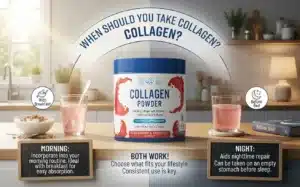
The short answer: the best time to take collagen is whichever time you will repeat every single day. Research on hydrolysed collagen peptides has not... Continue reading
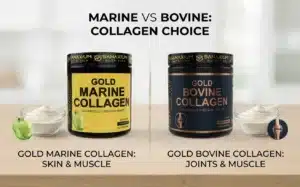
Neither is universally better. Marine collagen is often preferred for skin, hair and people who avoid beef, while bovine collagen is usually cheaper and offers... Continue reading
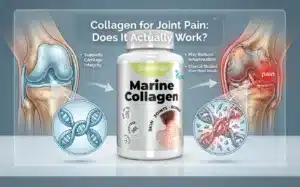
Collagen may help support joint comfort in some people, but the evidence is modest, results are slow, and it is not a substitute for medical... Continue reading
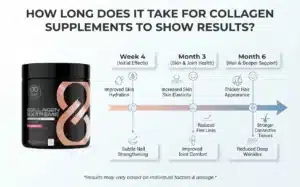
Most people notice their first change from collagen supplements after 4 to 8 weeks, with clearer skin and joint results building between 8 and 12... Continue reading
Add comment