
No products in the cart.
Return To Shop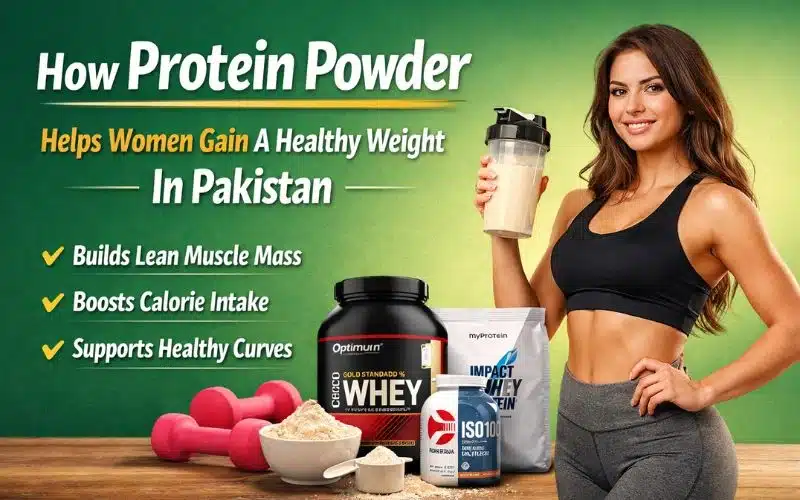
How Protein Powder Helps Women Gain A Healthy Weight In Pakistan
For Pakistani women struggling with being underweight, the journey to healthy weight gain can feel overwhelming. Between cultural expectations, busy schedules, and conflicting nutrition advice, many don’t know where to start.
Protein powder isn’t just for bodybuilders; it’s actually one of the most practical tools for healthy weight gain in Pakistan’s unique dietary landscape.
Why Pakistani Women Struggle With Weight Gain
Many Pakistani women face challenges like limited appetite, cultural expectations, busy routines, and juggling family and work, making it hard to consume enough calories and protein consistently. Gaps in nutrition knowledge can further slow healthy weight gain.
Traditional meals like paratha with chai or daal chawal are nutritious but often don’t provide enough concentrated calories and protein. Protein supplements offer a convenient, effective way to meet daily needs, supporting energy, strength, and overall vitality alongside regular meals.
How Protein Powder Supports Healthy Weight Gain
Whey protein fills nutritional gaps without requiring massive portions. One scoop contains 20-25 grams of protein with 100-150 calories, perfect for women who struggle with appetite. When consumed with exercise, your body builds lean muscle mass rather than storing fat, creating the toned appearance most women desire.
Women need approximately 1.2-1.6 grams of protein per kilogram of body weight for healthy weight gain. A 50kg woman needs 60-80 grams daily. Getting this from food alone means eating 300 grams of chicken or 6 eggs daily, and protein powder makes this realistic by adding 40-50 grams through convenient shakes.
Choosing the Right Protein for Weight Gain
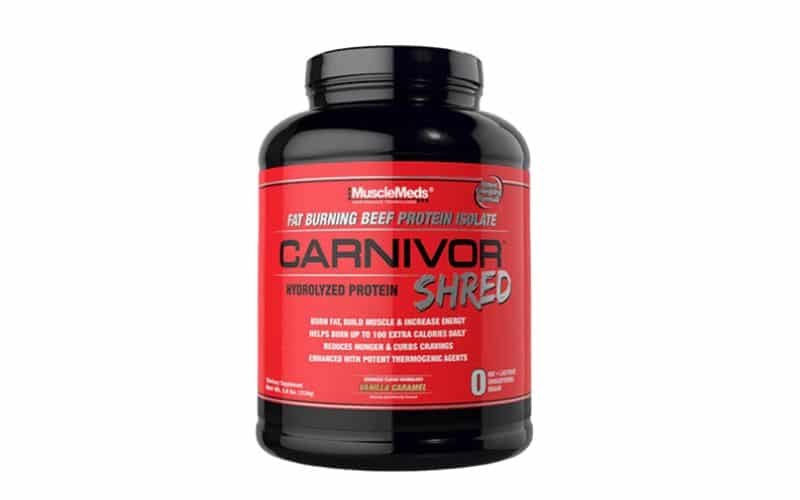
Mass gainers typically deliver 600–1200 calories per serving, combining large amounts of carbohydrates with moderate protein, making them suitable for individuals struggling to gain weight or meet high calorie demands. In contrast, regular whey protein is designed primarily to support daily protein intake, muscle recovery, and lean muscle development without adding excessive calories.
Mass gainers provide 600-1200 calories with protein and carbs, while regular whey focuses on protein. Most Pakistani women do better with quality whey protein isolate, which contains 90-95% protein with minimal lactose, ideal for sensitive stomachs. Grass-fed whey offers superior nutrients but costs more.
Creating Delicious Weight Gain Shakes
Mix protein powder with full-fat milk, peanut butter, banana, dates, and honey for a 700+ calorie shake. Pakistani women can create “malai kulfi” or “gajar halwa” inspired shakes using familiar flavors. These whey protein smoothie recipes incorporate wholesome ingredients while boosting nutrition.
Timing Your Protein Intake
Distribute protein across multiple meals for optimal results. Take a shake in the morning if appetite is low, post-workout within 30-60 minutes, and consider casein protein before bed to prevent overnight muscle breakdown.
Combining Protein With Pakistani Foods
One of the easiest ways to increase daily protein intake is by adding unflavored protein powder to traditional Pakistani foods. Because unflavored whey or plant protein has a neutral taste, it blends seamlessly into everyday recipes without altering flavor, texture, or aroma.
You can mix unflavored protein into atta for making parathas or rotis, stir it into cooked daal, or blend it into lassi, yogurt, or smoothies. This simple habit quietly boosts protein content in meals you already enjoy, making it easier to meet your nutritional needs without relying solely on shakes.
Alongside smart supplementation, prioritizing naturally high-protein whole foods is essential for balanced nutrition and long-term health.
High-Protein Foods to Include Regularly
Including high-protein foods in your daily diet is essential for building strength, maintaining energy, and supporting overall health.
- Eggs and egg whites
- Fish and seafood
- Lentils, chickpeas, and kidney beans
- Milk, yogurt, and cottage cheese
For busy schedules, protein shakes between meals offer a convenient solution. They help prevent long gaps without nutrition, support muscle recovery, and reduce unhealthy snacking.
Dosage and Progress Tracking
Start with one scoop per day (25–30g protein) and adjust based on how much protein you already get from food. The aim is to meet daily protein needs for muscle support, recovery, and overall health without excess intake. Increase gradually if training intensity or activity level rises.
Track progress weekly, not daily, and aim for a slow, healthy gain of 0.25–0.5 kg per week. Daily weight changes are normal due to water retention and menstrual cycles, so focus on long-term trends, strength improvements, and body composition rather than short-term fluctuations on the scale.
Exercise for Healthy Weight Gain
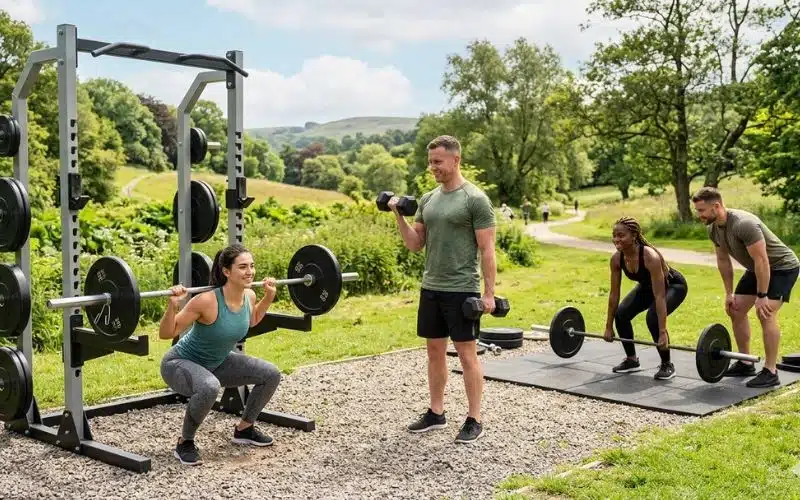
Exercise plays a crucial role in ensuring that weight gain comes from lean muscle rather than unwanted fat. Simple home-based bodyweight exercises can effectively stimulate muscle growth when paired with adequate protein intake. You don’t need a gym or heavy equipment, just consistency and proper form.
Even 20–30 minutes of strength-focused training, three times per week, can produce visible improvements in strength, tone, and body shape. Lower-body movements, in particular, help develop the glutes and legs, supporting healthy curves and balanced weight gain at home.
Effective Home Exercises
- Squats
- Lunges
- Glute bridges
- Push-ups
- Planks
- Wall sits
Navigating Cultural Perceptions
Shift conversations away from weight and toward health benefits like higher energy, stronger immunity, better strength, and improved daily performance. When whey protein is presented as a tool for overall wellness rather than appearance, it becomes more acceptable and relatable.
Also highlight culturally relevant advantages, such as supporting women’s health and preventing nutrient deficiencies. Educate family members about halal-certified whey protein, quality testing, and safety standards to build trust and confidence in its regular use.
Finding Quality Protein in Pakistan
Always purchase supplements from authorized distributors or reputable retailers to ensure product authenticity and safety. Genuine products clearly display proper labeling, sealed packaging, batch or lot numbers, manufacturing details, and visible expiration dates. Taking a few moments to inspect these details can protect you from counterfeit or expired supplements that may be ineffective or harmful.
When it comes to trusted brands, Applied Nutrition, Muscletech, and Optimum Nutrition are widely recognized for their quality standards and consistent formulations. These brands offer options across different price ranges, allowing you to choose a product that fits both your budget and nutritional needs without compromising on quality.
Here’s a polished version merging your two sections under one heading, with clear paragraphs and balanced bullet points for readability:
Monitoring Healthy Gains
Tracking your progress is more than just watching the scale. Focus on key measurements such as waist, hips, thighs, and arms every month. Healthy weight gain should be proportional, supporting strength and overall vitality rather than leading to constant fatigue. Pay close attention to your energy levels, performance in daily activities, and overall well-being.
- Track body measurements monthly, not just weight.
- Observe energy levels and overall health for signs of quality gains.
- Aim for proportional increases in muscle mass rather than excessive fat accumulation.
Maintaining Healthy Gains
Once you approach your desired goals, focus on long-term maintenance. Gradually reduce reliance on supplements, emphasizing whole foods for sustainable nutrition. Continue consistent strength training to preserve muscle mass. Keep protein powders handy during periods of stress, illness, or other challenges to prevent setbacks.
- Transition gradually from supplementation to a nutrient-rich, whole-food diet.
- Maintain regular strength training to preserve gains.
- Use protein supplements strategically during demanding periods to avoid backsliding.
Final Thoughts
For Pakistani women working toward healthy weight gain, protein powder provides a practical solution respecting busy lives, cultural considerations, and nutritional needs. By choosing quality products, creating culturally-adapted recipes, timing intake strategically, and pairing supplementation with exercise, you can achieve sustainable results.
Enhancing both appearance and health. Start where you are, make gradual adjustments, and maintain patience. Healthy weight gain takes time but delivers lasting transformation.
Frequently Asked Questions
Q: How long does it take to see weight gain results using protein powder for women in Pakistan?
Most women notice initial changes within 3-4 weeks when consistently using protein powder with adequate calories and light exercise. However, significant, sustainable weight gain typically takes 2-3 months to become apparent.
Q: Can I use whey protein during pregnancy for healthy weight gain?
Whey protein is generally safe during pregnancy; always consult your healthcare provider before starting any supplement regimen. Pregnant Pakistani women often need additional protein for fetal development, and quality whey can help meet these needs.
Q: What’s the difference between mass gainer and regular whey protein for women trying to gain weight?
Mass gainers contain both protein and significant carbohydrates (often 600-1200 calories per serving), while regular whey protein focuses primarily on protein content with 100-150 calories per scoop. For most Pakistani women, regular whey protein combined with calorie-dense whole foods offers better nutritional balance and control than mass gainers, which can cause excessive fat gain if not carefully managed.
Q: Will protein powder make Pakistani women bulky or masculine-looking?
No, this is a common myth. Women have significantly lower testosterone levels than men, making it biologically impossible to build bulky muscles from protein powder alone. What protein powder does is support healthy lean muscle development, improve body composition, and better curves, exactly what most Pakistani women desire when pursuing healthy weight gain.
Q: Can vegetarian Pakistani women use plant-based protein powder for weight gain?
Absolutely. Plant-based proteins from pea, rice, or hemp work excellently for weight gain when consumed in adequate amounts. These options suit vegetarian Pakistani women or those with dairy sensitivities. However, plant proteins may require slightly larger servings to match whey protein’s amino acid profile, so adjust portions accordingly and ensure variety in plant protein sources for complete nutrition.
Related posts

Collagen supplements have moved from niche wellness circles into mainstream nutrition conversations, and for good reason. But one question consistently sits at the top of... Continue reading

Most people associate amino acid supplements with muscle recovery or post-workout nutrition, and while those applications are well-established, there is a quieter but equally compelling... Continue reading
Most people who train seriously know that protein matters for muscle growth, but the conversation gets far more interesting when you zoom in on one... Continue reading
Fast cardio has a loyal following among fat-loss enthusiasts, and for good reason , training on an empty stomach pushes the body to tap into... Continue reading
Lahore is the food capital of Pakistan. From weekend breakfast Halwa Puri and Channa in Anarkali to late-night Karahi and Naan in Lakshmi Chowk, our... Continue reading
Add comment