
No products in the cart.
Return To Shop
What is Casein Protein? Benefits, Uses & Types Explained
Casein protein is often called the unsung hero of the supplement world — overshadowed by its faster-digesting cousin, whey. But as a slow-digesting protein derived directly from milk, casein plays a role that whey simply cannot replicate: delivering a slow release of amino acids over several hours to fuel your body while you rest, recover, and grow.
Whether your goal is overnight muscle recovery, weight management, or simply maintaining a high-protein diet, understanding what casein protein is — and how to use it — could be the missing piece in your nutrition strategy.
What is Casein Protein? Origins and Sources
Casein is a complete protein source derived from cow’s milk, accounting for approximately 80% of milk’s total protein content (whey makes up the remaining 20%). It is extracted during the cheese-making process, where milk is curdled and strained, concentrating this nutrient-dense dairy protein into a powder form.
As a complete protein, casein contains all nine essential amino acids your body cannot produce on its own — including adequate levels of leucine, the key amino acid that triggers muscle protein synthesis. This makes it a nutritionally complete option for anyone looking to meet their daily protein requirements.

What Makes Casein Protein Different from Whey?
Both casein and whey originate from the same source — milk — but their behavior inside the body is very different. Whey protein is fast-absorbing, flooding the bloodstream with amino acids quickly, making it the ideal post-workout protein. Casein, on the other hand, forms a thick gel in the stomach upon digestion, slowing gastric emptying and producing a steady, prolonged release of amino acids — sometimes lasting 5–7 hours.
This key distinction makes casein the superior choice as a pre-bed protein. While you sleep, your body enters a fasting state and ramps up muscle repair processes. Taking casein before bed ensures a continuous supply of essential amino acids, including branched-chain amino acids (BCAAs), to support overnight muscle recovery and minimize muscle protein breakdown.
How Casein Supports Muscle Protein Synthesis
The science behind casein’s muscle-building benefits comes down to its amino acid profile and digestion kinetics. When you consume casein, it coagulates in the stomach, acting as a slow-release reservoir of essential amino acids and BCAAs. This gradual absorption keeps your blood amino acid levels elevated far longer than whey, maintaining a positive nitrogen balance — a key indicator of an anabolic (muscle-building) state.
Critically, casein is rich in leucine, the most important branched-chain amino acid for stimulating muscle protein synthesis. While whey provides a larger leucine spike, casein delivers sustained leucine availability over hours — making the two proteins complementary rather than competitive in a well-designed supplement stack.
Benefits of Casein Protein
Casein protein offers a range of benefits that go beyond muscle recovery:
- Overnight Muscle Recovery: Its slow-release properties deliver a steady supply of amino acids throughout sleep, supporting muscle repair and reducing breakdown during the overnight fasting period.
- Muscle Protein Synthesis: The leucine and BCAA content in casein actively stimulates muscle-building pathways, helping you retain and build lean muscle mass over time.
- Satiety and Weight Management: The gel-forming nature of casein in the stomach promotes satiety — keeping you feeling full for hours. This makes it a powerful tool for weight loss and reducing unnecessary snacking between meals.
- Bone Health: Casein is naturally high in calcium, directly supporting bone density and long-term skeletal health.
- Immune Support: Certain bioactive peptides found in casein have been shown to support immune function and reduce systemic inflammation.
- Complete Amino Acid Profile: As a complete protein, casein supplies all nine essential amino acids in a single serving, making it a high-value protein source for vegans transitioning or athletes on restricted diets who still consume dairy.
Best Time to Take Casein Protein
Timing your casein intake correctly can significantly amplify your results. Here’s when it works best:
- Before Bed (Most Effective): Consuming casein 30–40 minutes before sleep is the most well-supported use case. During sleep, your body undergoes its most intensive repair and recovery cycles, and having a sustained source of amino acids available during this window directly fuels overnight muscle recovery and growth.
- Between Meals: Casein’s high satiety effect makes it an excellent mid-morning or mid-afternoon snack. It curbs hunger effectively, supporting caloric control without sacrificing protein intake.
- During Extended Fasting or Travel: Any time you know you’ll go several hours without eating, casein can serve as a slow-release protein bridge, maintaining muscle-sparing amino acid levels in the blood.
Types of Casein Protein Available
Not all casein supplements are the same. Here are the three primary forms:
- Micellar Casein: The gold standard and most natural form. It retains the native micellar structure of casein found in milk, giving it the slowest digestion rate and most prolonged amino acid release. Best choice for overnight use or anytime slow-release protein is the goal.
- Casein Hydrolysate: A pre-digested form of casein that absorbs faster than micellar casein. Less common and typically more expensive, it’s used when faster absorption is desired but a dairy-based protein is still preferred.
- Milk Protein Isolate: A blend of both casein and whey derived from milk, offering a balanced, dual-release absorption profile. A versatile choice if you want the benefits of both proteins in a single product.
Casein Protein for Weight Loss and Satiety
Casein’s role in weight management extends well beyond just being a high-protein food. The slow-digesting, gel-forming nature of casein directly impacts hunger hormones, creating a prolonged feeling of fullness that can meaningfully reduce overall calorie intake throughout the day.
Research consistently shows that higher-protein diets support fat loss by preserving lean muscle mass during a caloric deficit — and casein’s slow-release profile means it contributes to this muscle-sparing effect around the clock, not just in the immediate post-consumption window. Combined with its high satiety score, casein is arguably one of the best protein supplements available for anyone focused on body recomposition.
Choosing the Right Casein Protein for Your Goals
When selecting a casein protein supplement, match the product to your specific needs. For pure overnight muscle recovery and maximum slow-release benefit, micellar casein is the top choice. For general daily protein supplementation with a balanced absorption curve, milk protein isolate offers excellent versatility. For athletes stacking multiple products, casein pairs exceptionally well with a fast-absorbing whey protein taken post-workout.
Always look for products with a clean ingredient list, minimal artificial additives, and a transparent amino acid profile. Third-party tested products from reputable brands offer the best assurance of quality and label accuracy.
Potential Drawbacks and Considerations
Casein protein is not suitable for everyone. Individuals with a dairy allergy or milk protein intolerance may experience digestive discomfort, bloating, or allergic reactions and should avoid casein entirely, exploring plant-based alternatives instead.
Due to its slow absorption rate, casein is also not the best choice immediately after training, where a rapid spike in amino acids — as provided by whey his more beneficial for kick-starting muscle protein synthesis. Using the right protein at the right time remains key to maximizing your results.
Is Casein Protein Right for You?
Casein protein is one of the most underutilized supplements in the fitness world. Its unique slow-digesting profile, complete essential amino acid content, rich leucine and BCAA levels, and exceptional satiety-promoting properties make it a powerful tool for muscle recovery, body composition, and long-term health — particularly when used as a nightly pre-bed protein.
If you’re serious about maximizing overnight muscle recovery, managing hunger more effectively, or simply ensuring your body has a consistent supply of slow-release amino acids around the clock, adding casein to your nutrition plan is a well-evidenced, practical step forward.


About author

Related posts

For most healthy adults, collagen peptides are well tolerated. The side effects people actually report are mild: a feeling of fullness, bloating, an aftertaste or... Continue reading

The short answer: the best time to take collagen is whichever time you will repeat every single day. Research on hydrolysed collagen peptides has not... Continue reading

Neither is universally better. Marine collagen is often preferred for skin, hair and people who avoid beef, while bovine collagen is usually cheaper and offers... Continue reading

Collagen may help support joint comfort in some people, but the evidence is modest, results are slow, and it is not a substitute for medical... Continue reading
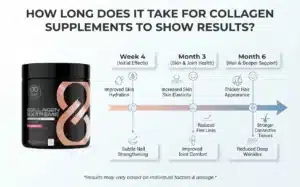
Most people notice their first change from collagen supplements after 4 to 8 weeks, with clearer skin and joint results building between 8 and 12... Continue reading
Add comment