
No products in the cart.
Return To Shop
When to Take Testosterone Boosters for Maximum Results in the Gym
Testosterone plays a vital role in muscle growth, strength, recovery, energy, and overall training performance. As a result, many gym-goers turn to testosterone boosters to support their fitness goals. However, timing matters far more than most people realize. Taking a testosterone booster at the wrong time can limit its effectiveness or even disrupt sleep and recovery.
This guide explains when to take testosterone boosters for maximum results in the gym, based on workout timing, ingredient type, and real-world fitness routines.
Best Time to Take Testosterone Boosters
For most gym-goers, testosterone boosters work best when taken in the morning to support energy, natural hormonal rhythm, and mental focus, or 30–60 minutes before workouts if the formula enhances performance. Evening use is only suitable for calming or recovery-based ingredients. The ideal timing depends on ingredient composition, training schedule, sleep patterns, stress levels, and individual body response for optimal hormonal support.

What Testosterone Boosters Actually Do (And What They Don’t)
Testosterone boosters are dietary supplements, not anabolic steroids. They do not inject or replace hormones. Instead, they may help support:
- Natural testosterone production
- Training drive and motivation
- Muscle recovery and strength adaptation
- Stress management and sleep (indirectly)
Results vary based on diet, sleep, training quality, age, and consistency. No supplement works in isolation.
Who Should and Shouldn’t Take Testosterone Boosters
May be suitable for:
- Regular gym-goers with heavy training schedules
- Men experiencing low energy or poor recovery
- Individuals with nutrient gaps (e.g., zinc, vitamin D)
Should avoid or consult a professional first:
- Those with hormonal conditions
- Anyone on medication affecting hormones
- Individuals under 18
- People with sleep disorders sensitive to stimulants
Why Timing Matters for Testosterone Boosters
Testosterone follows a natural daily rhythm and is typically highest in the morning, so supplement timing should align with this cycle rather than disrupt it. Correct timing can improve ingredient absorption, enhance workout performance, support recovery and sleep, and reduce side effects like restlessness or nausea. Poor timing, however, may interfere with sleep quality, blunt muscle recovery, increase digestive discomfort, or reduce overall supplement effectiveness, especially when stimulatory ingredients are involved.
Key Factors That Decide the Best Timing

Ingredient profile, workout timing, sleep quality, stress levels, and individual tolerance collectively determine the best time to take testosterone boosters for optimal results.
Training Time
Morning lifters and evening lifters may require different dosing strategies.
Ingredient Profile
Some ingredients energize; others calm the nervous system.
With Food vs Empty Stomach
Minerals often absorb better with meals, while herbs may vary.
Sleep Quality
Anything stimulating too late can reduce testosterone indirectly by harming sleep.
Best Time to Take Testosterone Boosters
The best time depends on the formula, but morning or pre-workout intake generally aligns best with natural testosterone rhythms, energy levels, and performance goals.
Morning
Ideal for:
- Supporting natural testosterone rhythm
- Energy and focus throughout the day
- Ingredients like vitamin D or tongkat ali
Pre-Workout (30–60 Minutes Before Training)
Best for:
- Strength sessions
- Training motivation
- Performance-support formulas
Avoid this timing if the product causes jitteriness.
Post-Workout
Less common, but may help if combined with recovery-support ingredients.
Night
Only suitable for:
- Stress-reducing or sleep-supportive ingredients
- Avoid if the formula increases alertness
Timing by Ingredient Type (Most Important)

The ideal timing depends on whether ingredients are stimulatory, hormonal-supportive, or calming, as each category works best at different times of the day.
- Ashwagandha: Best taken in the evening or split into two doses (morning and night). It helps lower cortisol, supports stress management, improves recovery, and may enhance sleep quality when taken later in the day.
- Zinc & Magnesium: Often best taken at night or with meals. These minerals support testosterone production, muscle recovery, and sleep quality, while nighttime intake may improve relaxation and absorption.
- Fenugreek: Take with meals for better absorption. It supports testosterone activity, blood sugar balance, and digestion, making it suitable for breakfast or lunch alongside food.
- Vitamin D: Best taken with a fat-containing meal, usually in the morning or at lunch. As a fat-soluble vitamin, absorption improves with dietary fats and daylight timing supports natural hormone rhythms.
- D-Aspartic Acid: Commonly taken in cycles (e.g., 2–4 weeks on, 1–2 weeks off). Timing varies by protocol but is often taken in the morning or split doses to support hormonal signaling.
- Stimulatory herbs: Avoid late evening use. Ingredients that increase alertness or energy can interfere with sleep, recovery, and nighttime hormonal balance if taken too close to bedtime.
Best Timing Schedules
Morning Trainer
- Morning: Testosterone booster
- Workout: Late morning or afternoon
- Night: Sleep-support minerals if needed
Evening Trainer
- Morning: Primary dose
- Pre-workout: Light dose if formula allows
- Night: Avoid stimulatory products
Rest Days
- Take at the same time daily for consistency
Tips for Maximizing Results
- Take consistently for 4–8 weeks (if label allows)
- Prioritize progressive overload training
- Sleep 7–9 hours nightly
- Eat sufficient protein and micronutrients
- Manage stress and limit alcohol
- Avoid stacking multiple hormonal supplements
Common Mistakes to Avoid
- Taking boosters too late in the evening
- Expecting steroid-like muscle gains
- Ignoring cycling instructions
- Using without proper training or nutrition
- Skipping rest days and sleep
Benefits You Can Expect
With proper timing and lifestyle support, users may experience:
- Improved training drive
- Better recovery
- Increased consistency in workouts
- Enhanced strength progression
Results are gradual and vary individually.
How Long Do Testosterone Boosters Take to Work?
Most users notice subtle effects within 2–4 weeks, with clearer changes by 6–8 weeks, depending on ingredients and consistency.
Side Effects and Red Flags
Stop use if you experience:
- Sleep disruption
- Persistent digestive issues
- Anxiety or rapid heartbeat
- Hormonal discomfort
Consult a healthcare professional if symptoms persist.
FAQs
Can I take testosterone boosters every day?
Generally yes, you can take testosterone boosters daily. Always follow label instructions, recommended dosage, and cycling guidance to avoid hormonal imbalance or reduced effectiveness over long-term continuous use.
Is morning or night better?
Morning intake suits most testosterone booster formulas, especially those with energy-supporting ingredients. Night use is only preferable if the formula includes calming minerals like magnesium or sleep-support compounds.
Can I stack with creatine?
Testosterone boosters can usually be stacked with creatine safely. However, avoid excessive supplement stacking, stay hydrated, and monitor total ingredient intake to prevent unnecessary strain on digestion or kidneys.
Do rest days matter?
Yes, rest days matter. Consistent daily intake, even on non-training days, helps maintain stable hormonal balance, supports recovery, and ensures the supplement works effectively alongside your body’s natural rhythms.
Final Thoughts
Knowing when to take testosterone boosters for maximum results in the gym is just as important as choosing the right product. The best timing depends on your training schedule, ingredient profile, and recovery habits. When combined with proper nutrition, sleep, and structured training, correct timing can help you get the most out of your supplement safely and realistically.
Timing your testosterone booster correctly is only half the equation; quality matters just as much. At Sports One, we offer 100% authentic, imported gym supplements designed to support performance, recovery, and consistency in the gym.


Related posts

Starting your fitness journey is an exciting milestone. Whether you are hitting a local gym in Gulberg, DHA, or Johar Town, the goal is always... Continue reading

If you’ve ever looked in the mirror and felt like you’re somehow both too thin and carrying too much fat you’re not imagining it. The... Continue reading

One of the most persistent myths in nutrition is that getting a complete amino acid profile is impossible on a plant-based diet. That claim was... Continue reading
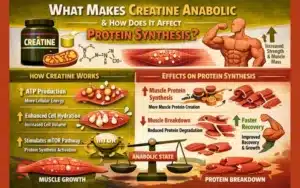
The word anabolic gets thrown around a lot in the supplement world, often as a marketing label rather than a precise biological claim. But when... Continue reading

Most fitness goals fit neatly into one of two camps: bulking or cutting. But a growing number of athletes, natural lifters, and everyday gym-goers want... Continue reading
Add comment