
No products in the cart.
Return To Shop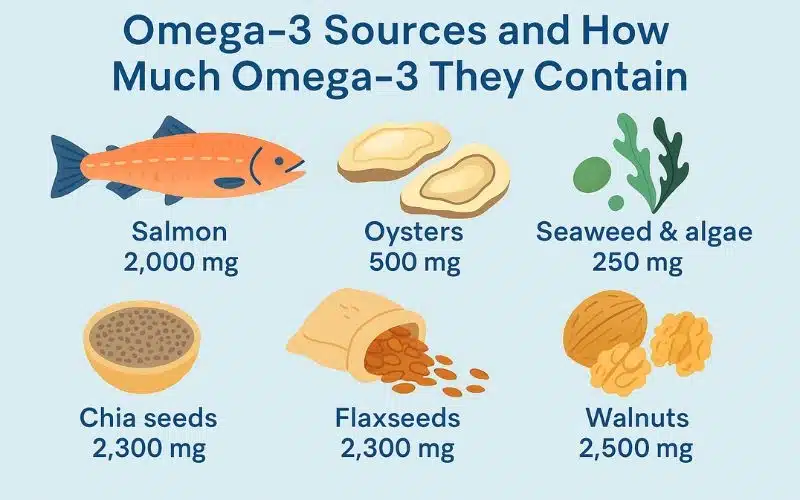
Omega-3 Sources and How Much Omega-3 They Contain: A Complete 2025 Guide
Omega-3 fatty acids are among the most essential nutrients for brain, heart, eye, and metabolic health. Yet most people worldwide including those who eat a “healthy” diet still fail to meet their daily omega-3 needs. Understanding where omega-3 comes from, how much each source contains, and which type benefits you most is key to improving your overall wellness.
This guide breaks down omega-3 fatty acids in simple terms, highlights the richest food sources, and provides a practical breakdown of their EPA, DHA, and ALA content.
What Are Omega-3 Fatty Acids?
Omega-3 fatty acids are healthy polyunsaturated fats that your body needs to function properly but cannot make on its own. This means you must get them through foods or supplements. They play a vital role in brain cells, heart function, hormones, and protection against inflammation.

What Are Fatty Acids?
Fatty acids are the basic building blocks of dietary fats. Your body uses them for:
- Energy
- Cell membrane structure
- Hormone production
- Brain and nerve signaling
Some fatty acids are produced internally, but essential fatty acids like omega-3 must come from your diet.
What Do Omega-3 Fatty Acids Do in the Body?
Omega-3 fatty acids play a powerful and wide-ranging role in keeping your body healthy. They help reduce inflammation, support a strong and healthy heart, and play a major part in improving memory, focus, and overall brain development. Omega-3s also protect your eyes and vision, keep your joints flexible, and contribute to stable mood and emotional balance. For pregnant women, they are essential for healthy fetal brain and eye development. Because of these benefits, omega-3s are considered one of the most scientifically studied and trusted nutrients for lifelong wellness.If you’re looking to increase your intake easily, you can explore high-quality omega-3 supplements such as ZoomadLabs Omega-3.
Types of Omega-3 Fatty Acids
There are three important types of omega-3s:
1. EPA (Eicosapentaenoic Acid)
- Found mainly in fatty fish
- Supports heart health and healthy inflammation levels
2. DHA (Docosahexaenoic Acid)
- Crucial for brain and eye function
- Supports cognitive health and infant development
3. ALA (Alpha-Linolenic Acid)
- Found in plant sources (seeds, nuts, oils)
- Must be converted into EPA & DHA, but the conversion rate is very low (5–10%)
This is why animal sources usually provide more effective omega-3 intake.
What Are the Benefits of Omega-3 Fatty Acids?
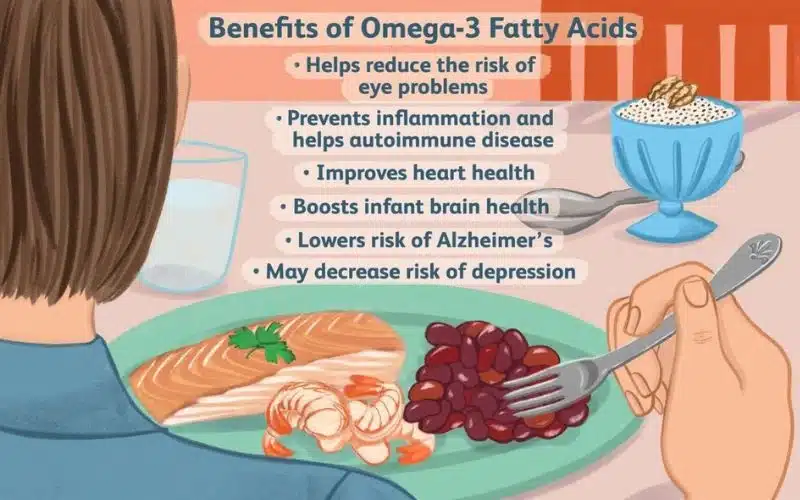
Omega-3 fatty acids offer a wide range of science-backed health benefits that support your body from head to toe. They help lower the risk of heart disease, reduce high triglyceride levels, and improve overall brain performance, including memory and focus. Omega-3s also enhance mood, promote mental clarity, and ease joint stiffness, making daily movement more comfortable. In addition, they help keep your skin hydrated and support long-term eye and vision health. Overall, omega-3s are essential nutrients that contribute to better physical, mental, and emotional well-being.
Are Omega-3 Fatty Acids Good for You?
Yes, omega-3 fatty acids are extremely good for you and are considered essential for long-term health. Most people benefit from increasing their intake because omega-3s support the heart, brain, eyes, skin, and overall inflammation balance. They are generally safe when consumed through food or high-quality supplements, making them an important part of a healthy lifestyle.
Top Omega-3 Sources and How Much Omega-3 They Contain
Below are the richest omega-3 sources, grouped by animal-based and plant-based options. Values may vary slightly based on species, quality, and freshness.
1. Fatty Fish (Highest EPA + DHA)
| Fish (per 100g cooked) | Total Omega-3 | EPA | DHA |
| Salmon | 2,000–2,500 mg | 600–900 mg | 800–1,400 mg |
| Mackerel | 3,000–4,500 mg | 500–1,000 mg | 1,200–1,700 mg |
| Sardines | 1,100–2,000 mg | 500 mg | 600–700 mg |
| Tuna (Bluefin) | 1,500–3,000 mg | 400–600 mg | 900–1,600 mg |
| Herring | 2,000–3,000 mg | 700 mg | 1,300 mg |
| Trout | 1,000–1,500 mg | 250 mg | 600–900 mg |
Fatty fish are the most effective sources because they naturally provide both EPA and DHA.
2. Shellfish & Marine Sources
| Source | Omega-3 Content |
| Oysters (6 medium) | 500–700 mg |
| Mussels (100g) | 300–500 mg |
| Seaweed & algae | 200–700 mg DHA |
Algae is the best plant-based DHA source, ideal for vegetarians and vegans.
3. Plant-Based Omega-3 Sources (ALA)
| Plant Source (per serving) | ALA Omega-3 |
| Chia seeds (1 tbsp) | 1,800–2,500 mg |
| Flaxseeds (1 tbsp) | 2,300 mg |
| Walnuts (1 oz) | 2,500 mg |
| Hemp seeds (1 tbsp) | 1,000 mg |
| Soybeans (½ cup cooked) | 300 mg |
| Canola oil (1 tbsp) | 1,300 mg |
These are excellent but mostly supply ALA, which your body must convert to EPA & DHA, a slow and limited process.
For vegetarians/vegans, combining seeds + algae oil works best.
How Much Omega-3 Do You Need Per Day?
General recommendations (2025 standards):
- Adult men: 1.6 g/day
- Adult women: 1.1 g/day
- Pregnant women: 1.4 g/day
- Breastfeeding women: 1.3–1.5 g/day
For specific health outcomes:
- Heart health: 1,000 mg EPA + DHA daily
- Brain support: 250–500 mg DHA daily
- General wellness: 250–500 mg total EPA + DHA daily
Best Ways to Increase Omega-3 Intake
- Add salmon, sardines, or trout to meals twice a week
- Sprinkle chia or flaxseed on yogurt and oats
- Eat a handful of walnuts as snacks
- Use canola or flaxseed oil for salads
- Take algae oil if plant-based
- Consider a high-quality fish oil supplement (if needed)
Signs You May Not Be Getting Enough Omega-3
Not getting enough omega-3 can show up in several ways throughout your body. You may notice dry skin, brittle hair, or persistent joint stiffness that makes movement uncomfortable. Many people also experience poor concentration, low mood, visual fatigue, or general cognitive slowdown. Chronic inflammation can increase as well, affecting daily comfort and overall wellness. While these signs are not medical diagnoses, they are common indicators that your body may benefit from more omega-3 intake.
Who Should Be Careful With Omega-3?
- People taking blood thinners
- Individuals with seafood allergies
- People scheduled for surgery
- Individuals on certain medications
Always consult a professional if unsure.
Final Thoughts
Omega-3s are foundational for whole-body health, yet many diets fall short. Knowing which foods contain the highest amounts of omega-3 and how much each provides allows you to make informed daily choices. Whether you rely on fatty fish, plant-based seeds, or algae supplements, increasing your omega-3 intake can boost long-term wellness, brain function, and heart health.
FAQs
1. Which food has the highest omega-3 content?
Fatty fish like salmon, mackerel, and sardines contain the highest EPA and DHA levels.
These forms of omega-3 are absorbed and used by the body most effectively.
2. Can vegans get enough omega-3?
Yes, vegans can get omega-3 from chia, flaxseeds, walnuts, and algae oil. Algae oil is the only vegan source that provides DHA directly.
3. How much omega-3 do adults need daily?
Most adults need around 250–500 mg of EPA + DHA per day. ALA intake from plant foods should be around 1.1–1.6 g/day.
4. Is plant-based omega-3 as effective as fish-based?
Plant omega-3 (ALA) is healthy but converts poorly to EPA and DHA. For brain and heart benefits, fish or algae-based DHA is more effective.
5. Do I need omega-3 supplements if I eat fish regularly?
If you eat fatty fish 2–3 times weekly, you may already meet your needs. Supplements are useful for those who don’t eat fish or need extra support.


About author

Related posts

For most healthy adults, collagen peptides are well tolerated. The side effects people actually report are mild: a feeling of fullness, bloating, an aftertaste or... Continue reading

The short answer: the best time to take collagen is whichever time you will repeat every single day. Research on hydrolysed collagen peptides has not... Continue reading

Neither is universally better. Marine collagen is often preferred for skin, hair and people who avoid beef, while bovine collagen is usually cheaper and offers... Continue reading

Collagen may help support joint comfort in some people, but the evidence is modest, results are slow, and it is not a substitute for medical... Continue reading

Most people notice their first change from collagen supplements after 4 to 8 weeks, with clearer skin and joint results building between 8 and 12... Continue reading
Add comment