
No products in the cart.
Return To Shop
Can You Build Muscle on Zero Carb Zero Sugar Protein?
The fitness industry has long perpetuated the myth that carbohydrates are absolutely essential for building muscle. Walk into any gym, and you’ll hear countless theories about post-workout carbs, insulin spikes, and glycogen replenishment being mandatory for gains. But what if we told you that building impressive muscle mass on zero carb zero sugar protein is not only possible but potentially advantageous for certain individuals?
The Science of Muscle Growth Without Carbohydrates
Muscle growth occurs through muscle protein synthesis,the process where your body creates new muscle proteins to repair and build tissue. While conventional wisdom suggests carbohydrates optimize this process, research reveals a more nuanced reality. Protein itself is the primary driver of muscle protein synthesis, particularly the amino acid leucine.
- When you consume adequate protein, you trigger the mTOR pathway, the cellular mechanism responsible for initiating muscle building. Carbohydrates enhance this process indirectly through insulin secretion, but they’re not the rate-limiting factor many believe them to be. Understanding what protein is and why it matters helps clarify its central role in muscle development.
- Studies comparing high-protein, low-carb diets to traditional high-carb approaches show minimal differences in muscle gain when protein intake and training stimulus remain constant. A landmark 2014 study published in the Journal of the International Society of Sports Nutrition found that subjects consuming 2.3-3.1g of protein per kilogram of body weight gained similar muscle mass regardless of carbohydrate intake, provided total calories were adequate
- The key isn’t carbs,it’s sufficient total daily calories and protein. Zero carb zero sugar protein delivers the muscle-building amino acids without the extras, making it perfectly viable for hypertrophy.To truly appreciate zero carb protein’s muscle-building potential, we must examine how protein directly stimulates anabolic processes in muscle tissue.

Protein’s Direct Impact on Muscle Protein Synthesis
When you consume whey protein isolate or other zero carb proteins, amino acids rapidly enter your bloodstream and reach muscle cells. Leucine, in particular, acts as a molecular trigger for the mTOR pathway,think of it as turning on your body’s muscle-building machinery. This activation doesn’t require insulin or glucose; it happens independently through amino acid sensing mechanisms within cells. Research shows that consuming 2-3 grams of leucine per meal maximizes this response, and most quality zero carb proteins provide this amount naturally.
The misconception about carbohydrates stems from insulin’s anti-catabolic effects. Insulin does reduce muscle protein breakdown, but so does protein consumption itself. When you eat adequate protein,especially from fast-digesting sources like isolates,you achieve both muscle protein synthesis activation AND breakdown reduction without needing carbohydrates.
Advantages of Building Muscle with Zero Carb Protein
The most obvious benefit is superior body composition. When you build muscle without excess carbohydrates, you minimize concurrent fat gain. Traditional bulking often involves consuming large amounts of carbs to ensure caloric surplus, leading to unnecessary fat accumulation.
Zero carb protein allows precise calorie control,you can engineer a lean bulk by adjusting fat intake for calories while keeping protein high. This results in cleaner gains with less cutting required later. Many athletes report staying relatively lean year-round using this approach, eliminating the need for aggressive cutting phases that often compromise hard-earned muscle.
Key advantages include:
- Improved insulin sensitivity from reduced carbohydrate intake
- Stable energy levels without blood sugar fluctuations
- Reduced inflammation associated with high-carb diets
- Enhanced fat oxidation while building muscle simultaneously
- Better appetite control for easier calorie management
Additionally, zero carb protein supports those with metabolic conditions. Individuals with insulin resistance, prediabetes, or diabetes can build muscle effectively without exacerbating their condition. The ketogenic diet represents perhaps the most compelling use case for zero carb zero sugar protein in muscle building contexts.
Ketogenic Muscle Building
Ketogenic diets restrict carbohydrates to typically under 50g daily, forcing your body to use fat for fuel. Many assume this precludes muscle building, but evidence suggests otherwise. Once keto-adapted (usually 2-4 weeks), your body efficiently uses ketones and fatty acids for energy while preserving protein for muscle building.
Zero carb protein becomes invaluable here because any carbs you consume count toward your daily limit. Traditional protein powders with 5-10g of carbs per serving quickly consume your carb budget. Zero carb options let you hit protein targets while maintaining ketosis.
How Much Protein Do You Actually Need
The classic recommendation of 0.8g protein per kg body weight assumes sedentary individuals seeking basic health maintenance. Athletes building muscle require significantly more. Current research suggests 1.6-2.2g per kg for most lifters, with some evidence supporting up to 3.0g per kg during aggressive muscle building or when training at high volumes.
- When using zero carb protein as your primary supplement, calculate based on lean body mass rather than total weight if you’re carrying significant body fat. For example, a 90kg individual at 20% body fat has 72kg lean mass.
- Targeting 2.5g per kg of lean mass means 180g daily protein,a manageable target with strategic supplementation. Understanding how much protein per day for a beginner helps you establish baseline requirements.
- Distribution matters as much as total intake. Rather than consuming all protein in one or two massive meals, spread it across 4-5 meals or shakes to maximize muscle protein synthesis.
- Each feeding should contain 25-40g of protein,enough to trigger the leucine threshold for mTOR activation.
- Zero carb protein shakes make hitting these targets practical. Mix a scoop post-workout, between meals, and before bed to ensure consistent amino acid delivery.
- This frequent feeding pattern keeps muscle protein synthesis elevated throughout the day, creating optimal conditions for growth even without dietary carbohydrates.
- Not all protein sources stimulate muscle growth equally, and timing your intake strategically amplifies its muscle-building effects.

Protein Quality and Timing Considerations
Complete proteins containing all essential amino acids in adequate ratios support muscle building better than incomplete sources. Whey protein ranks highest in biological value due to its exceptional amino acid profile and rapid absorption. Isolates and hydrolysates digest even faster, delivering amino acids to muscles within 20-30 minutes. This makes them ideal post-workout when your muscles are most receptive to nutrients. Other excellent complete proteins include casein (slower digesting, ideal before bed), egg protein, and high-quality beef protein isolates.
Strategic timing maximizes the anabolic response. Post-workout represents the most critical window,consuming 30-40g of zero carb protein within an hour of training capitalizes on exercise-induced increases in muscle protein synthesis. Morning intake after overnight fasting prevents muscle breakdown from extended amino acid deprivation. Pre-bed protein, preferably slower-digesting like casein, provides sustained amino acids during sleep when muscle repair peaks.
Best Zero Carb Zero Sugar Proteins for Muscle Gain
For pure muscle building, hydrolyzed whey isolate tops the list.
- Dymatize ISO100 provides a pre-digested protein that absorbs faster than any other form. With 25g of protein, zero fat, and less than 1g of carbs per serving, it delivers pure amino acids exactly when muscles need them most. The hydrolysis process breaks protein into smaller peptides, reducing digestion time and allowing for rapid nutrient delivery,critical for maximizing the post-workout anabolic window.
- Optimum Nutrition Gold Standard Whey offers another excellent option with its blend of isolates, concentrates, and peptides. While not purely zero carb (approximately 3g per serving in some flavors), many variants come extremely close and provide exceptional value. The multiple protein sources create a varied absorption rate,fast from isolates, moderate from concentrates,providing both immediate and sustained amino acid delivery.
For those in Pakistan seeking quality imported options, explore top whey proteins available in Pakistan for verified authentic products.
Specialized Formulations for Specific Needs
Beyond standard isolates, certain specialized zero carb proteins address unique requirements for particular training styles or dietary approaches.
- Grass-fed whey protein appeals to those prioritizing clean sourcing and potentially higher conjugated linoleic acid content. While research on grass-fed superiority remains mixed, many athletes report better digestion and prefer the ethical sourcing. These products typically maintain true zero carb zero sugar status while offering the same muscle-building amino acid profile as conventional whey.
- For those with lactose intolerance or dairy sensitivity, isolate protein for lactose intolerant individuals provides identical muscle-building benefits without digestive distress. Egg white protein isolate and beef protein isolate represent viable alternatives, though they may cost more and have less desirable taste profiles.
- Some athletes rotate between different protein sources to ensure amino acid variety, though evidence for superiority of this approach remains limited. Understanding beef protein versus whey protein helps you choose based on your preferences and restrictions.
Your training approach must adapt when building muscle on zero carb protein, particularly during the initial transition period.
Training Considerations When Building Muscle Without Carbs
If transitioning from high-carb to low/zero carb eating, expect a 1-3 week adaptation period where training performance may temporarily decline. Your body must learn to efficiently use fat and ketones for fuel instead of relying on readily available glucose. During this phase, reduce training volume slightly and focus on maintaining strength rather than pushing for new personal records. Progressive overload remains critical for muscle growth, but be patient as your body adapts metabolically.
Once adapted, most athletes find their strength returns to baseline or even improves due to enhanced fat oxidation and stable energy levels. Focus on compound movements like squats, deadlifts, bench press, and rows,these multi-joint exercises stimulate maximum muscle growth across multiple muscle groups.Training volume should remain moderate to high (10-20 sets per muscle group per week) with progressive increases in weight, reps, or sets over time.
Energy Management During Low-Carb Training
Without dietary carbs, your body relies on stored body fat, dietary fats, and ketones for energy during training. This works excellently for moderate-intensity training but high-intensity efforts may suffer slightly due to reduced glycogen.
- Strategic carb cycling,consuming small amounts of carbs around training only,allows some athletes to maintain peak performance while staying generally low-carb. However, many find this unnecessary once fully adapted.
- Adequate dietary fat becomes crucial,aim for 0.8-1.2g per kg body weight from healthy sources like avocados, nuts, olive oil, and fatty fish. This ensures sufficient calorie intake for muscle building while providing readily available energy substrates.
- Creatine supplementation becomes even more valuable when building muscle without carbs. Creatine phosphate provides immediate ATP for high-intensity contractions, partially compensating for reduced glycogen.
- A daily 5g dose maintains muscle creatine stores regardless of carbohydrate intake. Some research suggests creatine works synergistically with protein to enhance muscle protein synthesis.
- Additionally, adequate water intake becomes critical,low-carb diets increase water loss, and dehydration severely impairs performance and recovery.

Combining Zero Carb Protein with Whole Food Sources
Whole food proteins deliver nutrients beyond just amino acids,vitamins, minerals, healthy fats, and cofactors that support overall health and muscle function. Prioritize complete protein sources like chicken, turkey, beef, fish, eggs, and if consuming dairy, Greek yogurt and cottage cheese.
These foods provide satiety that protein powders cannot match, helping you maintain the caloric surplus necessary for muscle building. A practical approach allocates 60-70% of daily protein from whole foods and 30-40% from supplements. This ensures nutritional completeness while maintaining the convenience and precision that zero carb protein powders offer.
Optimal whole food protein sources:
- Chicken breast: 31g protein per 100g, minimal fat
- Salmon: 25g protein per 100g, rich in omega-3 fatty acids
- Eggs: 6g protein per large egg, complete amino acid profile
- Lean beef: 26g protein per 100g, provides creatine and iron
Meal Planning Strategies
Successful muscle building requires eating in a slight caloric surplus,typically 200-500 calories above maintenance depending on training intensity and desired gain rate. When using zero carb protein, you control this surplus through dietary fats and your chosen carbohydrate level (if any). A sample day might include: breakfast with eggs and avocado, mid-morning zero carb protein shake, lunch with chicken and vegetables, pre-workout protein shake, dinner with salmon and greens, and bedtime casein shake. This provides 5-6 protein feedings throughout the day, maintaining elevated muscle protein synthesis.
Meal prep simplifies adherence considerably. Batch cook protein sources on weekends,grill multiple chicken breasts, hard boil eggs, prepare beef portions. Store in individual containers for quick assembly during the week. Pre-portion protein powder servings in shaker bottles for convenience. This preparation removes decision-making during busy days, ensuring you never miss protein targets due to lack of time or planning. Explore gym meal prep recipes for muscle building for practical zero carb friendly meal ideas.
Supplementation Stack for Zero Carb Muscle Building
Beyond your protein powder, creatine monohydrate stands as the single most effective muscle-building supplement with decades of research supporting its efficacy. Take 5g daily regardless of training schedule for consistent muscle saturation. Creatine works synergistically with protein, enhancing both strength output and muscle protein synthesis signaling.
Glutamine supplementation may benefit those on very low carb diets. Glutamine supports gut health, immune function, and potentially reduces muscle breakdown during intense training. While your body produces glutamine naturally, supplementing 5-10g daily during stressful training phases provides insurance against depletion. It’s particularly relevant for zero carb approaches since glutamine can be converted to glucose through gluconeogenesis, potentially sparing muscle protein from this process.
Essential supplements for zero carb muscle building:
- Creatine monohydrate: 5g daily for strength and size
- Electrolytes: Sodium, potassium, magnesium (critical on low-carb)
- Omega-3 fatty acids: Support inflammation control and recovery
- Vitamin D: Supports testosterone and muscle function
Managing Electrolytes on Low-Carb Diets
Low carbohydrate intake reduces insulin levels, causing kidneys to excrete more sodium. This sodium loss triggers potassium and magnesium excretion as well, potentially leading to fatigue, muscle cramps, and reduced training performance,the infamous ‘keto flu.’ Prevent this by consciously increasing electrolyte intake.
Add salt to meals liberally (5-7g sodium daily), consume potassium-rich foods like avocados and leafy greens, and consider magnesium supplementation (400-500mg daily). Adequate electrolytes support muscle contractions, nerve signaling, and hydration,all critical for muscle building and performance.
Many zero carb muscle builders find that adding a pinch of salt to their protein shakes improves both taste and electrolyte balance. Some use electrolyte powders mixed with water throughout the day. Monitor your body’s signals,persistent fatigue, headaches, or muscle cramps despite adequate sleep and nutrition suggest electrolyte imbalance requiring adjustment.
Real Success Stories and Practical Applications
Countless bodybuilders and physique athletes have built championship-level muscle mass on low-carb or ketogenic approaches. Professional bodybuilders like Vince Gironda advocated low-carb muscle building decades ago, and modern athletes continue proving its effectiveness.
The key commonality among successful zero carb muscle builders is consistent high protein intake,typically 2.0-3.0g per kg daily,with zero carb protein powders providing 40-60% of that total.
One practical implementation strategy involves alternating protein sources throughout the day.
- Morning shake with fast-digesting whey isolate kickstarts muscle protein synthesis. Whole food protein at lunch and dinner provides sustained amino acids and satiety.
- Pre-workout shake 30 minutes before training ensures amino acids are available during and after exercise. Post-workout shake immediately capitalizes on exercise-induced anabolic sensitivity.
- Evening casein shake provides overnight protein supply. This rhythm maintains consistently elevated muscle protein synthesis without relying on carbohydrates.
Conclusion
The evidence conclusively demonstrates that carbohydrates, while potentially beneficial, are not essential for building muscle. Zero carb zero sugar protein provides all the amino acids necessary to trigger muscle protein synthesis, support recovery, and facilitate growth when combined with progressive resistance training and adequate calories.
Quality matters significantly when selecting zero carb protein. Choose reputable brands like Dymatize ISO100 or Optimum Nutrition Gold Standard from verified distributors. Poor quality proteins contain fillers, amino acid spiking, or inaccurate labeling,none of which support your muscle-building goals. In Pakistan, purchase from authorized distributors to avoid counterfeit products.


About author

Related posts

For most healthy adults, collagen peptides are well tolerated. The side effects people actually report are mild: a feeling of fullness, bloating, an aftertaste or... Continue reading

The short answer: the best time to take collagen is whichever time you will repeat every single day. Research on hydrolysed collagen peptides has not... Continue reading

Neither is universally better. Marine collagen is often preferred for skin, hair and people who avoid beef, while bovine collagen is usually cheaper and offers... Continue reading
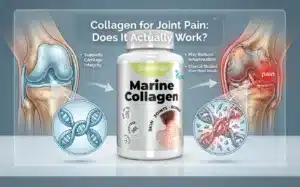
Collagen may help support joint comfort in some people, but the evidence is modest, results are slow, and it is not a substitute for medical... Continue reading
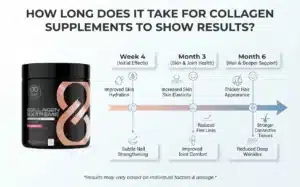
Most people notice their first change from collagen supplements after 4 to 8 weeks, with clearer skin and joint results building between 8 and 12... Continue reading
Add comment