
No products in the cart.
Return To Shop
Whey Protein for Women: Myths About Getting “Bulky” Debunked
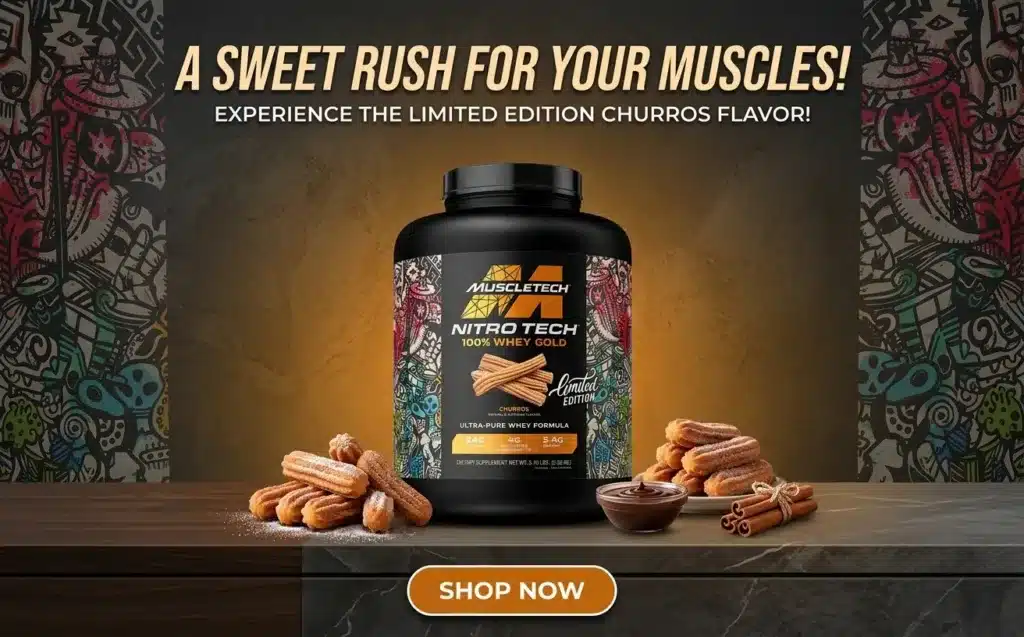
Ask a Pakistani woman why she avoids protein shakes. One fear comes up almost every time: “Won’t it make me look like a bodybuilder?” This concern causes many women to skip whey protein for women. This happens even when they train regularly or struggle to meet their daily protein needs.
The truth is much simpler. Whey protein is a food source made from concentrated milk protein. It can help support muscle repair, manage hunger, and complement a fat-loss diet. Whey protein does not automatically make women bulky. Building significant muscle requires consistent strength training, enough calories, and time. This makes the common “protein shakes cause bulk” myth easy to understand.
Why This Myth Persists in Pakistan
Local gym culture often links protein powder with men who want to build size. As a result, marketing, packaging, and trainer advice often overlook women’s goals. These goals include toning, recovery, and healthy weight management.
This gap leaves many women with low protein intake. They may also rely heavily on desi diets that lack enough complete protein sources. Over time, this can make it harder to support muscle recovery and manage body composition. Women remain an underserved audience segment in Pakistani supplement content. The lack of clear information may also help explain why this protein myth continues.
Does Protein Make Women Bulky? The Science
Visible muscle bulk is strongly influenced by testosterone. Women naturally produce much less testosterone than men. Building the muscle mass seen in bodybuilders also takes years of progressive resistance training. It usually involves a calorie surplus and individual genetic factors.
Protein powder alone does not cause significant muscle growth. Whey simply provides amino acids that your body uses to support muscle repair and growth. Training creates the stimulus needed for greater muscle development. Without that stimulus, your body uses protein for normal functions. These include tissue repair, hair and skin health, and immune function.
For a deeper look at how your body uses this nutrient, see our guide on what protein is and why it matters.
In reality, adequate protein intake helps women achieve the opposite of “bulky”: a leaner, more defined physique with less water retention, better muscle tone, and faster recovery between workouts. If bulk were a real risk for women, physique and fitness competitors wouldn’t need years of dedicated training just to build a fraction of male muscle mass.
Whey Protein and Weight Loss for Women
Beyond the bulk myth, whey protein can be a practical tool for protein for weight loss women need. Protein has a high satiety value among macronutrients. A protein shake can help you feel full and reduce snacking later in the day.
Protein can also help protect lean muscle during a calorie deficit. This supports healthier body composition as you lose weight. Maintaining muscle also helps support your metabolism over time.
Our detailed guide on using whey protein isolate for weight loss explains timing and portion sizes. It can help if you’re following a cutting or toning plan. Our protein powder guide for women in Pakistan also explains how to choose the right type for your goals.
Whey Concentrate vs Isolate vs Plant Protein: Which Fits Your Goal
| Protein Type | Best For | Protein per Scoop | Notes for Women |
| Whey Concentrate | General toning, budget-friendly daily use | ~20-24g | Contains some lactose and fat; great for most women without sensitivity issues |
| Whey Isolate | Fat loss phases, lactose sensitivity | ~25-27g | Lower carbs and fat, faster absorbing, gentler on digestion |
| Plant/Vegan Protein | Dairy-free or vegetarian diets | ~20-22g | Slightly lower leucine content; pair with varied plant sources |
If you’re unsure which category suits your goal, our comparison of whey vs plant protein for Pakistani women breaks down digestion, taste, and results side by side, and whey isolate for women covers the best picks if fat loss is your priority.
Dosage, Timing & Safety for Women
Most active women need roughly 1.2 to 1.6 grams of protein per kilogram of bodyweight per day. This is higher than the general population but far below the amount associated with “bulking.” A single 25 to 30g scoop after training can help close the protein gap in many desi diets. This matters especially on days when meals contain plenty of roti and rice but fewer complete protein sources.
Timing matters less than total daily intake. Still, having a shake within an hour or two after training may support recovery. Whey protein also suits most women. However, women with kidney conditions or milk allergies should consult a doctor before using supplements.
Women who are pregnant or breastfeeding should also seek medical advice before adding whey protein. Women over 40 may benefit from adjusting their protein intake as muscle retention becomes more challenging. Our guide on muscle and weight gain for women over 40 offers more guidance.
If bloating or stomach discomfort occurs, start with half a scoop. You can gradually increase the serving as your body adjusts. A whey isolate may also feel easier to digest for some people.
Choosing Authentic Whey Protein in Pakistan
The bulk myth aside, the real risk for Pakistani women trying protein for the first time is counterfeit or mislabelled stock, which can cause digestive issues that get wrongly blamed on “protein itself.” SportsOne International sources Halal-certified, authentic imported whey from globally recognized brands, verified through official distribution channels rather than grey-market resellers. That matters more for women’s health decisions than for anyone chasing size, since you’re trusting the label’s protein content, ingredient purity, and safety data. Browse verified options on our whey and isolate protein range, or start with our beginner-friendly overview of whether whey protein is safe for women if you’re still weighing the decision. For the wider context on why sourcing matters, see our guide to Imported Supplements in Pakistan.
Frequently Asked Questions
Does whey protein make women look bulky?
No. Women have far lower testosterone than men, the hormone primarily responsible for visible muscle bulk. Whey protein only supports muscle repair when paired with intense training; on its own, it helps with toning, satiety, and recovery, not size.
How much whey protein should a woman take daily?
Most active women benefit from 1.2 to 1.6g of protein per kilogram of bodyweight daily. A single 25-30g scoop after workouts or as a meal replacement usually closes the gap left by a typical diet.
Can whey protein help with weight loss for women?
Yes. Protein is highly satiating, reducing cravings, and it preserves lean muscle during a calorie deficit. This keeps metabolism higher while fat, not muscle, is lost, making it a practical weight-loss tool.
Is whey protein isolate better than concentrate for women?
Isolate suits women focused on fat loss or with lactose sensitivity, since it’s lower in carbs and fat and digests faster. Concentrate works well for general daily toning and is usually more budget-friendly.
Is it safe to take whey protein without going to the gym?
Yes, whey protein can simply supplement a low-protein diet. Without resistance training, it won’t build muscle, but it still supports satiety, hair and skin health, and daily protein needs safely.
Disclaimer: This article is for general informational purposes only and is not a substitute for professional medical advice. Women who are pregnant, breastfeeding, or managing a medical condition should consult a doctor before starting any protein supplement.
About author

Related posts
If you’ve ever stood in front of a supplement shelf and wondered, “Is whey protein halal?” you’re not alone. This question concerns many Pakistani gym-goers... Continue reading
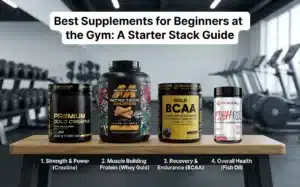
Walking into a supplement store or browsing one online for the first time can feel overwhelming. Rows of tubs promise faster muscle growth, better recovery,... Continue reading

If you’ve spent years hearing “you’re so thin, eat more” at every family gathering despite cleaning your plate at every meal, you already know the... Continue reading
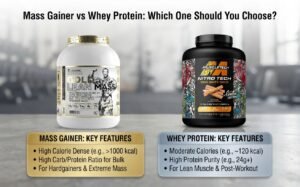
If you have stood in front of a supplement shelf wondering whether to pick up a tub of whey protein or a bag of mass... Continue reading
If you have ever opened a tub of creatine monohydrate, you have probably seen the instructions telling you to “load” for the first week. It... Continue reading
Add comment