
No products in the cart.
Return To Shop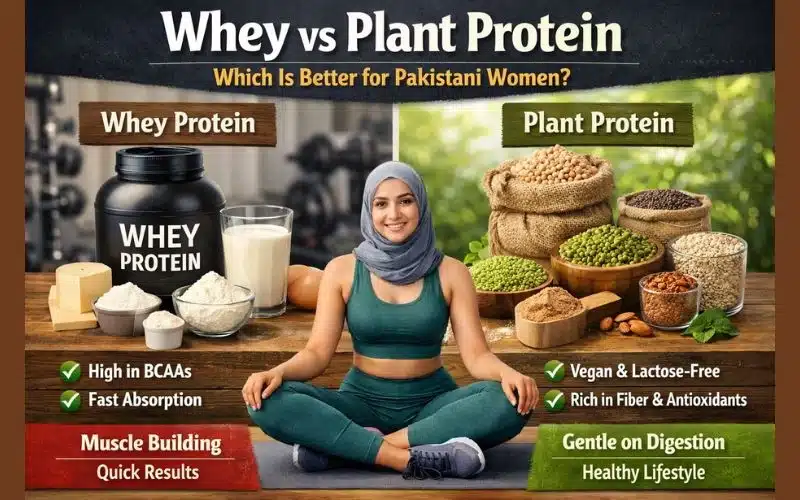
Whey vs Plant Protein: Which Is Better for Pakistani Women?
Protein has become one of the most talked-about nutrients among Pakistani women whether the goal is weight loss, muscle toning, post-pregnancy recovery, or simply staying healthy with a busy lifestyle. Yet one question keeps coming up:
Whey vs plant protein which is better for Pakistani women?
With rising gym culture, growing awareness of women’s fitness, and increasing protein supplement availability in Pakistan, choosing the right protein can feel overwhelming. This guide breaks it down in simple terms, combining nutrition science with real-world Pakistani context, so you can confidently decide what works best for your body and goals.
What Is Whey & Plant Protein?
Whey protein comes from milk. During cheese production, whey is separated, filtered, and dried into powder. It’s considered a complete protein because it contains all nine essential amino acids, especially leucine crucial for muscle building and recovery.
Common types in Pakistan include:
Plant protein, on the other hand, is made from sources like peas, rice, soy, hemp, or blends of multiple plants. Most quality plant proteins combine different sources to provide a complete amino acid profile.
Plant protein is naturally:
- Dairy-free
- Vegan
- Easier on digestion for some people
Both options can support health and fitness but they work differently in the body.
Whey vs Plant Protein for Women
Whey vs Plant Protein for Women: Which Is Better for Your Health, Fitness, and Daily Nutrition:
Digestion and “The Bloat”
This is one of the biggest deciding factors for Pakistani women.
Whey protein digests quickly, which is great for post-workout recovery. However, because it comes from milk, women with lactose sensitivity may experience:
- Bloating
- Gas
- Stomach discomfort
- Breakouts in some cases
Plant protein is generally gentler on the stomach. Women who struggle with dairy often find plant protein easier to digest, especially pea or rice blends.
Simple rule:
If milk already upsets your stomach, plant protein is usually the safer choice.
Muscle Building
From a purely scientific standpoint, whey has an edge.
Whey contains higher levels of branched-chain amino acids (BCAAs), particularly leucine, which directly triggers muscle protein synthesis. This makes whey highly effective for:
- Lean muscle gain
- Faster recovery
- Strength training results
Plant protein can also build muscle, but it typically requires slightly larger servings to match whey’s amino acid impact.
For Pakistani women doing resistance training or gym workouts, whey usually delivers faster visible results provided digestion isn’t an issue.
Taste and Texture
Let’s be honest, taste matters.
Whey generally wins here. It mixes smoothly with milk or water and comes in dessert-style flavors like chocolate, vanilla, strawberry, and cookies & cream.
Plant protein often has an “earthy” taste and thicker texture, though newer blends have improved significantly.
If you enjoy creamy shakes, whey feels more familiar. If you’re okay with a slightly grainy texture, plant protein works just fine.
Whey vs Plant Protein — Comparison for Pakistani Women
Whey protein is best for Pakistani women aiming for faster muscle toning and recovery, while plant protein suits those who prefer dairy-free nutrition with gentler digestion and everyday wellness support.
| Feature | Whey Protein | Plant Protein |
| Source | Derived from milk (dairy-based) | Derived from plants (pea, rice, soy, hemp, or blends) |
| Protein Profile | Complete protein with all essential amino acids | Often blended to provide a complete amino acid profile |
| Muscle Toning & Strength | Excellent for lean muscle, firmness, and recovery | Supports muscle too, but usually requires slightly higher servings |
| Digestion Speed | Fast-absorbing | Moderate absorption |
| Stomach Sensitivity | May cause bloating in lactose-sensitive women | Generally gentler on digestion and naturally lactose-free |
| Best Time to Use | Post-workout or as a high-protein breakfast shake | Anytime during the day, especially for light meals or snacks |
| Weight Management | Helps preserve lean muscle during fat loss | Fiber content helps control appetite and cravings |
| Taste & Texture | Creamy, smooth, dessert-like flavors | Slightly earthy or grainy (improves in blended formulas) |
| Skin Concerns | Some women notice acne or breakouts with dairy | Often preferred by women prone to dairy-related skin issues |
| Diet Compatibility | Suitable for non-veg / dairy consumers | Ideal for vegan, vegetarian, and dairy-free diets |
| Availability in Pakistan | Widely available with more flavor options | Less variety locally and usually priced higher |
| Typical Use Case | Gym-going women focused on strength and shape | Women focused on digestion, clean eating, or plant-based living |
Benefits of Whey & Plant Protein
Benefits of Whey & Plant Protein: Supporting Women’s Health, Muscle Strength, and Daily Nutrition.
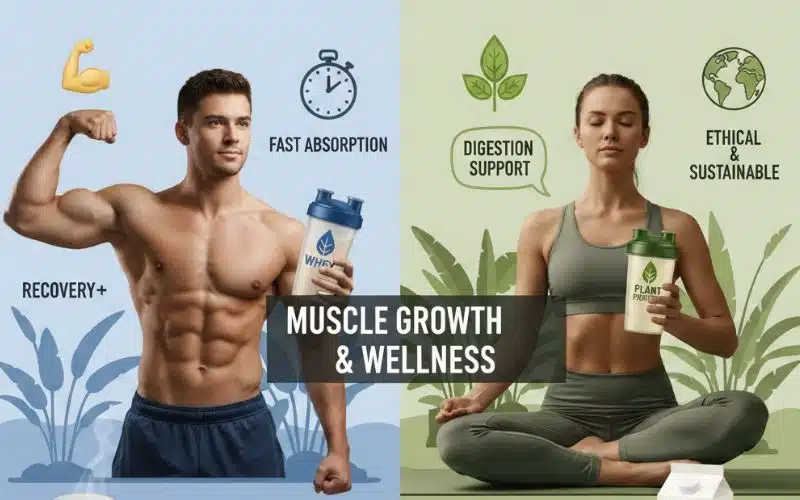
1 Benefits of Whey Protein for Women
Whey protein is an excellent choice for women seeking efficient nutrition, improved performance, and visible fitness results. Its fast absorption and complete amino acid profile make it especially effective for active lifestyles. Key benefits include:
- Promotes lean muscle tone by delivering essential amino acids that support muscle repair and shaping without adding bulk.
- Supports fat loss when paired with exercise by boosting metabolism, increasing satiety, and helping maintain muscle during calorie deficits.
- Accelerates post-workout recovery, reducing soreness and fatigue so you can stay consistent with your training routine.
- Preserves muscle during dieting, preventing muscle breakdown while supporting healthy, sustainable weight management.
- Contributes to bone health thanks to its natural calcium content and dairy-based nutrients, helping reduce long-term osteoporosis risk.
For busy Pakistani women balancing work, home responsibilities, and fitness goals, whey protein offers a fast, convenient, and powerful daily nutrition boost making it easier to stay energized, strong, and on track with health goals.
2 Benefits of Plant Protein for Women
Plant protein stands out for its gentle digestion and holistic health benefits, making it an excellent option for women prioritizing gut comfort, hormonal balance, and overall wellness. Derived from sources like peas, brown rice, soy, and blended botanicals, plant protein offers clean, sustainable nutrition. Key benefits include:
- Easy on sensitive stomachs, helping reduce bloating and digestive discomfort often associated with dairy-based proteins.
- Ideal for lactose intolerance or dairy sensitivity, providing high-quality protein without triggering cramps, gas, or skin flare-ups.
- Supports hormonal balance, especially when using soy or multi-plant blends rich in phytonutrients that may help regulate estrogen levels.
- Naturally anti-inflammatory, thanks to antioxidant-rich plant compounds that support joint health, recovery, and immune function.
- Completely vegan and dairy-free, making it suitable for plant-based lifestyles and women seeking cleaner, ethical nutrition choices.
Women experiencing bloating, PCOS-related symptoms, or digestive sensitivity often feel lighter, more comfortable, and better balanced when switching to plant protein making it a smart, body-friendly alternative for long-term health.
Whey vs Plant Protein for Specific Female Goals
Whey vs Plant Protein for Specific Female Goals: Choosing the Right Protein for Weight Loss, Muscle Tone, Hormonal Balance, and Digestion.
For Weight Loss
Both whey and plant protein can support fat loss when total calories are controlled. Whey may suppress appetite more effectively due to fast absorption, while plant protein supports gut health especially helpful during calorie-restricted diets.
For Muscle Toning
Whey typically delivers quicker toning results thanks to its higher leucine content, a key amino acid that directly stimulates muscle protein synthesis and speeds up post-workout recovery.
For PCOS
Many Pakistani women with PCOS lean toward plant protein because it’s dairy-free and naturally anti-inflammatory. Certain blends (pea, rice, or soy-based) may also support hormonal balance and reduce bloating.
For Beginners
Whey is often the easiest and most effective choice for first-time gym users due to its complete amino acid profile and rapid absorption unless lactose sensitivity or dairy intolerance exists.
For Busy Working Women & Students
Either option works well for hectic schedules. The best choice depends on digestion, taste preference, and lifestyle, as both provide quick, convenient nutrition for energy, recovery, and daily protein needs.
Which Protein Is Better for Pakistani Women?
There’s no universal winner; the “best” protein depends on you.
Choose whey protein if:
- You tolerate dairy well
- Your main goal is muscle toning or strength
- You want faster recovery
- You prefer creamy shakes
Choose plant protein if:
- You experience bloating from milk
- You follow a plant-based lifestyle
- You have PCOS or digestive sensitivity
- You prefer natural, dairy-free nutrition
In practical terms:
Most healthy Pakistani women do great on whey. Those with digestion issues or hormonal concerns often feel better on plant protein.
Side Effects & Safety Concerns
Let’s clear up common myths.
Does Protein Damage Kidneys?
No high protein intake does not harm kidney function in healthy individuals. Concerns mainly apply to people with pre-existing kidney disease, who should follow medical guidance. For healthy women, moderate protein intake is safe.
Does Whey Protein Cause Acne?
It can in some cases especially in women sensitive to dairy or hormonal fluctuations. Whey may stimulate insulin-like growth factors, triggering breakouts. Switching to plant protein often helps acne-prone individuals.
Does Protein Cause Weight Gain?
Protein itself doesn’t cause weight gain. Excess weight occurs only when daily calories exceed needs. Protein actually supports fat loss by improving fullness and preserving lean muscle mass.
Safe Daily Intake
A practical guideline is 0.8–1.2g of protein per kilogram of body weight daily, including meals and supplements. Active women or regular exercisers may benefit from slightly higher intake.
Hydration Matters
Always drink enough water when increasing protein intake and avoid excessive dosing. Consistent, moderate consumption supports better digestion, absorption, and long-term results than large, irregular servings.
How to Choose Quality Protein in Pakistan
Unfortunately, counterfeit supplements exist in local markets. Protect yourself by:
- Buying from trusted retailers
- Checking seals and batch codes
- Reading ingredient labels (avoid “protein blends” with hidden fillers)
- Looking for third-party testing where possible
Quality matters more than brand hype.
How to Use Protein Correctly
- Best time: Post-workout or as a meal replacement
- Mix with water for fat loss, milk for weight gain
- Don’t skip real food protein powder is a supplement, not a replacement
- Stay consistent rather than taking large random doses
Common mistake: relying only on shakes and ignoring whole foods.
Price Comparison in Pakistan
Generally:
- Whey protein is more widely available and often slightly cheaper per serving
- Plant protein tends to cost more due to imported ingredients
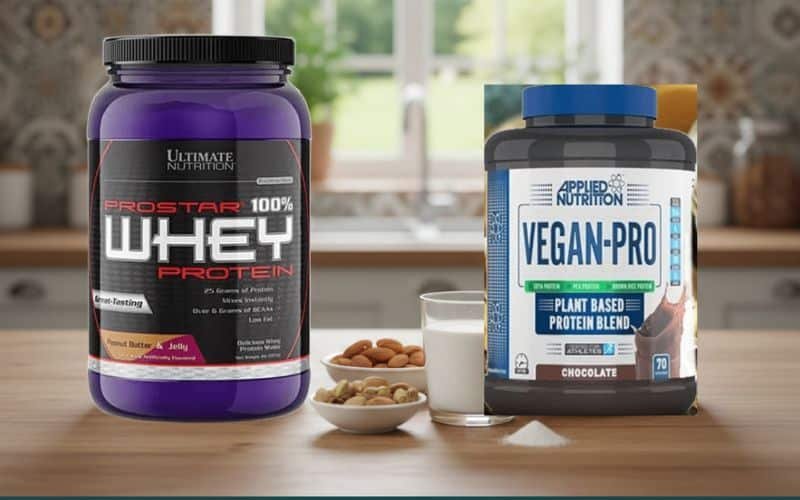
Instead of focusing only on jar price, calculate cost per serving. Popular Whey Protein Products in Pakistan For Pakistani women looking for quality whey protein, here are some trusted options available at Sports One International:
ON Gold Standard 100% Whey: A premium option with 24g of protein per serving, low fat and sugar content, and excellent mixability. Ideal for serious fitness goals.
ELEV Whey Gold: A halal-certified option combining whey concentrate, isolate, and hydrolysate. Perfect for Pakistani women who want both quality and halal assurance.
Critical Whey: Great for beginners, offering balanced nutrition with essential amino acids at competitive prices.
Plant Protein Options in Pakistan For women preferring plant-based options:
Applied Nutrition Vegan-Pro: A premium vegan blend combining soy, pea, and brown rice protein with over 24g protein per serving. Halal certified and dairy-free.
Real-Life Recommendation Summary
- Want faster muscle tone? → Whey
- Sensitive stomach or PCOS? → Plant protein
- Beginner at gym? → Whey (if digestion allows)
- Vegan lifestyle? → Plant protein
Your body’s response matters more than trends.
Conclusion
So, whey vs plant protein — which is better for Pakistani women?
The honest answer: both are excellent when used correctly.
Whey protein stands out for muscle building, recovery, and convenience. Plant protein shines in digestion, hormonal comfort, and dairy-free nutrition. The right choice depends on your goals, lifestyle, and how your body reacts.
Instead of chasing perfection, focus on consistency, balanced meals, and sustainable habits. Protein is just one piece of the puzzle but when chosen wisely, it can power your health journey in a meaningful way.
FAQs (Frequently Asked Questions)
Is Whey Safe for Pakistani Women?
Yes, whey protein is safe for Pakistani women who don’t have lactose intolerance or milk sensitivity. It provides high-quality protein, supports muscle recovery, and fits well into balanced diets.
Does Plant Protein Help With Weight Loss?
Yes plant protein supports weight loss when paired with calorie control and physical activity. It improves fullness, supports digestion, and helps preserve lean muscle while reducing overall calorie intake.
Which Is Better for PCOS?
Many women with PCOS prefer plant protein because it’s dairy-free and naturally anti-inflammatory. It may help reduce bloating, improve insulin sensitivity, and support hormonal balance over time.
Can Women Take Protein Daily?
Absolutely women can safely consume protein daily within recommended intake levels. Regular protein supports muscle maintenance, metabolism, recovery, and overall health when combined with proper hydration and whole foods.
Does Protein Make Women Bulky?
No protein alone doesn’t cause bulky muscles. Significant muscle growth requires intense strength training and surplus calories. For most women, protein simply supports tone, strength, and body shaping.
Which Is Better for Beginners?
Whey protein is usually better for beginners due to fast absorption and complete amino acids. However, women with lactose sensitivity or digestion issues may feel more comfortable starting with plant protein.
Related posts
Carb cycling has become one of the most effective strategies for burning fat while preserving muscle mass. Unlike traditional restrictive diets that leave you depleted... Continue reading
You’re putting in the gym work, hitting your protein goals, and doing everything right , yet your skin is breaking out in places it never... Continue reading
If you’ve ever wondered whether your protein supplement is causing that post-shake bloating or digestive discomfort, you’re not alone. Lactose intolerance affects a significant portion... Continue reading

If you’ve ever stood in a supplement store or scrolled through an online shop staring at two containers of whey , one labeled “concentrate” and... Continue reading
When shopping for protein supplements, you’ll encounter terms like pure whey isolate and zero carb protein that might seem interchangeable but actually represent different product... Continue reading
Add comment