
No products in the cart.
Return To Shop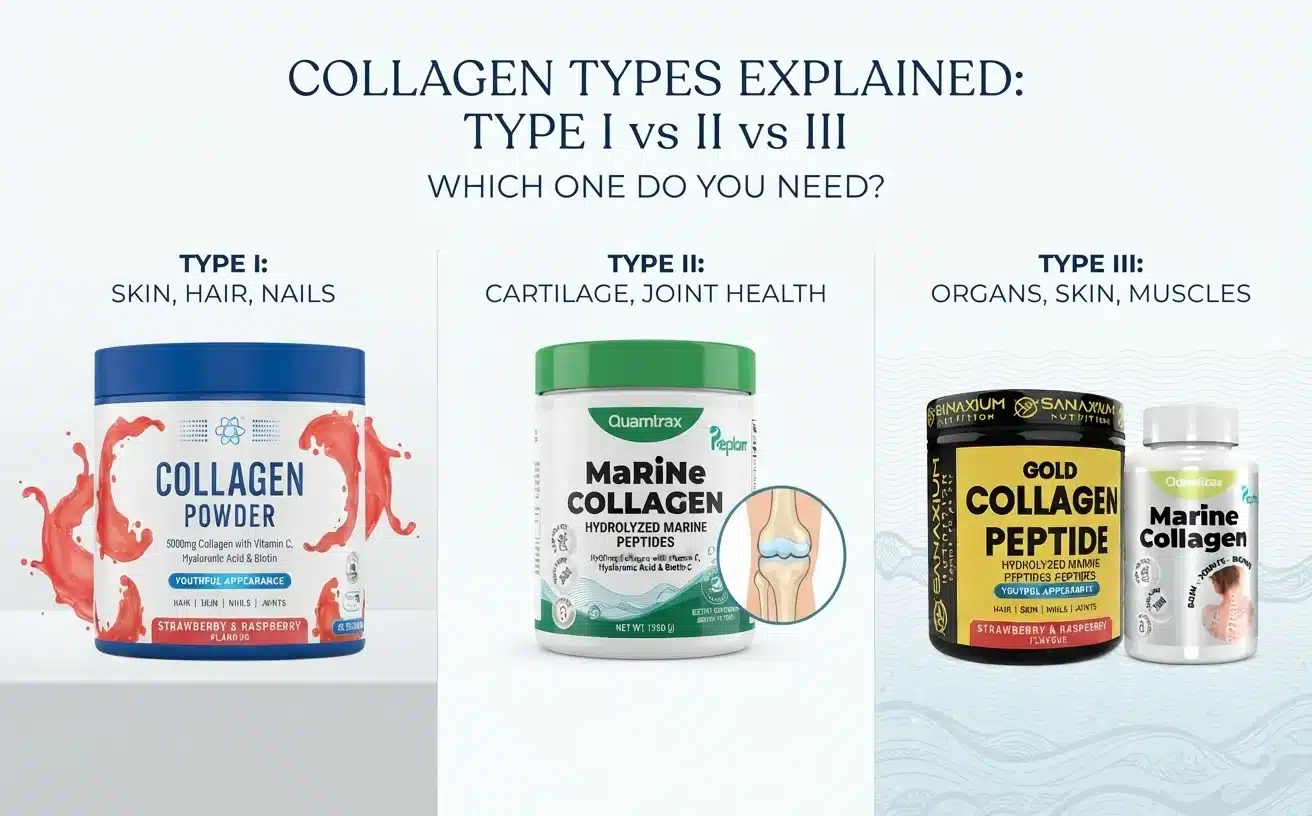
Collagen Types Explained: Type I vs II vs III (Which One Do You Need?)
Type I collagen supports skin, hair, and bone strength; Type II supports joint cartilage and mobility; Type III works alongside Type I to support skin elasticity, blood vessels, and gut lining. Most Pakistani buyers researching collagen price in Pakistan should match the type to their goal first skin and anti-aging (Type I), joint pain and mobility (Type II), or general wellness and gut support (Type III) since price varies by type, source, and dosage per serving.
What Is Collagen and Why Does the Type Matter?
Collagen is the most abundant protein in the human body, forming the structural scaffolding of skin, bones, tendons, cartilage, and connective tissue. Collagen” is not one molecule. Scientists have identified at least 28 types, but Pakistani supplement brands typically sell three: Type I, Type II, and Type III. Each type has a different structure and supports different parts of the body. This explains why a collagen powder designed for skin may not provide much relief for joint pain, and vice versa.
Understanding this distinction matters in Pakistan’s growing supplement market. Brands increasingly market collagen supplements in Pakistan as generic “beauty” or “anti-aging” powders without clearly specifying the collagen type. Reading the label for the source (bovine, marine, or chicken cartilage) tells you which type and which benefit you are actually paying for.
Type I Collagen: Skin, Hair, Nails, and Bone Strength
Type I makes up roughly 90% of the collagen in the human body, densely packed into skin, tendons, ligaments, bones, and teeth. It’s usually sourced from bovine hide, fish scales (marine collagen), or eggshell membrane, and it’s the type most associated with visible anti-aging results.
- Improves skin elasticity and hydration, reducing the appearance of fine lines
- Supports stronger, faster-growing hair and nails
- Contributes to bone mineral density alongside calcium and vitamin D
- Most commonly sold as hydrolyzed collagen peptides for easy absorption
Marine-sourced Type I, such as marine collagen, is absorbed faster than bovine collagen due to smaller peptide size, which is why it’s often the pricier option on shelf. If skin and hair are your main goal, look at how long hydrolyzed collagen takes to show skin results before judging a product too early. Most visible change takes 8–12 weeks of consistent use. A flavoured option like collagen powder in a flavoured format is a common entry point for first-time buyers, and hair, skin, and nails capsule blends combine Type I collagen with biotin for a more targeted beauty stack.
Type II Collagen: Joint Cartilage and Mobility
Type II collagen is structurally different from Type I. It forms a looser, more flexible mesh that makes up the bulk of cartilage, the cushioning tissue between joints. This is the type to look for if you’re an athlete, older adult, or dealing with stiff knees, and it’s almost always sourced from chicken sternum cartilage (as UC-II or hydrolyzed collagen type II).
- Supports cartilage repair and cushioning under repetitive joint stress
- Commonly used by runners, gym-goers, and people managing early joint stiffness
- Works differently from Type I mixing the two does not double joint benefits
- Effective doses are typically lower (as little as 40mg/day for UC-II vs. 10g/day for Type I)
Timing can influence results. See our breakdown of the best time to take collagen for joint repair and sleep for a practical daily schedule. If joint discomfort is a recurring issue rather than a preventive concern, it’s also worth reading about natural joint pain supplements available in Pakistan, since some formulas combine Type II collagen with glucosamine and MSM for a stronger combined effect.
Type III Collagen: Skin Elasticity, Blood Vessels, and Organ Support
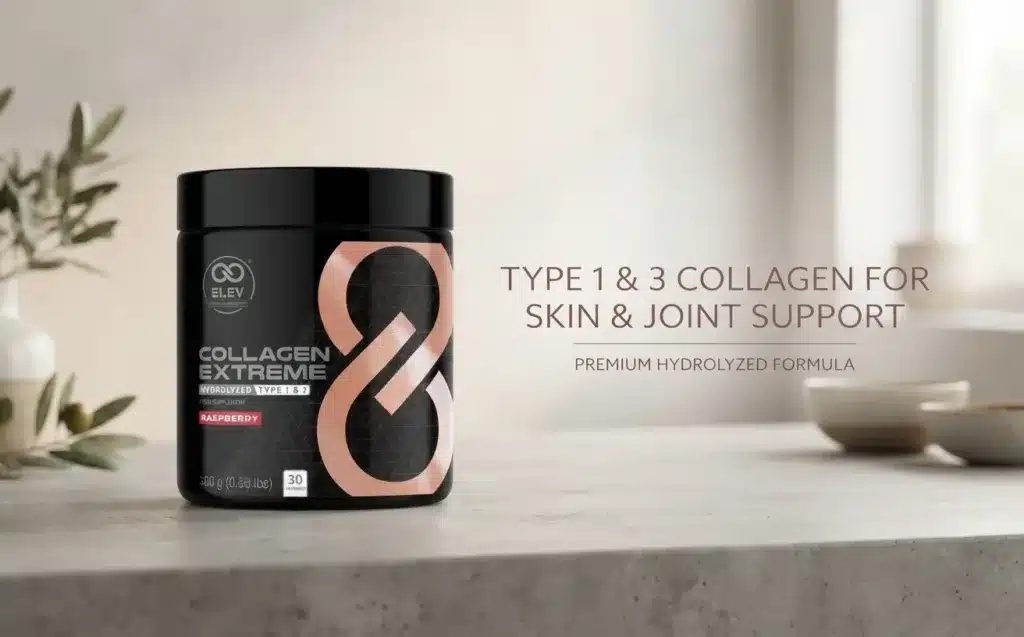
Type III collagen rarely appears as a standalone supplement. Manufacturers often pair it with Type I in multi-collagen blends because both types occur naturally in the skin, muscles, and blood vessel walls. This collagen type helps support elasticity and firmness while also contributing to the structural integrity of connective tissues. It may also play a supporting role in maintaining the integrity of the gut lining.
If your interest in collagen is tied to digestive comfort rather than aesthetics, our comparison of glutamine vs. collagen for gut health support explains where Type III fits relative to other gut-support supplements, and when one is a better starting point than the other.
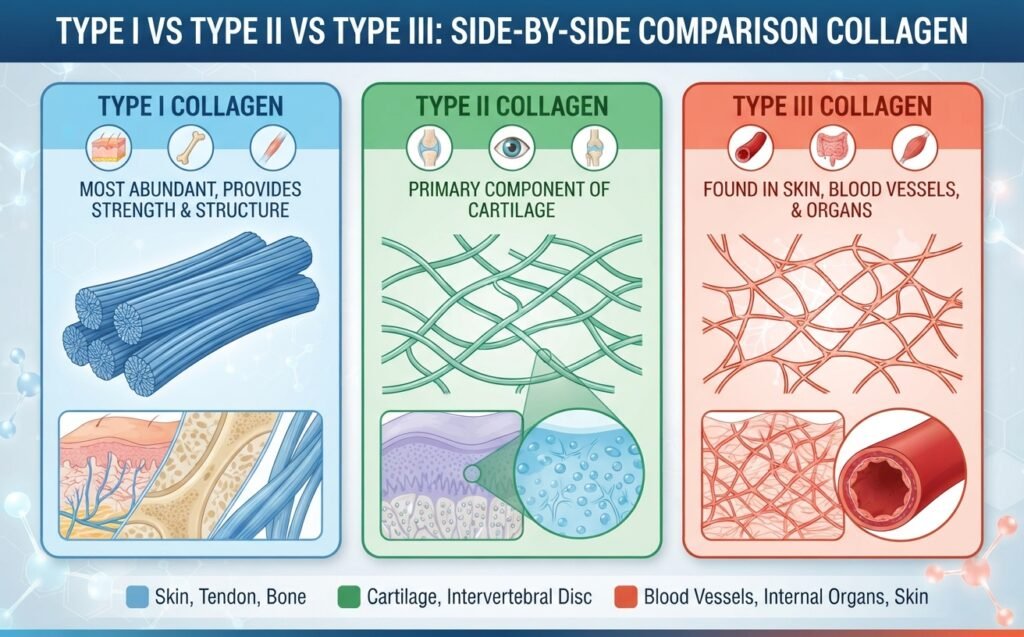
Type I vs Type II vs Type III: Side-by-Side Comparison
| Feature | Type I | Type II | Type III |
| Main location in body | Skin, bone, tendons | Cartilage, joints | Skin, blood vessels, organs |
| Best for | Skin, hair, nails, bone density | Joint pain, mobility, cartilage repair | Skin elasticity, gut lining, vascular support |
| Common source | Bovine hide, marine (fish) | Chicken sternum cartilage | Bovine (usually blended with Type I) |
| Typical daily dose | 5–10g | 40mg (UC-II) or 1–10g hydrolyzed | 2.5–10g (as part of a blend) |
*Prices vary by brand, pack size, and whether the collagen is marine, bovine, or a multi-type blend. Marine and multi-collagen blends generally sit at the higher end due to sourcing and processing costs.
Collagen Price in Pakistan: What Actually Drives the Cost
When comparing collagen price in Pakistan across brands, four factors explain most of the difference: source (marine costs more than bovine), type or blend (multi-collagen complexes cost more than single-type products), format (capsules vs. powder vs. flavoured mix), and whether the product is an authorized import or an unverified grey-market unit.
Buying from an authorized distributor matters here unauthorized imports are a common source of underdosed or counterfeit collagen locally. SportsOne has been an authorized international distributor since 2002, with Cash on Delivery, WhatsApp ordering, and stores in Karachi, Lahore, Islamabad, and Gujranwala, so you can compare verified stock across all three collagen types at the collagen category page.
How to Choose the Right Collagen Type for Your Goal
- Goal: anti-aging, skin, hair, nails → Type I (marine or hydrolyzed bovine)
- Goal: joint pain, stiffness, sports recovery → Type II (chicken cartilage-sourced)
- Goal: skin elasticity plus gut and vascular support → Type I + III blend
- Goal: general wellness, not sure where to start → a multi-collagen complex covering all three
Dosage, Timing, and Safety Notes
Most studies on Type I collagen use 5–10g per day, taken once daily for at least 8–12 weeks before assessing skin or hair results. Type II is dosed very differently. UC-II formulations work at doses as low as 40mg/day since they act through immune tolerance rather than direct building-block supply, so more isn’t better here. Multi-collagen blends generally follow the Type I dosing range, since Type I usually makes up the bulk of the formula.
Collagen is generally well tolerated, though people with fish or shellfish allergies should avoid marine collagen and pick a bovine or chicken-sourced alternative instead. Mild bloating is the most common side effect and usually settles within the first week. Bone broth is a natural food source, though cooking methods affect how much usable collagen survives; supplements offer a more consistent dose. Pairing collagen with vitamin C also supports the body’s own synthesis; see our guide to vitamin C for skin in Pakistan. Pregnant or breastfeeding women and anyone on prescription medication should check with a doctor first.
Frequently Asked Questions
Which collagen type is best for skin whitening or glow?
No collagen type lightens skin tone directly. Type I is the closest to a “glow” effect because it improves hydration and elasticity, giving skin a firmer, more even appearance over 8–12 weeks. Pairing it with vitamin C supports the brightening effect people usually associate with collagen use.
Can I take Type I and Type II collagen together?
Yes, taking both is safe and common, since they target different tissues skin and bone versus joint cartilage. Many multi-collagen blends already combine Type I, II, and III in one dose, which is often more convenient and cost-effective than buying two separate single-type products.
Why does collagen price vary so much between brands in Pakistan?
Price differences mainly come down to source (marine costs more than bovine), whether it’s a single type or multi-collagen blend, pack size, and import authenticity. Unauthorized or grey-market stock is often cheaper but carries a higher risk of being underdosed or counterfeit.
How long before Type II collagen improves joint pain?
Most studies on Type II collagen (particularly UC-II formulations) show measurable improvement in joint comfort and mobility after 8–12 weeks of consistent daily use. It works gradually through the immune system rather than providing instant pain relief like an anti-inflammatory.
Is marine collagen better than bovine collagen?
Marine collagen (Type I) has smaller peptides, so it’s absorbed slightly faster than bovine collagen, but both deliver similar long-term results for skin and hair. Marine is the better choice for anyone avoiding beef-derived products or with a religious or dietary restriction on bovine sourcing.
Ready to shop verified collagen at a fair price? Browse Type I, II, and III options including marine, hydrolyzed, and multi-collagen blends at SportsOne’s collagen category, with Cash on Delivery and same-day dispatch from stores in Karachi, Lahore, Islamabad, and Gujranwala.
About author

Related posts
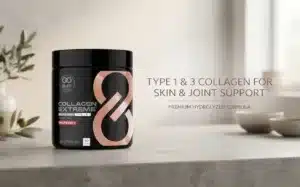
If you’ve scrolled through skincare ads or supplement shelves lately, you’ve probably seen the word “collagen” everywhere. But what actually is it, and why has... Continue reading

If you are searching for how to boost testosterone naturally, the honest answer is that food, lifting, sleep and body composition do most of the... Continue reading

Walk into any gym in Lahore, Karachi, or Islamabad before 6 p.m. and you’ll spot two camps: the ones sipping black coffee from a flask,... Continue reading
If you’ve stood in a supplement store or scrolled SportsOne’s shop wondering whether to buy BCAA, whey protein, or both, you’re not alone. It’s one... Continue reading
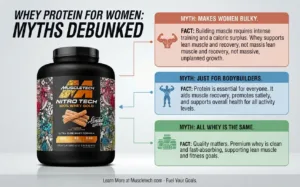
Ask a Pakistani woman why she avoids protein shakes. One fear comes up almost every time: “Won’t it make me look like a bodybuilder?” This... Continue reading
Add comment