
No products in the cart.
Return To Shop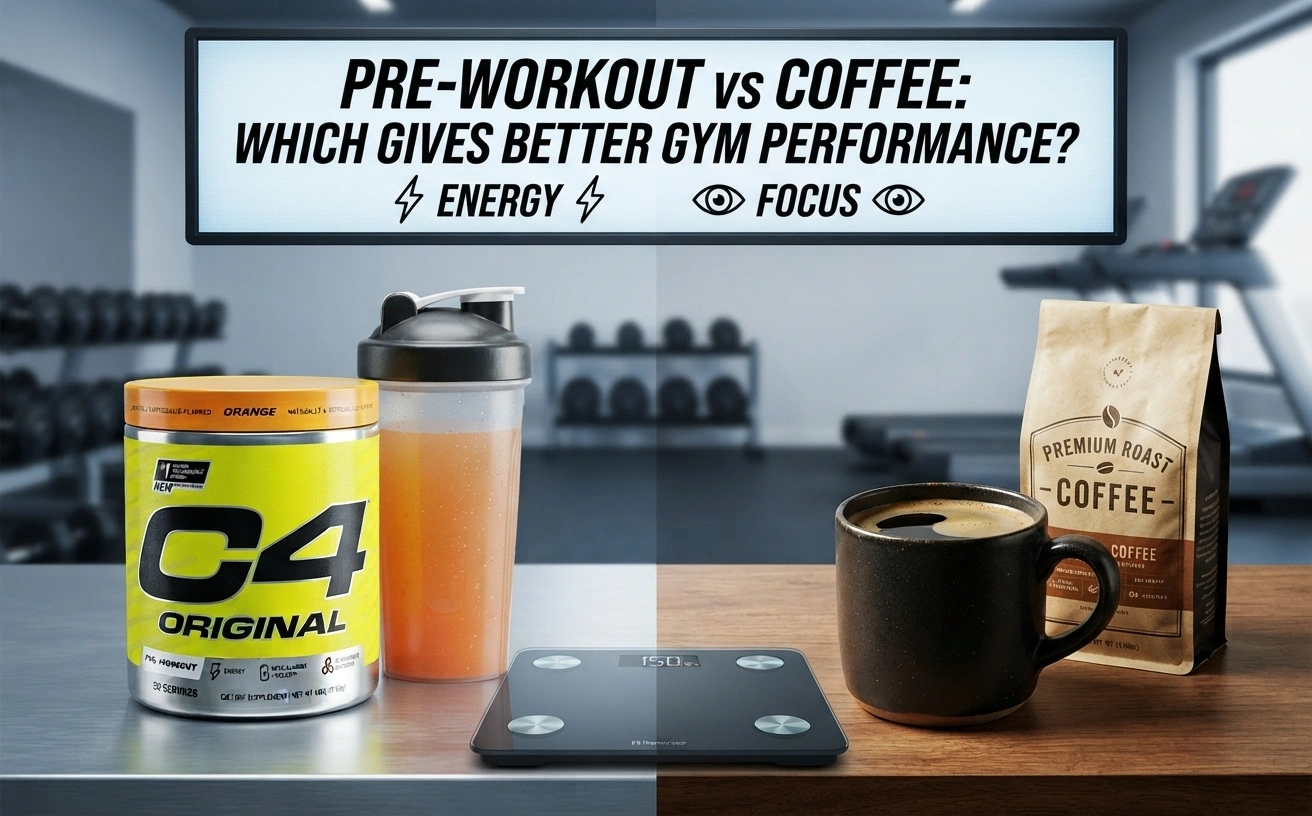
Pre-Workout vs Coffee: Which Gives Better Gym Performance?
Walk into any gym in Lahore, Karachi, or Islamabad before 6 p.m. and you’ll spot two camps: the ones sipping black coffee from a flask, and the ones shaking a scoop of pre-workout in a bottle. Both promise the same thing — more energy, sharper focus, and a harder session. But when it comes to pre workout vs coffee, which one actually delivers better gym performance?
This guide breaks down how each works, where each one falls short, and how to decide which fits your training style — plus a natural pre workout alternative if you want the benefits without the crash.
What Is Pre-Workout and How Does It Work?
Pre-workout supplements are powders mixed with water and consumed 20–30 minutes before training. Unlike a plain cup of coffee, they’re formulated with a stack of ingredients working together: caffeine for energy, beta-alanine for endurance, citrulline for blood flow and “pump,” and often creatine or B-vitamins for strength and recovery. You can read a full ingredient breakdown in our guide on best pre-workout ingredients for performance.
Because the formula is dosed specifically for training, a good pre-workout is built to hit multiple performance markers at once rather than just waking you up. That’s why lifters chasing PRs often reach for something like GAT Nitraflex or C4 Sport Pre-Workout Powder instead of a flask of coffee.

What Does Coffee Before the Gym Actually Do?
Coffee before gym sessions is popular because it’s simple, cheap, and already part of most people’s routine. A strong cup delivers 80–150mg of caffeine, which stimulates the central nervous system, sharpens alertness, and can modestly improve strength output and reaction time.
But coffee is a single-ingredient stimulant. It doesn’t contain the beta-alanine, citrulline, or creatine that make dedicated pre-workouts more rounded for muscle endurance and pump. It also varies wildly in caffeine content brew to brew, making dosing inconsistent — one cup might barely register, another might leave you jittery an hour into your set.
Pre-Workout vs Coffee: Head-to-Head Comparison
| Factor | Coffee | Pre-Workout |
| Energy boost | Moderate, inconsistent dosing | High, precisely dosed caffeine |
| Muscular endurance | Minimal support | Boosted via beta-alanine |
| Pump/blood flow | None | Citrulline, nitric oxide boosters |
| Focus | Mild | Often includes nootropics/tyrosine |
| Convenience | Needs brewing | Just add water |
| Cost per serving | Low | Moderate to higher |
| Crash risk | Lower, gradual | Can be higher with high-stim blends |
If you’re chasing raw stimulant energy and a familiar taste, coffee before gym still works. If you want endurance, pump, and focus stacked into one dose, a formulated pre-workout — such as Optimum Nutrition Gold Standard Pre-Workout or MuscleTech Vapor X5 — is built to outperform a plain cup.
Pros and Cons of Coffee Before the Gym
Pros:
- Affordable and already part of most routines
- No artificial sweeteners or fillers
- Provides a genuine energy lift for light-to-moderate sessions
Cons:
- Caffeine content is inconsistent
- No support for muscular endurance or pump
- Can cause acid reflux or jitters on an empty stomach
Pros and Cons of Pre-Workout Supplements
Pros:
- Precisely dosed caffeine plus performance ingredients like beta-alanine and creatine
- Better suited for heavy lifting, HIIT, or long training blocks
- Wide flavor range makes it easier to stick with daily
Cons:
- Higher cost per serving than coffee
- High-stim blends can cause a tingling sensation for some users — see our explainer on what the tingling feeling from pre-workout means
- Not all products are third-party verified, so sourcing from a trusted seller matters
That last point matters more in Pakistan than most people realize. Counterfeit stimulant blends are common online, so buying from a verified source protects both your wallet and your health.
A Natural Pre-Workout Alternative Worth Knowing
If you like coffee’s simplicity but want more from your session, you don’t have to choose one extreme or the other. A natural pre-workout alternative — black coffee paired with a banana, a small dose of creatine, or a fast-digesting carb — can bridge the gap without synthetic stimulant stacking. For lifters focused on strength over time, pairing your coffee with steady creatine monohydrate use often does more for long-term performance than either coffee or a high-stim pre-workout alone.
Athletes looking for an energy source without heavy stimulants can also check our roundup of best energy supplements for exams and training, which covers lower-stim options suited to daily use.

Which One Should You Choose?
- Choose coffee if you train at a low-to-moderate intensity, want the cheapest option, and don’t need pump or endurance support.
- Choose pre-workout if you’re lifting heavy, training for longer sessions, or want stacked ingredients for focus, pump, and stamina. Browse our full pre-workout supplements guide for Pakistan to compare options by budget, including popular picks like the C4 Pre-Workout price guide.
- Combine both, carefully — some lifters use a light coffee in the morning and save a full pre-workout dose for heavy training days, avoiding stacking two full caffeine hits.
At SportsOne, every pre-workout we stock is sourced through authorized, Halal-certified distribution, so you’re never guessing about what’s in your scoop. Orders across Pakistan also ship with Cash on Delivery, making it easy to try a new pre-workout without upfront risk. Explore the full range on our shop page.
FAQs
Is pre-workout better than coffee for the gym?
Pre-workout is generally better for heavy or long sessions because it combines caffeine with beta-alanine, citrulline, and other performance ingredients. Coffee works fine for lighter workouts but lacks the endurance and pump support that dedicated pre-workout formulas are designed to deliver.
Can I take coffee and pre-workout together?
It’s not recommended to take a full cup of coffee and a full pre-workout dose together, since both contain caffeine. Combining them can push your total intake too high, risking jitters, a rapid heartbeat, or a crash later in your session.
What is a natural pre-workout alternative to caffeine pills?
A natural pre-workout alternative includes black coffee with a banana, a small dose of creatine, or beetroot juice for nitric oxide support. These combinations provide steady energy and blood flow without relying on heavily stacked synthetic stimulants.
Does coffee before the gym cause dehydration?
Moderate coffee before a workout doesn’t significantly dehydrate you, despite the myth. Caffeine has a mild diuretic effect, but normal pre-training amounts are generally offset by your regular water intake, especially if you hydrate before and during training.
Are SportsOne pre-workouts Halal certified?
Yes, SportsOne sources its pre-workout supplements through authorized, Halal-certified distribution channels. This means Pakistani buyers can train with confidence knowing their supplements meet Halal standards, with Cash on Delivery available nationwide for easy ordering.

About author

Related posts

For most healthy adults, collagen peptides are well tolerated. The side effects people actually report are mild: a feeling of fullness, bloating, an aftertaste or... Continue reading

The short answer: the best time to take collagen is whichever time you will repeat every single day. Research on hydrolysed collagen peptides has not... Continue reading
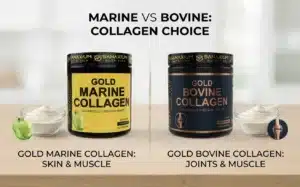
Neither is universally better. Marine collagen is often preferred for skin, hair and people who avoid beef, while bovine collagen is usually cheaper and offers... Continue reading

Collagen may help support joint comfort in some people, but the evidence is modest, results are slow, and it is not a substitute for medical... Continue reading
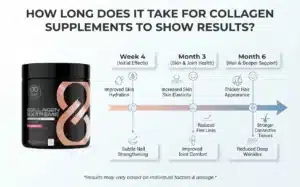
Most people notice their first change from collagen supplements after 4 to 8 weeks, with clearer skin and joint results building between 8 and 12... Continue reading
Add comment