
No products in the cart.
Return To Shop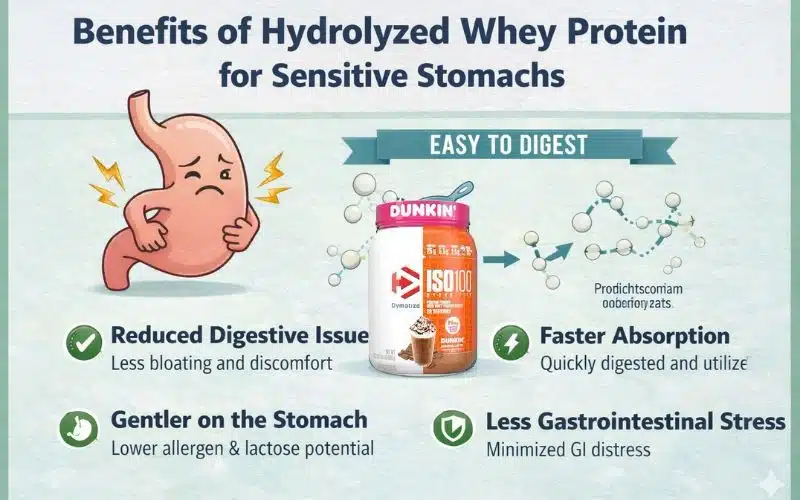
Benefits of Hydrolyzed Whey Protein for Sensitive Stomachs
If you’ve ever experienced bloating, gas, or digestive discomfort after drinking a protein shake, you’re not alone. Many fitness enthusiasts struggle with traditional whey protein, but there’s a solution that’s changing the game: hydrolyzed whey protein. This pre-digested form of protein offers a gentler approach for those with sensitive stomachs while still delivering the muscle-building benefits you need.
What Makes Hydrolyzed Whey Different?
Regular whey protein contains long chains of amino acids that your body must break down through digestion. Hydrolyzed whey protein, however, has already gone through a hydrolysis process where these protein chains are broken into smaller peptides.
The hydrolysis process involves using enzymes or acids to break down protein molecules, essentially doing part of the digestion work before the protein ever reaches your stomach. This makes it particularly beneficial for anyone experiencing digestive sensitivity with standard whey protein supplements.

Why Your Stomach Struggles with Regular Protein
Digestive issues with protein powders typically stem from a few key factors. First, lactose content in whey concentrate can trigger problems for those with lactose intolerance. Second, the body sometimes struggles to break down large protein molecules quickly enough, leading to fermentation in the gut and uncomfortable bloating.
Many people don’t realize they have mild lactose sensitivity until they start supplementing with protein powder. The concentrated nature of protein supplements means you’re consuming more lactose in one serving than you might from a glass of milk. Additionally, consuming protein too quickly can overwhelm your digestive enzymes, especially if you’re drinking shakes on an empty stomach or immediately before or after intense workouts.
Key Benefits for Sensitive Stomachs
Hydrolyzed whey protein offers several advantages that make it the top choice for digestive comfort:
- Faster absorption means the protein spends less time in your digestive system, reducing the opportunity for fermentation and gas buildup. Studies show hydrolyzed whey can be absorbed up to 30% faster than regular whey concentrate.
- Reduced lactose content comes naturally with the hydrolysis process. While not completely lactose-free, hydrolyzed whey contains significantly less lactose than whey concentrate, making it easier for those with mild sensitivities to tolerate.
- Minimal bloating occurs because the pre-broken-down proteins require less digestive effort. Your stomach doesn’t have to work as hard to extract the amino acids, which means less gas production and digestive discomfort.
- Better tolerance for sensitive individuals extends beyond just lactose issues. People with inflammatory bowel conditions, acid reflux, or general digestive sensitivity often find hydrolyzed protein much more comfortable than standard options.
How Hydrolyzed Whey Supports Your Fitness Goals
The rapid absorption rate makes it ideal for post-workout recovery when your muscles are primed for nutrient uptake. Getting amino acids into your system quickly during this critical window can enhance muscle protein synthesis and speed recovery.
The complete amino acid profile remains intact despite the hydrolysis process. You’re still getting all nine essential amino acids your body needs for muscle building and repair, including high levels of leucine,the key amino acid for triggering muscle growth.
Convenience becomes a major factor when you can actually enjoy your protein shake without worrying about digestive consequences. This means you’re more likely to stay consistent with your supplementation, which is ultimately what drives results.
Who Should Consider Hydrolyzed Whey?
Several groups of people find particular benefit from switching to hydrolyzed whey protein. If you experience regular bloating or gas after consuming standard whey protein shakes, hydrolyzed versions could eliminate these issues entirely.
Those with mild lactose intolerance who can tolerate some dairy but struggle with concentrated whey products often find hydrolyzed whey sits much better. For severe lactose intolerance, consider isolated protein for lactose intolerant individuals as a better option.
Athletes needing quick protein absorption around training times benefit from the rapid uptake. If you’re training multiple times per day or need fast recovery between sessions, the speed advantage of hydrolyzed whey becomes a performance enhancement tool.
Older adults often experience decreased digestive enzyme production, making protein digestion more challenging. Hydrolyzed whey reduces the digestive burden, making it easier for aging bodies to access the amino acids they need to maintain muscle mass.

Practical Tips for Using Hydrolyzed Whey
- Getting the most from your hydrolyzed whey protein involves more than just buying the right product. If you’re new to whey protein for beginners, start with smaller serving sizes if you’re transitioning from regular whey. Even though it’s gentler, your system may need time to adjust.
- Mix thoroughly with adequate liquid to ensure proper dissolution. Hydrolyzed proteins can sometimes have a slightly bitter taste due to the exposed peptide bonds, so experimenting with flavors and mixing methods helps improve palatability.
- Time your intake strategically around workouts for maximum benefit. The fast absorption makes it perfect for post-workout consumption when you want nutrients quickly delivered to recovering muscles.
- Stay hydrated throughout the day when increasing protein intake. Proper water intake matters for protein metabolism and helps prevent any remaining digestive discomfort.
- Combine with digestive enzymes if you still experience minor issues. Some people benefit from adding a digestive enzyme supplement even with hydrolyzed protein, though most find it unnecessary.
Comparing Protein Options for Sensitive Stomachs
When choosing between different protein types, understanding the full spectrum helps you make informed decisions. Understanding whey protein concentrate vs isolate vs hydrolyzed options is crucial. Whey protein concentrate contains 70-80% protein with higher lactose and fat content, making it the most affordable but least suitable for sensitive stomachs.
Whey protein isolate offers 90%+ protein with minimal lactose and fat, providing a middle ground between concentrate and hydrolyzed options.
Hydrolyzed whey protein represents the most processed form with the fastest absorption and easiest digestion. While typically more expensive, many find the digestive benefits worth the investment.
Plant-based proteins like pea or brown rice protein offer completely dairy-free alternatives but may not provide the same amino acid profile or absorption speed as whey-based options.
Making the Switch Work for You
Transitioning to hydrolyzed whey doesn’t have to be complicated or expensive. Start by replacing your post-workout shake with a hydrolyzed version, as this is when absorption speed matters most. If you notice improvements in digestion and recovery, consider using it for more servings throughout the day.
- Look for products that clearly label the degree of hydrolysis, as this affects both taste and digestibility. Higher degrees of hydrolysis mean faster absorption but sometimes stronger taste.
- Consider your budget when making the switch. While hydrolyzed whey protein costs more than concentrate, the reduced waste from digestive issues and improved consistency in supplementation often justifies the price difference.
- Pay attention to additional ingredients in your protein powder. Some products include digestive enzymes, probiotics, or glutamine for gut health that can enhance the benefits of hydrolyzed whey.
- Track your progress over several weeks to truly assess whether hydrolyzed whey makes a difference for your digestion. Keep notes on energy levels, digestive comfort, and recovery speed. For comprehensive nutrition tracking, consider reading about how many calories to eat daily to optimize your overall nutrition plan.
Common Mistakes to Avoid
When switching to hydrolyzed whey protein, avoid these common mistakes using whey protein. Don’t assume that because it’s easier to digest, you can consume unlimited amounts. Your body still has limits on how much protein it can use effectively at one time.
Avoid mixing hydrolyzed whey with very hot liquids, as excessive heat can further denature the proteins and affect taste. Room temperature or cold liquids work best for maintaining palatability and protein integrity.
Don’t skip meals thinking protein shakes alone will meet all your nutritional needs. Whole food sources of protein remain important for providing additional nutrients, fiber, and variety in your diet.
Maximizing Results with Proper Nutrition
While hydrolyzed whey protein addresses digestive concerns, pairing it with a balanced diet guide ensures optimal results. Consider incorporating high protein food for weight gain alongside your supplementation for a comprehensive approach.
Combine your protein intake with proper exercise. Whether you’re focused on exercises to keep your body fit or specific strength training, protein supplementation works best when paired with consistent physical activity.
Your Path to Comfortable Protein Supplementation
Finding the right protein supplement when you have a sensitive stomach can feel like navigating a minefield. Hydrolyzed whey protein offers a research-backed solution that doesn’t ask you to choose between digestive comfort and fitness results. By understanding how it works and implementing it strategically in your nutrition plan, you can finally enjoy the benefits of protein supplementation without the uncomfortable side effects that have held you back.
The key is starting smart, listening to your body, and giving the switch adequate time to show results. For most people with sensitive stomachs, hydrolyzed whey represents the missing piece in their nutrition puzzle,the solution that makes consistent protein intake finally feel achievable and comfortable.


Related posts
Most people who train seriously know that protein matters for muscle growth, but the conversation gets far more interesting when you zoom in on one... Continue reading
Fast cardio has a loyal following among fat-loss enthusiasts, and for good reason , training on an empty stomach pushes the body to tap into... Continue reading
Lahore is the food capital of Pakistan. From weekend breakfast Halwa Puri and Channa in Anarkali to late-night Karahi and Naan in Lakshmi Chowk, our... Continue reading

Starting your fitness journey is an exciting milestone. Whether you are hitting a local gym in Gulberg, DHA, or Johar Town, the goal is always... Continue reading

If you’ve ever looked in the mirror and felt like you’re somehow both too thin and carrying too much fat you’re not imagining it. The... Continue reading
Add comment