
No products in the cart.
Return To Shop
Whey Protein Concentrate vs. Whey Protein Isolate vs. Hydrolyzed: Detailed Comparison
Last Updated: September 2026
Whey concentrate, isolate, and hydrolyzed are all whey protein; the difference is how much extra processing each one goes through. Concentrate keeps more of the natural milk compounds and costs less. Isolate strips out most of the lactose and fat for a higher protein percentage. Hydrolyzed goes a step further, pre-breaking the protein into smaller peptides for the fastest digestion at the highest price.
| If you want… | Choose |
| The best value per gram of protein | Whey Concentrate (WPC) |
| High protein with minimal lactose/fat | Whey Isolate (WPI) |
| The fastest absorption and gentlest digestion | Hydrolyzed Whey (WPH) |
| A general all-rounder for daily use and lean muscle | Whey Isolate (WPI) |
Choosing the right whey protein can be overwhelming. With terms like concentrate, isolate, and hydrolyzed thrown around, it’s essential to understand what each type offers before you spend your money. In this guide, we break down the differences between whey protein concentrate, whey protein isolate, and hydrolyzed whey protein covering protein content, lactose, digestion speed, amino acid profile, and price so you can pick the Best Whey Protein in Pakistan for your specific goal.
What is Whey Protein?
Whey protein is a high-quality protein derived from milk during the cheese-making process, when milk separates into curds (used for cheese) and liquid whey (the protein source). It contains all nine essential amino acids in a favourable ratio, making it a complete protein with a high biological value. It’s quickly absorbed by the body compared to other protein sources like casein or plant proteins, which is why it’s the default choice for athletes and fitness enthusiasts building or preserving muscle.
Every type of whey concentrate, isolate, and hydrolyzed starts from the same raw liquid whey. What changes between them is the level of filtration and processing applied afterward, which is what drives the differences in protein percentage, lactose content, cost, and how quickly your body can use it.
Whey Protein Concentrate (WPC)

Whey Protein Concentrate is the least filtered form of whey protein, made through basic microfiltration or ultrafiltration of the raw whey liquid. Because it undergoes the least processing, it retains more of the naturally occurring bioactive compounds including immunoglobulins and lactoferrin that are partially or fully stripped out during isolate and hydrolysis processing. It typically contains:
- Protein content: 70% to 80%
- Lactose: Moderate
- Fat and carbohydrates: Present in small amounts
Pros:
- More affordable per gram of protein than isolate or hydrolyzed
- Retains more bioactive compounds from the original milk
- Often tastes creamier due to residual fat content
Cons:
- May cause digestive issues for lactose-intolerant individuals
- Slightly lower protein content compared to other forms
Whey Protein Isolate (WPI)

Whey Protein Isolate undergoes further processing usually cross-flow microfiltration or ion-exchange filtration to remove more fat and lactose while concentrating the protein content further. If you’re unsure whether the extra processing is worth paying for, our breakdown of whether whey isolate is worth the extra cost over concentrate goes deeper into the value trade-off. Isolate typically contains:
- Protein content: 90% or higher
- Lactose: Very low
- Fat and carbohydrates: Minimal
Pros:
- High protein concentration
- Ideal for lactose-sensitive individuals see exactly how much lactose is left in whey protein isolate
- Faster absorption than concentrate
Cons:
- More expensive than concentrate
- Slightly reduced in beneficial compounds due to processing
Hydrolyzed Whey Protein (WPH)

Hydrolyzed Whey Protein starts from isolate (or sometimes concentrate) and is pre-digested through a process called hydrolysis, using enzymes to break down long protein chains into smaller peptides before you even drink it. This is also the form most commonly recommended for people with sensitive digestion see our guide on the benefits of hydrolyzed whey protein for sensitive stomachs for more detail.
- Protein content: 90% or higher
- Lactose and fat: Minimal
- Digestibility: Fastest among all forms
Pros:
- Easiest to digest
- Rapid absorption
- Reduced risk of allergic or digestive reactions
Cons:
- Most expensive of the three
- May taste bitter due to the hydrolysis process, since smaller peptides expose more bitter-tasting amino acids
Which One Should You Choose?
Choosing between WPC, WPI, and WPH depends on your personal goals, budget, and dietary needs. There’s no single “best” type only the type that best matches what you’re optimising for.
For Beginners or Budget-Conscious Users
Whey Protein Concentrate is a solid choice. It offers great value and decent nutritional benefits for general fitness and muscle maintenance, and it’s the type most first-time buyers should start with before deciding if they need something more refined.
For Lactose-Intolerant or Weight-Conscious Individuals
Whey Protein Isolate is ideal. It delivers a high dose of protein without extra calories from fat or lactose, making it a favourite for cutting phases and anyone managing calorie intake closely.
For Athletes and Fast Recovery Needs
Hydrolyzed Whey Protein works best. It supports rapid muscle repair post-workout, especially in intense training routines where minimising digestive load and maximising absorption speed both matter.
Nutritional Comparison Table
| Type | Protein % | Lactose | Digestion Speed | Relative Cost |
| Concentrate (WPC) | 70-80% | Moderate | Moderate | $ |
| Isolate (WPI) | 90%+ | Low | Fast | $$ |
| Hydrolyzed (WPH) | 90%+ | Very Low | Fastest | $$$ |
Importance of Protein Quality
While quantity matters, quality is equally important. All forms of whey are complete proteins, but the level of processing can impact:
- Bioavailability: How well your body uses the protein hydrolyzed peptides are absorbed fastest, followed by isolate, then concentrate
- Amino Acid Profile: Essential for muscle growth and repair leucine content in particular drives muscle protein synthesis, and all three whey types deliver a strong leucine dose relative to plant proteins
- Digestive Comfort: Especially for those with lactose sensitivities or IBS-type symptoms
Choose a product that aligns with both your fitness goals and your body’s needs, not just the one with the highest protein percentage on the label.
Common Myths About Whey Protein
Discover the truth behind common whey protein myths it’s not just for bodybuilders, and it’s safe for most people.
Myth 1: More expensive always means better
Not necessarily. While hydrolyzed whey has genuine digestive and absorption advantages, concentrate may be just as effective for many users whose main goal is simply hitting a daily protein target.
Myth 2: Whey protein is only for bodybuilders
False. Whey protein is beneficial for anyone looking to improve their protein intake, from active seniors preserving muscle mass to busy professionals filling gaps in a rushed diet.
Myth 3: All whey protein causes bloating
Only those sensitive to lactose or specific added ingredients (like artificial sweeteners or gums) tend to experience bloating. Choosing isolate or hydrolyzed over concentrate can largely eliminate this issue.
FAQs
What is the main difference between whey concentrate, isolate, and hydrolyzed?
The main difference is the level of filtration. Concentrate is the least processed (70-80% protein, some lactose/fat), isolate is further filtered (90%+ protein, minimal lactose/fat), and hydrolyzed is isolate or concentrate broken down further into smaller peptides for the fastest digestion. All three come from the same starting material liquid whey.
Is whey protein safe for daily use?
Yes, whey protein is generally safe for daily use when consumed within recommended dietary limits. Always consult with a healthcare provider if you have existing health conditions.
Can women use whey protein?
Absolutely. Whey protein supports lean muscle development, weight management, and overall health in both men and women — the type (concentrate, isolate, or hydrolyzed) doesn’t change based on gender, only on lactose tolerance and digestion needs.
How much whey protein should I take?
It depends on your activity level and goals. Most people benefit from 20-30 grams per serving, taken post-workout or as a meal supplement, regardless of whether it’s concentrate, isolate, or hydrolyzed.
Is whey protein good for weight loss?
Yes, it can aid in weight loss by promoting satiety, preserving lean muscle mass, and supporting metabolism. Isolate is often preferred here since it delivers protein with minimal added calories from fat or lactose.
Does whey protein expire?
Yes, check the expiration date on the packaging. Store it in a cool, dry, airtight place to maintain freshness and prevent clumping.
Conclusion
Understanding the differences between Whey Protein Concentrate, Whey Protein Isolate, and Hydrolyzed Whey Protein is key to finding the supplement that best fits your needs. Whether you’re aiming to build muscle, lose weight, or just boost your daily protein intake, there’s a whey protein type tailored for you.
Ready to level up your fitness journey? Explore the Best Whey Protein in Pakistan at sportsone.com.pk and find the perfect match for your goals.


About author

Related posts

For most healthy adults, collagen peptides are well tolerated. The side effects people actually report are mild: a feeling of fullness, bloating, an aftertaste or... Continue reading

The short answer: the best time to take collagen is whichever time you will repeat every single day. Research on hydrolysed collagen peptides has not... Continue reading
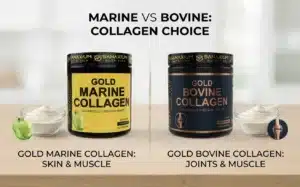
Neither is universally better. Marine collagen is often preferred for skin, hair and people who avoid beef, while bovine collagen is usually cheaper and offers... Continue reading
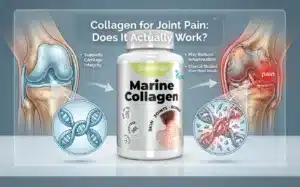
Collagen may help support joint comfort in some people, but the evidence is modest, results are slow, and it is not a substitute for medical... Continue reading
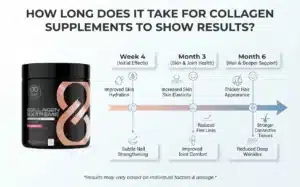
Most people notice their first change from collagen supplements after 4 to 8 weeks, with clearer skin and joint results building between 8 and 12... Continue reading
Add comment