
No products in the cart.
Return To Shop
Best Time to Take Casein Protein for Weight Loss: Expert Timing Guide
If you’re looking to shed those extra pounds while preserving lean muscle mass, understanding when to take casein protein can make a significant difference in your weight loss journey. Unlike its faster-digesting cousin whey protein, casein protein offers unique benefits that make timing absolutely crucial for fat loss success.
Why Timing Matters When Taking Casein for Fat Loss
Casein protein is fundamentally different from other protein supplements because of its slow-release properties. This isn’t just marketing hype,the science behind casein’s digestion rate directly impacts how your body burns fat and maintains muscle during a calorie deficit. When you’re trying to lose weight, your body needs a steady supply of amino acids to prevent muscle breakdown, and that’s exactly where strategic casein timing becomes your secret weapon.
The unique micellar structure of casein forms a gel-like substance in your stomach, releasing amino acids gradually over 6-8 hours. This extended release window makes it particularly valuable during periods when you won’t be eating, which is why timing becomes the game-changer in your weight loss strategy.
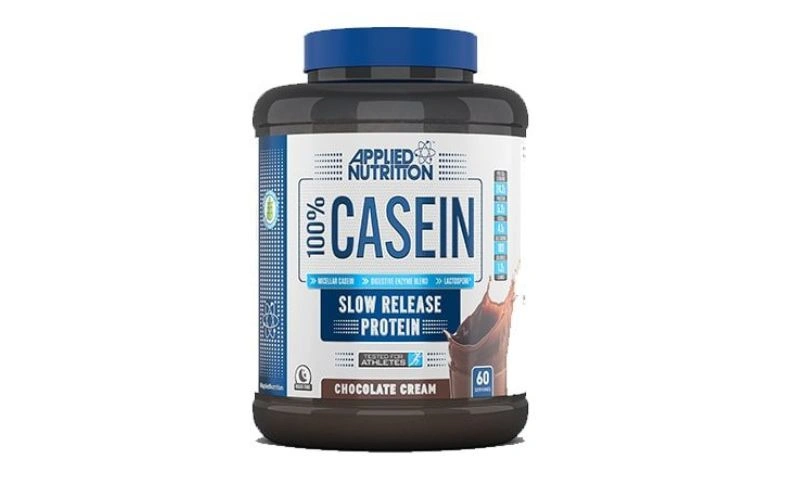
The Science Behind Casein’s Slow Release Mechanism
Understanding how casein protein works helps you appreciate why timing is so critical. When casein reaches your stomach, it coagulates into a solid mass due to the acidic environment. This clotting effect slows down gastric emptying and provides a sustained release of amino acids into your bloodstream.
For weight loss, this means several powerful benefits:
- Extended satiety that helps control hunger throughout the day or night
- Continuous muscle protein synthesis even during fasting periods
- Reduced muscle catabolism when your body is in a caloric deficit
- Stable blood sugar levels that prevent energy crashes and cravings
Best Times to Take Casein Protein for Maximum Weight Loss
Taking slow-digesting casein at the right time can reduce late-night cravings, protect lean muscle, and enhance overnight fat metabolism.
Before Bed: The Prime Time for Fat Loss
Taking casein protein before bed is widely considered the optimal timing strategy for weight loss, and for good reason. During sleep, your body undergoes crucial recovery and repair processes, but without food intake, it can easily slip into a catabolic state where muscle tissue breaks down to fuel metabolic processes.
A pre-bed casein shake taken 30-60 minutes before sleep provides your muscles with a steady stream of amino acids throughout the night. This prevents muscle loss while your body continues burning fat for energy. Research shows that nighttime protein intake can boost overnight muscle protein synthesis by up to 22%, which is crucial when you’re in a calorie deficit.
Key benefits of bedtime casein for weight loss:
- Prevents muscle breakdown during 7-8 hours of fasting
- Increases morning satiety, reducing breakfast cravings
- Supports overnight fat oxidation while preserving lean tissue
- Improves sleep quality through sustained tryptophan release
Between Meals: Bridging Nutritional Gaps
If you have long gaps between meals,typically 4-5 hours or more,casein can serve as an excellent mid-meal protein source. This strategic timing helps maintain steady amino acid levels, preventing the metabolic dip that often triggers cravings and overeating.
When you’re trying to lose weight through calorie restriction, those long gaps between meals can be challenging. Your body ight start breaking down muscle tissue for energy, which is exactly what you want to avoid. A casein shake consumed mid-morning or mid-afternoon acts like a metabolic anchor, keeping your hunger in check while supporting muscle maintenance.
This approach works particularly well for people following intermittent fasting protocols or those with busy schedules who can’t access regular meals. The slow-digesting nature of casein means you’ll feel fuller longer compared to whey protein or other faster-absorbing protein sources.
Strategic Casein Timing for Different Weight Loss Goals
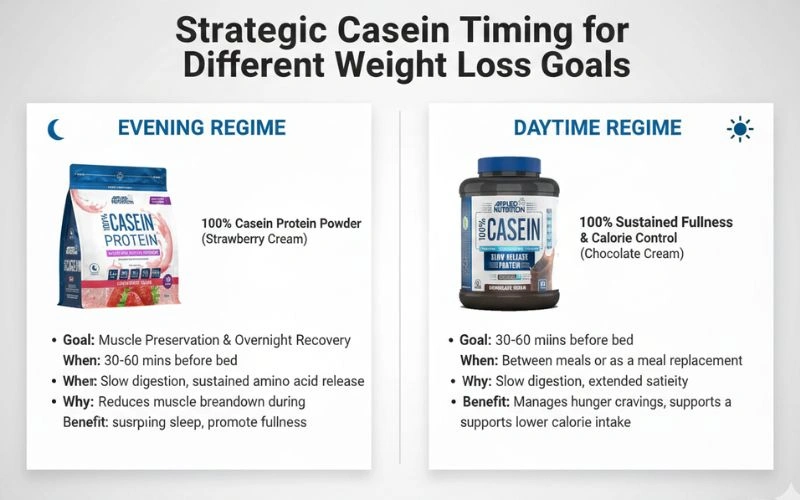
- For Aggressive Fat Loss (High Calorie Deficit)
- When you’re running a significant calorie deficit,typically 500-750 calories below maintenance,your risk of muscle loss increases substantially. In this scenario, casein timing becomes even more critical. Consider taking casein protein at these key times:
- Evening consumption: 1-2 hours before bed to maximize overnight muscle protection. This is when your body is most vulnerable to catabolism, as the extended fasting period during sleep combined with a high deficit creates the perfect storm for muscle loss.
- Post-workout replacement: While whey protein is typically recommended immediately post-workout, casein can be effective 2-3 hours after training. This timing ensures sustained amino acid delivery during the critical recovery window when your muscles are most receptive to nutrients.
- Morning stability: If you practice intermittent fasting and delay your first meal, a small serving of casein upon waking can help preserve muscle mass without significantly impacting your fasting benefits. The slow absorption means it won’t spike insulin as dramatically as faster proteins.
- For Moderate Weight Loss (Sustainable Deficit)
- If you’re following a more conservative approach with a 250-500 calorie deficit, you have more flexibility with casein timing. Focus on using casein to address your specific challenges:
- Pre-bed consumption remains priority: Even with a moderate deficit, overnight muscle protection is crucial. Take 25-30 grams of casein protein 30-60 minutes before sleep.
- Meal replacement option: Casein can effectively replace a small meal during your lowest-activity periods. The sustained release helps maintain satiety for 4-6 hours, making it ideal for busy afternoons or late mornings.
- Strategic snacking: When cravings hit between meals, casein provides superior satiety compared to high-carb snacks. Mix it with fiber-rich ingredients like chia seeds or flaxseed for even better appetite control.
Combining Casein with Other Proteins for Enhanced Results
Blending slow-digesting casein with fast-absorbing proteins can improve muscle recovery, sustain amino acid release, and maximize overall results.
The Whey-Casein Combination Strategy
Many successful weight loss transformations involve strategic combinations of different protein types. While casein works best at night and between meals, combining it with whey protein creates a comprehensive protein timing strategy.
- Morning: Start with whey protein for rapid absorption and muscle protein synthesis activation. This fast-acting protein jump-starts your metabolism and provides immediate amino acids after the overnight fast.
- Post-workout: Immediately after training, whey protein delivers quick-absorbing amino acids to begin the recovery process. Follow up 2-3 hours later with casein to extend the recovery window.
- Before bed: Finish your day with casein to ensure overnight muscle protection and sustained amino acid delivery. This combination approach maximizes the benefits of both protein types throughout your 24-hour cycle.
- Blended Protein Timing
- Some athletes and fitness enthusiasts use protein blends that combine whey and casein in a single shake. This can be particularly effective when taken:
- Mid-afternoon: A blended shake provides both immediate and sustained amino acid release, perfect for bridging the gap between lunch and dinner without adding significant calories.
- Pre-workout (for long sessions): If you’re training for 90+ minutes, a blend taken 60 minutes before exercise ensures sustained amino acid availability throughout your workout.
Optimal Casein Dosage for Weight Loss Goals
Finding the right casein dosage supports fat loss, preserves lean muscle, and keeps you feeling full without adding unnecessary calories.
Determining Your Ideal Serving Size
The amount of casein you should take depends on several factors, including your total daily protein needs, calorie target, and when you’re taking it. For weight loss purposes, here’s a practical framework:
- Standard nighttime dose: 25-40 grams taken before bed works for most people. This provides adequate amino acids for overnight muscle protection without excessive calories. If you’re a larger individual (over 200 pounds) or very active, lean toward the higher end of this range.
- Between-meal servings: 15-25 grams is typically sufficient when using casein to bridge nutritional gaps. This smaller dose provides satiety and muscle support without significantly impacting your daily calorie budget.
- Total daily protein context: Remember that casein should be part of your overall protein intake, not an addition on top of adequate food-based protein. Aim for 0.8-1.2 grams of protein per pound of body weight daily when cutting, with casein providing 20-40% of that total.
Adjusting Based on Your Deficit
Your calorie deficit directly influences how much casein you should consume. During aggressive cuts, you might increase casein slightly to protect muscle mass. During moderate deficits with adequate food intake, you might use less supplemental casein.
- High deficit (500+ calories): Consider 30-40 grams before bed, plus optional 15-20 grams at one other time point for enhanced muscle protection.
- Moderate deficit (250-500 calories): 25-30 grams before bed is usually sufficient, with optional between-meal servings as needed for appetite control.
- Small deficit (less than 250 calories): 20-25 grams before bed may be adequate, especially if you’re getting sufficient protein from whole foods throughout the day.
Common Mistakes to Avoid When Timing Casein
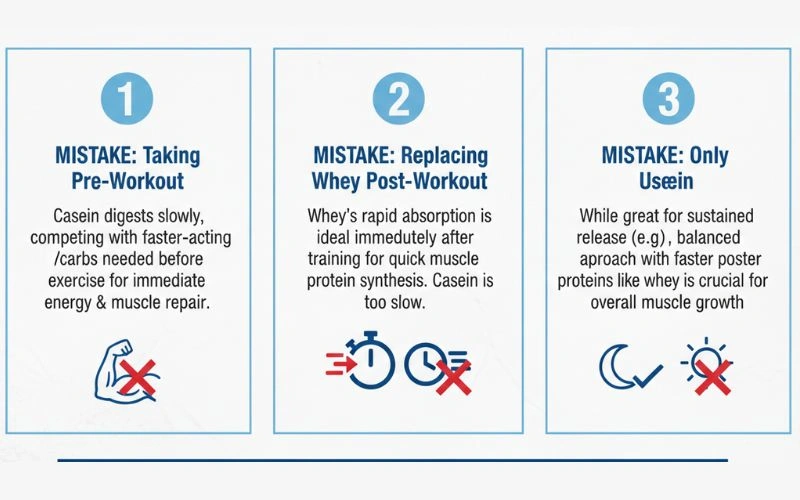
Taking Casein at the Wrong Times
One of the biggest mistakes is treating casein like whey protein and taking it immediately post-workout. While casein does provide muscle-building amino acids, its slow absorption makes it less than ideal during the immediate post-workout window when your muscles need rapid nutrient delivery. Instead, save your casein for when sustained release is more beneficial,before bed or between meals.
- Pre-workout pitfall: Taking casein within 1-2 hours before training can leave you feeling sluggish and bloated. The slow digestion means it’s still sitting in your stomach during your workout, potentially causing digestive discomfort and reducing performance.
- Over-reliance on supplements: Some people make the mistake of using casein as their primary protein source throughout the day. While protein supplements are convenient, whole food protein sources provide additional nutrients and satiety that supplements can’t match. Use casein strategically, not as a replacement for balanced nutrition.
- Ignoring Personal Digestion Patterns
- Not everyone processes casein at the same rate. Some people find that casein taken too close to bedtime disrupts their sleep due to digestive activity. Others can take it right before bed with no issues. Pay attention to how your body responds and adjust timing accordingly.
- Testing your tolerance: Start by taking casein 2 hours before bed and gradually move it closer to bedtime if you experience no digestive issues. If you notice sleep disruption, push it earlier in the evening.
- Lactose sensitivity: Since casein is derived from milk, those with lactose intolerance may experience digestive discomfort. Casein protein isolate contains minimal lactose and may be better tolerated, or consider plant-based slow-release proteins as alternatives.
Maximizing Weight Loss Results with Strategic Casein Use
Strategic casein intake can boost fat burning, curb cravings, and protect muscle mass while you work toward your weight loss goals.
Creating Your Personalized Casein Schedule
The key to successful weight loss with casein lies in developing a consistent timing strategy that aligns with your lifestyle, training schedule, and dietary preferences. Here’s how to build your personalized approach:
- Step 1: Assess your eating pattern. Map out when you typically eat meals and identify the longest gaps without food intake. These gaps,especially the overnight fasting period,are prime opportunities for casein supplementation.
- Step 2: Identify hunger patterns. Track when you experience the strongest cravings during your day. Many people struggle with late-night hunger or mid-afternoon energy crashes. Casein can be strategically placed to address these vulnerable times.
- Step 3: Consider your training schedule. If you train in the evening, your pre-bed casein timing might shift slightly earlier to avoid digestive issues. Morning trainers have more flexibility with nighttime casein consumption.
- Step 4: Monitor and adjust. Give any new timing strategy at least 2-3 weeks before making changes. Track your weight loss progress, energy levels, and hunger patterns to determine if adjustments are needed.
Enhancing Casein Effectiveness for Fat Loss
Beyond simple timing, several strategies can enhance casein’s weight loss benefits:
- Combine with fiber: Adding fiber-rich foods or supplements to your casein shake further slows digestion and enhances satiety. Ground flaxseed, chia seeds, or psyllium husk are excellent additions that complement casein’s slow-release properties without adding significant calories.
- Use cold water or unsweetened almond milk: Keep your casein shakes lower in calories by avoiding high-calorie mixing liquids. Cold water works perfectly well, or unsweetened almond milk adds creaminess for only 30-40 calories per cup.
- Strategic flavoring: Instead of high-calorie syrups or sugars, enhance flavor with cinnamon, vanilla extract, or stevia. These additions make your casein shake more enjoyable without compromising your calorie deficit.
- Temperature considerations: Some people find that casein shakes are more satisfying when consumed cold, as the chilled temperature creates a dessert-like experience that can satisfy sweet cravings while supporting muscle preservation.
Advanced Timing Strategies for Stubborn Fat Loss
Targeting Specific Fat Loss Challenges
For those dealing with persistent problem areas or weight loss plateaus, advanced casein timing strategies can provide an edge:
- Extended fasting protocols: If you practice 16:8 or 18:6 intermittent fasting, taking casein right before your fasting window begins can help preserve muscle mass during the extended fast. This is particularly valuable for maintaining lean muscle mass while accelerating fat loss.
- Carb cycling integration: On low-carb days, casein becomes even more important for preventing muscle catabolism. Consider slightly increasing your casein dose (by 5-10 grams) on days when carbohydrate intake is reduced, as this helps compensate for the reduced energy availability.
- Competition preparation: For those preparing for physique competitions or photo shoots, casein timing becomes ultra-precise. Athletes often consume casein every 4-6 hours during waking hours, plus before bed, to maintain maximum muscle fullness while achieving extremely low body fat levels.
- Seasonal and Lifestyle Adjustments
- Your casein timing strategy shouldn’t remain static throughout the year. Various factors may necessitate adjustments:
- Ramadan considerations: For those observing Ramadan, casein becomes crucial during the pre-dawn meal (Suhoor). Taking casein at this time provides sustained protein release throughout the fasting day, helping preserve muscle mass during the extended fast. Learn more about halal supplement options.
- Travel and disruption: When traveling or during periods of schedule disruption, casein’s portability makes it an ideal tool for maintaining protein intake consistency. Pack single-serving packets and use them to bridge meals when healthy food options are limited.
- Winter bulk-to-cut transition: As you transition from a muscle-building phase to a cutting phase, gradually increase casein frequency while reducing faster-digesting proteins to help maintain muscle mass during the new caloric deficit.
Measuring Success: Tracking Your Casein Timing Results
Assess the effectiveness of your casein intake by tracking changes in body fat, muscle maintenance, appetite control, and performance levels.
Key Metrics to Monitor
To determine if your casein timing strategy is working effectively for weight loss, track these important indicators:
- Body composition changes: Weekly measurements of body weight, body fat percentage, and circumference measurements provide objective data on your progress. If you’re losing weight while maintaining or gaining muscle mass, your casein timing is likely working well.
- Strength retention: During weight loss, maintaining your strength levels indicates you’re preserving muscle mass effectively. If your lifts are dropping significantly, you may need to adjust your casein timing or increase your dosage.
- Hunger and satiety: Keep a subjective hunger log rating your appetite levels throughout the day on a 1-10 scale. Effective casein timing should help stabilize hunger, particularly during your longest fasting periods.
- Energy and recovery: Monitor your energy levels, workout performance, and recovery quality. Proper casein timing should support consistent training quality even during a caloric deficit.
- Making Data-Driven Adjustments
- Based on your tracking data, you can fine-tune your approach:
- If weight loss stalls: Check if you’re consuming too much casein relative to your deficit. Even protein has calories, and excessive intake can slow progress. Consider reducing serving sizes by 5-10 grams or eliminating one of your daily casein servings.
- If muscle loss occurs: Indicated by strength decreases or muscle circumference reductions, you may need to increase casein frequency or dosage. Add an additional 15-20 gram serving during your longest meal gap or increase your bedtime dose.
- If hunger is unmanageable: Poor hunger control suggests your casein timing needs adjustment. Move servings to when hunger is strongest, or add fiber to your shakes for enhanced satiety.
Complementary Strategies for Enhanced Fat Loss
- Nutrition Timing Beyond Casein
- While casein timing is valuable, it works best as part of a comprehensive nutrition strategy:
- Carbohydrate timing: Consume most carbohydrates around your training sessions when insulin sensitivity is highest. This leaves more room in your calorie budget for casein at other times while supporting workout performance and recovery.
- Omega-3 fatty acids: Taking omega-3 supplements with your casein can enhance fat metabolism and reduce inflammation, supporting both recovery and fat loss. The combination of protein and healthy fats also improves satiety.
- Micronutrient optimization: Ensure adequate vitamin and mineral intake to support metabolic processes. Deficiencies in key nutrients like vitamin D, magnesium, or zinc can impair fat loss progress even with perfect protein timing.
Training Considerations for Casein Users
Your exercise program should complement your casein timing strategy:
Resistance training priority: Focus on strength training exercises to maintain muscle mass during your cut. Casein supports this by providing amino acids for recovery, but you must provide the training stimulus for muscle retention.
Cardio timing: Consider doing fasted or semi-fasted cardio in the morning, before your first protein meal. This can enhance fat oxidation while your nighttime casein dose continues providing muscle protection from the previous evening.
Recovery protocols: Adequate sleep and stress management amplify casein’s benefits. Poor sleep undermines the muscle-protective effects of nighttime casein, while chronic stress increases cortisol, promoting muscle breakdown despite adequate protein intake.
Special Populations and Casein Timing Considerations
Individual factors like age, lifestyle, and metabolic rate can influence the ideal casein schedule for effective fat loss and muscle preservation.
Women and Hormonal Considerations
Women may need to adjust casein timing based on their menstrual cycle:
- Follicular phase (days 1-14): During this phase, insulin sensitivity is typically higher, and you might achieve better results with slightly smaller casein servings combined with strategic carbohydrate timing around workouts.
- Luteal phase (days 15-28): Higher progesterone levels can increase hunger and cravings. Consider slightly increasing casein doses during this phase, particularly before bed when late-night snacking is most tempting.
- Perimenopause and menopause: Hormonal fluctuations during these life stages make muscle preservation more challenging. Consistent casein timing becomes even more critical, with many women benefiting from twice-daily casein intake,once before bed and once mid-day.
- Age-Related Timing Adjustments
- As we age, our protein synthesis machinery becomes less efficient, requiring strategic adjustments:
- Under 30: Standard casein timing (primarily before bed) is usually sufficient for muscle preservation during weight loss, assuming adequate training stimulus and overall protein intake.
- 30-50 years: Consider adding a mid-day casein serving to supplement nighttime dosing, as protein synthesis rates begin declining and muscle preservation becomes more challenging.
- Over 50: Older adults benefit from more frequent protein servings throughout the day. Distribute casein across 2-3 time points (mid-morning, mid-afternoon, before bed) to combat age-related muscle loss (sarcopenia) while pursuing fat loss.
Athletes vs. General Population
Athletic demands influence optimal casein timing:
- Competitive athletes: Those training intensely multiple times daily benefit from casein between training sessions to maintain amino acid availability throughout extended periods of elevated protein turnover.
- Weekend warriors: If you exercise 3-5 times weekly at moderate intensity, simpler casein timing (primarily before bed) is typically adequate for supporting recovery and fat loss.
- Sedentary individuals: Those not exercising may still benefit from casein for appetite control and muscle preservation, but combining it with resistance training dramatically improves results.
Budget-Friendly Casein Timing Strategies
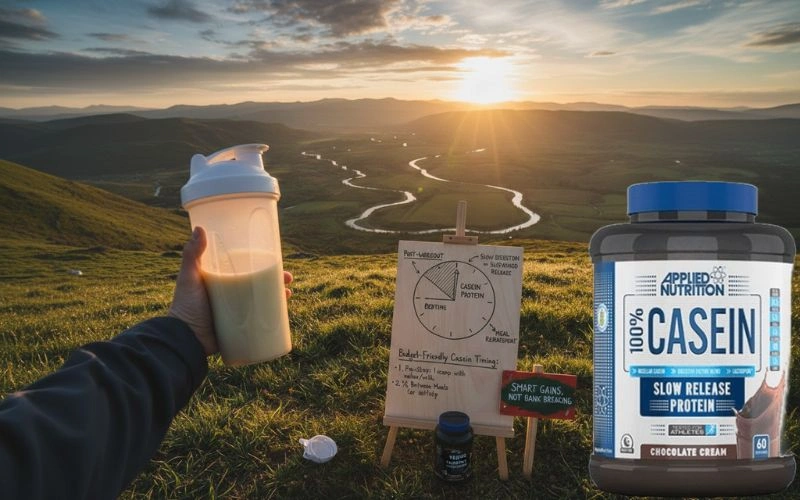
Maximizing Value Without Compromising Results
Quality casein supplements don’t have to break the bank if you use them strategically:
- Prioritize bedtime use: If budget is limited, focus your casein supplementation on the pre-bed serving only. This single daily serving provides the most critical muscle-protective benefits during the overnight fast.
- Bulk purchasing: Buy larger containers (5+ pounds) to reduce per-serving costs. Casein has a long shelf life, so buying in bulk is practical if you’re committed to long-term supplementation.
- Compare casein prices: Shop around and compare prices across different brands and retailers. Many high-quality casein products have similar amino acid profiles despite price differences.
- Whole food alternatives: When the budget is extremely tight, cottage cheese serves as a natural casein source. A cup of low-fat cottage cheese before bed provides similar slow-release protein benefits at a lower cost than supplements, though with fewer flavor options.
Making Casein Last Longer
Strategic usage extends your casein supply while maintaining results:
- Smaller servings more frequently: Instead of 40-gram servings, use 25-30 grams and rely more on whole food protein sources during the day. This stretches your supply while still providing key benefits.
- Blend with whey: Create your own protein blend by mixing casein with less expensive whey protein in a 1:1 ratio. This provides some slow-release benefits while reducing overall cost.
- Cycle usage: Consider using casein primarily during aggressive cutting phases (when muscle protection is most critical) and switching to more economical protein sources during maintenance phases.
Conclusion: Your Action Plan for Casein Success
Implementing an effective casein timing strategy for weight loss doesn’t need to be complicated. The foundation remains simple: consistent pre-bed dosing for overnight muscle protection, with optional strategic servings during extended meal gaps based on your individual schedule and hunger patterns.
- Your starting point: Begin with 25-30 grams of casein protein 30-60 minutes before bed every night. Maintain this baseline for 2-3 weeks while monitoring your weight loss progress, strength levels, and hunger patterns.
- Progression and refinement: After establishing your baseline, consider adding a second casein serving during your longest daytime fasting period if hunger control is challenging or if you’re in an aggressive calorie deficit risking muscle loss.
- Long-term success: Remember that casein timing is just one piece of the weight loss puzzle. Combine strategic supplementation with consistent training, adequate whole food nutrition, proper hydration, and sufficient sleep for optimal results.
- The beautiful thing about casein protein is its versatility and forgiveness. While optimal timing enhances results, even imperfect implementation provides benefits. The key is consistency,showing up day after day with your pre-bed shake, trusting the process, and allowing the slow, steady muscle protection to support your fat loss journey over weeks and months.
- Whether you’re just starting your weight loss journey or you’re a seasoned fitness enthusiast fine-tuning your approach, strategic casein timing provides a scientifically-backed edge that can make the difference between merely losing weight and achieving a lean, muscular physique you’re proud of.
- For more guidance on protein supplementation and weight loss strategies, explore our comprehensive guides on how to use protein supplements for weight loss and discover the best protein options available in Pakistan.


Related posts

Starting your fitness journey is an exciting milestone. Whether you are hitting a local gym in Gulberg, DHA, or Johar Town, the goal is always... Continue reading

If you’ve ever looked in the mirror and felt like you’re somehow both too thin and carrying too much fat you’re not imagining it. The... Continue reading

One of the most persistent myths in nutrition is that getting a complete amino acid profile is impossible on a plant-based diet. That claim was... Continue reading
The word anabolic gets thrown around a lot in the supplement world, often as a marketing label rather than a precise biological claim. But when... Continue reading

Most fitness goals fit neatly into one of two camps: bulking or cutting. But a growing number of athletes, natural lifters, and everyday gym-goers want... Continue reading
Add comment