
No products in the cart.
Return To Shop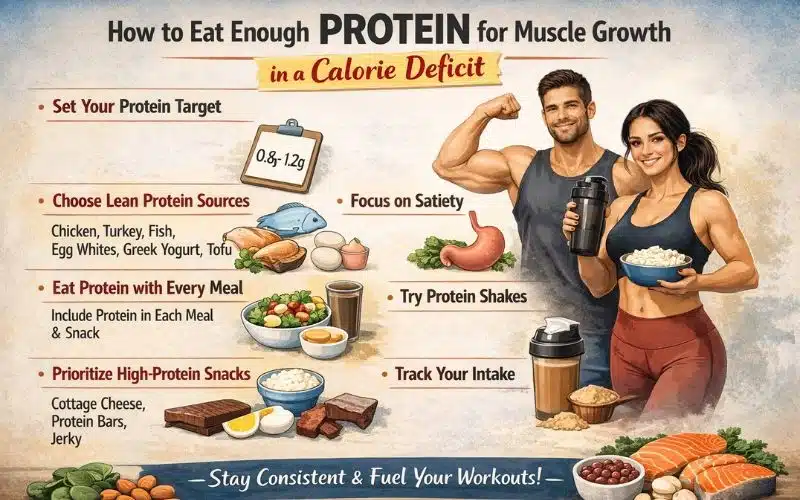
How to Eat Enough Protein for Muscle Growth in a Calorie Deficit
Eating in a calorie deficit is the most reliable way to lose body fat. But here is the catch most people discover too late: if you do not eat enough protein while cutting calories, your body will not just burn fat , it will also break down your hard-earned muscle. The good news is that with the right strategy, you can absolutely preserve and even build muscle while losing fat. It is not magic. It is just applied nutrition.
Why Protein Becomes Even More Important in a Calorie Deficit
When calories drop, your body faces an energy gap and looks for ways to compensate. Muscle tissue is metabolically expensive, so the body treats it as a fuel reserve. Understanding what protein is and why it matters is the foundation here , protein is not just a macronutrient for bulking. It is the primary tool for muscle preservation when you are in a cut.
- Muscle-sparing effect: High protein intake reduces the rate of muscle protein breakdown during caloric restriction.
- Thermic advantage: Protein has a thermic effect of ~25–30%, meaning your body burns more calories just digesting it , a bonus when cutting.
- Satiety benefit: Protein is the most filling macronutrient, which makes sticking to a deficit much more manageable.
- Hormonal protection: Adequate protein supports testosterone and IGF-1 levels, both critical for maintaining anabolic activity even under caloric stress.
How Much Protein Do You Actually Need in a Deficit?
This is the question everyone asks, and the honest answer is: more than you probably think. General health guidelines often recommend 0.8g of protein per kilogram of body weight per day. But for someone actively training in a calorie deficit, that number is dangerously low. For a deeper look at daily numbers, how many calories to eat daily gives useful context on total energy needs that directly inform your protein targets.
For muscle preservation and potential recomposition in a deficit, the evidence-based range sits at 1.6 to 2.4g of protein per kilogram of body weight per day. Leaner individuals and those doing high-intensity resistance training tend to benefit most from the upper end of that range. For beginners just starting out, how much protein per day for a beginner offers a practical breakdown to get started without overthinking it.
- Sedentary adults: 0.8g/kg , sufficient for basic health, not enough for muscle retention during a cut
- Active individuals in a deficit: 1.6–2.0g/kg , solid range for most gym-goers
- Lean athletes cutting aggressively: 2.0–2.4g/kg , supports maximum muscle retention
- Example: An 80kg person cutting calories needs 128–192g of protein per day
Spreading Protein Across Your Day
Hitting your protein number is only half the equation. How you distribute that protein across meals matters more than most people realise. Muscle protein synthesis is maximised when you consume 30–40g of protein per meal, spread across 4–5 eating occasions throughout the day. Eating 150g of protein in a single sitting does not produce 5x the anabolic response of 30g , the excess is simply oxidised or used for energy.
Aim to anchor every meal around a complete protein source. Breakfast is where many people fall short , a couple of eggs alone will not cut it if you are targeting 180g daily. Starting strong with a high-protein breakfast recipe or an almond oatmeal recipe high protein breakfast can help you front-load your intake before the day gets busy.
Best Protein Sources When Calories Are Limited
In a calorie deficit, every calorie has to earn its place. The ideal protein sources for cutting are those that deliver the highest protein yield per calorie , what nutritionists call a high protein-to-calorie ratio. The goal is to hit your protein target without blowing your calorie budget on fat or carbs that come along for the ride.
- Chicken breast (skinless): ~31g protein per 100g, very low fat , one of the best cutting foods
- Egg whites: ~11g protein per 100g with almost zero fat , versatile and affordable
- Canned tuna: ~25g protein per 100g, low calorie, high convenience
- Low-fat cottage cheese: ~11g per 100g, slow-digesting casein , excellent before bed
- Greek yogurt (non-fat): ~10g per 100g, double-duty as a probiotic and protein source
- Lentils and legumes: ~9g per 100g cooked , strong plant-based option for vegetarians
For those who struggle to hit high protein targets through food alone , which is entirely normal when total calories are restricted , whole food sources need to be supplemented strategically. This is exactly where protein supplements become most practical rather than just convenient.
Using Protein Supplements to Bridge the Gap
Protein supplements are not a crutch. In a calorie deficit, they are a precision tool. A single serving of a quality protein powder can deliver 24–27g of protein for as little as 110–130 calories , a ratio almost impossible to match with whole food without spending a small fortune or eating an enormous volume of food. Understanding why protein powder helps clarify that supplements are simply concentrated nutrition, not a replacement for real food.
The type of protein supplement you choose also matters during a cut. Whey isolate and hydrolysed whey are the top picks because of their extremely high protein content per serving and low carbohydrate and fat content. Comparing whey protein isolate vs concentrate for your goals makes it clear that isolate wins during a deficit phase.
- Whey isolate: 90%+ protein by weight, minimal carbs and fat , ideal for cutting phases
- Hydrolysed whey: Pre-digested for fastest absorption , great post-workout when in a deficit
- Casein protein: Slow-digesting , excellent before bed to prevent muscle breakdown overnight, learn more about what casein protein is
- Plant-based isolates: Ideal for vegans; soy isolate is the most complete , explore vegan protein shake recipes for practical ideas
For women specifically, understanding whey isolate for women: benefits and best picks addresses common concerns and helps narrow down the right product for a cutting phase. The full range of isolated proteins available in Pakistan gives you solid options to choose from locally.
Meal Planning Strategies That Make High Protein Eating Easy
Knowing the theory is one thing , executing a high-protein diet in a calorie deficit every single day is where most people break down. The difference between those who succeed and those who constantly fall short usually comes down to structure, not willpower.
Meal prep is the single most effective strategy here. When your meals are already prepared and portioned, you remove the most dangerous moment in any cut: the moment when you are hungry, tired, and there is nothing protein-rich ready to eat. A solid gym meal prep recipe for muscle building and fat loss can be the difference between a successful cut and a diet that falls apart by Thursday.
- Prep 3–4 protein sources in bulk: Grill a batch of chicken, boil eggs, prep tuna salads at the start of the week
- Always have a fast protein option: A shaker with whey isolate costs 30 seconds and 120 calories for 25g of protein
- Use protein-forward snacks: Greek yogurt, cottage cheese, roasted chickpeas , all hit protein without excess calories
- Front-load protein early: Getting 40–50g of protein before noon makes hitting your daily target dramatically easier
The Role of Timing: When to Prioritise Protein Intake
While total daily protein intake matters most, timing does play a meaningful supporting role , especially in a deficit when muscle breakdown is elevated. The post-workout window is the highest priority. After resistance training, your muscles are primed to absorb amino acids for repair. Missing this window in a calorie deficit is a bigger mistake than when you are in surplus, because the body has fewer backup energy resources available.
A serving of whey protein immediately post-workout is one of the most well-supported practices in sports nutrition. For a clear picture of exactly why this window matters, post-workout nutrition and why whey protein matters most explains the physiology without jargon. You can also explore how to use whey isolate in smoothies and recipes to keep post-workout nutrition varied and enjoyable.

Common Mistakes That Sabotage Protein Intake in a Deficit
Even people who understand the theory often make predictable mistakes that undercut their protein efforts during a cut. Knowing these pitfalls in advance makes them much easier to avoid.
- Cutting protein to reduce calories: This is the worst trade-off possible. When calories need to come down, reduce carbs and fats first , never protein
- Relying only on protein shakes: Whole food proteins provide additional micronutrients and fibre that matter for performance and satiety. Read about common mistakes using whey protein to avoid the most frequent errors
- Ignoring protein quality: Not all proteins are equal. Complete proteins with all nine essential amino acids are what drive muscle protein synthesis. Explore the full best proteins for muscle gain: whey, casein, or blends comparison
- Skipping BCAAs during training: In a deficit, sipping on a BCAA supplement during training can further blunt muscle breakdown. Understanding what BCAAs are and how they work is useful background
Body Recomposition: Building Muscle and Losing Fat Simultaneously
Here is where things get exciting. For most people who are relatively new to training, returning from a break, or carrying a moderate amount of body fat, eating enough protein in a moderate deficit with consistent resistance training can produce genuine body recomposition , simultaneous muscle gain and fat loss. This is not something reserved for elite athletes or people on advanced protocols.
The key drivers are: (1) maintaining a moderate deficit of no more than 300–500 calories below maintenance, (2) hitting protein targets of 1.8–2.2g/kg consistently, and (3) following a structured resistance training programme. Your muscle building guide can provide the training side of the equation, while how to use protein supplements for weight loss covers how to apply supplements practically in a cut.
Final Takeaway: Protein Is the Non-Negotiable in a Deficit
Eating in a calorie deficit does not mean eating less protein. It means eating smarter total calories while protecting your protein intake at all costs. The research is clear, the strategy is simple, and the results speak for themselves. People who maintain high protein intakes during a cut retain more muscle, lose more fat, perform better in the gym, and find the entire process more sustainable because protein keeps hunger in check.
Start by calculating your target (1.6 — 2.2g/kg), build every meal around a complete protein source, use a high-quality whey protein isolate for weight loss or protein powder for meal replacement to fill any gaps, and prep your food in advance so your environment supports your goals. The body you want is on the other side of a consistent, high-protein deficit , and now you know exactly how to get there.
Related posts

Starting your fitness journey is an exciting milestone. Whether you are hitting a local gym in Gulberg, DHA, or Johar Town, the goal is always... Continue reading

If you’ve ever looked in the mirror and felt like you’re somehow both too thin and carrying too much fat you’re not imagining it. The... Continue reading
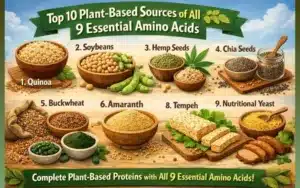
One of the most persistent myths in nutrition is that getting a complete amino acid profile is impossible on a plant-based diet. That claim was... Continue reading
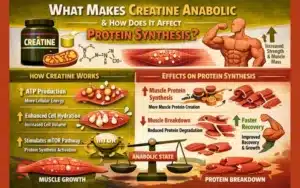
The word anabolic gets thrown around a lot in the supplement world, often as a marketing label rather than a precise biological claim. But when... Continue reading
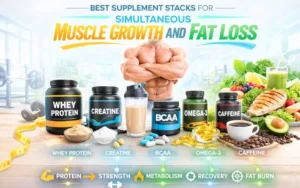
Most fitness goals fit neatly into one of two camps: bulking or cutting. But a growing number of athletes, natural lifters, and everyday gym-goers want... Continue reading
Add comment