
No products in the cart.
Return To Shop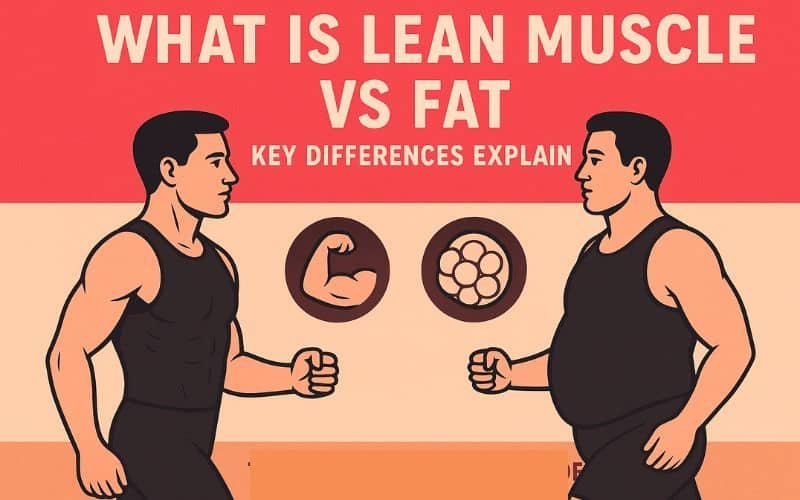
What Is Lean Muscle vs Fat: Key Differences Explained
Updated September 2026
In fitness conversations, people often talk about muscle and fat as if one is good and the other is bad. The reality is more nuanced. Both lean muscle and body fat are essential to how your body functions, just in very different ways. Understanding how lean muscle vs fat differ in structure, metabolism, and health outcomes can help you design a smarter, more realistic fitness strategy.
Quick Comparison: Lean Muscle vs Fat
| Factor | Lean Muscle | Body Fat |
|---|---|---|
| Density | Denser, takes up less space | Less dense, takes up more space |
| Metabolism | Metabolically active, burns calories at rest | Stores energy for later use |
| Role in the body | Strength, posture, movement | Energy reserve, insulation, hormone support |
| Excess amount | Rarely harmful, generally beneficial | Linked to obesity, insulin resistance, liver disease |
| How to build or manage it | Resistance training plus adequate protein | Calorie balance, training, and diet |
Understanding Lean Muscle
Lean muscle refers to muscle tissue without excess fat. It is the “active” tissue in your body, meaning it constantly burns energy just to maintain itself. This makes it a cornerstone of long-term health and metabolism.
Key benefits of lean muscle include:
- Burns more calories at rest than fat does
- Improves balance, posture, and daily strength
- Supports metabolic health, which may help lower the risk of certain chronic conditions
Building lean muscle requires a combination of resistance training and consistent nutrition. Supportive proteins like whey protein are excellent for recovery and muscle repair after workouts, and our guide on the benefits of lean muscle mass goes deeper into why it matters beyond aesthetics.
What Fat Does in the Body
Fat often gets a bad reputation, but it also plays important roles in health. It stores energy, insulates organs, and supports hormone regulation. Problems arise when fat storage goes well beyond healthy levels.
Types of fat and their roles:
- Essential fat: needed for survival and hormone balance
- Stored fat: provides energy reserves but can lead to issues if excessive
Too much stored fat increases the risk of obesity, insulin resistance, and liver strain. Safe support for fat metabolism can come from fat burners, especially when combined with training and a structured diet. For newcomers, the guide to the first 30 days is a helpful resource for setting realistic expectations.
Lean Muscle vs Fat: The Real Differences
The distinction between muscle and fat goes well beyond appearance. They differ in density, function, and long-term health outcomes.
Key comparisons:
- Density and appearance: muscle is denser and more compact; fat takes up more space, creating bulk
- Metabolism: muscle is metabolically active and burns energy; fat stores energy for future use
- Health outcomes: muscle supports strength, longevity, and recovery; excess fat raises the risk of chronic disease
This is why two people at the same weight can look completely different, one with toned definition from lean muscle, and the other carrying a higher fat percentage. This is often called body recomposition, and proper training supported by lean muscle supplements helps shift that balance over time.
How to Build Lean Muscle While Reducing Fat
The best strategy is not to eliminate fat entirely, but to increase lean muscle while lowering excess fat. This balance creates a healthy, functional, and more defined body composition.
Effective methods include:
- Resistance training: the foundation for stimulating muscle growth, as covered in our guide to resistance training for lean muscle
- High-quality proteins: isolate protein supports lean muscle gains with minimal added fat
- Recovery nutrition: glutamine helps repair muscles and supports immune health
- Hydration: electrolyte tablets help maintain stamina and performance during training

In Pakistan, supplement authenticity is just as important as the strategy itself. Choosing halal-certified products ensures safety and compliance with dietary needs while you work toward your body composition goals.
Where to Find Authentic Supplements in Pakistan
When it comes to supplements, authenticity matters as much as effectiveness. SportsOne has operated as an authorised, Halal-certified importer and distributor of sports nutrition supplements in Pakistan since 2002, with reliable outlets across the country, including the Lahore store, Karachi store, and Islamabad store. These locations, along with the Gujranwala store, offer Cash on Delivery and WhatsApp ordering for certified products supporting both lean muscle building and fat management. Browse the full range of Imported Supplements in Pakistan to get started.
Conclusion
Lean muscle and fat are not enemies, both are vital for your body. The key difference lies in how they function: muscle burns energy and builds strength, while fat stores energy and can become harmful in excess. By focusing on resistance training, nutrient-rich foods, and halal-certified supplements, you can build lean muscle while reducing fat for a healthier, stronger, and more confident you.
Frequently Asked Questions
Is muscle heavier than fat?
Muscle is not heavier than fat by weight, since a kilogram is a kilogram either way, but muscle is denser and takes up less space. This is why someone can lose inches while the scale barely moves.
Can you build muscle and lose fat at the same time?
Yes, this is often called body recomposition. It is more achievable for beginners and people returning to training, and typically requires resistance training combined with sufficient protein intake.
What is a healthy body fat percentage?
Healthy ranges vary by age and gender, but general fitness guidance often places a healthy range around 10 to 20 percent for men and 18 to 28 percent for women. A doctor or trainer can help assess your specific situation.
Does lean muscle really burn more calories at rest?
Yes, muscle tissue is metabolically active and requires energy to maintain, so having more lean muscle can modestly raise your resting calorie burn compared to carrying more fat mass.
How long does it take to see a change in lean muscle vs fat?
Visible changes in body composition typically take 8 to 12 weeks of consistent resistance training and proper nutrition, though initial strength gains and energy improvements can appear sooner.


About author

Related posts

For most healthy adults, collagen peptides are well tolerated. The side effects people actually report are mild: a feeling of fullness, bloating, an aftertaste or... Continue reading
The short answer: the best time to take collagen is whichever time you will repeat every single day. Research on hydrolysed collagen peptides has not... Continue reading
Neither is universally better. Marine collagen is often preferred for skin, hair and people who avoid beef, while bovine collagen is usually cheaper and offers... Continue reading
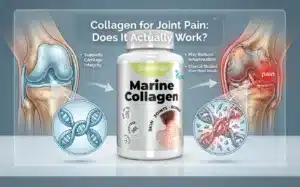
Collagen may help support joint comfort in some people, but the evidence is modest, results are slow, and it is not a substitute for medical... Continue reading
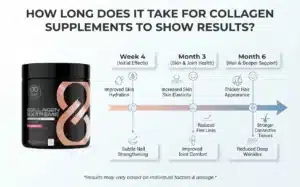
Most people notice their first change from collagen supplements after 4 to 8 weeks, with clearer skin and joint results building between 8 and 12... Continue reading
Add comment