
No products in the cart.
Return To Shop
Natural Food Supplements For Joint Pain In Pakistan: A Complete Guide
Joint pain has become increasingly common among Pakistanis, affecting people across all age groups, from young athletes recovering from injuries to elderly individuals dealing with arthritis. Whether you’re experiencing stiffness in your knees after morning namaz or shoulder discomfort after long work hours, finding effective relief is crucial to maintaining your quality of life. Many people now explore food supplement in Pakistan as a practical solution for long-term joint support instead of relying only on temporary pain relief. With growing awareness about food supplement price in Pakistan, consumers are becoming more conscious about quality, ingredients, and value for money before making a purchase.
The good news is that Pakistan now has better access to high-quality products in the bodybuilding food supplement in Pakistan market, where joint-support formulas such as collagen, glucosamine, omega-3, and turmeric extracts are easily available. Natural food supplements offer a science-backed approach to managing joint pain while supporting mobility and overall wellness. This guide explores evidence-based natural solutions specifically beneficial for joint pain management, helping you make informed decisions about your health journey.
Understanding Joint Pain and Inflammation in Pakistan’s Climate
Pakistan’s unique climate presents specific challenges for joint health. The extreme temperature variations between summer and winter can exacerbate joint stiffness and inflammation. During Lahore’s humid summers, many people report increased joint swelling, while Karachi’s coastal humidity often triggers arthritic symptoms. Northern areas experience cold winters that cause joints to stiffen, making movement painful.
Before diving into supplements, it’s essential to understand what causes joint pain:
- Inflammation: The body’s natural response to injury or stress that can become chronic
- Cartilage degeneration: Natural wear and tear that accelerates with age or overuse
- Oxidative stress: Free radical damage that affects joint tissues
- Nutritional deficiencies: Lack of essential nutrients needed for joint repair
Understanding these root causes helps explain why certain natural supplements work effectively for joint pain management.
Top Natural Food Supplements for Joint Health
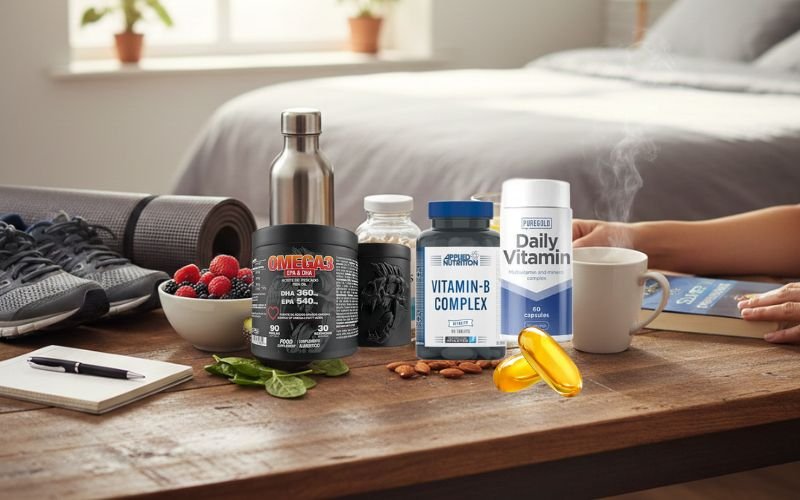
Omega-3 fatty acids rank among the most extensively researched natural supplements for joint pain. These essential fats, particularly EPA and DHA, demonstrate powerful anti-inflammatory properties that directly address one of the primary causes of joint discomfort.
Research published in clinical nutrition journals shows that omega-3 supplementation can reduce joint tenderness and morning stiffness in arthritis patients. For Pakistanis who don’t consume fish regularly, omega-3 supplements provide an excellent alternative. High-quality omega-3 supplements are now readily available in Pakistan’s major cities.
Benefits for joint pain:
- Reduces inflammatory markers (cytokines and prostaglandins) that trigger joint pain
- Improves joint lubrication by supporting synovial fluid production
- Decreases morning stiffness, allowing better mobility throughout the day
- Supports overall cardiovascular health as an added benefit
For optimal results, look for supplements providing at least 1000mg combined EPA and DHA daily. Many Pakistanis report noticeable improvements in joint comfort within 4-6 weeks of consistent use.
Collagen the Building Block of Healthy Joints
Collagen represents the most abundant protein in our bodies and serves as the primary structural component of cartilage, tendons, and ligaments. As we age, our natural collagen production decreases, leading to joint deterioration and pain.
Supplementing with collagen peptides provides the specific amino acids your body needs to rebuild and maintain joint tissues. Type II collagen, in particular, has shown promising results for joint health. Pakistani athletes and fitness enthusiasts are increasingly incorporating collagen into their daily routines for both joint support and recovery.
Key advantages:
- Supports cartilage regeneration and joint cushioning
- Reduces exercise-induced joint pain in active individuals
- Improves skin elasticity as a complementary benefit
- Enhances bone mineral density, supporting overall skeletal health
Studies suggest taking 8-10 grams of collagen daily for joint health benefits. When selecting collagen supplements in Pakistan, verify they’re sourced from high-quality, halal-certified sources.
Curcumin (Turmeric Extract), Pakistan’s Traditional Remedy
Turmeric has been used in Pakistani and South Asian cooking for centuries, but concentrated curcumin supplements offer therapeutic levels difficult to achieve through diet alone. Curcumin, the active compound in turmeric, possesses remarkable anti-inflammatory and antioxidant properties.
Clinical trials demonstrate that curcumin can be as effective as some over-the-counter pain medications for managing osteoarthritis symptoms, without the associated side effects. For maximum absorption, choose supplements that include black pepper extract (piperine) or are formulated with enhanced bioavailability.
Therapeutic benefits:
- Blocks inflammatory pathways at the cellular level
- Provides powerful antioxidant protection against oxidative joint damage
- May slow cartilage breakdown in degenerative joint conditions
- Supports post-exercise recovery by reducing muscle and joint inflammation
Typical therapeutic doses range from 500 to 2000mg of curcumin extract daily. Many Pakistanis combine curcumin with omega-3 supplements for synergistic anti-inflammatory effects.
Essential Vitamins and Minerals for Joint Support
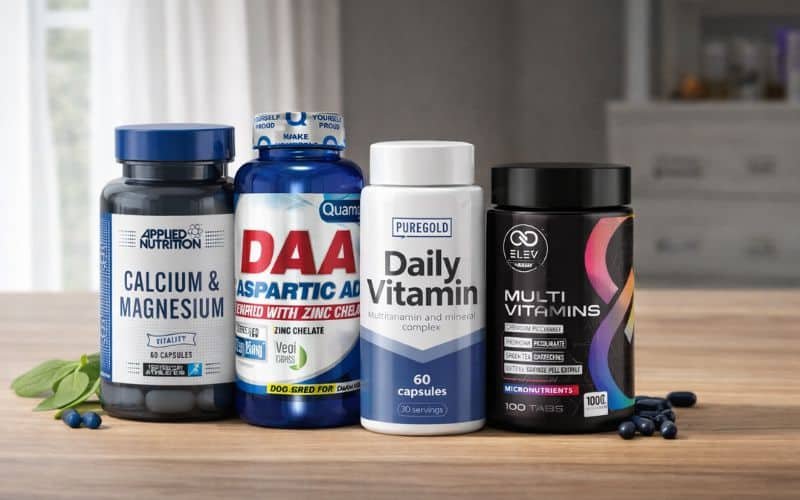
Despite Pakistan’s abundant sunshine, vitamin D deficiency remains surprisingly common, particularly among women who cover their skin or spend most of their time indoors. Vitamin D plays a crucial role in calcium absorption and bone health, directly impacting joint function.
Research indicates that adequate vitamin D levels can reduce the risk of developing osteoarthritis and help manage existing joint pain. During the winter months in northern Pakistan, supplementation becomes especially important when sun exposure decreases.
Important considerations:
- Supports calcium metabolism, essential for bone and joint health
- Regulates immune function that can affect inflammatory joint conditions
- May reduce chronic pain perception through effects on the nervous system
- Helps maintain muscle strength that supports and protects joints
Most adults benefit from 1000-2000 IU daily, though those with a deficiency may require higher doses under medical supervision.
Vitamin C provides Collagen Synthesis
Vitamin C serves as an essential cofactor for collagen synthesis, making it indispensable for joint cartilage maintenance and repair. This powerful antioxidant also protects joint tissues from oxidative stress caused by inflammation.
Fresh fruits like guava, amla (Indian gooseberry), and citrus fruits provide excellent vitamin C, but supplements ensure consistent therapeutic levels. Pakistani diets rich in fresh produce naturally contain good vitamin C levels, though supplementation can provide additional support during healing.
Key functions:
- Required for producing and maintaining healthy collagen in joints
- Protects cartilage cells from free radical damage
- Supports immune system function relevant to inflammatory joint conditions
- Aids in iron absorption, preventing fatigue that can worsen joint pain perception
Calcium and Magnesium for Bone and Joint Health
These minerals work synergistically to support bone density and joint function. While calcium provides structural support, magnesium aids in calcium absorption and muscle relaxation around joints, reducing pain and stiffness.
Many Pakistanis consume insufficient amounts of these minerals, particularly women and older adults. Dairy products provide calcium, but lactose-intolerant individuals often benefit from supplementation. Magnesium deficiency is widespread globally and can contribute to muscle cramps and joint discomfort.
Combined benefits:
- Maintains bone density that supports joint structure
- Reduces muscle tension around joints, alleviating pain
- Supports nerve function involved in pain signaling
- Promotes better sleep quality, allowing natural joint recovery
A balanced supplement providing 500-1000mg calcium and 200-400mg magnesium daily works well for most adults. Always take these minerals with food for optimal absorption. You can find quality vitamins and minerals at trusted supplement stores.
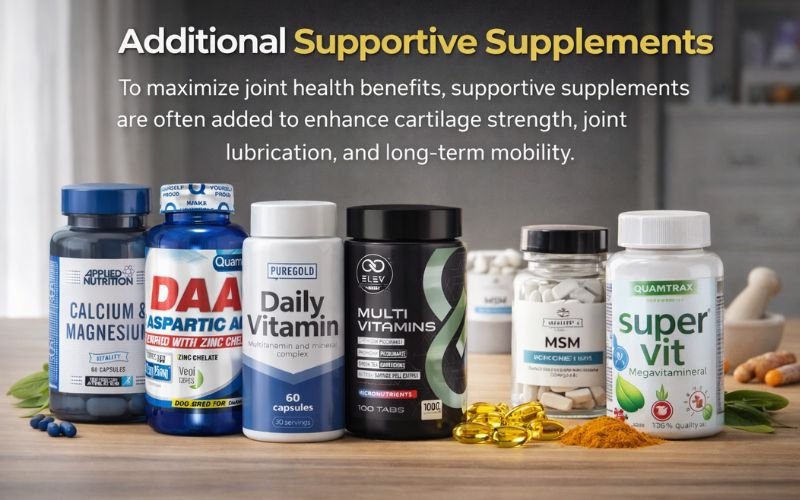
Additional Supportive Supplements
To maximize joint health benefits, supportive supplements are often added to enhance cartilage strength, joint lubrication, and long-term mobility.
Glucosamine and Chondroitin Cartilage Building Nutrients
These compounds occur naturally in cartilage and help maintain its structure and elasticity. Supplementation may support cartilage repair and slow its breakdown in osteoarthritis. While research shows mixed results, many individuals report significant pain relief.
Combined glucosamine-chondroitin supplements typically provide 1500mg glucosamine and 1200mg chondroitin daily. Results usually require consistent use for 2-3 months. These supplements work particularly well when combined with omega-3 fatty acids.
Green Tea Extract an Anti-Inflammatory Antioxidant
Rich in polyphenols called catechins, green tea extract provides anti-inflammatory benefits that can help manage joint pain. The compound EGCG (epigallocatechin gallate) shows particular promise for protecting cartilage from breakdown.
Pakistani tea culture makes green tea familiar and accessible, though supplements provide concentrated therapeutic doses. Typically, 300-400mg of green tea extract daily offers joint health benefits without excessive caffeine.
Boswellia Indian Frankincense for Traditional Joint Support
This Ayurvedic herb has been used for centuries to treat inflammatory conditions. Modern research confirms that boswellic acids can reduce inflammation and improve joint function in osteoarthritis patients.
Boswellia supplements standardized to contain 60-65% boswellic acids at doses of 300-500mg taken two to three times daily show effectiveness. This supplement works well alongside conventional treatments without significant interactions.
Lifestyle Factors That Enhance Supplement Effectiveness
Supplements work best as part of a comprehensive joint health strategy.
- Maintain a Healthy Weight:
Excess weight increases stress on joints, especially knees, hips, and ankles. Even small weight loss significantly reduces joint pressure. Low-carb protein shakes for weight loss can support weight management while protecting joint health. - Regular Low-Impact Exercise:
Activities like walking, cycling, and swimming strengthen joint-supporting muscles and improve flexibility without excessive strain. - Stay Hydrated:
Adequate hydration supports synovial fluid for joint lubrication. Aim for 8–10 glasses of water daily, and increase intake during exercise or hot weather. - Manage Stress:
Chronic stress fuels inflammation and joint discomfort. Mindfulness practices such as yoga, meditation, and deep breathing help reduce inflammatory responses.
Safety Considerations and Quality Standards
In Pakistan, the Pakistan Standards and Quality Control Authority (PSQCA) certifies supplement quality. Always select products bearing this certification to ensure you’re getting genuine, safe supplements.
- Consult Healthcare Professionals: Speak with your doctor before starting any supplement, especially if you take prescription medications or have existing health conditions.
- Consider Halal Certification:
erify halal certification to ensure supplements meet religious requirements. Many international brands offer halal-certified options for the Pakistani market. - Be Aware of Potential Interactions:
Some supplements may interact with medications. For example, omega-3s can increase bleeding risk with blood thinners, while vitamin D may require monitoring with calcium-related medications.
Nutritious Foods That Naturally Support Joint Health
Supplements work best when combined with a joint-friendly diet rich in anti-inflammatory foods commonly available in Pakistan.
Joint-Protective Foods
Fatty fish: Salmon, mackerel, and sardines provide omega-3s naturally. Nuts and seeds: Walnuts, flaxseeds, and chia seeds offer plant-based omega-3s. Leafy greens: Spinach, methi (fenugreek), and palak contain vitamin K for bone health. Berries: Rich in antioxidants that combat inflammation. Green tea: Provides anti-inflammatory polyphenols. Turmeric: Use generously in cooking for natural curcumin intake
Pro-Inflammatory Foods
Minimize sugar, refined carbohydrates, processed meats, and excessive vegetable oils high in omega-6 fatty acids. These foods promote inflammation that worsens joint pain.
When to Seek Medical Attention
While natural supplements offer valuable support, certain symptoms require professional medical evaluation:
- Severe, sudden joint pain that doesn’t improve with rest
- Joint pain accompanied by fever, which may indicate infection
- Significant joint swelling or redness suggesting acute inflammation
- Joint pain is limiting daily activities despite supplement use
- Progressive worsening of symptoms over time
Don’t let concerns about healthcare costs delay necessary medical care. Early intervention often prevents more serious complications requiring expensive treatments later.
Final Thought
Managing joint pain naturally through high-quality food supplements is a smart, evidence-based choice for those seeking long-term joint support. While no single supplement works overnight, a strategic combination, starting with essentials like omega-3 fatty acids and vitamin D, helps nourish joints, reduce inflammation, and support mobility when used consistently over time.
For best results, choose certified, trusted supplements, allow 2–3 months to assess progress, and support your routine with an active lifestyle and balanced, anti-inflammatory nutrition. With the right products and informed guidance, joint pain doesn’t have to hold you back. Shop now from SportsOne International to start your healthy life journey. Investing in premium joint nutrition today supports a stronger, healthier movement for the future.
FAQs
1. How long do natural food supplements take to work for joint pain?
Most joint supplements require 4–8 weeks of consistent use to show noticeable improvements. Ingredients like omega-3s, collagen, and glucosamine work gradually by reducing inflammation and supporting cartilage repair rather than providing instant pain relief.
2. Are joint supplements safe for daily use in Pakistan?
Yes, PSQCA-approved and properly dosed supplements are generally safe for daily use. However, individuals taking medications or managing chronic conditions should consult a healthcare professional before starting any supplement routine.
3. Can I take multiple joint supplements together?
Absolutely. Many supplements work synergistically, such as omega-3 with curcumin or collagen with vitamin C. The key is to follow recommended dosages and introduce supplements gradually to monitor your body’s response.
4. Which supplement is best for knee and arthritis pain?
For knee and arthritis-related joint pain, omega-3 fatty acids, curcumin, collagen, and glucosamine-chondroitin are among the most effective options. Combining these with vitamin D and weight management delivers better long-term results.
5. Do joint supplements replace painkillers or medical treatment?
No. Natural supplements support joint health and reduce inflammation, but they are not a replacement for medical treatment in severe cases. They work best as part of a comprehensive approach that includes lifestyle changes and professional guidance when needed.


Related posts

Starting your fitness journey is an exciting milestone. Whether you are hitting a local gym in Gulberg, DHA, or Johar Town, the goal is always... Continue reading

If you’ve ever looked in the mirror and felt like you’re somehow both too thin and carrying too much fat you’re not imagining it. The... Continue reading
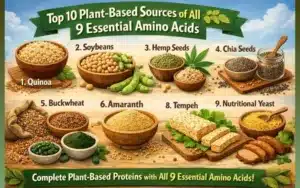
One of the most persistent myths in nutrition is that getting a complete amino acid profile is impossible on a plant-based diet. That claim was... Continue reading
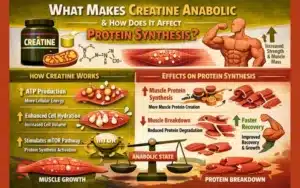
The word anabolic gets thrown around a lot in the supplement world, often as a marketing label rather than a precise biological claim. But when... Continue reading
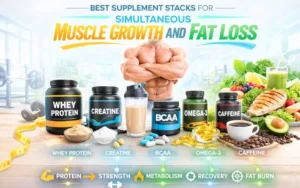
Most fitness goals fit neatly into one of two camps: bulking or cutting. But a growing number of athletes, natural lifters, and everyday gym-goers want... Continue reading
Add comment