
No products in the cart.
Return To Shop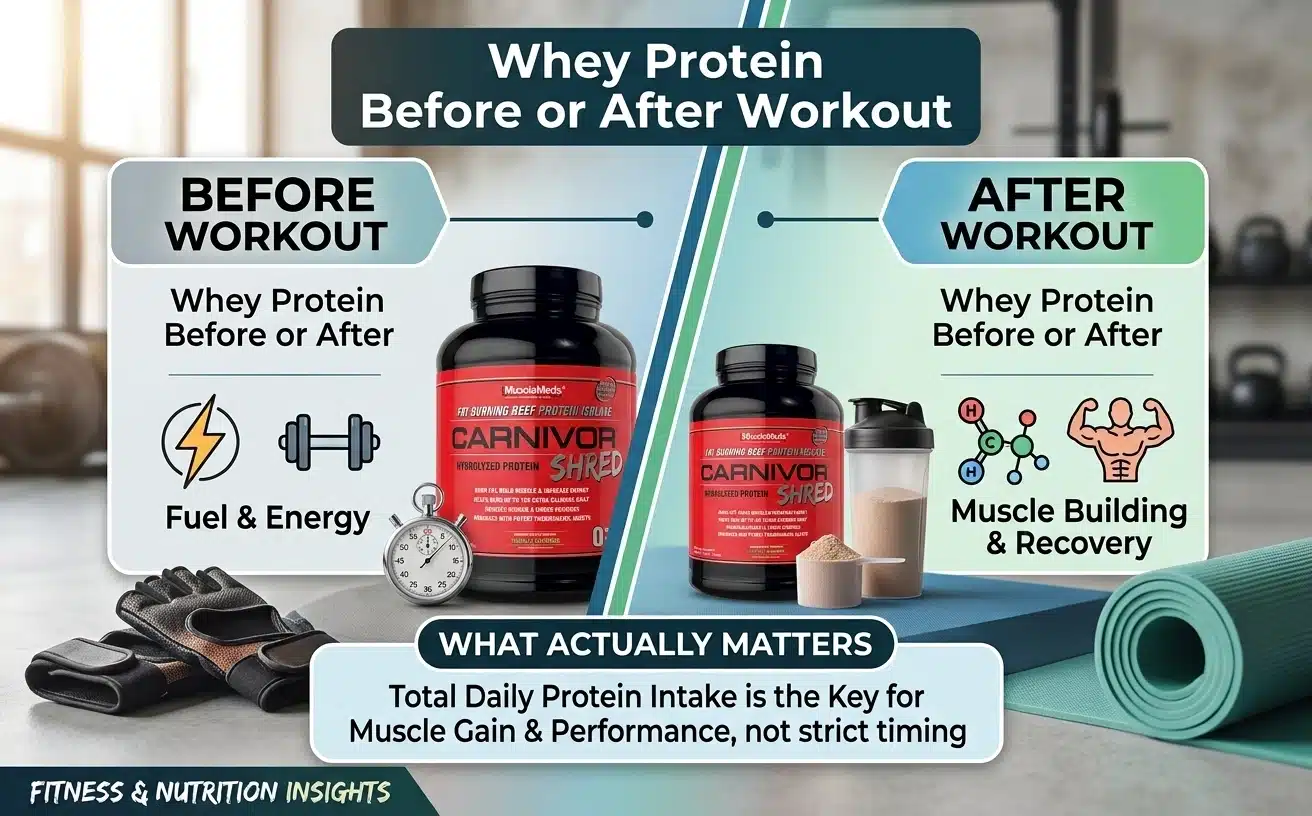
Whey Protein Before or After Workout: What Actually Matters
If you’ve ever stood in the gym car park finishing a shake and wondered whether you should have had it an hour ago, you’re asking the right question. The debate over whey protein before or after workout has been going on for years, and most of the advice online contradicts itself. Some articles insist you have a tiny “anabolic window” right after training. Others say timing barely matters at all. So what’s the real answer on the best time to drink protein shake, and does it change if your goal is muscle gain, fat loss, or just general fitness? Let’s break down the actual science, not the gym-bro folklore.
What Actually Happens When You Drink a Protein Shake
Whey protein is a fast-digesting protein source. Once you drink it, your body breaks it down into amino acids within roughly 20 to 40 minutes, and those amino acids are what your muscles use to repair and rebuild the tiny tears caused by resistance training. This repair process, called muscle protein synthesis, doesn’t happen in a narrow five-minute window; it stays elevated for many hours after a workout. That single fact is the reason the old “you must drink it within 30 minutes or you waste your workout” advice has been largely walked back by sports nutrition researchers.
The Case for Whey Protein Before a Workout
Drinking a shake 30 to 60 minutes before training has a few practical advantages. It puts amino acids into your bloodstream right as you start lifting, which some studies suggest can slightly reduce muscle breakdown during the session. It’s also simply more convenient for a lot of people when you’re already home, already have your shaker ready, and you don’t have to remember anything once you’re mid-workout or rushing out of the gym. If you train fasted or first thing in the morning, a pre-workout scoop of whey protein can also take the edge off hunger and give you a bit of steady energy, especially when paired with a pre-workout supplement or a source of carbs.

The Case for Whey Protein After a Workout
Post-workout is still the most popular time to drink a protein shake, and for good reason. Your muscles are primed to absorb nutrients after training, glycogen stores are depleted, and a fast-digesting protein like whey gets amino acids to your muscles quickly during that recovery period. Post-workout shakes are also easier to plan around knowing exactly when your session ends, so it’s a natural, repeatable habit. Many lifters combine it with creatine or BCAAs in the same shake to cover recovery from more than one angle at once.
What the Research Actually Says About Timing
The often-cited “anabolic window” theory suggested you had roughly 30 to 60 minutes post-exercise to consume protein or you’d miss out on most of the muscle-building benefit. More recent research has significantly softened this stance. Meta-analyses on protein timing have found that when total daily protein intake is already sufficient, the specific timing of a shake before, during, or after training has a comparatively small effect on muscle growth. What matters far more is your total protein intake across the full day, spread across three to four meals or shakes, alongside consistent training and adequate sleep.
Pre vs Post-Workout Protein: Quick Comparison
Here’s a simple side-by-side to help you decide what fits your routine, whether you’re weighing up Gold Standard 100% Whey or Nitro-Tech Whey Gold as your go-to tub.
| Factor | Before Workout | After Workout |
| Digestion timing | Amino acids available during training | Amino acids available during recovery |
| Best for | Fasted training, appetite control | Fast recovery, glycogen replenishment |
| Convenience | Easy to plan at home before the gym | Natural end-of-session habit |
| Pairs well with | Pre-workout supplements, carbs | Creatine, BCAAs, a full meal after |
| Impact on results | Minor, if daily protein is on track | Minor, if daily protein is on track |
So When Should You Actually Drink Your Protein Shake?
In practice, the best time to drink a protein shake is whichever time you’ll actually stick to. If you train early in the morning on an empty stomach, a shake beforehand can help. If you finish a hard session and want to kickstart recovery, having it right after works just as well. If neither fits your schedule, a shake with a meal an hour or two before or after training is still effective. The real priority is hitting your total daily protein target. Most active adults should aim for roughly 1.6 to 2.2 grams of protein per kilogram of bodyweight, spread across the day.
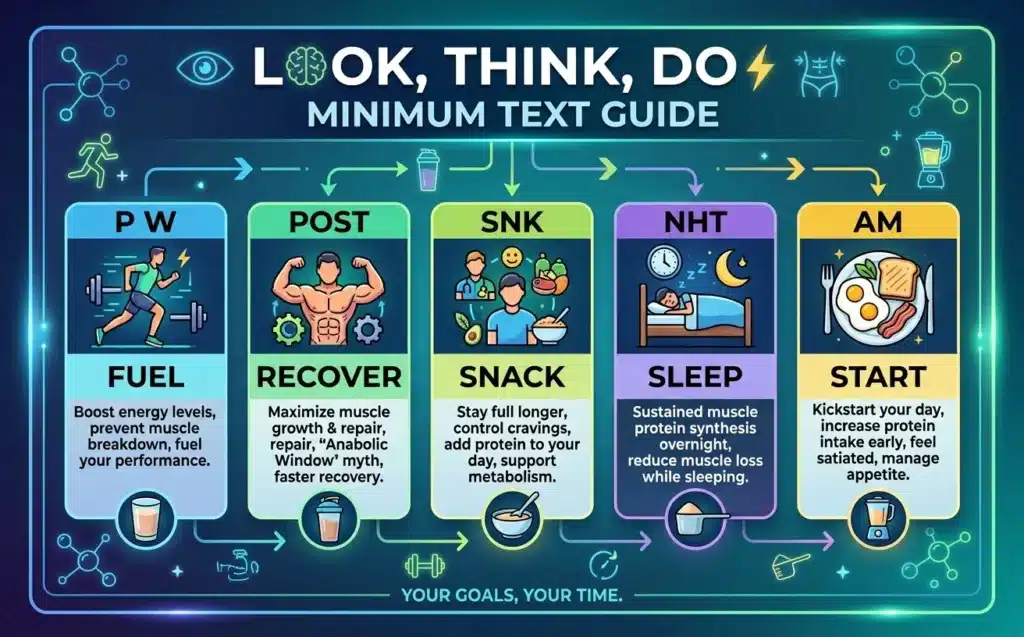
Total Daily Protein Matters More Than the Clock
If you’re still figuring out how much you need and how to split it across meals, our guide on how much whey protein to take per day walks through dosage and timing in more detail. And if budget is a bigger concern than precise timing, it’s also worth comparing whey against the cheapest protein sources in Pakistan to see where a shake fits into your overall food and supplement budget.
Why SportsOne’s Whey Protein Works Either Way
Whichever side of the debate you land on, the quality of the protein you’re using matters more than the minute you drink it. Every tub in our whey protein range is sourced from authorised international brands and comes from our Halal-certified supply chain, so you’re getting a clean, verified product whether you’re mixing it into a pre-workout shake or a post-workout recovery blend. Mix it with water for a fast-digesting pre-training option, or with milk and a scoop of creatine for a heavier post-training recovery shake either way, you’re covered.
Expert Take
Sports nutrition coaches generally agree on one thing: consistency beats precision. A lifter who drinks a decent whey shake every day, regardless of the exact hour, will out-recover someone who obsesses over a 30-minute window but skips days. If you’re new to supplementing, pick a time that fits naturally into your routine right when you wake up, right before you leave for the gym, or right after you shower post-workout and stick with it. That habit will do more for your results than chasing an “optimal” minute ever will.
Frequently Asked Questions
Should I combine whey protein with creatine or BCAAs?
Yes, whey pairs well with both. Creatine supports strength and recovery over time regardless of when you take it, while BCAAs can be useful during longer sessions. Adding either to your shake, before or after training, doesn’t interfere with whey’s effectiveness.
Can I drink whey protein on an empty stomach before training?
Yes, most people tolerate whey protein well on an empty stomach. It digests quickly and can even curb hunger before a fasted session. If it upsets your stomach, try a smaller half-scoop or mix it with water instead of milk before training.
Does the “anabolic window” really exist?
Not in the strict 30-minute sense once described. Muscle protein synthesis stays elevated for hours after training, not minutes. As long as you eat protein within a few hours of your session and meet your daily total, you’re not missing out on meaningful gains.
What is the best time to drink a protein shake for muscle gain?
For muscle gain, the best time is whatever helps you consistently hit your daily protein target across three or four servings. A shake within a couple of hours of training, before or after, supports recovery well, but daily totals matter more than exact timing.
Is it better to drink protein before or after a workout?
Neither is clearly better on its own. Research shows total daily protein intake matters more than exact timing. Choose whichever slot before or after training fits your schedule and appetite, and stay consistent every session for the best recovery and muscle-building results.

About author

Related posts

For most healthy adults, collagen peptides are well tolerated. The side effects people actually report are mild: a feeling of fullness, bloating, an aftertaste or... Continue reading

The short answer: the best time to take collagen is whichever time you will repeat every single day. Research on hydrolysed collagen peptides has not... Continue reading
Neither is universally better. Marine collagen is often preferred for skin, hair and people who avoid beef, while bovine collagen is usually cheaper and offers... Continue reading

Collagen may help support joint comfort in some people, but the evidence is modest, results are slow, and it is not a substitute for medical... Continue reading
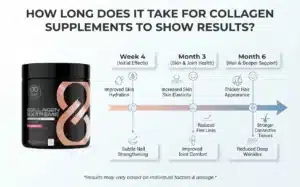
Most people notice their first change from collagen supplements after 4 to 8 weeks, with clearer skin and joint results building between 8 and 12... Continue reading
Add comment