
No products in the cart.
Return To Shop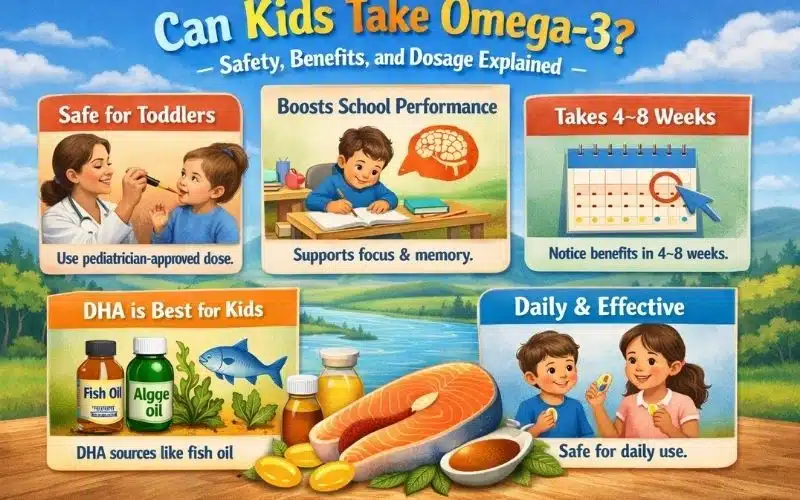
Can Kids Take Omega-3? Safety, Benefits, and Dosage Explained
Parents today are increasingly careful about what supplements their children take. One of the most common questions is: Can kids take Omega-3 safely? The short answer is yes when used correctly, Omega-3 fatty acids can play an important role in a child’s brain development, focus, sleep, and overall health. However, dosage, quality, and age suitability matter.
This guide explains everything parents need to know in a clear, practical, and evidence-based way.
What Are Omega-3s?
Omega-3s are essential fatty acids that the body cannot produce on its own. For children, the most important types are DHA (docosahexaenoic acid) and EPA (eicosapentaenoic acid), which are mainly found in fatty fish and fish oil. A third type, ALA, comes from plant sources like flaxseeds and walnuts but must be converted into DHA and EPA, which happens inefficiently in the body. DHA is especially critical during childhood because it is a major structural component of the brain and eyes.

Can Kids Take Omega-3 Safely?
Yes, kids can take Omega-3 safely when the supplement is age-appropriate, properly dosed, and sourced from a reputable brand. Pediatricians and nutrition experts widely recognize Omega-3 as beneficial during growth years, especially for children who do not consume fish regularly.
Omega-3 is not a medication, it’s a nutritional support. When used responsibly, it has a strong safety profile and is commonly recommended for cognitive and developmental support.
Omega-3 Benefits for Kids
Omega-3 fatty acids support several aspects of a child’s physical and mental development.
May Improve Symptoms of ADHD
Studies suggest that DHA and EPA may help improve attention span, reduce hyperactivity, and support emotional regulation in children with ADHD. While Omega-3 is not a replacement for medical treatment, it may offer supportive benefits when used consistently.
Could Reduce Asthma and Allergic Inflammation
Omega-3s have natural anti-inflammatory properties that may help reduce airway inflammation. Some children experience fewer asthma flare-ups and improved respiratory comfort with adequate Omega-3 intake.
Promotes Better Sleep in Children
Omega-3, particularly DHA, is linked to better sleep quality. It plays a role in melatonin regulation, which may help children fall asleep faster and sleep more soundly.
Enhances Brain Development and Learning
DHA is essential for brain structure and function. Adequate Omega-3 intake supports memory, learning ability, and cognitive performance especially important during school-going years.
Supports Eye and Vision Health
The retina contains high levels of DHA. Omega-3 supports visual development and may help reduce digital eye strain in children exposed to screens.
Omega-3 Food Sources for Kids

Natural food sources of Omega-3 include:
- Fatty fish like salmon, sardines, and mackerel
- Omega-3 fortified eggs and milk
- Chia seeds and flaxseeds (ALA source)
However, many children do not consume fish regularly due to taste preferences, making supplementation a practical option.
Omega-3 Supplements for Children
Omega-3 supplements are often used when dietary intake is insufficient.
Fish Oil vs DHA Gummies vs Syrups
- Fish oil capsules or liquids: High DHA/EPA content but may have taste issues
- DHA gummies: Child-friendly taste but usually lower potency
- Liquid syrups: Easier for younger children and customizable dosing
The best option depends on the child’s age and tolerance.
What to Look for in a Kids’ Omega-3 Supplement
Parents should choose supplements that:
- Clearly list DHA and EPA amounts
- Are tested for heavy metals
- Have child-safe flavors
- Come from trusted importers or brands
Dosage for Children (Age-Wise Guide)
There is no universal dosage, but general expert recommendations include:
- Toddlers (1–3 years): 100–150 mg DHA daily
- Children (4–8 years): 150–250 mg DHA + EPA daily
- Older children (9–13 years): Up to 500 mg daily
Always consult a pediatrician before starting supplements, especially for long-term use.
Potential Side Effects of Omega-3 in Kids
Omega-3 is generally well tolerated. Mild side effects may include:
- Fishy burps or aftertaste
- Mild stomach upset
- Loose stools at higher doses
Excessive dosing may increase bleeding risk, which is why proper dosage is essential.
Who Should Avoid Omega-3 Supplements?
Children with the following conditions should consult a doctor before use:
- Fish or seafood allergies
- Bleeding disorders
- Use of blood-thinning medications
FAQs About Omega-3 for Kids
Can toddlers take Omega-3?
Yes, toddlers can take Omega-3 in low, age-appropriate doses. Liquid or syrup forms are preferred for easy swallowing. Always consult a pediatrician to ensure correct dosage, safety, and suitability.
Is Omega-3 good for school performance?
Omega-3 supports brain development, focus, and memory in children. Regular intake may help improve attention span, learning ability, and overall cognitive performance, which can positively influence school and academic outcomes.
How long does Omega-3 take to work in kids?
Most parents notice benefits such as better focus, mood, or sleep after 4–8 weeks of consistent daily Omega-3 use. Results vary depending on dosage, diet, and the child’s individual needs.
Is plant-based Omega-3 enough for children?
Plant-based Omega-3 provides ALA, but children convert only small amounts into DHA and EPA. DHA-rich sources, like fish oil or algae oil, are generally more effective for brain development.
Can kids take Omega-3 daily?
Yes, kids can safely take Omega-3 daily when consumed within recommended dosage limits. Consistent daily intake supports brain, eye, and overall development without causing harm when sourced from quality products.
The Bottom Line
So, can kids take Omega-3? Yes Omega-3 is safe, beneficial, and often recommended for children when used responsibly. It supports brain development, focus, sleep, vision, and overall growth. The key is choosing a high-quality supplement and following age-appropriate dosing.
Looking for authentic, high-quality Omega-3 supplements for kids?
Explore trusted imported Omega-3 options at https://sportsone.com.pk/
Carefully selected for purity, safety, and real nutritional value—because your child’s health deserves the best.
About author

Related posts

For most healthy adults, collagen peptides are well tolerated. The side effects people actually report are mild: a feeling of fullness, bloating, an aftertaste or... Continue reading

The short answer: the best time to take collagen is whichever time you will repeat every single day. Research on hydrolysed collagen peptides has not... Continue reading

Neither is universally better. Marine collagen is often preferred for skin, hair and people who avoid beef, while bovine collagen is usually cheaper and offers... Continue reading

Collagen may help support joint comfort in some people, but the evidence is modest, results are slow, and it is not a substitute for medical... Continue reading

Most people notice their first change from collagen supplements after 4 to 8 weeks, with clearer skin and joint results building between 8 and 12... Continue reading
Add comment