
No products in the cart.
Return To Shop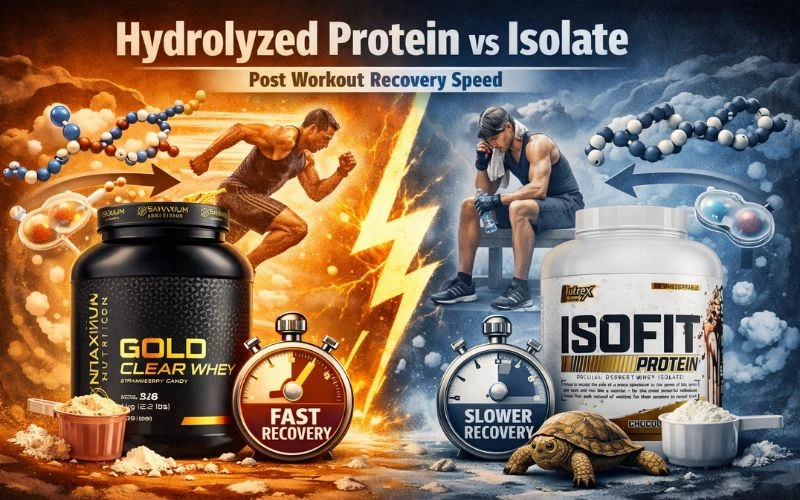
Hydrolyzed Protein vs Isolate for Post Workout Recovery Speed
Recovery after an intense workout is just as important as the workout itself. The right protein supplement can make a noticeable difference in how quickly your muscles repair and grow. Two of the most popular options among serious athletes are hydrolyzed protein and whey protein isolate, both touted for their ability to support rapid muscle recovery.
But which one actually works faster? The answer depends on how these proteins are processed, absorbed, and utilized by your body. Understanding the key differences can help you choose the supplement that aligns with your recovery goals and training intensity.
What is Hydrolyzed Protein?
Hydrolyzed protein is protein that has been broken down into smaller peptides through a process called hydrolysis. This pre-digestion makes it easier for your body to absorb and utilize quickly after a workout. Think of it as protein that has already been partially digested before you consume it.
The hydrolysis process involves using enzymes or acids to break the protein chains into di-peptides and tri-peptides. These smaller fragments bypass much of the digestive work your stomach would normally do, allowing for faster absorption into your bloodstream and muscles.
Here is what makes hydrolyzed protein stand out:
- Fastest absorption rate among all protein types
- Reduced bloating and digestive discomfort
- Ideal for athletes with sensitive stomachs
- Minimal lactose content for those with dairy sensitivities
What is Whey Protein Isolate?
Whey protein isolate is a highly refined form of whey protein that contains at least 90% protein by weight. It is created by filtering out most of the fat, lactose, and carbohydrates from whey, leaving behind a protein-rich powder that is low in calories and fast-digesting.
Unlike whey protein concentrate, isolate undergoes additional processing to remove more impurities. This results in a cleaner product with fewer allergens, making it a popular choice for those seeking lean muscle growth without unnecessary additives.
Key benefits of whey protein isolate include:
- High protein content with minimal fats and carbs
- Quick digestion and absorption
- Lower lactose levels compared to concentrate
- Supports muscle recovery and growth effectively
Speed of Absorption: The Critical Difference
When it comes to post-workout recovery speed, absorption rate is everything. The faster protein reaches your muscles, the quicker the repair process begins. This is where hydrolyzed protein takes the lead.
Studies show that hydrolyzed protein can be absorbed in as little as 60-90 minutes, compared to 90-120 minutes for whey protein isolate. That 30-minute difference might seem small, but during the critical post-workout window when your muscles are primed for nutrients, every minute counts. The partially broken-down peptides in hydrolyzed protein allow for immediate uptake, reducing the time your muscles spend in a catabolic state. For athletes focused on muscle building, this faster delivery can translate to better recovery outcomes.
Digestibility and Gut Comfort
One of the most overlooked aspects of protein supplements is how they affect your digestive system. Even the highest quality protein will not help if it leaves you bloated or uncomfortable.
Hydrolyzed protein is generally easier on the stomach because the protein chains are already broken down. This means less work for your digestive enzymes, resulting in reduced bloating, gas, and stomach discomfort. If you have ever experienced digestive issues with whey protein, hydrolyzed versions might be the solution.
Whey isolate is also easier to digest than concentrate due to its lower lactose content, but it still requires more digestive effort than hydrolyzed protein. For individuals with lactose intolerance, isolate is a better option than concentrate, but hydrolyzed remains the top choice for maximum gut comfort.
Muscle Recovery and Growth Benefits
Both hydrolyzed protein and isolate excel at supporting muscle recovery and growth, but they do so in slightly different ways. Hydrolyzed protein delivers amino acids to muscles faster, making it ideal for immediate post-workout nutrition when your body is in peak recovery mode.
Whey isolate, while marginally slower, provides a steady supply of amino acids that remain effective for muscle protein synthesis. Both forms are rich in branched-chain amino acids (BCAAs) and leucine, which are critical for triggering muscle growth.
When comparing their impact on recovery:
- Hydrolyzed protein initiates recovery faster due to rapid absorption
- Isolate provides sustained amino acid release over a slightly longer period
- Both support muscle protein synthesis effectively
- Hydrolyzed may reduce muscle soreness more quickly post-exercise
Cost Considerations and Value
Price is a practical factor when choosing between these two proteins. Hydrolyzed protein is generally more expensive due to the additional processing required to break down the protein chains. You are paying for convenience and speed. If budget is not a concern and you want the absolute fastest recovery, hydrolyzed is worth the investment. Check current isolate protein prices in Pakistan to compare market rates.
Whey isolate offers an excellent middle ground. It is more affordable than hydrolyzed protein while still providing superior quality compared to whey concentrate. For most athletes, the cost-to-benefit ratio of isolate makes it the more practical choice for daily use.

Who Should Choose Hydrolyzed Protein?
Hydrolyzed protein is not for everyone, but it shines in specific scenarios. If you are an elite athlete, competitive bodybuilder, or someone who trains multiple times per day, the faster absorption can make a measurable difference in your recovery timeline.
It is also ideal for individuals with digestive sensitivities who struggle with bloating or discomfort from other protein types. The pre-digested nature means your stomach does not have to work as hard, allowing for smoother digestion even immediately after intense exercise.
Consider hydrolyzed protein if you:
- Train at high intensity or multiple times daily
- Need the fastest possible recovery between sessions
- Experience digestive issues with regular whey protein
- Want to maximize nutrient timing during the anabolic window
Who Should Choose Whey Protein Isolate?
Whey protein isolate is the go-to option for the majority of fitness enthusiasts. It strikes the perfect balance between quality, effectiveness, and affordability. Whether you are building muscle, losing fat, or maintaining your physique, isolate delivers consistent results without breaking the bank.
It is particularly beneficial for those looking to minimize calorie intake while maximizing protein consumption. The low fat and carb content makes it excellent for weight loss or lean bulking phases.
Choose whey protein isolate if you:
- Want high-quality protein at a reasonable price
- Are following a calorie-controlled diet
- Need a versatile protein for daily use
- Prefer a product with minimal lactose and fat
Taste and Mixability Factors
Taste and texture matter more than you might think. A protein you do not enjoy drinking is a protein you will not use consistently. Hydrolyzed protein sometimes has a slightly bitter taste due to the breakdown of peptides, though many brands have improved flavoring in recent years.
Whey isolate generally tastes better and mixes more smoothly. It dissolves well in water or milk without clumping, making it easier to consume on the go. Many popular brands like Dymatize ISO100 and Optimum Nutrition Gold Standard have perfected their formulas to deliver great taste alongside quality nutrition.
Best Use Cases for Each Protein Type
Timing and context determine which protein serves you best. Hydrolyzed protein excels immediately post-workout when your muscles are most receptive to nutrients. Its rapid absorption makes it the ideal choice for that critical 30-minute anabolic window.
Whey isolate works well not just post-workout, but also as a meal supplement, between-meal snack, or before bed (though casein protein is better for overnight recovery). Its versatility makes it a reliable protein source throughout the day.
Strategic usage breakdown:
- Hydrolyzed: Immediately post-workout, between training sessions
- Isolate: Post-workout, meal replacement, daily protein boost
- Hydrolyzed: Pre-competition recovery
- Isolate: General muscle maintenance and growth
Making Your Decision: Which One Fits Your Goals?
The choice between hydrolyzed protein and whey isolate ultimately depends on your specific training demands, budget, and recovery priorities. Both are excellent proteins that will support your fitness journey effectively.
If speed is your top priority and you have the budget, hydrolyzed protein offers the fastest route to recovery. For most athletes, whey isolate provides outstanding results at a more accessible price point. Some athletes even use both strategically: hydrolyzed after intense training sessions and isolate for regular workouts. You can explore various whey protein options to find what works best for your needs.
Consider your training frequency, intensity, digestive tolerance, and financial flexibility. These factors will guide you toward the protein that aligns with your lifestyle and goals. Remember that consistency with any quality protein will always outperform sporadic use of even the most advanced formulas. For more guidance, check out resources on post-workout nutrition and protein supplement usage.

Conclusion
Both hydrolyzed protein and whey protein isolate are superior choices for accelerating post-workout recovery. Hydrolyzed protein wins on speed and digestibility, making it ideal for serious athletes who demand the fastest possible recovery. Whey isolate offers exceptional quality and versatility at a more affordable price, making it the practical choice for daily use.Ultimately, the best protein is the one you will actually use consistently. Whether you choose the rapid absorption of hydrolyzed protein or the balanced performance of whey isolate, both will support your muscle recovery goals effectively. Focus on quality products from reputable brands, maintain proper dosing, and pair your supplementation with solid training and nutrition for optimal results.

About author

Related posts

For most healthy adults, collagen peptides are well tolerated. The side effects people actually report are mild: a feeling of fullness, bloating, an aftertaste or... Continue reading

The short answer: the best time to take collagen is whichever time you will repeat every single day. Research on hydrolysed collagen peptides has not... Continue reading
Neither is universally better. Marine collagen is often preferred for skin, hair and people who avoid beef, while bovine collagen is usually cheaper and offers... Continue reading
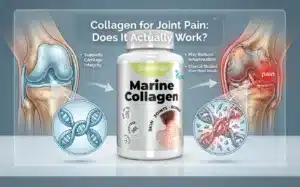
Collagen may help support joint comfort in some people, but the evidence is modest, results are slow, and it is not a substitute for medical... Continue reading
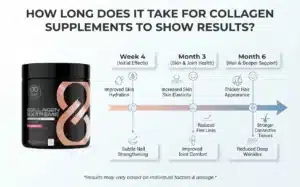
Most people notice their first change from collagen supplements after 4 to 8 weeks, with clearer skin and joint results building between 8 and 12... Continue reading
Add comment