
No products in the cart.
Return To Shop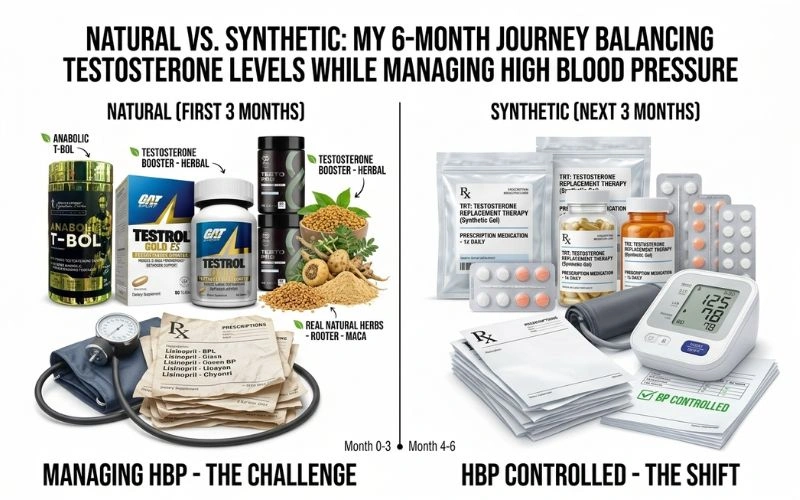
Natural vs. Synthetic: My 6-Month Journey Balancing Testosterone Levels While Managing High Blood Pressure
Six months ago, I sat in my doctor’s office staring at a blood panel that told two conflicting stories. My testosterone was sitting at 287 ng/dL well below the healthy range for a man in his late thirties and my blood pressure had crept up to 148/94. My doctor gave me a choice that felt impossible: pursue testosterone replacement therapy (TRT), which could potentially push my blood pressure even higher, or try to raise my levels through natural means and risk staying in hormonal limbo for months. I chose to document what happened next, honestly and without shortcuts.
This is not a sponsored post or a product review disguised as personal experience. This is a real account of six months spent navigating the intersection of low testosterone and hypertension, two conditions that are more connected than most men realize. Along the way, I tested natural interventions, consulted specialists, and yes, eventually explored supplementation and every popular best testosterone booster in Pakistan that people recommended online. Here is what actually worked, what backfired, and what I wish I had known from day one.

Why Low Testosterone and High Blood Pressure Often Appear Together
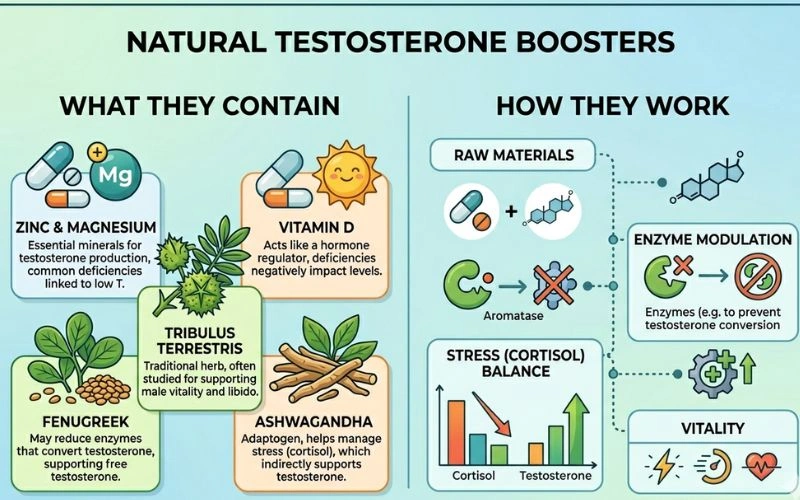
The relationship between testosterone and blood pressure is bidirectional and frequently misunderstood. Testosterone plays a significant role in regulating nitric oxide production, which directly affects how your blood vessels dilate and contract. When testosterone drops, nitric oxide activity often declines with it, causing blood vessels to become stiffer and less responsive, a core driver of elevated blood pressure.
On the flip side, high blood pressure is associated with chronic inflammation and oxidative stress, both of which suppress the Leydig cells in the testes responsible for producing testosterone. It becomes a cycle: low testosterone raises blood pressure risk, and high blood pressure further suppresses testosterone. Understanding this loop was the first thing that changed my perspective on treatment strategy.
- Low testosterone reduces nitric oxide synthesis, increasing vascular resistance
- Chronic hypertension triggers cortisol elevation, which actively suppresses testosterone production
- Obesity (often linked to both conditions) aromatizes testosterone into estrogen, compounding the problem
- Sleep apnea common in men with high blood pressure dramatically lowers overnight testosterone release
Months 1–2: Going All-In on the Natural Approach
My first instinct was to avoid synthetic intervention entirely. I overhauled my diet, cut processed carbs, added zinc-rich foods like pumpkin seeds and oysters, and committed to resistance training four days a week. I also started prioritizing seven to eight hours of sleep, which research consistently shows is one of the highest-leverage tools for testosterone production. My blood pressure protocol included daily potassium-rich meals, reduced sodium, and a magnesium supplement.
The changes were real but they were slow. By the end of week eight, I had lost four kilograms of body fat, my resting heart rate had dropped, and my blood pressure averaged around 138/88. An improvement, but I still had persistent fatigue, low motivation, and the kind of brain fog that makes a workday feel twice as long. My follow-up blood test showed testosterone had climbed to 341 ng/dL. Progress, but not enough to feel meaningfully different day to day.
This is when I started researching whether a quality testosterone booster supplement could bridge the gap without destabilizing my cardiovascular management. I needed something grounded in evidence, not marketing.
What Natural Testosterone Boosters Actually Contain and Why Ingredients Matter
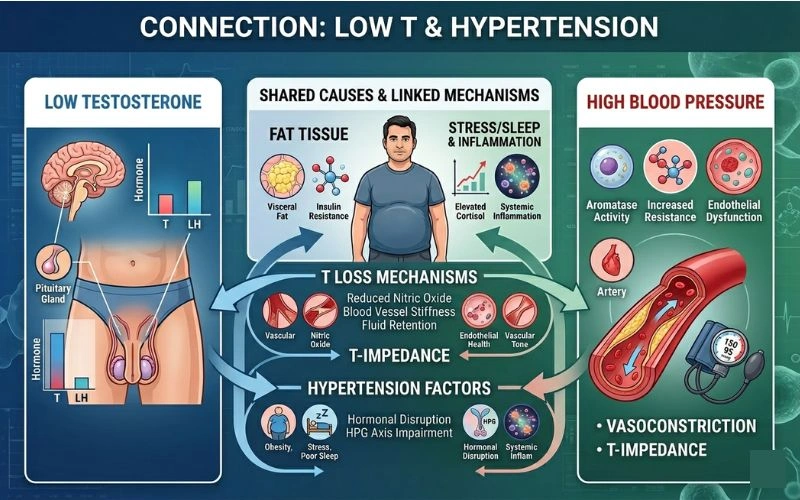
Before putting anything new into my body, I spent two weeks researching the active ingredients in natural testosterone support supplements. Not all test boosters are created equal, and for someone managing blood pressure, certain stimulant-heavy formulas were completely off the table. What I was looking for were ingredient profiles backed by clinical evidence specifically compounds that support hormonal function without spiking heart rate or constricting blood vessels.
The ingredients that consistently showed up in the credible literature and in quality products included ashwagandha (KSM-66 form), fenugreek extract, zinc, magnesium, vitamin D3, and D-aspartic acid. Ashwagandha, in particular, showed dual benefit: multiple trials demonstrated it both increases testosterone levels and reduces cortisol, which matters for blood pressure management. Fenugreek has shown positive effects on free testosterone and libido without cardiovascular stimulation.
- Ashwagandha (KSM-66): Reduces cortisol and supports natural testosterone synthesis particularly useful for stressed, hypertensive men
- Zinc & Magnesium: Foundational minerals that many men are deficient in; directly support testosterone enzyme pathways
- Vitamin D3: Functions as a prohormone and is strongly correlated with testosterone levels in multiple population studies
- D-Aspartic Acid: Stimulates LH release from the pituitary, prompting the testes to produce more testosterone
- Fenugreek Extract: Inhibits the enzyme that converts testosterone to DHT, preserving free testosterone levels
Month 3: Introducing a Natural Test Booster My Protocol
In month three, I added a natural testosterone booster to my existing lifestyle protocol. I was deliberate about doing this as an addition, not a replacement. The supplement stack I settled on was conservative: ashwagandha 600mg daily (taken in the evening with food), a zinc and magnesium complex before bed, and a vitamin D3 supplement at 3,000 IU taken with breakfast. I avoided products containing yohimbine, synephrine, or caffeine blends, as these are known to elevate blood pressure.
I tracked four key metrics throughout: morning testosterone (via bi-monthly blood panels), morning blood pressure readings (home cuff, both arms, three consecutive days averaged), subjective energy levels on a 1–10 scale, and training performance in the gym. This kind of structured self-monitoring is what separates useful personal experimentation from wishful thinking.
I also added a joint support supplement to my stack because increased training intensity was starting to put stress on my knees.
The Blood Pressure Question: Did Testosterone Support Make It Worse?
This was my biggest concern going in, and the honest answer is: no, when done right. My blood pressure readings actually improved during month three and four. By month four, I was consistently averaging 132/85, and by month five, I had hit 128/82 which my doctor classified as stage 1 high-normal rather than hypertension. Part of this was continued lifestyle improvement, but the reduction in cortisol from ashwagandha appears to have contributed meaningfully.
The key distinction is between natural testosterone support and pharmaceutical testosterone replacement therapy. TRT involves introducing exogenous testosterone, which can increase red blood cell production (raising hematocrit and blood viscosity) and cause fluid retention, both of which can worsen hypertension. Natural testosterone boosters, by contrast, stimulate the body’s own hormonal mechanisms. The risk profile is fundamentally different, and for most men with mild-to-moderate low testosterone, the natural approach is both safer and more sustainable.
- Avoid: Pre-workouts and test boosters containing yohimbine, synephrine, or high-dose caffeine if you have high blood pressure
- Be cautious: Some nitric oxide boosters contain arginine in doses that can lower blood pressure abruptly monitor closely
- Generally safe: Ashwagandha, zinc, magnesium, vitamin D, and fenugreek have favorable cardiovascular profiles in the literatur.
- Always consult: Work with your physician before introducing any supplement when managing cardiovascular conditions
For men who want to support performance without risking cardiovascular stress, the strength and recovery range offers targeted options like amino acids and BCAA products that support muscle preservation without hormonal interference.
Months 4–5: When the Compound Effect Started to Kick In
By month four, something noticeably shifted. The brain fog I had accepted as my new normal began to lift. I was waking up before my alarm, my gym sessions had measurably improved. I added 12 kg to my deadlift and 8 kg to my bench and my mood was more stable across the day. These are exactly the kinds of improvements that clinical studies associate with testosterone moving back into the mid-normal range.
My month-four blood panel put testosterone at 498 ng/dL. That is not a dramatic transformation, but it represents a 73% increase from my starting point of 287 ng/dL achieved entirely through lifestyle intervention and natural supplementation, with no pharmaceutical testosterone involved. For context, the clinical threshold for TRT consideration in most guidelines begins around 300 ng/dL, so I had cleared that threshold by a meaningful margin.
I was also better at fueling my training sessions with quality nutrition. Switching to a cleaner whey protein helped me recover faster and maintain the lean muscle mass that supports healthy testosterone metabolism. Higher body fat particularly visceral fat accelerates testosterone-to-estrogen conversion, so staying lean is genuinely part of hormonal management.

Natural vs. Synthetic: An Honest Comparison for Men With Blood Pressure Concerns
After six months of this journey, here is how I honestly compare the two approaches for men in a similar situation: low-to-mid testosterone, existing hypertension, and a preference for not adding more medical complexity to their lives.
Natural testosterone support is slower; there is no way around that. You will not feel dramatically different in two weeks. But the risk profile for blood pressure is significantly better, the gains are more sustainable because you are restoring your body’s own function rather than bypassing it, and you avoid the complications of TRT including suppression of natural testosterone production if you ever stop therapy.
- Natural approach: Timeline 3–6 months, sustainable gains, low cardiovascular risk, no hormonal dependency
- TRT (pharmaceutical): Faster results, but increased hematocrit risk, blood pressure concerns, and requires ongoing medical supervision
- Best for blood pressure management: Natural approach, with ashwagandha, zinc, magnesium, D3, and clean lifestyle as the foundation
- Best for severely deficient testosterone (below 200 ng/dL): Medical consultation and likely TRT under physician supervision
If you are managing weight as part of your hormonal strategy as I was targeted fat burner products can help accelerate the visceral fat reduction that directly improves testosterone levels. CLA in particular has a favorable safety profile and has been studied for its effect on body composition without cardiovascular stimulation. The CLA range is worth exploring for this purpose.
The Role of Vitamins, Minerals, and Liver Support in Hormonal Health
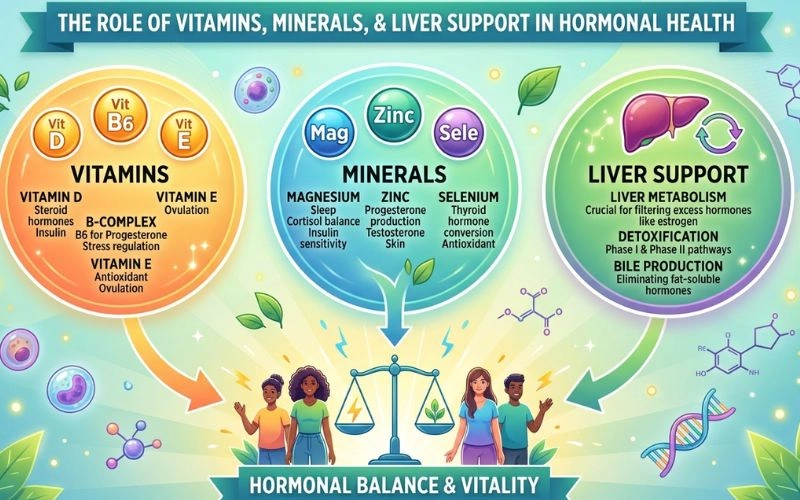
One of the most overlooked aspects of testosterone management is micronutrient status. Most men with low testosterone are also deficient in at least one key mineral zinc, magnesium, or vitamin D being the most common. These are not optional extras. They are cofactors in the enzymatic pathways that produce testosterone. Correcting deficiencies alone has been shown in multiple studies to raise testosterone by 20–30% in deficient men.
I added a comprehensive vitamins and minerals supplement to fill nutritional gaps that diet alone was not reliably covering. This was particularly important for vitamin D, which is notoriously difficult to obtain in adequate amounts through food, especially in regions with limited sun exposure during winter months.
I also added a liver support supplement in month five. This was suggested by my nutritionist, who noted that the liver is central to testosterone metabolism: it processes and clears excess estrogen, regulates SHBG (the protein that binds testosterone in the blood), and detoxifies compounds that can disrupt hormonal balance. Supporting liver function is an underrated part of the hormonal optimization picture.
Month 6: Where I Ended Up and What I Would Do Differently
At the six-month mark, my testosterone came in at 541 ng/dL solidly in the mid-normal range. My blood pressure averaged 126/80, which is classified as normal. My body weight had dropped by 9 kilograms, my gym performance was the best it had been in five years, and I was sleeping through the night consistently. I am off blood pressure medication, which my doctor had initially put me on as a precaution, with his approval after three months of consistent readings in the safe range.
What would I do differently? I would start the ashwagandha and micronutrient correction earlier, probably from week one rather than month three. I would also have been more aggressive about sleep quality earlier in the process, as the overnight testosterone release window is genuinely one of the highest-leverage factors in natural hormonal optimization. And I would have found a structured supplement protocol from the beginning rather than piecing it together reactively.
For men just starting this journey, I would strongly recommend exploring the full health and wellness category and building a clean, evidence-aligned stack. Pair this with the right protein for body composition support a lean muscle and fat burn protein can help you stay in a positive body composition trajectory without adding unnecessary calories.
Practical Protocol: What a Safe Natural Testosterone Stack Looks Like
Based on six months of personal experience and research, here is a clean, blood-pressure-safe protocol for men who want to explore natural testosterone support. This is not medical advice always consult your doctor, especially if you are on antihypertensive medication but this is the framework that worked for me and is consistent with the current evidence base.
- Morning: Vitamin D3 (2,000–4,000 IU) with breakfast, zinc with food (25–30mg elemental zinc)
- Evening: Ashwagandha KSM-66 (600mg) with dinner, magnesium glycinate (300–400mg) 30–60 minutes before bed
- Training days: Quality whey or plant protein within 45 minutes of resistance training, BCAA during long sessions
- Weekly: Track blood pressure readings (3-day average), log training performance, subjective energy and mood scores
- Monthly: Blood panel for testosterone (total and free), hematocrit, and blood pressure trend review with your physician
For protein supplementation, I found that isolate protein was the best choice for my goals, lower in fat and carbohydrates than a standard blend, faster absorbing, and easier on digestion. If you’re managing weight as part of your hormonal strategy, it’s worth considering over a standard concentrate.
Those who are training harder as part of their protocol may also benefit from a clean creatine supplement for strength and recovery. Creatine is one of the most studied supplements in sports nutrition, has no negative effects on blood pressure, and directly supports the high-intensity training that stimulates testosterone production through mechanical load.
Final Thoughts: This Journey Is About Reclaiming Your Health, Not Chasing Numbers
Six months ago I felt like a diminished version of myself fatigued, foggy, and frustrated by a body that was not cooperating. Today I feel functional in a way I had forgotten was possible. The testosterone number is satisfying to see on a blood panel, but the real win is waking up with energy, training hard without dreading soreness, and watching blood pressure normalize without medication.
The natural vs. synthetic debate is real and worth having but for the majority of men with low-normal testosterone and existing cardiovascular concerns, the natural pathway is not just the safer choice. Done properly, with the right nutrients, the right supplementation protocol, and genuine lifestyle commitment, it is often the better outcome. The body, given the right inputs, is remarkably capable of restoring its own balance.
If you are ready to build your own evidence-based stack, start by browsing the full supplement shop for quality, verified products. Whether you are starting with a testosterone booster, correcting micronutrient gaps with vitamins and minerals, or building a complete strength and recovery protocol, the foundation is the same: quality inputs, consistency, and patience.
Frequently Asked Questions
Q1. Can I use a testosterone booster if I have high blood pressure?
Yes, with the right ingredients. Supplements based on ashwagandha, zinc, magnesium, and vitamin D3 have favorable cardiovascular profiles and do not raise blood pressure. Avoid formulas containing yohimbine, synephrine, or stimulant blends, and always consult your physician before starting any supplementation when managing hypertension. Monitoring is key.
Q2. How long does natural testosterone support take to work?
Expect a meaningful change in 8–16 weeks with a consistent protocol including lifestyle, nutrition, sleep, and quality supplementation. Testosterone levels are slow-moving; they respond to cumulative inputs over time. Most men report noticeable improvements in energy, mood, and libido around months two to three, with blood panel improvements following closely after.
Q3. Is TRT (testosterone replacement therapy) dangerous for blood pressure?
Pharmaceutical TRT can increase hematocrit (red blood cell count), raise blood viscosity, and cause fluid retention all of which can worsen hypertension. This does not mean TRT is off the table, but it requires close cardiovascular monitoring. For men with borderline-low testosterone and existing blood pressure concerns, natural approaches should generally be explored first.
Q4. What vitamins are most important for testosterone production?
Vitamin D3 is arguably the most important; it functions as a prohormone and strongly correlates with testosterone levels in population studies. Zinc and magnesium are essential cofactors in testosterone synthesis pathways. B vitamins support overall hormonal enzyme activity. Most men with low testosterone are deficient in at least one of these micronutrients.
Q5. Does losing body fat really increase testosterone naturally?
Yes, significantly. Adipose (fat) tissue especially visceral abdominal fat contains the aromatase enzyme that converts testosterone into estrogen. The more visceral fat you carry, the more testosterone gets converted, lowering your total and free testosterone. Even a 10–15% reduction in body fat can produce meaningful hormonal improvements, making fat loss a core part of any natural testosterone protocol.


About author

Related posts

Walk into any gym in Lahore, Karachi, or Islamabad before 6 p.m. and you’ll spot two camps: the ones sipping black coffee from a flask,... Continue reading
If you’ve stood in a supplement store or scrolled SportsOne’s shop wondering whether to buy BCAA, whey protein, or both, you’re not alone. It’s one... Continue reading
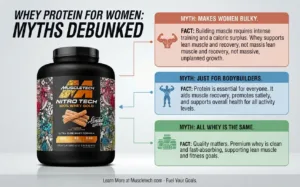
Ask a Pakistani woman why she avoids protein shakes. One fear comes up almost every time: “Won’t it make me look like a bodybuilder?” This... Continue reading

If you’ve ever stood in front of a supplement shelf and wondered, “Is whey protein halal?” you’re not alone. This question concerns many Pakistani gym-goers... Continue reading
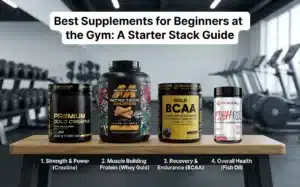
Walking into a supplement store or browsing one online for the first time can feel overwhelming. Rows of tubs promise faster muscle growth, better recovery,... Continue reading
Add comment