
No products in the cart.
Return To Shop
Best Whey Isolate Protein for Clear Skin and Acne Prevention
Updated September 2026
You’re putting in the gym work, hitting your protein goals, and doing everything right, yet your skin is breaking out in places it never used to. If this sounds familiar, your whey protein might be part of the picture. The relationship between protein supplements and acne is one of the most frequently searched topics in fitness and skincare right now, and for good reason. This guide gives you an honest answer on whether whey isolate is actually better for your skin, which products are the safer choices for acne-prone individuals, and what alternatives exist if you need to go a completely different route.
Quick Comparison: Protein Type vs Skin Impact
| Protein Type | Lactose | Dairy Hormone Exposure | Best For |
|---|---|---|---|
| Whey Concentrate | 3 to 5% per serving | Highest | Budget muscle gain, low skin sensitivity |
| Whey Isolate | Under 1% per serving | Reduced, not eliminated | Most gym-goers with mild to moderate skin sensitivity |
| Grass-Fed Whey Isolate | Under 1% per serving | Lower than conventional whey | Sensitive skin, still wanting a dairy-based option |
| Pea or Plant Protein Blend | None | None | Hormonal or cystic acne, dairy intolerance |
| Collagen Peptides | None | None | Skin support alongside another protein, not a muscle-building replacement |
Why Whey Protein and Acne Are Genuinely Linked
Before we get to product recommendations, it is worth understanding the mechanism, because knowing the why helps you make smarter choices rather than just following a list. The connection between whey protein and acne is not gym folklore. It has a biological basis rooted in how dairy proteins interact with hormones and insulin.
Whey protein, whether concentrated or isolated, comes from cow’s milk. Milk naturally contains Insulin-Like Growth Factor 1 (IGF-1), a hormone that stimulates cell growth and sebum production in the skin. When you consume whey, your body’s insulin response also rises quickly, and elevated insulin can amplify IGF-1 activity further. Dermatology research has pointed to this insulinotropic effect, meaning whey stimulates insulin release strongly despite having a low glycemic index, as the likely driver behind whey-related breakouts. This can trigger a cascade of more sebum, faster skin cell turnover, blocked follicles, and inflammation.
- IGF-1 elevation: Whey protein raises IGF-1 levels, which can stimulate sebaceous glands to produce excess oil.
- Rapid insulin spikes: Whey is one of the more insulinogenic protein sources, and high insulin can drive androgen activity.
- Hormonal disruption: Dairy-derived proteins contain trace levels of estrogen, progesterone, and androgen precursors that can further disrupt the hormonal environment in acne-prone skin.
- Gut microbiome impact: High doses of whey can disrupt gut flora, particularly in lactose-sensitive individuals, and gut imbalance is linked to inflammatory skin conditions.
That said, not everyone who uses whey develops acne. Genetics, existing hormone levels, skin type, and total diet all shape how your body responds. This is why two people can use the same tub of protein and have completely different skin outcomes.
Whey Isolate vs Concentrate: Does It Actually Make a Difference for Skin?
This is the core question most people are asking, and the answer is nuanced. Switching from concentrate to isolate is a meaningful step, but it is not a guaranteed fix. Here is what actually changes and what does not.
Whey protein isolate undergoes additional filtration to remove most of the lactose and fat, leaving a product that is typically over 90% protein by weight. Compared to regular whey, isolate has significantly less lactose and fewer dairy components that commonly trigger inflammation and digestive distress. For someone whose acne is driven partly by lactose sensitivity or dairy-related gut irritation, switching to isolate can produce a noticeable improvement in skin within two to six weeks. If digestion is your main concern rather than skin, our breakdown of how much lactose is actually in whey protein isolate covers this in more detail.
However, there is an important limitation to understand: isolate still contains IGF-1 and still triggers an insulin response. Because the acne mechanism runs through hormones, not just lactose, switching to isolate reduces but does not eliminate breakout risk. Think of it as moving from a high-risk category to a moderate-risk category. For many people, that reduction is enough to keep skin clear. For others with strongly hormonal acne or high genetic sensitivity, isolate may still cause breakouts.
Key Differences That Matter for Skin
When comparing these two forms specifically through a skin-health lens, the differences come down to a few practical factors.
- Lactose content: Concentrate has roughly 3 to 5% lactose per serving; isolate has under 1%. This is the biggest practical difference for gut comfort and dairy-triggered skin inflammation.
- Fat content: Isolate is nearly fat-free per serving, meaning fewer saturated dairy fats that can contribute to inflammation.
- Additive load: Lower-quality concentrates often carry more fillers, artificial sweeteners, and flavor compounds that can irritate sensitive skin independently of the protein itself.
- Insulin response: Both forms spike insulin meaningfully. This is the hard truth about whey products in general, regardless of processing level.
What to Look for in a Skin-Friendly Whey Isolate
If you have decided to stick with whey isolate and want to minimize acne risk, the specific product you choose matters enormously. Not all isolates are formulated equally, and several common ingredients can independently worsen skin, even when the protein base itself is fine.
- Whey isolate listed first: Check that whey protein isolate is the primary, ideally only, protein source. Some products market themselves as isolate but list concentrate first, meaning you are largely buying the cheaper form at an isolate price.
- No added high-dose biotin: Many protein powders quietly add several thousand micrograms of biotin. At high doses, biotin can compete with vitamin B5 in absorption pathways and may worsen comedonal acne in sensitive individuals. If you are also taking a separate biotin supplement, check our biotin tablets guide to avoid unintentionally stacking a high dose.
- Clean sweetener profile: Sucralose, aspartame, and acesulfame-K at high doses have been associated with gut irritation that may affect skin indirectly. Stevia, monk fruit, or unflavored options are gentler choices.
- No artificial colors or unnecessary fillers: A shorter ingredient list makes it easier to identify what your skin might be reacting to.
- Third-party testing: Look for products certified by recognised testing bodies. This helps ensure label accuracy, since underdosing or contamination can both create unpredictable skin responses.
- Grass-fed source: Grass-fed whey isolate tends to have a cleaner hormonal profile than conventional dairy-sourced whey, as grass-fed cows typically carry lower IGF-1 levels in their milk.
Dosage, Timing, and a Real-World Example
Most of the advice on this topic stops at “choose a clean isolate,” without saying how much to take or when. In practice, dose and timing matter almost as much as the formula itself, because the acne response to whey appears to be dose-dependent rather than all-or-nothing.
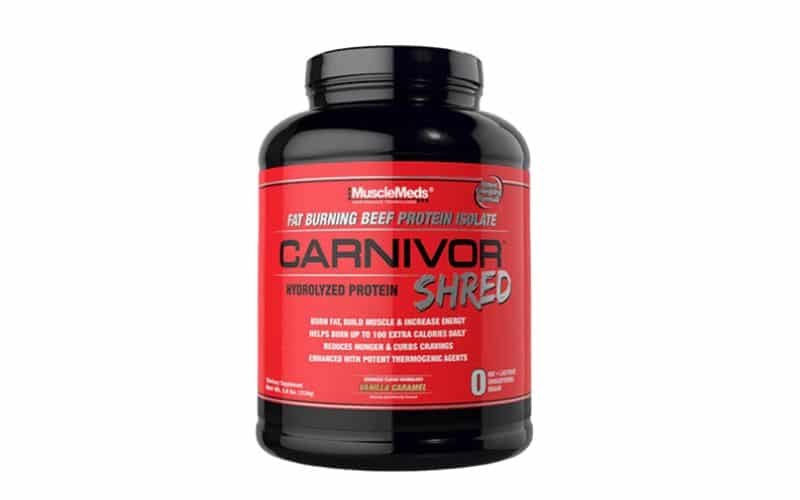
A useful reference point is a product like MuscleMedsRX Carnivor Shred, a whey isolate that lists isolate as its primary protein source rather than a blend padded with cheaper concentrate. Used at a moderate serving size, roughly 20 to 25 grams per scoop rather than stacking two scoops into one large 40 gram shake, many users report noticeably fewer breakouts than at higher single-serving doses. Splitting your daily protein target across two smaller shakes, rather than one large one, is a simple way to apply this without cutting your total intake. Pricing on isolate products in Pakistan varies by brand and package size, so check our isolate protein price guide for current figures before you buy.
On timing, the post-workout window is genuinely useful for recovery, with a 30 to 60 minute window after training being a reasonable target. But timing is a secondary lever. Someone who obsesses over exact timing while ignoring biotin load, sweetener choice, and serving size is optimizing the wrong variable. Get the formula and dose right first, then fit it around your training schedule.
On safety, whey isolate at standard serving sizes is considered safe for most healthy adults. The skin response discussed in this guide is a cosmetic and hormonal sensitivity issue, not a toxicity concern. If you have an existing dairy allergy, a diagnosed hormonal condition, or you are on medication that affects insulin or androgen levels, it is worth speaking with a doctor before making changes to your protein source, since individual hormonal sensitivity varies considerably.
How to Use Whey Isolate to Minimize Acne Risk
Choosing a clean isolate is only part of the strategy. How you consume it matters almost as much as what you choose. A few practical adjustments can meaningfully reduce the hormonal and insulin-driven effects that lead to breakouts, without requiring you to abandon protein supplementation entirely.
- Mix with water, not milk: Milk adds additional lactose, saturated fat, and dairy hormones on top of what is already in your shake. Water as a base removes all of that immediately, and this single change makes a real difference for many people.
- Pair it with fat or fiber: Adding almond butter, avocado, or a handful of berries to your shake slows absorption and blunts the insulin spike. A lower, slower insulin response means less hormonal disruption for your skin.
- Keep servings moderate: Many users report a clear dose-dependent relationship with breakouts, staying clear at smaller servings but reacting at larger ones. Splitting your daily protein across two smaller shakes rather than one large one is a sensible default.
- Support gut health alongside: A quality probiotic and adequate water intake help maintain the gut-skin axis. A disrupted gut microbiome is one of the underappreciated contributors to protein-related breakouts.
The Role of Diet Beyond Your Protein Shake
It would be incomplete to discuss whey isolate and clear skin without zooming out to the full dietary picture. Your protein supplement exists inside a much larger nutritional context, and other factors in your diet can either amplify or dampen the skin effects of whey. Understanding your overall daily nutrition targets is the foundation, since protein supplementation should work within a well-structured diet rather than compensate for a poor one.
High-glycemic foods eaten alongside whey protein compound the insulin spike problem. If your typical post-workout meal includes white rice, sugary sports drinks, or high-GI snacks on top of a whey shake, you are layering multiple insulin triggers on top of each other, and your skin will often reflect that. A lower-glycemic dietary pattern, even while continuing to use whey, can help meaningfully reduce acne severity for some people. Prioritizing whole grains, lean proteins from food, healthy fats, and vegetables around your supplement use creates a more skin-friendly hormonal environment overall.
Supplements That Support Clear Skin Alongside Whey
Several other supplements pair well with a whey isolate routine and can actively support skin health rather than compete with it.
- Omega-3 fatty acids: Research has associated omega-3 supplementation with a reduction in inflammatory acne lesion counts for some individuals. Omega-3s work systemically to reduce inflammatory signaling, a useful counter to the pro-inflammatory effects of whey-driven IGF-1. You can explore omega-3 supplements available in Pakistan to add to your routine.
- Zinc: Zinc plays a role in regulating sebum production and fighting acne-causing bacteria. Low zinc levels are common in people with persistent hormonal acne, and supplementation often produces visible improvement.
- Vitamin C: Beyond immune support, Vitamin C’s role in skin health includes collagen synthesis and antioxidant activity that can help counter the oxidative stress whey protein may trigger in high-sebum environments.
- Collagen peptides: Unlike standard protein powders, collagen directly provides amino acids such as glycine, proline, and hydroxyproline that your skin uses to build its own structure. It will not replace whey for muscle building, but our guide on how long hydrolyzed collagen takes to show skin results is worth reading if you want to add it alongside your protein routine.
When Whey Isolate Isn’t Enough: Skin-Friendly Protein Alternatives
For some people, particularly those with strongly hormonal acne, cystic breakouts, or a high genetic sensitivity to dairy, even the cleanest, lowest-lactose whey isolate will continue to cause problems. This is because the IGF-1 and insulinotropic effects are intrinsic to whey’s dairy origin, not something that can be fully processed away. In these cases, a different protein source is the smarter long-term choice for both your skin and your training goals.
The good news is that plant-based proteins have improved dramatically in quality and taste over the past few years. A well-formulated pea and rice protein blend delivers a complete amino acid profile that compares favorably to whey, without the dairy hormones that drive acne. Plant-based proteins also bring anti-inflammatory compounds that can actively support skin health rather than stressing it. If you want a specific product to start with, the Applied Nutrition Vegan Pro is a widely available pea and rice protein blend on the SportsOne site worth comparing against your current whey isolate.
- Pea protein isolate: Complete amino acid profile, high in leucine for muscle building, generally hypoallergenic, and free of dairy hormones. A strong all-round alternative for gym-goers.
- Brown rice protein: Gentler on digestion than most protein sources, with a good amino acid profile when combined with pea protein. Learn more about brown rice protein benefits here.
- Egg white protein: Dairy-free, complete amino acids, high bioavailability, and generally well tolerated by acne-prone individuals. A strong choice if you want something closer to whey in absorption speed.
- Collagen peptides: As covered above, collagen supports the skin’s own structural proteins. It is best used as a skin-supporting addition to a plant-based protein routine, not a standalone muscle-building replacement.

Making the Right Call for Your Skin and Your Goals
Here is the practical bottom line. There is no single “best whey isolate for clear skin” in the sense of one product that guarantees a breakout-free experience. What exists is a spectrum of smarter and less smart choices, and finding the right one depends on understanding your own skin’s response, not just reading a label.
If your acne is mild, occasional, and appears to worsen only at high protein doses, switching to a clean, unflavored or lightly flavored whey isolate, grass-fed if possible, with no added high-dose biotin or artificial sweeteners, is a reasonable first step. Pair it with water instead of milk, moderate your serving size, add an omega-3 supplement, and give it six to eight weeks to assess real change. If that resolves your skin issues, you have found your answer at a price point you can sustain. You can browse the Best Whey Protein in Pakistan to compare isolate and concentrate options side by side, and check current isolate protein pricing in Pakistan across different brands.
A well-chosen plant-based protein blend, used consistently alongside solid training and a balanced diet, will support muscle building and skin health simultaneously. The best protein supplement is always the one that works for your whole body, including the skin you are living in every day. For personalized guidance on building your supplement stack with skin in mind, SportsOne’s team is available through our contact page, and you can explore the full range of isolated proteins and plant-based proteins available for delivery across Pakistan.
Frequently Asked Questions
Does whey protein actually cause acne?
For some people, yes. Whey protein can raise IGF-1 and insulin levels, which may increase sebum production and trigger breakouts in those who are hormonally sensitive. Not everyone who uses whey experiences this, since genetics and overall diet play a large role.
Is whey isolate better than concentrate for acne-prone skin?
Whey isolate is generally a better choice because it contains far less lactose and fat, which can reduce dairy-related gut and skin irritation. However, it still contains IGF-1 and still raises insulin, so it reduces rather than eliminates the risk of breakouts.
How long does it take to see skin improvement after switching to isolate?
Many people who see improvement notice it within two to six weeks of switching to a clean whey isolate. Giving it six to eight weeks alongside other changes, like mixing with water and moderating serving size, gives a more reliable read on whether it is working.
Does mixing whey isolate with water instead of milk help with acne?
It can help. Milk adds extra lactose, saturated fat, and dairy hormones on top of what is already in whey isolate, so using water as your shake base removes that additional load and is one of the simplest changes to try first.
Are plant-based proteins better than whey for clear skin?
For people with strongly hormonal or cystic acne, plant-based proteins like pea and rice blends are often a better fit, since they contain no dairy hormones or lactose. They also tend to come with anti-inflammatory compounds that whey lacks.

About author

Related posts

For most healthy adults, collagen peptides are well tolerated. The side effects people actually report are mild: a feeling of fullness, bloating, an aftertaste or... Continue reading

The short answer: the best time to take collagen is whichever time you will repeat every single day. Research on hydrolysed collagen peptides has not... Continue reading
Neither is universally better. Marine collagen is often preferred for skin, hair and people who avoid beef, while bovine collagen is usually cheaper and offers... Continue reading
Collagen may help support joint comfort in some people, but the evidence is modest, results are slow, and it is not a substitute for medical... Continue reading
Most people notice their first change from collagen supplements after 4 to 8 weeks, with clearer skin and joint results building between 8 and 12... Continue reading
Add comment