
No products in the cart.
Return To Shop
Who Should Take Amino Acid Supplements? A Complete 2025 Guide
Amino acid supplements are widely used in fitness and wellness, but many people still ask an important question: who should take amino acid supplements and who may not actually need them? With increasing supplement options on the market, understanding the right use is essential for safety, effectiveness, and long-term health.
This guide explains amino acids, their benefits, who can benefit most, and how to use them responsibly based on current nutrition science and real-world fitness needs.
What Are Amino Acids?
Amino acids are the building blocks of protein. They play a vital role in muscle repair, enzyme production, hormone balance, immune function, and overall metabolism. When you eat protein-rich foods, your body breaks them down into amino acids, which are then used to build and repair tissues.
Some amino acids are essential, meaning the body cannot produce them on its own and must obtain them from food or supplements.
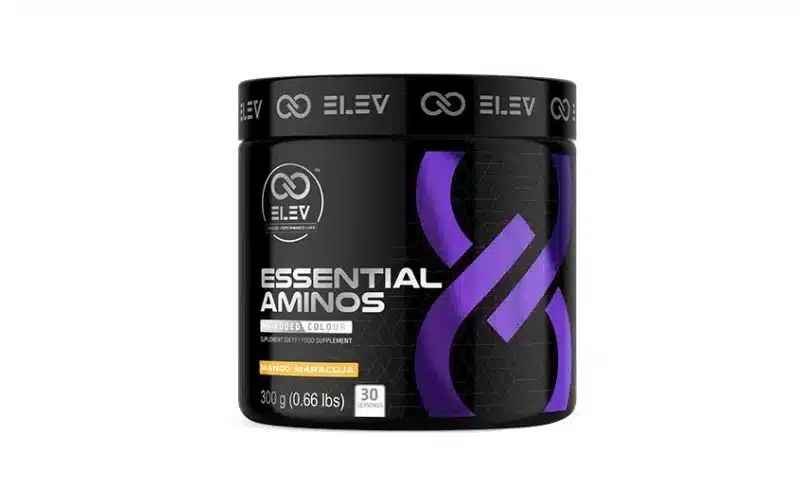
What Is an Amino Acid Supplement?
An amino acid supplement provides one or more amino acids in a concentrated form. These supplements commonly come as powders, capsules, or tablets and may include:
- Essential Amino Acids (EAAs)
- Branched-Chain Amino Acids (BCAAs)
- Single amino acids such as glutamine or arginine
They are often used around workouts or during periods of increased physical or nutritional stress.
Who Should Take Amino Acid Supplements?

This is the most important question and the answer depends on lifestyle, diet, and physical demands.
Athletes and Physically Active Individuals
People who train intensely place repeated stress on their muscles. Amino acid supplements can help support muscle recovery, reduce soreness, and assist muscle protein synthesis, especially when training volume is high or sessions are frequent.
Beginners Starting Exercise or Gym Training
New exercisers often experience muscle soreness and fatigue during the early stages of training. Amino acid supplements may support recovery and help beginners maintain consistency without excessive discomfort.
Older Adults and Aging Populations
As people age, natural muscle loss (sarcopenia) becomes more common. Amino acids, particularly essential amino acids, can support muscle maintenance, strength, and mobility when combined with resistance training.
People on Low-Protein or Calorie-Restricted Diets
Those following strict diets, weight-loss plans, or vegetarian/vegan diets may struggle to meet daily protein needs. In such cases, amino acid supplements can help fill nutritional gaps without adding excessive calories.
Individuals Recovering from Injury or Illness
During recovery, the body’s demand for amino acids increases to support tissue repair and healing. Supplementation may be useful, but professional guidance is recommended in medical situations.
Benefits of Amino Acid Supplements

Muscle Function
Amino acids help repair muscle fibers damaged during exercise and support lean muscle development. Leucine, in particular, plays a key role in triggering muscle protein synthesis.
Sports Performance
During prolonged or intense exercise, amino acids may help delay fatigue, support endurance, and improve workout efficiency when combined with proper nutrition.
Blood Glucose Levels
Certain amino acids play a role in glucose metabolism and insulin signaling, which may help support stable energy levels especially during training or fasting periods.
Skin Conditions
Amino acids are essential for collagen production and tissue repair, contributing to skin health and recovery from minor wounds or skin stress.
Who May NOT Need Amino Acid Supplements?
Not everyone needs supplementation. Individuals who consume enough high-quality protein from whole foods such as meat, eggs, dairy, legumes, and grains may already meet their amino acid requirements.
Sedentary individuals or those with low physical demands may see little added benefit. Supplements should support nutrition, not replace balanced eating.
Side Effects of Amino Acid Supplements
When used responsibly, amino acid supplements are generally well tolerated. However, excessive intake may cause digestive discomfort, nausea, or nutrient imbalance. Taking more than needed does not increase benefits and may strain metabolism.
People with kidney, liver, or metabolic conditions should consult a healthcare professional before use.
What Foods Have Amino Acids?
Amino acids are naturally found in many foods, including:
- Meat, poultry, fish, and eggs
- Milk, yogurt, and cheese
- Lentils, beans, chickpeas
- Soy products and whole grains
Whole foods should always be the foundation of nutrition, with supplements used only when needed.
How to Use Amino Acid Supplements Safely
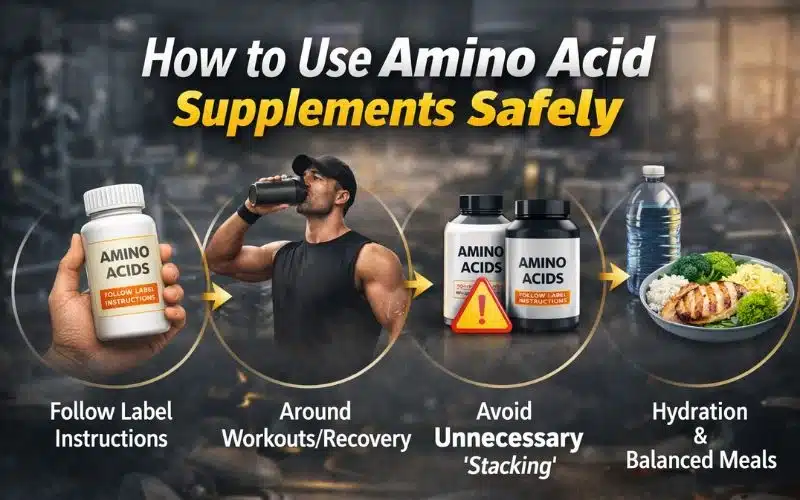
Always follow the label instructions and recommended dosages provided by the manufacturer to avoid excessive intake. Use amino acid supplements mainly around workouts or during recovery periods, when your body needs them most. Avoid stacking multiple amino acid products unnecessarily, as this can lead to imbalance without added benefits. Most importantly, prioritize proper hydration and balanced meals, using supplements only to support not replace a nutritious diet.
Quality matters choosing reputable products from trusted fitness nutrition stores like SportsOne ensures better safety and effectiveness.
FAQs
Who benefits most from amino acid supplements?
Athletes, active individuals, older adults, and people with low protein intake benefit most. Supplements help support recovery, muscle maintenance, and performance when dietary protein alone is insufficient.
Can beginners take amino acid supplements safely?
Yes, beginners can use amino acid supplements in moderate amounts to support recovery. However, they should focus first on proper training, hydration, and balanced meals before relying on supplements.
Are amino acid supplements better than whole protein?
No. Whole protein foods provide complete nutrition, including vitamins and minerals. Amino acid supplements are supportive tools, not replacements for real food.
When should amino acids be avoided?
People with kidney or liver issues, or those meeting protein needs through diet, may not need supplements. Medical advice is recommended for chronic conditions.
Are amino acid supplements safe for daily use?
Daily use is generally safe within recommended limits. Long-term use should align with activity level, diet quality, and individual health needs.
Final Thoughts: Should You Take Amino Acid Supplements?
Understanding who should take amino acid supplements helps you make smarter, safer fitness decisions. They are most useful for active individuals, beginners, older adults, and those with higher nutritional demands but they are not mandatory for everyone.If you’re looking for authentic, high-quality amino acid supplements to support your training and recovery, explore trusted options available at SportsOne, your reliable destination for performance nutrition in Pakistan.
About author

Related posts

For most healthy adults, collagen peptides are well tolerated. The side effects people actually report are mild: a feeling of fullness, bloating, an aftertaste or... Continue reading

The short answer: the best time to take collagen is whichever time you will repeat every single day. Research on hydrolysed collagen peptides has not... Continue reading

Neither is universally better. Marine collagen is often preferred for skin, hair and people who avoid beef, while bovine collagen is usually cheaper and offers... Continue reading

Collagen may help support joint comfort in some people, but the evidence is modest, results are slow, and it is not a substitute for medical... Continue reading

Most people notice their first change from collagen supplements after 4 to 8 weeks, with clearer skin and joint results building between 8 and 12... Continue reading
Add comment