No products in the cart.
Return To Shop
FREE DELIVERY On Orders Above Rs. 2000
100% Guaranteed Original Products

0
0
Shopping cart (0)
Subtotal: ₨ 0
Spend ₨ 2,000 to get free shipping
Congratulations! You've got free shipping.
TOTAL WAR PREWORKOUT
₨ 9,200
SHAABOOM PUMP 385G
₨ 8,500
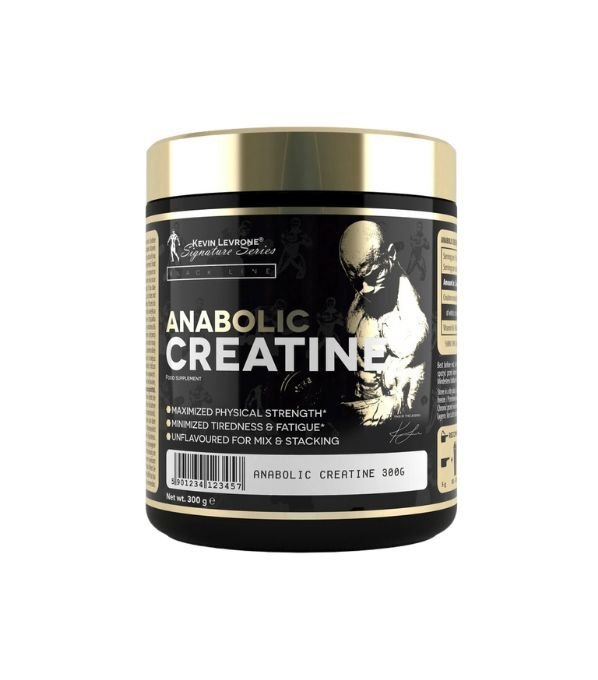
ANABOLIC CREATINE 300g


₨ 6,400
- 60 Serving
- Added Vitamin B6
- Authenticity Guaranteed

Follow for Exclusive Offers & Discounts
Estimated delivery:3 - 7 days
Our Services
FREE DELIVERY
(On Orders Above Rs. 2000)
CALL US
+92 42 368 15 429
GREAT VALUE
We Offer Competitive Prices
AUTHENTICITY
100% Guaranteed Original Products
Categories: Creatine, STRENGTH & RECOVERY
Tag: KEVIN LEVRONE

Strength Power
Improve Gym Performance

Performance Boost
Supports Explosive Power

Muscle Volume
Enhance Muscle Fullness
Kevin Levrone Anabolic Creatine 300g – 3g Creatine Monohydrate + 1.4mg Vitamin B6, EFSA-Validated
Kevin Levrone Anabolic Creatine is a two-ingredient formula from the Kevin Levrone Signature Series. It combines pure creatine monohydrate with Vitamin B6 (Pyridoxine Hydrochloride). Each serving provides 3g of creatine monohydrate and 1.4mg of Vitamin B6. A 300g container delivers 60 servings. The formula contains no sugar, fillers, or flavouring.
The product is designed around the EFSA-validated daily intake of 3g of creatine. This daily dose is proven to increase physical performance during successive bursts of short-term, high-intensity exercise. It is one of the few sports nutrition performance claims supported by independent regulatory scientific validation.
Vitamin B6 sets Anabolic Creatine apart from standard creatine monohydrate products. It contributes to normal energy-yielding metabolism. It also helps reduce tiredness and fatigue while supporting the regulation of hormonal activity. These are all approved EU health claims.
Kevin Levrone Anabolic Creatine is available at Sports One as part of the Kevin Levrone range in Pakistan. It is also featured within the store’s creatine supplement collection.
Within the Kevin Levrone range at Sports One, Anabolic Creatine combines creatine’s phosphocreatine system with Vitamin B6 support. Creatine helps regenerate ATP during high-intensity exercise. Vitamin B6 supports enzymes involved in converting carbohydrates, fats, and proteins into usable energy. Together, they support both training performance and efficient energy metabolism.
The sugar-free formula suits every training phase. It is ideal for muscle-building, maintenance, or fat-loss diets. The absence of sugar also helps those managing calorie intake or limiting unnecessary carbohydrates.
Who Should Use It
- Athletes and gym-goers at all experience levels who want the EFSA-validated 3g daily creatine dose with the added metabolic support of Vitamin B6 in a single product
- Women and men alike — Kevin Levrone specifically positions Anabolic Creatine for both, including recreational athletes and beginners as well as competitive bodybuilders
- Athletes in fat loss or caloric restriction phases who want creatine’s performance benefits without any sugar or caloric contribution from their supplement
- Those who want a Kevin Levrone brand creatine product consistent with other Kevin Levrone products in their stack
- Athletes who specifically want the Vitamin B6 hormonal regulation and glycogen metabolism benefits alongside their daily creatine
Complete Your Stack
Anabolic Creatine covers the phosphocreatine strength and B6 metabolic support dimensions. Post-workout, Kevin Levrone Gold Whey protein provides the complete protein dose for muscle recovery and synthesis within the same brand ecosystem. A pre workout supplement in Pakistan on training days covers the energy and focus dimension. Explore the full Kevin Levrone range at Sports One for mass gainers, BCAAs, and the complete Kevin Levrone product family.
Supplement Facts — Kevin Levrone Anabolic Creatine 300g
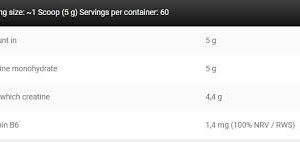
Serving size: 1 level scoop (approximately 3g). Servings per container: 60. Net weight: 300g.
Nutrient | Per Serving (3g) | % Reference Intake (EU) |
Calories | 0 kcal | — |
Total Fat | 0g | 0% |
Total Carbohydrates | 0g | 0% |
Sugar | 0g | 0% |
Creatine Monohydrate | 3,000mg (3g) | Daily Value not established |
Vitamin B6 (as Pyridoxine Hydrochloride) | 1.4mg | 100% EU Reference Intake |
All doses confirmed from NutriRide, Med7Online, Alpha Nutrition, and DrFit Store authorised retailer listings, corroborated by Swole Spartan and FitHealthy.eu. 3g creatine monohydrate per serving is confirmed as the EFSA daily beneficial effect threshold dose — the amount at which creatine increases physical performance in successive bursts of short-term, high-intensity exercise per the approved EU health claim. 1.4mg Vitamin B6 at 100% EU Reference Intake is confirmed from NutriRide. Client to verify from the physical product label stocked at Sports One before publishing.
Ingredients
Creatine Monohydrate, Vitamin B6 (Pyridoxine Hydrochloride).
Two active ingredients only. Zero fillers, zero sugar, zero flavouring agents, zero artificial colours. Tasteless and odourless — suitable for mixing into any beverage without affecting taste. The composition does not contain sugar, making it suitable for use during weight loss and fat tissue reduction phases alongside regular training.
Why This Two-Compound Combination
Compound | Mechanism | EU-Confirmed Health Claim |
Creatine Monohydrate (3g) | Expands phosphocreatine pool for faster ATP regeneration during maximal-effort bursts. Enables more reps before PCr depletion, greater total training volume, and progressive strength adaptation across a training block. | EFSA approved: “Creatine increases physical performance in successive bursts of short-term, high-intensity exercise” — beneficial effect at 3g daily. One of the only sports nutrition performance claims to receive EU regulatory scientific validation. |
Vitamin B6 (1.4mg, 100% RI) | Pyridoxine HCl is a cofactor in over 100 enzymatic reactions including amino acid metabolism, neurotransmitter synthesis, glycogen phosphorylase (glycogen-to-glucose conversion), and steroid hormone receptor sensitivity regulation. | EU confirmed: supports normal energy-yielding metabolism, reduces tiredness and fatigue, supports normal nervous system function, and contributes to regulation of hormonal activity. All four are EU-authorised health claims for Vitamin B6. |
Key Benefits of Kevin Levrone Anabolic Creatine 300g
Anabolic Creatine’s two-compound formula operates across two distinct performance systems — creatine’s phosphocreatine energy mechanism for acute training output, and Vitamin B6’s enzymatic metabolic support for sustained energy production, fatigue management, glycogen utilisation, and hormonal regulation across the full training block. The combination addresses both the explosive single-session performance dimension and the sustained metabolic efficiency dimension that individually targeted creatine-only or B6-only supplementation cannot cover simultaneously.
EFSA-Validated Creatine Performance Claim at the Regulatory Threshold Dose
Creatine increases physical performance in successive bursts of short-term, high-intensity exercise — beneficial effect is obtained with a daily intake of 3g of creatine. This EFSA-approved health claim is one of the very few sports nutrition performance claims to have passed independent government-level scientific evaluation, and Kevin Levrone Anabolic Creatine is specifically formulated at the 3g daily threshold dose where this regulatory validation applies. Each serving of Anabolic Creatine provides exactly the dose at which independent regulatory scientists confirmed the performance benefit — no more is needed per serving to meet the validated threshold, and no less would leave the regulatory claim unsupported.
Vitamin B6 and Normal Energy-Yielding Metabolism
Vitamin B6 at 1.4mg (100% EU Reference Intake) serves as a cofactor for the aminotransferases that metabolise amino acids for energy, the phosphorylase enzymes that convert glycogen to glucose for exercise fuel, and multiple steps in the citric acid cycle that powers mitochondrial ATP production. The EU-confirmed health claim that Vitamin B6 “supports normal energy-yielding metabolism” reflects this broad enzymatic role across all three macronutrient energy pathways. For athletes in training, maintaining B6 at 100% Reference Intake per day specifically ensures the full enzymatic capacity of the energy metabolism system is available — deficiency in B6 impairs the efficiency of energy extraction from carbohydrates, protein, and fat simultaneously.
Vitamin B6 and Reduction of Tiredness and Fatigue
The EU-authorised health claim that Vitamin B6 contributes to the reduction of tiredness and fatigue operates through multiple mechanisms: B6’s role in serotonin and dopamine synthesis (neurotransmitters that regulate mood and mental fatigue), its cofactor function in haemoglobin synthesis (affecting oxygen-carrying capacity and aerobic energy production), and its general role in ensuring efficient energy metabolism from all macronutrient sources. For athletes who train frequently and intensely, the cumulative fatigue between sessions is specifically where B6’s anti-fatigue contribution is most practically meaningful — the daily 1.4mg in Anabolic Creatine addresses the regular B6 requirement that high training loads specifically elevate.
Creatine and Glycogen Resynthesis — Dual Mechanism with B6
Creatine monohydrate has been studied for its role in glycogen resynthesis following high-intensity exercise — some research indicates that creatine supplementation supports carbohydrate storage in muscle glycogen beyond what exercise recovery alone produces. Vitamin B6 contributes to normal glycogen metabolism specifically through its role as a cofactor for glycogen phosphorylase, the enzyme that mobilises glycogen stores during exercise. Together, creatine’s potential to support glycogen replenishment and B6’s direct role in glycogen mobilisation create a complementary glycogen management system — creatine potentially supporting post-workout glycogen storage and B6 supporting glycogen release efficiency during training.
Vitamin B6 and Regulation of Hormonal Activity
The EU-authorised health claim that Vitamin B6 “has a beneficial effect on regulation of hormonal activity” reflects the vitamin’s role in steroid hormone receptor sensitivity modulation. B6 interacts with steroid hormone receptors including the androgen receptor, oestrogen receptor, and glucocorticoid receptor — influencing how sensitively these receptors respond to their respective hormones. For athletes specifically, this hormonal regulation dimension is relevant to testosterone receptor sensitivity (impacting the anabolic response to training), cortisol receptor sensitivity (impacting the catabolic stress response to heavy training loads), and oestrogen receptor sensitivity (relevant for female athletes managing hormonal health during intense training periods). The 1.4mg B6 per serving covers the regulatory threshold for this EU-confirmed hormonal activity claim.
Antioxidant Potential from Creatine
Kevin Levrone’s official Anabolic Creatine product description specifically notes that “some scientific work indicates that creatine may exhibit antioxidant potential.” Research has documented creatine’s ability to scavenge reactive oxygen species through mechanisms related to its guanidinium group structure, with some studies showing reduced oxidative stress markers in creatine-supplemented athletes. This antioxidant dimension adds a recovery support aspect beyond the phosphocreatine energy mechanism — protecting muscle cell membranes from exercise-induced oxidative damage that slows recovery between sessions.
Suitable for All Genders, All Training Levels, and Fat Loss Phases
Kevin Levrone specifically positions Anabolic Creatine for women and men alike, recreational exercisers and competitive athletes, and those in weight loss phases as well as muscle-building phases. The zero-sugar, zero-calorie formula means no impact on caloric or carbohydrate management during any dietary phase. The 3g daily dose at the EFSA beneficial effect threshold is appropriate for beginners using creatine for the first time through to elite athletes who have supplemented creatine for years. Creatine monohydrate’s safety record covers all healthy adult populations regardless of gender, age, or training level, and the 1.4mg Vitamin B6 is at 100% Reference Intake — a safe and well-tolerated daily dose for the full population range the product targets.
60 Servings — Two Full Months of Daily Supplementation
At one 3g serving per day including rest days, the 300g container provides exactly 60 days — two full months of continuous creatine and B6 supplementation from a single purchase. The 3g per serving at 60 servings means the container covers a complete training mesocycle with meaningful buffer at a practical cost-per-serving. Compared to a 5g-per-serving product from a 300g container (which would yield only 60 servings at the higher dose), Kevin Levrone’s 3g per serving protocol specifically extends the container supply while meeting the EFSA threshold dose daily — a practical formulation choice that balances the regulatory effective dose with an accessible serving size that maximises container lifespan.
How to Use Kevin Levrone Anabolic Creatine
Kevin Levrone’s recommended protocol for Anabolic Creatine is simple and consistent with the EFSA-validated daily dose: one level scoop (3g) mixed with water daily. Daily consistency — including on rest days — is the most important factor for maintaining full phosphocreatine saturation and the continuous B6 enzymatic support that both compounds provide.
Preparation Instructions
Mix one level measuring scoop (approximately 3g) with 250ml of cold water or another beverage that does not contain caffeine. Stir or shake until fully dissolved. The powder is tasteless and odourless — completely invisible in any beverage, including protein shakes, juice, or milk. Consume once daily. For the EFSA beneficial effect to apply, a daily intake of 3g of creatine must be maintained consistently over time.
Timing Options
- Before training: Kevin Levrone’s suggested timing is before your workout — allowing the 3g creatine dose to be available during the training session. Mix with 250ml of water or a non-caffeinated beverage.
- After training: The post-workout window is also effective, particularly for glycogen resynthesis support alongside post-workout nutrition. Add directly to a Kevin Levrone Gold Whey protein shake for a combined post-workout recovery serving.
- Rest days: Take one serving at any time during the day — morning is the most practical rest-day approach. Daily rest-day dosing is essential for maintaining the continuous phosphocreatine saturation that produces and sustains the formula’s performance benefits.
Optional Loading Phase
For athletes who want to reach full phosphocreatine saturation faster: take one scoop (3g) four times daily for the first 5-7 days (12g total daily), then reduce to the standard one-scoop daily maintenance dose. The loading phase accelerates saturation to approximately one week versus the 3-4 week gradual saturation timeline at 3g daily maintenance only. At 3g x 4 servings = 12g daily loading (versus the standard 20g loading protocol for 5g products), this is a moderate loading approach consistent with the Kevin Levrone recommended daily intake.
Use During Weight Loss and Fat Reduction
Kevin Levrone specifically states that the zero-sugar formula “makes it possible to use the preparation during weight loss and fat tissue reduction.” On a calorie-restricted diet, creatine maintains training performance by sustaining phosphocreatine-driven ATP output during sessions where reduced carbohydrate availability might otherwise impair explosive effort. Vitamin B6’s glycogen metabolism support is particularly relevant during caloric restriction when efficient glycogen utilisation from limited carbohydrate stores becomes specifically important for maintaining training quality.
Recommended Stack
Anabolic Creatine integrates into the full Kevin Levrone range at Sports One. Add to Kevin Levrone Gold Whey post-workout, use alongside a pre workout supplement in Pakistan on training days, and supplement with a vitamin supplement in Pakistan for complete daily micronutrient coverage beyond the B6 already in Anabolic Creatine.
Storage Instructions
Store in a cool, dry place away from direct sunlight. Keep the container tightly sealed after every use. Do not refrigerate. Keep out of reach of children. Do not use beyond the expiry date on the label.
Warnings
Do not exceed the recommended daily dose. Food supplements should not be used as a substitute for a varied diet. A varied and balanced diet and a healthy lifestyle are recommended alongside supplementation. After supplement consumption, a weight increase may be observed — this reflects normal, expected intramuscular water retention and is not fat. Not for use by persons under 18 years of age. Not for pregnant or nursing women. Consult a physician before use if you have any medical condition. Keep out of reach of children.
Why Buy Kevin Levrone Anabolic Creatine from Sports One
Sports One International has been one of Pakistan’s most trusted importers of premium sports nutrition supplements since 2002. Every unit of Kevin Levrone Anabolic Creatine 300g sold through Sports One is 100% genuine, properly imported, and backed by official Kevin Levrone Signature Series distributor agreements. Kevin Levrone Signature Series is named after one of the most decorated professional bodybuilders in IFBB history — a brand built on competitive credibility, and one where the quality of what is in the container is specifically tied to the reputation of the person whose name is on the label. Know how to verify original imported supplements in Pakistan before purchasing anywhere, and understand why suspiciously low prices signal serious product risk. Find us in Lahore, Karachi, Islamabad, and Gujranwala or order online with fast nationwide delivery.
The Science Behind Kevin Levrone Anabolic Creatine
Anabolic Creatine’s formula draws on the most extensively researched compound in sports nutrition (creatine monohydrate) and one of the most EU-comprehensively health-claim-validated vitamins (B6), combining two independently confirmed performance and health mechanisms in a formula specifically calibrated at the EFSA-approved threshold dose for both compounds.
Creatine and the EFSA Performance Claim: The Regulatory Evidence
The European Food Safety Authority reviewed the creatine literature and issued a positive scientific opinion approving the health claim that creatine increases physical performance in successive bursts of short-term, high-intensity exercise, with the beneficial effect established at a daily intake of 3g. Published at EFSA Journal (doi:10.2903/j.efsa.2011.2303), this opinion confirms creatine monohydrate as the most regulatory-validated performance supplement available in the EU market. The ISSN Position Stand on creatine, published in the Journal of the International Society of Sports Nutrition, additionally confirms creatine monohydrate as the most effective ergogenic nutritional supplement for high-intensity exercise performance, with over 500 peer-reviewed studies supporting its safety and efficacy.
Vitamin B6 and the EU Authorised Health Claims
Vitamin B6 (Pyridoxine) carries four EU-authorised health claims confirmed by the European Food Safety Authority, each supported by independent scientific evaluation: (1) contribution to normal energy-yielding metabolism, (2) reduction of tiredness and fatigue, (3) support for normal nervous system function, and (4) contribution to regulation of hormonal activity. These claims are confirmed in the EU Nutrition and Health Claims Register and are specifically based on pyridoxine’s cofactor roles in the enzymatic reactions covering amino acid metabolism (transaminase enzymes), glycogen utilisation (glycogen phosphorylase), haemoglobin synthesis (delta-aminolevulinic acid synthase), and steroid receptor binding sensitivity. At 1.4mg per serving meeting 100% of the EU Reference Intake, Anabolic Creatine provides the full daily B6 dose at which all four EU health claims are specifically applicable.
Vitamin B6, Glycogen Metabolism, and Creatine: A Complementary Relationship
Vitamin B6’s role as the cofactor for glycogen phosphorylase — the enzyme that catalyses glycogen breakdown to glucose-1-phosphate during exercise — creates a specific complementary relationship with creatine’s documented role in glycogen resynthesis. Research reviewed in the Proceedings of the Nutrition Society (PubMed PMID 11088704) confirmed creatine supplementation’s role in supporting muscle glycogen storage following exercise. The combination of creatine supporting glycogen replenishment post-workout and Vitamin B6 supporting glycogen mobilisation during the subsequent training session creates a glycogen management system that spans both directions of the glycogen cycle — storage and release — within a single daily supplement serving.
Creatine and the Strength and Mass Meta-Analytic Evidence
A meta-analysis published in the British Journal of Sports Medicine covering 49 randomised controlled trials confirmed that creatine supplementation combined with resistance training produces significantly greater lean muscle mass and strength gains than equivalent training without creatine. This confirms the client brief’s specific claims that “some studies indicate that the use of creatine during strength training promotes increased lean muscle mass and strength” — a conservative accurate framing that appropriately reflects the broad scope of evidence rather than overstating a single study’s findings.
Vitamin B6 and Steroid Hormone Receptor Regulation
Research reviewed at the NIH National Library of Medicine (PMC5590848) confirmed Vitamin B6’s interaction with steroid hormone receptors, specifically documenting its role in modulating androgen receptor, glucocorticoid receptor, and oestrogen receptor sensitivity. The EU health claim for hormonal regulation reflects this receptor-level interaction. For athletes specifically, androgen receptor sensitivity modulation has specific relevance to the anabolic response to testosterone during training, and glucocorticoid receptor modulation relates to the management of cortisol-driven catabolism during heavy training loads — mechanisms that athletes supplementing for performance benefit from having appropriately supported through consistent B6 intake.
Creatine’s Antioxidant Potential: The Emerging Research
Research published in the International Journal of Sport Nutrition and Exercise Metabolism (PubMed PMID 18652082) found that creatine supplementation reduced exercise-induced oxidative stress markers in athletes, providing evidence for the antioxidant potential claim included in Kevin Levrone’s official Anabolic Creatine product description. The mechanism is attributed to creatine’s guanidinium group structure, which can directly scavenge superoxide and peroxynitrite radical species — reactive oxygen species generated during high-intensity exercise that otherwise contribute to muscle damage and post-exercise soreness. This antioxidant dimension is specifically relevant for athletes training at high frequency where oxidative stress accumulation between sessions would otherwise slow recovery.
Frequently Asked Questions — Kevin Levrone Anabolic Creatine 300g
What is Kevin Levrone Anabolic Creatine used for?
Kevin Levrone Anabolic Creatine is a two-ingredient supplement — creatine monohydrate (3g) and Vitamin B6 as Pyridoxine HCl (1.4mg, 100% EU Reference Intake) — used to increase physical performance in successive bursts of short-term, high-intensity exercise (EFSA-validated creatine claim at 3g daily) while supporting normal energy-yielding metabolism, reducing tiredness and fatigue, and contributing to regulation of hormonal activity (EU-confirmed Vitamin B6 claims). Zero sugar, zero fillers, 60 servings per 300g container. Suitable for women and men, recreational and competitive athletes, and use during fat loss and weight management phases.
What is the Kevin Levrone Anabolic Creatine price in Pakistan?
For the current Kevin Levrone Anabolic Creatine 300g price in Pakistan, visit the Sports One product page directly. For a broader comparison of creatine supplements in Pakistan across all brands and formulas, the Sports One creatine range covers all available options. For other products in the Kevin Levrone range, visit the Kevin Levrone range page at Sports One.
Why does Anabolic Creatine include Vitamin B6?
Vitamin B6 is included because it specifically enhances several dimensions of the training and recovery process that creatine alone does not address. B6 supports normal energy-yielding metabolism (the enzymatic conversion of carbohydrates, protein, and fat into cellular energy), reduces tiredness and fatigue (through neurotransmitter and haemoglobin synthesis support), contributes to normal glycogen metabolism (as cofactor for glycogen phosphorylase), and has a beneficial effect on regulation of hormonal activity (through steroid hormone receptor sensitivity modulation). All four are EU-authorised health claims backed by independent regulatory science. For athletes who want the creatine performance foundation paired with comprehensive metabolic and hormonal support in a single daily supplement, the B6 addition is specifically meaningful beyond being a label differentiator.
Is Anabolic Creatine suitable for women?
Yes. Kevin Levrone specifically states the product is recommended for women and men alike, including recreational exercisers at all levels. Creatine monohydrate’s safety and efficacy across female athletes is well-documented in the published literature — women respond to creatine supplementation with equivalent performance and lean mass benefits to men at equivalent relative doses. Vitamin B6’s hormonal regulation benefit is specifically relevant to female athletes managing hormonal health during intense training periods. The zero-sugar, zero-calorie formula is also appropriate for any dietary management approach.
Can I use Anabolic Creatine during a fat loss phase?
Yes. Kevin Levrone specifically states that the zero-sugar composition “makes it possible to use the preparation during weight loss and fat tissue reduction.” Creatine monohydrate at 3g daily maintains training performance and lean muscle mass during caloric restriction — preserving the training quality and muscle protein that dieting athletes specifically risk losing without creatine support. The zero-sugar, zero-calorie formula contributes nothing to daily caloric totals and does not need to be tracked in dietary management. Vitamin B6’s glycogen metabolism support is additionally practical during low-carbohydrate or calorie-restricted phases where efficient use of limited glycogen stores is specifically important.
How does Anabolic Creatine compare to other creatines at Sports One?
Within the Sports One creatine range: Applied Nutrition Creatine is Informed Sport batch-tested and Halal-certified. Sanaxium Premium Gold Creatine is Halal-certified pharmaceutical-grade. MuscleTech Platinum Creatine is HPLC-tested at 5g per serving with clinical study data. Ultimate Nutrition Creatine is the heritage American brand pure creatine at best value-per-gram. Labrada CreaLean is independently lab assayed with the Lee Labrada quality guarantee. Kevin Levrone Anabolic Creatine is the EU-registered sports supplement brand creatine enriched with Vitamin B6 at 100% EU Reference Intake — the only two-compound creatine-plus-B6 formula in the Sports One range, specifically positioned for athletes who want the hormonal, energetic, and fatigue-reduction benefits of B6 alongside their daily creatine in a single product.
How long does the 300g container last?
At one 3g serving per day including rest days, the 300g container provides exactly 60 days — two full months of continuous daily supplementation. At training days only (five per week), the container lasts approximately 12 weeks. Daily rest-day dosing is specifically recommended by Kevin Levrone and by creatine research consensus to maintain phosphocreatine saturation between training sessions — the standard two-month calculation at seven days per week is the most accurate practical duration estimate for athletes who follow the full daily protocol.
Do I need to do a loading phase?
No. The standard daily maintenance dose of 3g achieves full phosphocreatine saturation over approximately 3-4 weeks without a loading phase. The optional loading phase (one scoop four times daily for 5-7 days) accelerates saturation to approximately one week at 12g total daily loading. Both approaches reach the same ultimate saturation level — loading simply shortens the timeline to full performance benefit by 2-3 weeks. Athletes who want performance benefits as quickly as possible should load; athletes who prefer simplicity can skip loading and expect full results within the first month of consistent daily use.