
No products in the cart.
Return To Shop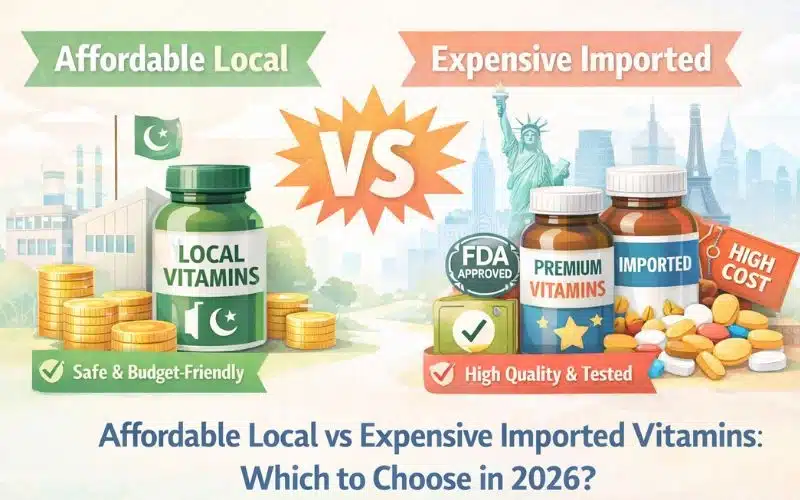
Affordable Local vs Expensive Imported Vitamins: Which to Choose in 2026?
Choosing between affordable local vitamins and expensive imported vitamins has become a common dilemma for health-conscious consumers in Pakistan. Walk into any supplement store or browse online, and you’ll notice a massive price gap between local vitamin bottles costing a fraction of imported ones. This naturally raises the question: are imported vitamins genuinely better, or are local options good enough?
The answer isn’t black and white. It depends on quality, purpose, safety, and how informed your buying decision is. Let’s break it down clearly and practically.
Understanding the Real Difference Between Local and Imported Vitamins
The core difference lies not just in price, but in manufacturing standards, ingredient sourcing, and quality control.
Imported vitamins are usually produced in facilities following strict GMP (Good Manufacturing Practices) with batch-level testing, stable formulations, and documented absorption rates. Local vitamins, on the other hand, vary widely; some are responsibly manufactured, while others compromise on raw material quality or transparency to keep costs low.
This difference directly affects consistency, absorption, and safety.
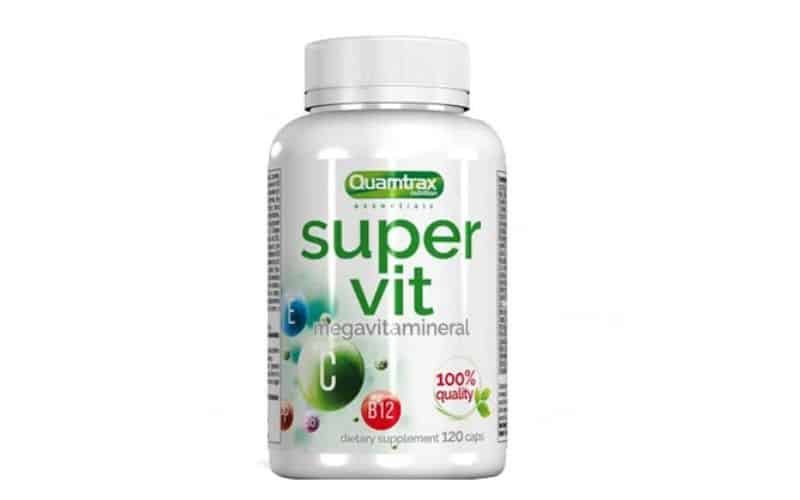
NutraKey: A Budget-Friendly Imported Option
Not all imported vitamins are ultra-premium or overpriced. Brands like NutraKey sit in a middle ground of international manufacturing standards without the extreme branding markup.
NutraKey appeals to consumers who want:
- Imported quality
- Reliable ingredient sourcing
- Better absorption than most local options without paying luxury supplement prices.
This makes it a strong example that “imported” doesn’t always mean unaffordable.
Strategies to Make Imported Vitamins More Affordable
If you prefer imported vitamins but are concerned about cost, smart purchasing decisions can significantly reduce expenses without compromising quality. Many users overspend simply because they focus on branding instead of nutritional efficiency.
- Buy during seasonal sales or bundle offers from authorized sellers
- Always calculate cost per serving, not just the bottle price
- Avoid heavily overdosed “marketing formulas” with unnecessary ingredients
- Purchase only essential vitamins based on actual health needs, not trends
By assessing nutrient value and absorption rather than hype, imported vitamins can become far more affordable and practical for long-term use.
Imported Vitamins Price Comparison (Pakistan Market)
In Pakistan, imported vitamins generally fall into clear price tiers, with entry-level imported brands offering mid-range affordability, premium clinical brands costing significantly more, and sports nutrition vitamins priced according to bioavailability and formulation quality. What you’re paying for isn’t just the label, but verified testing, ingredient stability, absorption reliability, and consistent dosage accuracy that supports safer, more predictable health outcomes over long-term use.
Local Vitamins in Pakistan: What’s Available?
Local vitamin brands are widely accessible and budget-friendly. They’re often chosen by:
- Students
- First-time supplement users
- Families on a fixed budget
Some local brands meet acceptable standards, but others may:
- Use lower-grade raw materials
- Lack independent lab testing
- Provide unclear dosage transparency
This inconsistency is why users report mixed results.
Affordable Local vs Expensive Imported Vitamins: Quality Comparison

Here’s where the real distinction becomes clear:
- Imported vitamins usually offer higher bioavailability, meaning your body absorbs and uses more of the nutrient.
- Local vitamins may meet label claims but often rely on cheaper forms that absorb poorly.
In simple terms:
A cheaper vitamin isn’t always ineffective, but an expensive one is often more efficient per dose.
Results & Effectiveness: Do Expensive Imported Vitamins Work Better?
Users often report faster or more noticeable results with imported vitamins especially for:
This doesn’t mean local vitamins never work. For mild deficiencies or maintenance, local options can be sufficient. For clinical deficiencies, imported formulations usually perform better due to superior absorption.
Safety, Testing & Certifications: What Matters More Than Price
This is where imported vitamins consistently stand out.
Look for:
- GMP certification
- Batch numbers & expiry dates
- Halal compliance
- Clear ingredient forms
Some local vitamins skip third-party testing, which raises safety concerns especially for long-term use.
Price Difference: Is It Worth Paying More for Imported Vitamins?
Ask yourself:
- Is this for daily health maintenance or deficiency correction?
- Will I use this long term?
- Do I need fast, reliable results?
If the answer is yes, imported vitamins often justify their price through better nutrient utilization, not just branding.
When Should You Choose Local Vitamins?
Local vitamins can be a smart choice when your budget is limited, supplementation is short term, brand credibility has been carefully verified, and no severe deficiencies are present. They are not automatically “bad,” but they do require greater caution, label scrutiny, and realistic expectations regarding absorption, consistency, and long-term effectiveness.
When Imported Vitamins Are the Smarter Choice

Imported vitamins are usually the better choice when supplementation is doctor-recommended, absorption issues exist, you are an athlete or highly active, or when consistent and measurable results are required. In such cases, cutting costs can compromise effectiveness, nutrient uptake, recovery, and long-term health outcomes, making quality and formulation far more important than short-term savings.
Common Myths About Cheap vs Expensive Vitamins
- Imported vitamins are always superior
- Local vitamins are always fake
- Higher price guarantees better health
The truth lies in formulation quality, testing, and transparency.
Red Flags to Watch for in Any Vitamin Supplement
Regardless of origin, avoid products with:
- No batch or expiry details
- Unrealistic health claims
- Poor labeling
- Unknown sellers
Fake imported vitamins are just as risky as poor-quality local ones.
How to Decide: A Simple Buyer Checklist (2026 Edition)
Before buying, ask:
- What deficiency am I addressing?
- How long will I use it?
- Is absorption important?
- Is the brand transparent?
This checklist matters more than country of origin.
Conclusion: Affordable Local vs Expensive Imported Vitamins – Which Should You Choose in 2026?
There’s no universal winner. Affordable local vitamins can work for basic needs and tight budgets, while expensive imported vitamins often deliver better absorption, safety, and consistency especially for serious health goals.
The smartest choice isn’t emotional or price-driven, it’s informed.
Whether you’re evaluating affordable local vs expensive imported vitamins which to choose for daily wellness, athletic performance, or doctor-recommended supplementation, SportsOne helps you make an informed choice without the risk of counterfeits. Explore trusted brands, transparent labels, and expert-backed options today because when it comes to affordable local vs expensive imported vitamins which to choose, quality and safety should always come first. Shop with confidence at SportsOne Pakistan.
FAQs: Affordable Local vs Expensive Imported Vitamins
Are local vitamins safe in Pakistan?
Some local vitamins are safe if they follow GMP standards, provide batch numbers, expiry dates, and transparent ingredient labels. Always verify manufacturer credibility before long-term or daily use.
Why are imported vitamins expensive?
Imported vitamins cost more due to strict quality control, third-party lab testing, superior ingredient forms, higher bioavailability, regulatory compliance, and import duties, ensuring consistent potency and safety.
Can affordable vitamins still be effective?
Yes, affordable vitamins can be effective for general wellness or mild deficiencies, especially when used short term. However, results may vary depending on ingredient quality, absorption rate, and formulation strength.
How do I avoid fake imported vitamins?
Avoid counterfeit supplements by purchasing from authorized sellers, checking batch numbers, verifying expiry dates, inspecting packaging quality, and avoiding prices that seem unrealistically low compared to market rates.
Which is better for daily use?
Daily use depends on your health goals and absorption needs. Imported vitamins suit deficiencies and long-term use, while verified local vitamins may work for basic maintenance and budget-conscious users.


Related posts
Most fitness goals fit neatly into one of two camps: bulking or cutting. But a growing number of athletes, natural lifters, and everyday gym-goers want... Continue reading

Most people walk into the gym, train hard, and then reach for a single scoop of whey right after. That routine works , but it... Continue reading

If you have been searching for a protein supplement that actually supports fat loss while keeping your hard-earned muscle intact, clear whey isolate might be... Continue reading

For Pakistani women struggling with being underweight, the journey to healthy weight gain can feel overwhelming. Between cultural expectations, busy schedules, and conflicting nutrition advice,... Continue reading

Joint pain has become increasingly common among Pakistanis, affecting people across all age groups, from young athletes recovering from injuries to elderly individuals dealing with... Continue reading
Add comment