
No products in the cart.
Return To Shop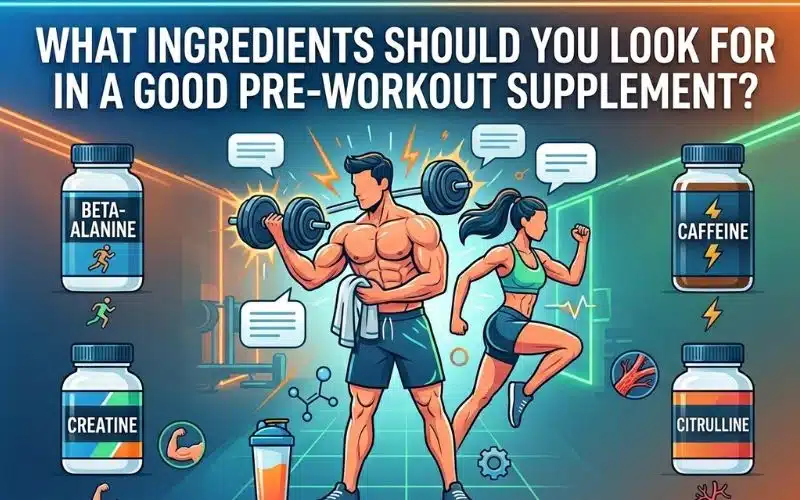
Best Pre-Workout Ingredients for Performance in 2026
Last Updated August 2026
A good pre-workout supplement should contain ingredients that are backed by research, clearly listed with their exact doses on the label, and matched to what your training actually demands. The core ingredients worth looking for are caffeine, creatine monohydrate, citrulline malate, beta-alanine, taurine, tyrosine, and BCAAs or EAAs. Everything else is either a bonus or a red flag depending on how it is disclosed.
Why Most Pre-Workouts in Pakistan Fall Short
The Pakistani supplement market carries a wide range of pre-workout supplements in Pakistan, but quality varies enormously. Many products rely heavily on caffeine and proprietary blends, which means the label lists a total blend weight without disclosing how much of each ingredient is actually present per serving. This makes it impossible to know whether you are getting an effective dose of anything or just a lot of filler held together by a strong caffeine kick.
Understanding exactly which ingredients matter and what doses they need to be present at is the only way to evaluate whether a pre-workout is worth buying or not. The name on the tub and the marketing language around it are irrelevant. What is inside and how much of it is what determines whether it actually does anything useful during a training session.

Caffeine: The Most Important Ingredient in Any Pre-Workout
Caffeine is the single most researched and consistently effective ingredient in pre-workout supplementation. It works by blocking adenosine receptors in the brain, which are responsible for signaling fatigue. The result is increased alertness, reduced perception of effort during training, improved power output, and better endurance across both strength and cardio sessions.
The effective dose for most people sits between 150 and 300mg per serving. Below 150mg, the effect is minimal for anyone with a moderate caffeine tolerance. Above 300mg, the risk of anxiety, elevated heart rate, and post-workout energy crashes increases significantly without proportional performance benefit.
Among products stocked in Pakistan, Cellucor C4 Original (₨ 11,700 for 50 servings) and Insane Labz Psychotic (₨ 12,900 for 60 servings) sit at the higher end of the stimulant spectrum, while Total War Pre-Workout (₨ 8,800) offers a more moderate caffeine hit for lifters easing into stimulant-based training.
People who are sensitive to stimulants, train late in the evening, or have cardiovascular concerns should either choose a lower-caffeine product or look for a stimulant-free pre-workout that relies on the other ingredients in this list for its performance effect. Fat burner products that also contain high caffeine should never be stacked with a caffeinated pre-workout for the same session.
Creatine Monohydrate: The Most Proven Strength Ingredient
Creatine monohydrate is the most extensively studied performance supplement in existence and has a stronger evidence base than almost any other ingredient found in pre-workout products. It works by increasing phosphocreatine stores in muscle tissue, which fuels the ATP production that powers short, explosive efforts like heavy lifting, sprinting, and high-intensity interval work.
The effective daily dose is 3 to 5 grams. Some pre-workouts include creatine at this dose, which is useful. Many include it at 1 to 2 grams, which is not enough to produce a meaningful effect. If the pre-workout you are using does not contain a full 3 to 5 gram dose, taking creatine separately as a standalone supplement is more cost-effective and reliable. Creatine in Pakistan is widely available as a standalone monohydrate powder for exactly this purpose.
Creatine monohydrate is safe for long-term use, does not cause kidney damage in healthy individuals, and is one of the few supplements where the evidence is clear enough that it warrants recommendation across virtually all training goals and fitness levels.
Citrulline Malate: The Pump and Endurance Ingredient
Citrulline malate is an amino acid compound that increases nitric oxide production in the body, which dilates blood vessels and improves blood flow to working muscle during training. The practical effects are improved muscle pumps, better nutrient and oxygen delivery to muscle tissue during exercise, and reduced fatigue during higher-rep or higher-volume training.
The effective dose is 6 to 8 grams of citrulline malate per serving. This is one of the most commonly underdosed ingredients in pre-workout products. Many labels list citrulline at 2 to 3 grams, which is well below the threshold needed to produce meaningful blood flow improvements. GAT Nitraflex (₨ 9,900 for 300g) and Applied Nutrition ABE (₨ 9,500 for 315g) are both formulated around a higher citrulline and pump-focused profile, making them worth comparing if pump is your priority.
Nitric oxide and aerobic exercise research consistently shows that improved blood flow during training enhances both performance and recovery, which is why citrulline malate has become one of the most sought-after pre-workout ingredients for people training at high volumes or doing endurance-heavy sessions. For a dedicated nitric oxide boost outside of a pre-workout blend, standalone nitric oxide supplements are also available.
Beta-Alanine: The Endurance Buffer
Beta-alanine is a non-essential amino acid that increases carnosine levels in muscle tissue. Carnosine buffers the acid that builds up in muscle during high-intensity exercise, which is a primary contributor to the burning sensation and fatigue that forces you to stop or slow down during hard sets or cardio intervals.
Higher carnosine levels mean the body can tolerate more acid accumulation before performance drops, which translates to more reps at the same weight, a longer sustained sprint, or a harder cardio session before fatigue forces a reduction in intensity.
The effective dose is 3.2 to 6.4 grams per day. Beta-alanine causes a tingling sensation on the skin called paresthesia, which is harmless but can be uncomfortable, particularly at higher doses. This tingling is often used by marketing to make people feel the pre-workout is working, but the actual performance benefit comes from sustained carnosine loading over days and weeks rather than from a single dose.
Taurine: The Overlooked Recovery and Focus Amino Acid
Taurine is an amino acid frequently included in pre-workout formulas but rarely discussed with the same attention as caffeine or creatine. It supports cellular hydration, helps regulate electrolyte balance during intense training, and has shown mild benefits for reducing exercise-induced muscle damage and supporting recovery between sets.
The effective dose sits between 1 and 2 grams per serving. Taurine also appears to work synergistically with caffeine, smoothing out some of the jittery edge of high-stimulant formulas while supporting mental clarity during longer or more demanding sessions. It is not a standalone performance driver in the way creatine or citrulline are, but its inclusion at an adequate dose is a positive sign that a formula has been put together with recovery in mind, not just an energy spike.
Tyrosine: The Focus and Stress-Resilience Ingredient
L-tyrosine is an amino acid precursor to dopamine and norepinephrine, two neurotransmitters directly involved in focus, motivation, and the body’s response to physical and mental stress. Under demanding training conditions, particularly heavy compound lifts or long, high-intensity sessions, tyrosine levels can be depleted faster than the body replenishes them, which is where supplementation becomes useful.
An effective dose is typically 500mg to 2 grams per serving. Tyrosine is especially valuable when paired with caffeine, since it supports the mental sharpness caffeine is often marketed for, without adding to the stimulant load. Formulas that include tyrosine alongside L-theanine tend to deliver the most balanced combination of energy, focus, and stress resilience available in a pre-workout blend.
L-Theanine: The Ingredient That Makes Caffeine Better
L-theanine is an amino acid found naturally in green tea that, when combined with caffeine, produces a smoother, more focused stimulant effect than caffeine delivers alone. It reduces the anxiety, jitteriness, and sharp energy crashes associated with high caffeine doses while preserving and in some cases enhancing the focus and alertness benefits.
A 1:1 or 2:1 ratio of L-theanine to caffeine, meaning 200 to 300mg of L-theanine alongside 150 to 200mg of caffeine, is the combination that research supports most consistently. Pre-workouts that include both ingredients at this ratio are almost always more pleasant to use and more effective for sustained focus during training than caffeine-only formulas.
BCAAs and EAAs: Amino Acids That Belong in Pre-Workout
Some pre-workout formulas include BCAAs or EAAs, and when they are present at an effective dose, this is a genuine benefit. BCAAs taken before training reduce muscle protein breakdown during the session, provide direct energy to working muscle, and activate muscle protein synthesis through leucine, even before the session ends. For lifters who want a dedicated dose beyond what a pre-workout blend provides, standalone BCAA supplements or amino acid formulas fill that gap.

For people who train fasted or in the early morning before eating, having BCAAs included in the pre-workout formula at 5 grams or above makes the product significantly more protective for muscle tissue during the session. The distinction between BCAAs and EAAs matters here. BCAAs cover leucine, isoleucine, and valine. EAAs cover all nine essential amino acids. If the pre-workout includes amino acids, EAAs at an adequate dose offer more complete muscle support than BCAAs alone.
Pakistan Pre-Workout Price Examples by Profile
| Training Focus | Example Product | Price (PKR) |
|---|---|---|
| High-stimulant energy | Insane Labz Psychotic, 60 Servings | ₨ 12,900 |
| Balanced energy + pump | Applied Nutrition ABE, 315g | ₨ 9,500 |
| Pump-focused | GAT Nitraflex, 300g | ₨ 9,900 |
| Entry-level / moderate stim | Total War Pre-Workout | ₨ 8,800 |
| Nitric oxide / vascularity focus | BSN N.O.-Xplode, 30 Servings | ₨ 11,500 |
| Budget-friendly option | Elev Pre-Work, 300g (sale price) | ₨ 7,500 |
Prices reflect current SportsOne stock as of July 2026 and are useful as a reference point, not a fixed ranking. For the complete, regularly updated price list across every brand carried, check the full pre-workout supplements in Pakistan category page.
What to Avoid in Pre-Workout Labels
Knowing what not to look for is as important as knowing what to look for. These are the most common red flags in pre-workout products available in Pakistan.
Proprietary blends list a total blend weight without disclosing individual ingredient amounts. This is always a sign that at least some ingredients are underdosed. A product with nothing to hide lists every ingredient and its exact amount per serving separately.
Excessive stimulant stacking combines caffeine with other stimulants like synephrine, yohimbine, or undisclosed herbal extracts that amplify the cardiovascular effect of caffeine without providing additional performance benefit. These combinations raise heart rate and blood pressure more than caffeine alone and are particularly inappropriate for anyone with any cardiovascular sensitivity.
Artificial dyes and unnecessary fillers add nothing to performance and are a sign that the formulation prioritizes appearance and taste over actual efficacy. A clean, effective pre-workout does not need to be bright green or electric blue to work.
Buying cheap supplements in this category is particularly risky because underdosed stimulant products can still feel effective from caffeine alone while delivering none of the actual performance ingredients at meaningful doses.
Stimulant-Free Pre-Workouts: A Legitimate Option
Not everyone benefits from caffeinated pre-workouts. People who train in the evening, have caffeine sensitivity, or simply do not want a stimulant-driven product can get genuine performance benefits from stimulant-free formulas that rely on citrulline malate, beta-alanine, creatine, and EAAs at effective doses.
Strength training benefits are not contingent on stimulants. The performance improvements from citrulline and creatine are physiological and do not require caffeine to function. A stimulant-free pre-workout used consistently will outperform a caffeinated product with underdosed active ingredients every time.
For Pakistani gym-goers who train after Isha or in the late evening, a stimulant-free formula means no impact on sleep quality, which is itself one of the most important factors in recovery and muscle growth.
Pre-Workout Timing and How to Use It Correctly
Even the best-formulated pre-workout produces weaker results when taken at the wrong time or without water. Taking a pre-workout 20 to 30 minutes before training gives caffeine and citrulline enough time to reach effective concentrations in the bloodstream before the session begins.
Taking it on a completely empty stomach can intensify the stimulant effect uncomfortably. A small snack 30 to 45 minutes before the pre-workout, such as a banana or a handful of dates, provides enough food to moderate absorption without slowing it significantly.
HIIT and high-intensity training specifically benefit from the combination of caffeine for power output and citrulline for blood flow, making pre-workout timing even more critical for people doing interval-based sessions where the first few minutes of performance set the tone for the entire workout.
Halal Considerations for Pre-Workouts in Pakistan
Not all pre-workout supplements are straightforward from a halal perspective. Some formulas include gelatin capsules, alcohol-based flavorings, or animal-derived compounds that are not halal certified. In Pakistan, where this matters to the majority of supplement users, checking for a halal certification on the packaging or verifying the ingredient sources with the distributor is an important step before purchasing. SportsOne’s authorized, halal-certified distribution covers this verification directly.
The halal supplement consideration is particularly relevant for pre-workouts because they tend to have more complex formulations than single-ingredient products like creatine or whey protein, which means more potential points where non-halal ingredients could be present.

Pre-Workouts for Women in Pakistan
Women benefit from pre-workouts in the same ways men do, but the appropriate caffeine dose is often lower due to average body weight differences, and some ingredients marketed specifically toward male users, particularly testosterone-support compounds, are not relevant or appropriate for female users.
A pre-workout for women should contain citrulline malate, beta-alanine, and a moderate caffeine dose of 100 to 150mg, without any proprietary testosterone or hormone-related compounds in the formula. Women’s training performance improves meaningfully with creatine and citrulline even at doses slightly below those typically used by male athletes, so a product dosed for the average male user is not necessarily the right choice for most female gym-goers.
Frequently Asked Questions
Is it safe to take a pre-workout every day?
Taking a caffeinated pre-workout every single day is not recommended because caffeine tolerance builds quickly and the stimulant effect diminishes significantly within two to three weeks of daily use. Most people get better results from cycling pre-workout use and taking one to two weeks off periodically. Stimulant-free pre-workouts can be used daily without this concern.
Can beginners take pre-workout supplements?
Beginners can take pre-workout supplements but should start with half a serving to assess caffeine tolerance before using a full dose. Many beginners react strongly to standard serving sizes if they do not regularly consume coffee or tea. Building a foundation of consistent training before adding supplements produces better long-term results.
Should I take creatine separately if my pre-workout already contains it?
Check the dose first. If the pre-workout contains 3 to 5 grams of creatine monohydrate per serving, no additional creatine is needed on training days. If it contains less, taking a standalone creatine supplement to top up the daily dose is worthwhile and cost-effective.
Does pre-workout help with fat loss?
Pre-workout supports fat loss indirectly by improving training performance and calorie expenditure during sessions, and caffeine has a mild thermogenic effect. It is not a direct fat-loss supplement, since caloric deficit and consistent training remain the fundamentals of managing calories for fat burning.
Which pre-workout ingredients matter most for Pakistani gym-goers training in summer heat?
Taurine and adequate hydration support matter more during hot-weather training in Pakistan, since electrolyte loss through sweat is higher. Formulas with taurine, citrulline malate, and moderate rather than maximum caffeine doses are generally more comfortable and sustainable for outdoor or non-air-conditioned gym training through summer months.
Is beta-alanine zharmful?
No. The tingling or flushing sensation beta-alanine causes, known as paresthesia, is a harmless neurological response that affects the face, neck, and hands most commonly and typically lasts 20 to 30 minutes. Splitting the dose across two smaller servings reduces the intensity for people who find it uncomfortable.
The Bottom Line
A good pre-workout supplement earns its place in your routine through transparent labeling and ingredients present at doses that research has actually validated. Caffeine at 150 to 300mg, citrulline malate at 6 to 8 grams, creatine monohydrate at 3 to 5 grams, beta-alanine at 3.2 grams, taurine at 1 to 2 grams, tyrosine at 500mg to 2 grams, and BCAAs or EAAs at 5 grams or above are the core ingredients that make a meaningful difference to training performance and recovery.
Anything that hides its formulation behind proprietary blends, stacks stimulants without disclosure, or prioritizes marketing over dosing is not worth the money regardless of how it looks or what it promises. In Pakistan, where supplement quality and transparency vary significantly, knowing exactly what to look for, and comparing it against real pre-workout supplements in Pakistan pricing, is the most practical way to make sure your pre-workout actually performs.

About author

Related posts

For most healthy adults, collagen peptides are well tolerated. The side effects people actually report are mild: a feeling of fullness, bloating, an aftertaste or... Continue reading

The short answer: the best time to take collagen is whichever time you will repeat every single day. Research on hydrolysed collagen peptides has not... Continue reading
Neither is universally better. Marine collagen is often preferred for skin, hair and people who avoid beef, while bovine collagen is usually cheaper and offers... Continue reading
Collagen may help support joint comfort in some people, but the evidence is modest, results are slow, and it is not a substitute for medical... Continue reading
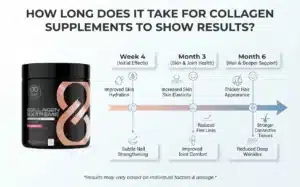
Most people notice their first change from collagen supplements after 4 to 8 weeks, with clearer skin and joint results building between 8 and 12... Continue reading
Add comment