
No products in the cart.
Return To Shop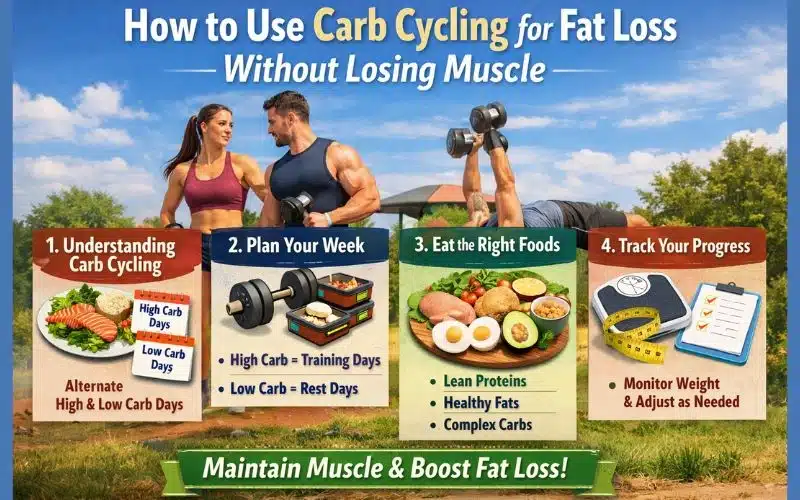
How to Use Carb Cycling for Fat Loss Without Losing Muscle
Carb cycling has become one of the most effective strategies for burning fat while preserving muscle mass. Unlike traditional restrictive diets that leave you depleted and weak, this approach strategically manipulates your carbohydrate intake to maximize fat loss while maintaining training performance and muscle tissue. The best part? You’re never more than a day away from satisfying, carb-rich meals.
Most people either overcomplicate carb cycling or follow generic plans that don’t match their training schedule. This guide breaks down exactly how to implement this strategy effectively, whether you’re an athlete or simply want to get lean without sacrificing your hard-earned gains.
Understanding Carb Cycling and Why It Works
Carb cycling alternates between high-carb, moderate-carb, and low-carb days throughout your week. The genius lies in metabolic flexibility,on high-carb days aligned with intense training, your body gets fuel for performance and recovery. These days keep your metabolism active and prevent metabolic slowdown from prolonged restriction.
On low-carb days, typically rest or light activity days, your body taps into fat stores while maintaining muscle through adequate protein intake. This cycling prevents the metabolic adaptation that kills progress on traditional diets.
The Science Behind Preserving Muscle While Losing Fat
When you consistently eat low carbs, your body lowers thyroid function and metabolic rate as a survival mechanism. Strategic high-carb refeeds prevent this by signaling abundance rather than starvation.
Key physiological benefits include:
- Leptin optimization: Boosting this satiety hormone prevents metabolic slowdown
- Glycogen replenishment: Fueling intense workouts that maintain muscle mass
- Insulin sensitivity: Preventing resistance from constant high carbs
- Cortisol management: Controlling stress hormones that break down muscle
Without adequate glycogen from carbohydrates, workout intensity drops, leading to muscle loss. This is where proper supplementation becomes essential,the right protein support protects your gains during fat loss phases.
Structuring Your Carb Cycling Schedule
Effective carb cycling matches carbohydrate intake to training intensity, not random assignment. Categorize your training into three types:
- High-intensity days: Heavy compound lifts, maximum effort sessions
- Moderate-intensity days: Standard training with good volume
- Low-intensity or rest days: Light activity or complete rest
Match carbs accordingly: high days get 200-300g carbs, moderate days 100-150g, low days under 75g. Protein intake stays constant at 1-1.2g per pound of body weight,this consistency prevents muscle loss and maintains satiety.
Setting Your Macros Correctly
For a 180-pound individual, here’s the framework:
- High-carb day: 250g carbs, 180g protein, 50g fat (2,170 calories)
- Moderate-carb day: 125g carbs, 180g protein, 65g fat (1,825 calories)
- Low-carb day: 50g carbs, 180g protein, 80g fat (1,530 calories)
Notice protein remains constant,non-negotiable for muscle preservation. Quality whey protein makes hitting daily targets easier without excessive calories. Fat increases on low-carb days for satiety and hormone production. Focus on omega-3 rich sources like fatty fish, olive oil, and avocados.
Practical 7-Day Meal Plan Structure
Understanding how to structure meals throughout the week bridges theory to practice. Here’s a simplified approach that works:
High-Carb Day (Heavy Training)
- Breakfast: Oatmeal with banana and whey protein
- Pre-workout: Rice cakes with peanut butter
- Post-workout: Chicken, brown rice, vegetables
- Dinner: Lean beef, sweet potato, salad
Low-Carb Day (Rest)
- Breakfast: Eggs with spinach and cheese
- Lunch: Salmon with mixed vegetables in olive oil
- Snack: Beef jerky and nuts
- Dinner: Turkey with zucchini noodles
- Evening: Casein protein
Moderate-Carb Day (Standard Training)
- Breakfast: Whole grain toast with eggs
- Pre-workout: Whey isolate with apple
- Post-workout: Turkey, quinoa, broccoli
- Dinner: Chicken stir-fry with jasmine rice
This pattern continues weekly, matching your specific training split. The flexibility prevents diet fatigue while maintaining metabolic benefits.
Nutrient Timing for Optimal Results
On high-carb days, distribute carbohydrates strategically around training. Consume 30-40% of daily carbs 2-3 hours pre-workout for sustained energy, another 30-40% immediately post-workout with fast-digesting protein (whey isolate works perfectly), and remaining carbs at your evening meal for overnight recovery and muscle protein synthesis.
Low-carb days don’t require special timing,distribute meals evenly while keeping protein around any resistance training to support muscle preservation.

Best Food Choices for Each Day Type
Food quality impacts performance and adherence. Choose wisely:
- High-Carb Days: White rice, sweet potatoes, oatmeal, bananas, rice cakes,easily digestible sources that replenish glycogen quickly.
- Low-Carb Days: Leafy greens, cruciferous vegetables, eggs, fatty fish like salmon, nuts, full-fat Greek yogurt,nutrient-dense with minimal carbs.
- All Days (Protein): Whey protein isolate, chicken breast, lean beef, white fish, egg whites,lean sources supporting muscle maintenance.
Essential Supplements for Carb Cycling
Strategic supplementation fills nutritional gaps when manipulating carbohydrates. Whey protein powder provides convenient, high-quality protein without excess carbs,critical for hitting daily targets, especially on low-carb days.
Creatine monohydrate maintains strength and muscle fullness even with lower glycogen. Take 5g daily regardless of carb intake. Other beneficial additions include BCAAs for muscle protection during depleted training, omega-3s for insulin sensitivity, and electrolytes to prevent cramping on low-carb days. Consider pre-workout supplements on high-carb days to maximize training intensity.
Critical Mistakes That Sabotage Progress
Even with a well-structured carb cycling plan, certain common mistakes can completely stall fat loss and put your hard-earned muscle at risk.
- Inconsistent protein: Maintain rock-solid protein intake regardless of carb manipulation. If hitting targets is difficult, protein supplementation isn’t optional,it’s essential.
- Poor tracking: Eyeballing portions leads to miscalculation. Use a food scale for 2-3 weeks until portion recognition becomes automatic.
- Random day assignment: Match your highest carb days with hardest training. Doing low-carb before deadlifts wastes metabolic benefits and hampers performance.
- Junk food on high days: More carbs doesn’t mean pizza and donuts. Stick to quality sources that fuel performance. Save treats for occasional refeeds.
- Ignoring hunger: If genuinely starving on low-carb days, increase vegetables and water first, then adjust fat slightly. Proper meal planning prevents miserable dieting that leads to binges.
Adjusting for Your Training Schedule
Your training structure determines your carb pattern. For a 4-day split: two high-carb days on hardest sessions (legs, back), one moderate day, one low day. For 5-6 day splits: 2-3 high days, 2-3 moderate days, 1-2 low days.
Athletes in heavy training need 3-4 high-carb days weekly. Someone focusing purely on fat loss with moderate training might only need 1-2. Listen to your body,if performance suffers consistently, add another high day. If fat loss stalls after 2-3 weeks of adherence, add another low day or reduce portions on moderate days.
Tracking Real Progress
The scale misleads when carb cycling because glycogen holds water (3-4 grams per gram). Your weight fluctuates significantly based on carb intake.
Better indicators:
- Weekly photos in consistent lighting and poses
- Measurements of waist, hips, chest every 7-10 days
- Performance on key lifts
- Clothing fit
- Energy and mood
Weigh daily if desired, but track weekly averages, not daily fluctuations. Professional physique competitors often weigh the same when stage-ready yet they’re dramatically leaner. Muscle weighs more than fat, and optimal carb cycling builds muscle while losing fat.
Timeline and Long-Term Application
Carb cycling is a tool for specific 8-16 week fat loss phases, not permanent eating. Expect 0.5-1% body weight loss weekly,slower than crash diets but sustainable with better muscle retention. After reaching goals, transition to balanced, intuitive eating.
Some maintain year-round with modified approaches,fewer extreme low days, more moderate days, high days for hardest training. This works for maintaining leanness without constant cycling stress. If fat loss stalls after 8-10 weeks despite adherence, take a diet break,eat at maintenance for 1-2 weeks. This reset often breaks plateaus.
Customizing for Your Metabolic Type
Naturally lean individuals tolerate higher carbs exceptionally well,you might need 3-4 high-carb days weekly. Your low days might still include 100-150g carbs. Calorie-dense foods might be necessary even during fat loss.
Insulin-resistant individuals respond better to more frequent low-carb days,4-5 low days with only 1-2 high days for hardest training. Advanced lifters and athletes need more carbs to support high training volumes,never sacrifice performance for arbitrary restriction.
Women often do better with slightly higher carbs due to hormonal differences. Extremely low-carb approaches can disrupt cycles and thyroid function. Aim for 2-3 moderate-to-high carb days weekly, never dropping below 100g for more than 1-2 consecutive days.
Making It Work: Final Implementation Strategy
Success comes down to planning, consistency, and adjustment. Spend Sunday planning your week,training schedule, groceries, meal prep. This prevents poor decisions when hungry and unprepared.
Track everything meticulously the first month using apps like MyFitnessPal. After that, you’ll develop intuition about portions. Initially, precision matters. Adjust based on results,if something isn’t working, whether it’s timing, food quantity, or protein supplementation, change it.
The goal isn’t perfection,it’s progressive improvement. You’re manipulating one variable (carbohydrate timing and quantity) while keeping protein high, calories controlled, and training intense. This combination, executed with quality nutrition and strategic supplementation, delivers body composition changes restrictive diets can’t match.
The best diet is one you can sustain while achieving goals. Carb cycling works because it balances metabolic benefits with psychological satisfaction. You’re never more than a day away from carbs, preventing the deprivation mindset that sabotages traditional diets. Implement these strategies, stay consistent, and transform your body while maintaining the muscle you’ve worked hard to build.


Related posts

Most fitness goals fit neatly into one of two camps: bulking or cutting. But a growing number of athletes, natural lifters, and everyday gym-goers want... Continue reading

Most people walk into the gym, train hard, and then reach for a single scoop of whey right after. That routine works , but it... Continue reading

If you have been searching for a protein supplement that actually supports fat loss while keeping your hard-earned muscle intact, clear whey isolate might be... Continue reading

For Pakistani women struggling with being underweight, the journey to healthy weight gain can feel overwhelming. Between cultural expectations, busy schedules, and conflicting nutrition advice,... Continue reading

Joint pain has become increasingly common among Pakistanis, affecting people across all age groups, from young athletes recovering from injuries to elderly individuals dealing with... Continue reading
Add comment