
No products in the cart.
Return To Shop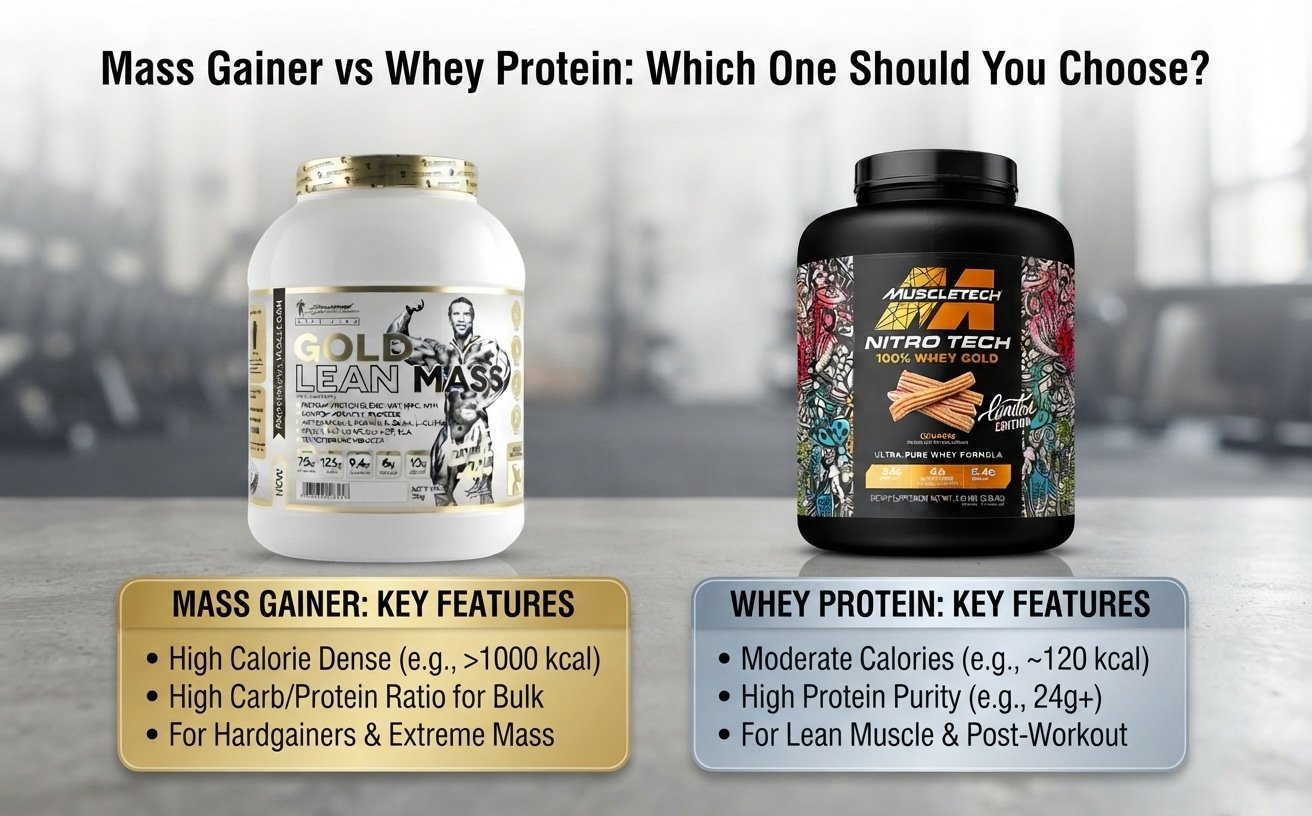
Mass Gainer vs Whey Protein: Which One Should You Choose?
If you have stood in front of a supplement shelf wondering whether to pick up a tub of whey protein or a bag of mass gainer, you are not alone. Both promise muscle, both come in familiar flavours like chocolate and vanilla, and both are marketed to anyone trying to build size. But they are built for two very different jobs. This guide breaks down the real mass gainer vs whey protein comparison so you can choose the right weight gain supplement for your body, budget, and training goals. Sports One International has been an authorised distributor of imported sports nutrition since 2002, so every product referenced here is genuine, Halal-certified stock available with nationwide delivery across Pakistan.
What Is Whey Protein?
Whey protein is a fast-digesting, milk-derived protein isolated during cheese production. A single scoop typically delivers 20 to 30 grams of protein with a relatively low calorie count, usually between 100 and 150 calories per serving. It is the most researched supplement in sports nutrition and is used primarily to help the body repair and build muscle tissue after training. Because it is low in carbohydrates and fat, whey protein fits almost any diet, whether you are bulking, maintaining, or cutting. You can browse the full whey protein range or explore every option in the wider protein category at Sports One.
What Is a Mass Gainer?
A mass gainer is a high-calorie supplement built around a large dose of carbohydrates combined with a moderate amount of protein. A single serving can pack anywhere from 600 to over 1,500 calories, along with 30 to 60 grams of protein and a heavy load of complex and simple carbs. Mass gainers exist to solve one specific problem: eating enough food is genuinely difficult for people with a fast metabolism, a small appetite, or a demanding schedule. Rather than replacing meals, a mass gainer adds a convenient calorie surplus on top of your normal diet. If you want a leaner version with a higher protein-to-carb ratio, the lean mass gainers range is worth a look, while the full mass gainer category covers every calorie bracket.

Difference Between Gainer and Protein
The core difference between gainer and protein comes down to calories and purpose. Whey protein is a targeted muscle-repair tool with minimal calories, while a mass gainer is a bulk calorie-delivery system with protein along for the ride. Here is a side-by-side look:
| Factor | Whey Protein | Mass Gainer |
| Calories per serving | 100 to 150 | 600 to 1,500+ |
| Protein per serving | 20 to 30g | 30 to 60g |
| Carbohydrates | Low (2 to 5g) | High (80 to 250g) |
| Primary goal | Muscle repair and recovery | Calorie surplus for weight gain |
| Best for | Most gym-goers, all body types | Hardgainers, underweight individuals |
Mass Gainer vs Whey Protein: Which One Should You Choose?
The honest answer to mass gainer vs whey protein depends entirely on your current weight, appetite, and training goal. If you eat well, hit your calorie needs through regular meals, and simply want extra protein for recovery, whey protein is the smarter, more flexible choice. If you are naturally lean, struggle to finish meals, or have a high-volume training schedule that burns through calories faster than you can replace them with food, a mass gainer closes that gap far more efficiently than trying to force down extra plates of rice and chicken.
Price is another factor. A tub of whey protein is generally cheaper per serving and lasts longer relative to its calorie contribution, while a mass gainer costs more upfront but replaces what would otherwise be an expensive second or third meal. Whichever you choose, our guide on how to use a mass gainer and our detailed weight gainer vs mass gainer breakdown can help you fine-tune servings once you have picked a direction.
Who Should Choose Whey Protein
- You already eat enough calories through regular meals
- You are trying to build lean muscle without added fat
- You want a flexible supplement that fits any diet, including cutting phases
- You need fast post-workout recovery without a heavy stomach
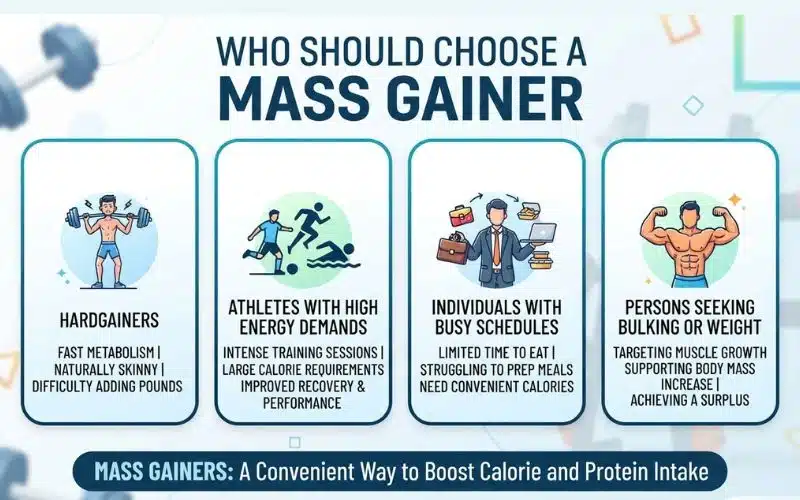
Who Should Choose a Mass Gainer
- You are naturally thin and struggle to gain weight despite eating regularly
- You have a very high training volume or a physically demanding job
- You do not have time to prepare multiple high-calorie meals every day
- You are in a dedicated bulking phase and want to speed up size gains
Can You Use Both Together?
Yes, and many serious lifters do. A common approach is using a mass gainer once a day, usually post-workout or between meals, for the extra calories, while using whey protein on top to hit a specific daily protein target without adding unnecessary carbs. This combination gives you control: you can adjust the gainer serving up or down to manage your weight gain rate while keeping protein intake consistent through whey.
Why Buy Your Weight Gain Supplement From Sports One
Sports One International has operated as an authorised distributor of imported sports nutrition since 2002, which means every whey protein and mass gainer sold is sourced directly from the brand, not grey-imported or repacked locally. Products are Halal-certified where applicable, cash on delivery is available, and delivery is available city-wise across Pakistan including Lahore, Karachi, and Islamabad. Whether you land on the protein side or the mass gainer side of this decision, you are buying verified, authentic stock either way.
Frequently Asked Questions (FAQs)
Which is better for weight gain, mass gainer or whey protein?
A mass gainer is better for pure weight gain because of its high calorie content, often 600 to 1,500 calories per serving. Whey protein supports muscle repair but does not provide enough calories on its own to drive significant weight gain unless your diet already covers the surplus.
Can I take whey protein instead of a mass gainer?
Yes, if you already eat enough calories through food. Whey protein alone will support muscle recovery and growth, but it will not create the calorie surplus needed for weight gain unless you pair it with a calorie-dense diet or additional carbohydrate sources.
Is mass gainer bad for beginners?
Mass gainer is not bad for beginners, but it should match your body type. A naturally thin beginner benefits greatly, while someone who gains weight easily may find a mass gainer adds more fat than muscle. Start with a smaller serving and adjust based on results.
How much protein do I need daily if I use a mass gainer?
Most people building muscle need roughly 1.6 to 2.2 grams of protein per kilogram of bodyweight daily. Check your mass gainer’s label first, since many already provide 30 to 60 grams per serving, then use whey protein to fill any remaining gap toward your target.
Can females use mass gainer or whey protein?
Yes, both are suitable for females. Whey protein supports lean muscle tone and recovery without unwanted bulk, while a mass gainer helps women who are underweight or have a fast metabolism reach a healthy calorie surplus for gradual, controlled weight gain.

About author

Related posts

For most healthy adults, collagen peptides are well tolerated. The side effects people actually report are mild: a feeling of fullness, bloating, an aftertaste or... Continue reading

The short answer: the best time to take collagen is whichever time you will repeat every single day. Research on hydrolysed collagen peptides has not... Continue reading
Neither is universally better. Marine collagen is often preferred for skin, hair and people who avoid beef, while bovine collagen is usually cheaper and offers... Continue reading

Collagen may help support joint comfort in some people, but the evidence is modest, results are slow, and it is not a substitute for medical... Continue reading
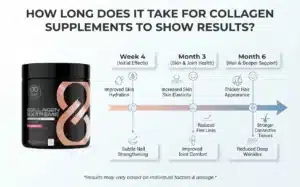
Most people notice their first change from collagen supplements after 4 to 8 weeks, with clearer skin and joint results building between 8 and 12... Continue reading
Add comment