
No products in the cart.
Return To Shop
Why Take Amino Acid Supplements for Muscle & Recovery?
Amino acids are often called the building blocks of life, yet many people still ask an important question: why take amino acid supplements if you already eat protein?
This guide explains the science, benefits, and practical reasons behind amino acid supplementation in a clear, experience-based way.
What Are Amino Acids?
Amino acids are organic compounds that combine to form proteins. Your body uses them to build muscle, repair tissues, produce hormones and enzymes, and support immune and metabolic health. Without enough amino acids, many essential body functions slow down.
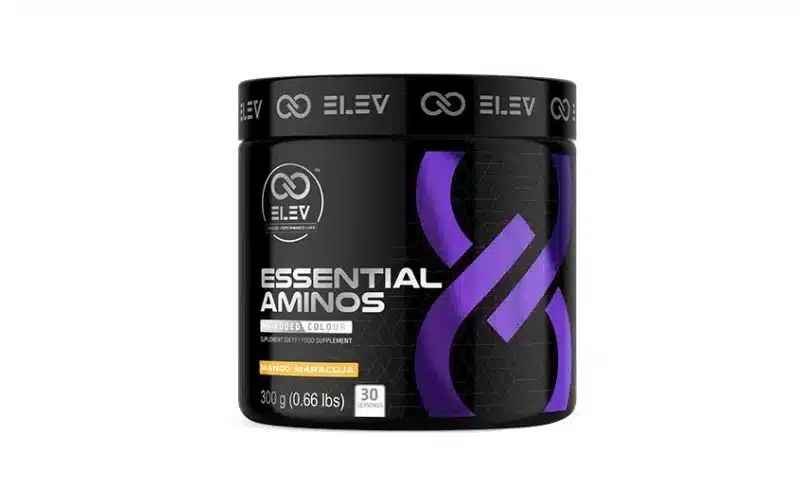
What Are the Different Types of Amino Acids?
There are three main categories of amino acids, each serving a specific role.
Essential Amino Acids (EAAs)
These cannot be produced by the body and must come from food or supplements. They are critical for muscle protein synthesis and recovery.
Non-Essential Amino Acids
Your body can make these on its own, but demand may increase during illness, stress, or intense training.
Conditionally Essential Amino Acids
These become essential during periods of physical stress, injury, aging, or heavy exercise.
What Is the Structure of an Amino Acid?
Each amino acid contains:
- An amino group
- A carboxyl group
- A hydrogen atom
- A unique side chain
This structure allows amino acids to link together and form proteins that perform specialized functions in the body.
What Do Amino Acids Do in the Body?
Amino acids play multiple vital roles, including supporting muscle growth and repair, reducing muscle breakdown during workouts, aiding enzyme and hormone production, supporting immune function, and maintaining energy levels during training, recovery, and overall metabolic health. For those looking to support better blood flow, muscle pumps, and workout performance, Gold L-Arginine 1000 Tablets are a convenient way to add a targeted amino acid to your routine
How Many Amino Acids Do I Need Daily?
There is no single requirement for everyone. Needs vary based on:
- Body weight
- Activity level
- Training intensity
- Age and health status
Active individuals, athletes, and people in calorie deficits often require higher-quality amino acid intake.
What Foods Contain Amino Acids Naturally?
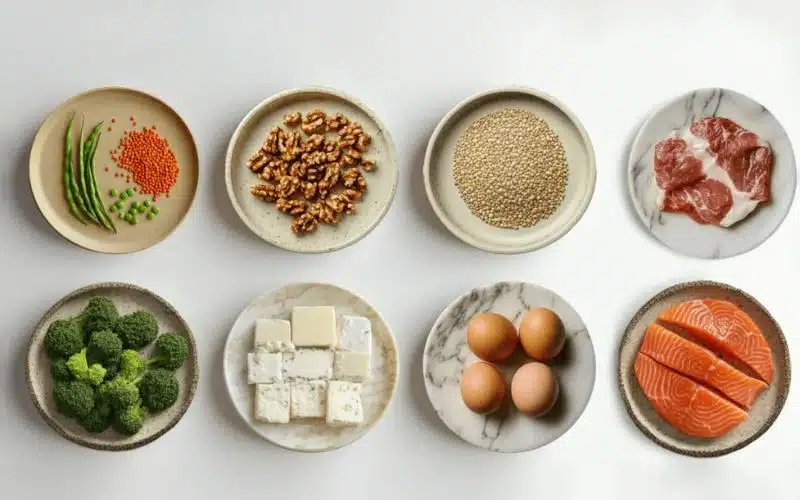
Amino acids are found in protein-rich foods such as:
- Eggs, chicken, fish, beef
- Dairy products
- Legumes and beans
- Nuts and seeds
However, digestion speed and absorption efficiency vary from person to person.
Should I Take Amino Acid Supplements?
This is where the key question arises: why take amino acid supplements instead of relying only on food?
Unlike whole foods, supplements deliver fast-absorbing, targeted amino acids without digestion delays. This makes products like Applied Nutrition Amino Fuel especially useful around workouts, during fasting periods, or when daily protein intake is inconsistent
Why Take Amino Acid Supplements Instead of Food Alone?
Whole foods are essential, but amino acid supplements offer unique advantages:
- Rapid absorption into the bloodstream
- Precise amino acid ratios
- Minimal calories and digestion effort
- Immediate availability for muscles
This makes them highly effective during training windows.
Benefits of Amino Acid Supplements for Muscle Growth and Recovery
Amino acid supplements help:
- Stimulate muscle protein synthesis
- Reduce post-workout soreness
- Speed up muscle repair
- Prevent muscle breakdown
Many athletes use EAA or BCAA formulas during or after workouts for these reasons.
Example internal reference: SportsOne amino acid supplements support workout recovery and muscle maintenance for active individuals.
Why Amino Acid Supplements Are Useful During Workouts
During intense exercise, your body may enter a catabolic state. Amino acid supplements:
- Protect lean muscle tissue
- Support endurance
- Maintain energy levels
This is why many gym-goers sip amino acids intra-workout.
Amino Acid Supplements for Beginners: Are They Necessary?
Beginners with balanced diets may not need them immediately. However, amino acid supplements can help:
- Reduce soreness
- Improve recovery
- Build training consistency
They act as a supportive tool, not a replacement for food.
Benefits of Amino Acid Supplements During Calorie Deficit or Fasting
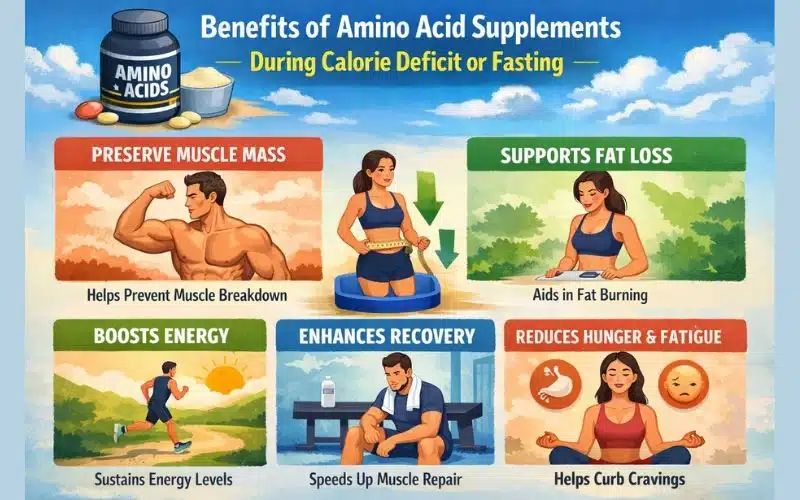
When calories are restricted, the risk of muscle loss increases. Amino acids help preserve lean muscle mass, support metabolism, and often provide nutrients without breaking fasts, making them especially popular among athletes during cutting phases.
Amino Acid Supplements for Older Adults and Muscle Preservation
As people age, muscle protein synthesis becomes less efficient. Amino acid supplements help older adults:
- Maintain muscle mass
- Support mobility
- Improve strength retention
Amino Acids vs Protein Powder: What’s the Difference?
Protein powders require digestion before amino acids are released, while amino acid supplements absorb faster, deliver immediate benefits, and are easier on digestion. Both serve different purposes and can complement each other, depending on training timing, dietary needs, recovery goals, and overall protein intake levels.
BCAAs vs EAAs: Which Amino Acid Supplements Are Better?
- BCAAs focus on endurance and muscle protection
- EAAs provide complete muscle-building support
For most users, EAAs offer broader benefits.
Best Time to Take Amino Acid Supplements
Optimal timing includes:
- During workouts
- Immediately post-workout
- During fasting periods
- Between meals when protein intake is low
Who Should Consider Taking Amino Acid Supplements?
They are especially helpful for athletes and gym-goers, people with low protein intake, older adults, and individuals in calorie deficits who need extra nutritional support. SportsOne offers multiple amino acid formulations suitable for different fitness goals, making it easier to choose the right option.
Who Should Avoid Amino Acid Supplements?
People who should consult a healthcare professional first include:
- Individuals with kidney or liver conditions
- Pregnant or breastfeeding women
- Those on medical treatments affecting amino acid metabolism
Are Amino Acid Supplements Safe?
When used within recommended dosages, amino acid supplements are generally safe. Avoid excessive intake and always prioritize a balanced diet alongside supplementation.
FAQs – Why Take Amino Acid Supplements?
Why take amino acid supplements if I already eat protein?
Protein digestion takes time. Amino acid supplements deliver nutrients instantly, making them useful around workouts or when rapid recovery support is needed.
Do amino acid supplements really help muscle recovery?
Yes. They reduce muscle breakdown, support repair, and help minimize soreness, especially after intense or frequent training sessions.
Are amino acid supplements good for weight loss?
They help preserve lean muscle during calorie restriction, which supports metabolism and improves body composition during fat loss.
Can I take amino acid supplements daily?
Yes, most people can use them daily within recommended limits, especially during training periods or low-protein days.
Are amino acid supplements better than protein shakes?
They are not better—just different. Amino acids absorb faster, while protein shakes provide broader nutrition and satiety.
Final Thoughts
Understanding why to take amino acid supplements helps you use them correctly. They are not magic powders but smart nutritional tools that support muscle, recovery, and performance when used alongside a balanced diet.
For high-quality, authentic amino acid supplements tailored to different fitness goals, explore trusted options available at SportsOne, where performance meets reliability.
Related posts

Collagen supplements have moved from niche wellness circles into mainstream nutrition conversations, and for good reason. But one question consistently sits at the top of... Continue reading

Most people associate amino acid supplements with muscle recovery or post-workout nutrition, and while those applications are well-established, there is a quieter but equally compelling... Continue reading
Most people who train seriously know that protein matters for muscle growth, but the conversation gets far more interesting when you zoom in on one... Continue reading
Fast cardio has a loyal following among fat-loss enthusiasts, and for good reason , training on an empty stomach pushes the body to tap into... Continue reading
Lahore is the food capital of Pakistan. From weekend breakfast Halwa Puri and Channa in Anarkali to late-night Karahi and Naan in Lakshmi Chowk, our... Continue reading
Add comment