
No products in the cart.
Return To Shop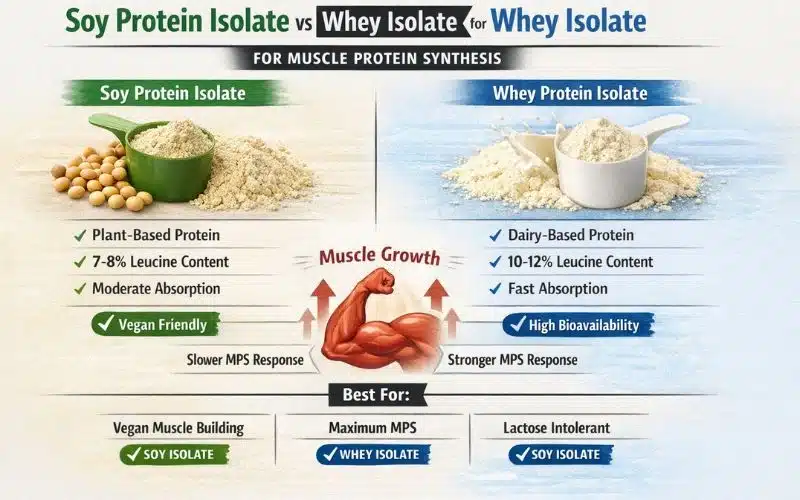
Soy Protein Isolate vs Whey Isolate for Muscle Protein Synthesis
If you have ever stood in a supplement store staring at two tubs , one labeled soy protein isolate, the other whey isolate , wondering which one is actually going to do more for your muscle growth, you are not alone. This is one of the most debated questions in sports nutrition, and the answer is more nuanced than most articles will tell you. Let’s break it down properly.
What Is Muscle Protein Synthesis and Why Does It Matter?
Before comparing the two proteins, it helps to understand what muscle protein synthesis (MPS) actually means and why it is the gold standard measure for evaluating any protein source.
Muscle protein synthesis is the biological process through which your body repairs and rebuilds muscle fibers after exercise-induced damage. Think of it as the construction phase , when MPS rates exceed muscle protein breakdown (MPB), you are in a net positive state, which translates directly to muscle gain over time. The protein you consume provides the amino acids that fuel this entire process. This is why protein supplements have become a cornerstone of any serious fitness plan.
- Leucine threshold: Research shows you need roughly 2–3g of leucine per serving to maximally trigger MPS.
- Speed of absorption: Faster-digesting proteins deliver amino acids to muscle faster, which matters most in the post-workout window.
- Essential amino acid (EAA) content: All nine EAAs must be present for your muscles to complete the repair cycle efficiently.
Whey Isolate: The Gold Standard for Muscle Protein Synthesis
Whey isolate has been the most rigorously studied protein source in sports science, and for good reason. It earns its reputation consistently across different populations and training protocols.
Whey isolate is derived from milk during cheese production and then filtered multiple times to remove nearly all lactose and fat, leaving a product that is typically 90%+ pure protein. Its leucine content , around 10–11% by weight , is among the highest of any natural protein source.
This high leucine content is a direct driver of anabolic signaling through the mTOR pathway, the main biological switch for initiating muscle protein synthesis.
Beyond leucine, whey protein isolate benefits for muscle and fat loss include its rapid absorption rate, full essential amino acid profile, and high digestibility scores (PDCAAS of 1.0). For anyone who is lactose sensitive, isolated protein for lactose intolerant individuals is an important consideration , whey isolate is typically well-tolerated.
Post-Workout: Where Whey Isolate Shines
The window right after training is where whey isolate’s speed advantage really shows. Because it is digested and absorbed quickly, plasma amino acid levels spike faster, which is exactly what muscles need when they are primed for repair. Multiple studies have confirmed that post-workout nutrition and why whey protein matters most is not just marketing , it is backed by solid science.
- Absorbed within 60–90 minutes of consumption
- Leucine content triggers mTOR signaling more effectively than most alternatives
- Supports lean muscle preservation during caloric deficits
- BCAA content supports recovery and reduces DOMS (delayed onset muscle soreness)
Soy Protein Isolate: The Plant-Based Contender
Soy protein isolate deserves far more respect than it often gets in gym culture. It is the only plant-based protein that is considered a complete protein, meaning it contains all nine essential amino acids in meaningful quantities , a rare trait in the plant world.
Soy isolate is processed to remove most of the carbohydrates and fats from soybeans, resulting in a product that is 90%+ protein by weight. Its leucine content is around 7–8%, which is lower than whey but still sufficient to stimulate MPS, especially when consumed in adequate amounts. Digestibility is also high, though slightly lower than whey. If you are vegan, vegetarian, or simply want to reduce dairy intake, the benefits of plant-based proteins for weight loss and muscle building are well worth exploring.
How Soy Stacks Up Against Whey for MPS
Here is where the debate gets interesting. Head-to-head studies comparing soy protein isolate and whey isolate for muscle protein synthesis generally show that whey produces a slightly greater acute MPS response, primarily due to its higher leucine content and faster absorption. However, whey vs soy protein in Pakistan reviews consistently show that over longer training periods (12+ weeks), the muscle mass gains between the two groups tend to be remarkably similar when total protein intake is matched.
- Short-term (acute MPS): Whey isolate has a moderate edge due to higher leucine and faster absorption.
- Long-term muscle gain (8–12 weeks): Comparable results when protein doses are equated.
- Recovery between sessions: Whey isolate generally shows slightly faster recovery markers.
- Hormonal concerns: Soy’s phytoestrogens (isoflavones) are often misunderstood , evidence does not support meaningful hormonal disruption in healthy adults at normal doses.
Head-to-Head: Key Nutritional Differences
Understanding the practical nutritional distinctions between soy and whey isolate helps you make an informed decision based on your specific goals, not just marketing claims.
The amino acid profiles of both proteins are strong, but they differ in important ways. Whey isolate has a higher content of BCAAs , particularly leucine, isoleucine, and valine , which are the primary drivers of muscle repair. Soy isolate, while lower in leucine, compensates with arginine and glutamine, which support blood flow, immune function, and gut health. For a deeper look at how amino acids drive results, what amino acid supplements do for you is a helpful resource.
- Whey Isolate: ~10–11% leucine, ~20–25% BCAAs, PDCAAS 1.0, rapid digestion
- Soy Isolate: ~7–8% leucine, ~17–18% BCAAs, PDCAAS 1.0, moderate digestion speed
- Allergen profile: Whey (dairy), Soy (soy allergy is common , check before switching)
- Environmental impact: Soy has a significantly lower carbon footprint per gram of protein
Who Should Choose Whey Isolate?
Whey isolate is the better choice for most people who want to maximize muscle protein synthesis, particularly in the immediate post-workout period. It is especially suitable for beginners building their training base, intermediate lifters looking to accelerate muscle growth, and anyone who does not have dairy allergies or intolerances.
If you are just starting out, is whey protein isolate good for beginners explains exactly why this form of protein is one of the most beginner-friendly choices available. The purity level also makes it ideal for those watching caloric intake.
You get maximum protein with minimal carbs and fat, which is useful when cutting or during a whey protein isolate for weight loss phase.
- Lactose intolerant individuals (whey isolate is almost lactose-free)
- Athletes prioritizing post-workout recovery speed
- Individuals with higher protein targets (1.6–2.2g/kg body weight)
- Anyone looking to support immune function alongside muscle gains , whey protein and immune system benefits are well-documented

Who Should Choose Soy Protein Isolate?
Soy protein isolate is an excellent choice for a significant and growing segment of fitness enthusiasts, and it should never be dismissed as an inferior option simply because it is plant-based.
Vegans and vegetarians will find soy isolate to be their most effective protein supplement for muscle building since it is the only complete plant protein that reliably matches whey in amino acid completeness. Those with dairy allergies or who simply prefer to avoid animal products will benefit greatly. Soy also contains beneficial phytonutrients and is naturally lower in saturated fat. For creative ways to use plant-based proteins in your diet, vegan protein shake recipes and benefits of plant-based proteins for weight loss offer great practical guidance.
- Vegans, vegetarians, and flexitarians
- People with dairy allergies or whey sensitivities
- Those concerned about the environmental impact of their diet
- Individuals who want a slightly more gradual amino acid release for sustained MPS between meals
Timing and Dosage: Making Either Protein Work Harder
The best protein in the world will underperform if timing and dosage are ignored. Whether you go with whey or soy isolate, how and when you consume it matters nearly as much as which one you choose.
For whey isolate, the ideal window is within 30–60 minutes post-workout when muscle fiber repair demand is highest. For soy isolate, slightly higher doses (around 30–40g versus 25–30g for whey) can help compensate for the lower leucine density and still hit the anabolic threshold needed to trigger MPS robustly. For a clear picture of daily protein needs, how many calories to eat daily and how much protein per day for a beginner are excellent starting points.
- Post-workout: Whey isolate 25–30g within 60 min; Soy isolate 30–40g within 60 min
- Between meals: Either works well; soy’s slower release may reduce hunger between eating windows
- Before bed: Casein is superior here, but both soy and whey are better than nothing , explore what is casein protein for comparison
Combining Both for Maximum Results
One of the most underused strategies in protein supplementation is combining both protein sources to capitalize on the unique strengths of each. This is a legitimate approach used by competitive athletes and is backed by emerging research showing that protein blends can produce a more sustained amino acid profile than either source alone.
A morning smoothie with soy isolate offers a moderate release of amino acids to start the recovery process, while a post-workout whey isolate shake provides the rapid leucine spike needed to maximize MPS.
For those building a full supplement strategy, best proteins for muscle gain: whey, casein, or blends and protein powders for meal replacement provide comprehensive guidance.
Final Verdict: Which One Wins for Muscle Protein Synthesis?
The science points to whey isolate having a modest but real advantage for acute muscle protein synthesis, primarily due to its leucine content and absorption speed. However, the gap in long-term muscle building outcomes is much smaller than most people expect , especially when total protein intake is adequate and training is consistent.
Your best protein is ultimately the one you can consume consistently, digest well, and that fits your dietary values. For most gymgoers who have no dietary restrictions, best whey isolate supplements 2025 is a practical place to start. If you are vegan, soy isolate is not a compromise , it is a capable and scientifically supported choice. And if you want to explore everything available in Pakistan, protein supplements in Pakistan cover the full landscape.
- Choose whey isolate if: you want maximum acute MPS, fast post-workout recovery, and have no dairy concerns
- Choose soy isolate if: you are vegan/vegetarian, have dairy sensitivities, or want a complete plant-based option
- Use both if: you want a blended approach that delivers both fast and sustained amino acid release
At the end of the day, both proteins are powerful tools. The real difference in your physique will come from training hard, eating enough overall protein, sleeping well, and staying consistent , not from agonizing over which isolate is marginally superior on paper.

About author

Related posts

For most healthy adults, collagen peptides are well tolerated. The side effects people actually report are mild: a feeling of fullness, bloating, an aftertaste or... Continue reading

The short answer: the best time to take collagen is whichever time you will repeat every single day. Research on hydrolysed collagen peptides has not... Continue reading
Neither is universally better. Marine collagen is often preferred for skin, hair and people who avoid beef, while bovine collagen is usually cheaper and offers... Continue reading
Collagen may help support joint comfort in some people, but the evidence is modest, results are slow, and it is not a substitute for medical... Continue reading
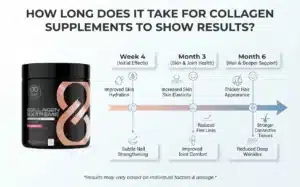
Most people notice their first change from collagen supplements after 4 to 8 weeks, with clearer skin and joint results building between 8 and 12... Continue reading
Add comment