
No products in the cart.
Return To Shop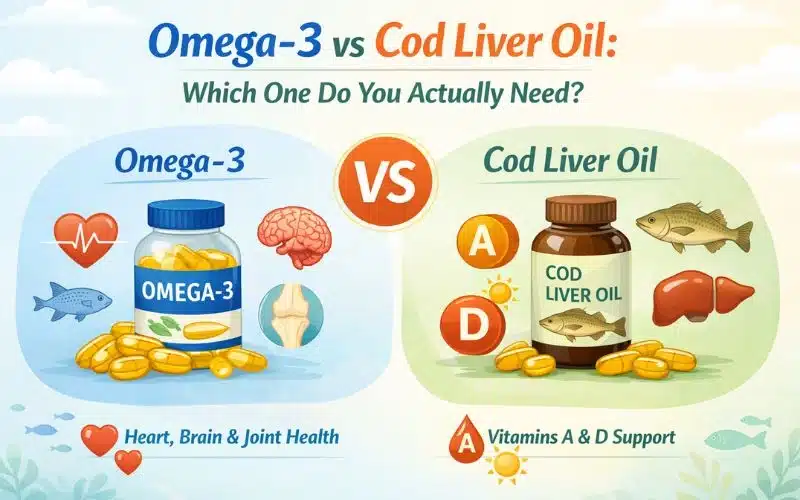
Omega-3 vs Cod Liver Oil: Which One Do You Actually Need?
When it comes to daily health supplements, Omega-3 vs Cod Liver Oil is one of the most common comparisons people struggle with. Both are associated with heart health, brain function, and inflammation control but they are not the same, and choosing the wrong one may not suit your body’s actual needs.
This expert-backed guide breaks down Omega-3 vs Cod Liver Oil: which one do you actually need, based on nutrition science, safety, and real-world health goals.
Fish Oil or Cod Liver Oil?
Many people assume fish oil, omega-3, and cod liver oil are interchangeable. In reality, omega-3 supplements usually come from fish oil, while cod liver oil is a specific oil extracted from cod fish livers.
The confusion arises because both contain omega-3 fatty acids but cod liver oil also contains vitamins A and D, which significantly changes how and when it should be used.
Understanding this distinction is the first step in the Omega-3 vs Cod Liver Oil decision.

What Actually Is Omega-3?
Omega-3 is an essential fatty acid, meaning your body cannot produce it on its own. It must be obtained through diet or supplementation.
There are three main types:
- EPA (Eicosapentaenoic Acid) – supports heart health and reduces inflammation
- DHA (Docosahexaenoic Acid) – critical for brain, eye, and nervous system health
- ALA (Alpha-Linolenic Acid) – found in plant sources but poorly converted
Most high-quality omega-3 supplements focus on EPA and DHA, making them ideal for daily long-term use without vitamin overload.
What Is Cod Liver Oil?
Cod liver oil is derived specifically from the liver of cod fish. While it does contain omega-3 fatty acids, its defining feature is its naturally high vitamin A and vitamin D content.
This makes cod liver oil beneficial in certain situations but potentially risky if taken incorrectly or long-term without supervision.
Omega-3 vs Cod Liver Oil: Key Differences

The most important differences between omega-3 and cod liver oil include:
- Nutrient profile: Omega-3 focuses on EPA & DHA; cod liver oil includes vitamins A & D
- Daily safety: Omega-3 is safer for consistent daily use
- Vitamin risk: Cod liver oil can cause vitamin A toxicity if overused
- Flexibility: Omega-3 dosage is easier to adjust
From a safety and customization standpoint, omega-3 supplements offer more control for most people.
Health Benefits Compared: Omega-3 vs Cod Liver Oil
Omega-3 primarily supports heart, brain, and joint health through EPA and DHA, while cod liver oil offers similar benefits with added vitamins A and D, making it more suitable for addressing nutrient deficiencies rather than long-term daily use.
Heart Health
Both support cardiovascular health, but omega-3 is more concentrated and better studied for cholesterol and blood pressure regulation.
Brain & Cognitive Support
DHA-rich omega-3 supplements are ideal for memory, focus, and mental clarity.
Joint & Inflammation Relief
Omega-3 is preferred for athletes and people with chronic inflammation due to higher EPA content.
Immune & Bone Health
Cod liver oil may be helpful due to vitamin D—but only when deficiency exists.
Which One Do You Actually Need?
If your goal is:
- Heart & brain health → Omega-3
- Joint pain or workouts → Omega-3
- Vitamin D deficiency → Cod liver oil (short-term)
- General wellness → Omega-3
This practical approach makes the Omega-3 vs Cod Liver Oil choice clearer.
Who Should Choose Omega-3?

Omega-3 is ideal for athletes and gym-goers who need faster recovery and reduced inflammation, people managing cholesterol levels, individuals who want to avoid excess vitamins, and long-term daily supplement users. It also supports brain function, heart health, joint mobility, and overall wellness, making it a safer and more versatile choice for most modern lifestyles.
Who Should Choose Cod Liver Oil?
Cod liver oil may be suitable for:
- People with diagnosed vitamin D deficiency
- Older adults with limited sun exposure
- Short-term immune or bone health support
It should always be used carefully and not blindly.
Is Cod Liver Oil Safe for Daily Use?
Daily cod liver oil use is not recommended for everyone, as excess vitamin A intake can lead to liver toxicity, bone weakness, headaches, and nausea. Prolonged overuse may also affect vision and overall metabolic health, so medical guidance is strongly advised before considering long-term supplementation.
Can You Take Omega-3 and Cod Liver Oil Together?
Generally, no, unless supervised by a healthcare professional. Combining them can increase vitamin A intake beyond safe limits, raising the risk of toxicity, especially for pregnant women, older adults, or individuals already consuming vitamin-fortified foods regularly.
Omega-3 vs Cod Liver Oil: Side Effects & Safety
Omega-3:
- Mild digestive upset (rare)
- Generally safe
Cod liver oil:
- Vitamin A overdose risk
- Not suitable for pregnant women without approval
Safety matters when deciding Omega-3 vs Cod Liver Oil: which one do you actually need.
How to Choose a High-Quality Supplement
Look for:
- Third-party testing
- Clear EPA/DHA labeling
- Purity and freshness
- Reputable sourcing
Quality matters more than brand hype.
Key Takeaways
- Omega-3 is safer for daily, long-term use
- Cod liver oil has specific benefits but higher risks
- Most people benefit more from omega-3
Conclusion
When deciding Omega-3 vs Cod Liver Oil, the right choice depends on your health goals not trends. For most people seeking heart, brain, and joint support, high-quality omega-3 supplements are the smarter and safer option.At SportsOne Pakistan, you’ll find authentic, lab-tested omega-3 supplements from trusted international brands ensuring purity, effectiveness, and peace of mind.Explore premium Omega-3 supplements today at https://sportsone.com.pk/


About author

Related posts

For most healthy adults, collagen peptides are well tolerated. The side effects people actually report are mild: a feeling of fullness, bloating, an aftertaste or... Continue reading

The short answer: the best time to take collagen is whichever time you will repeat every single day. Research on hydrolysed collagen peptides has not... Continue reading
Neither is universally better. Marine collagen is often preferred for skin, hair and people who avoid beef, while bovine collagen is usually cheaper and offers... Continue reading

Collagen may help support joint comfort in some people, but the evidence is modest, results are slow, and it is not a substitute for medical... Continue reading
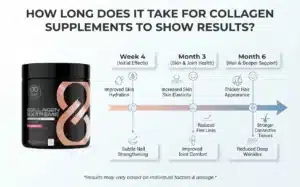
Most people notice their first change from collagen supplements after 4 to 8 weeks, with clearer skin and joint results building between 8 and 12... Continue reading
Add comment